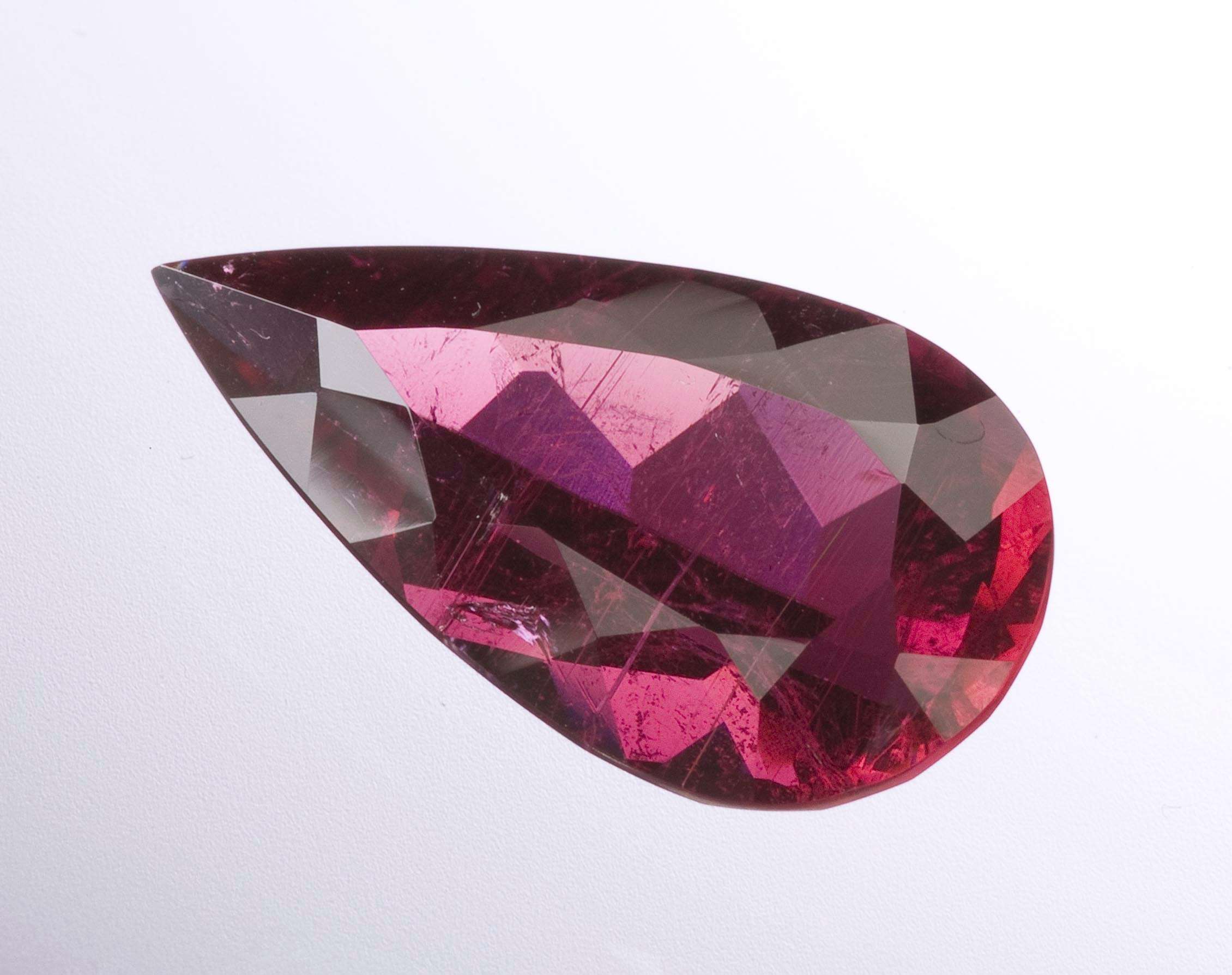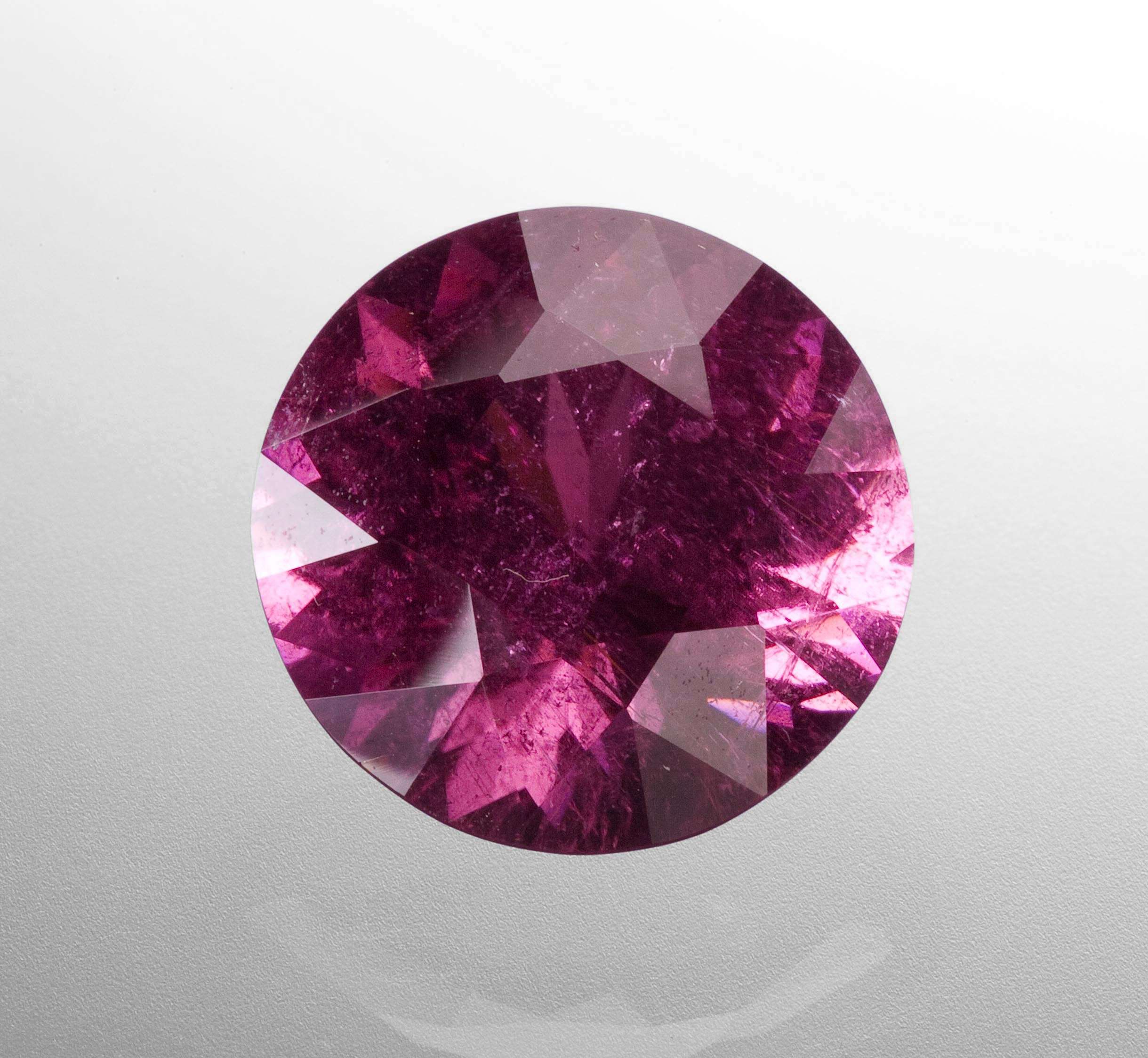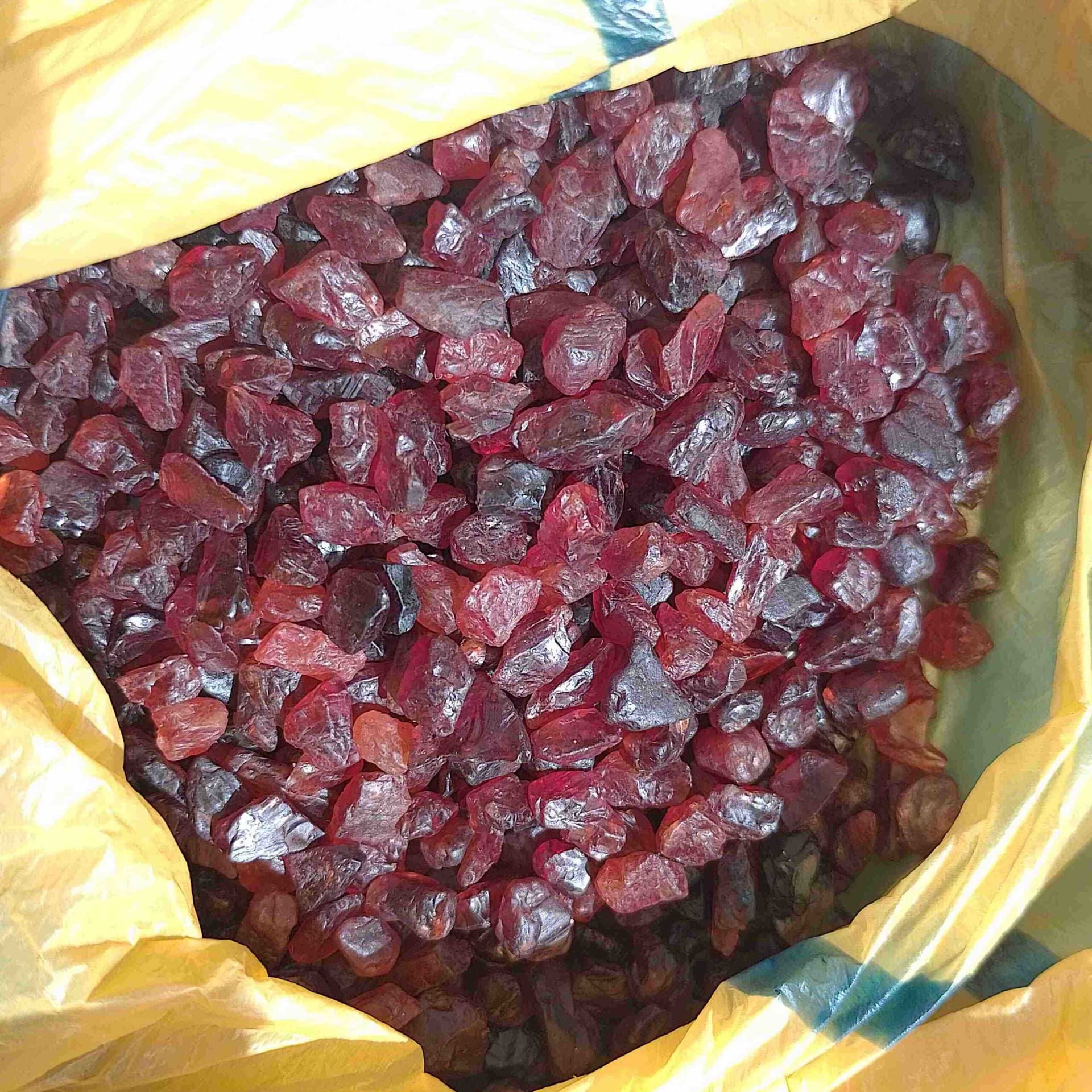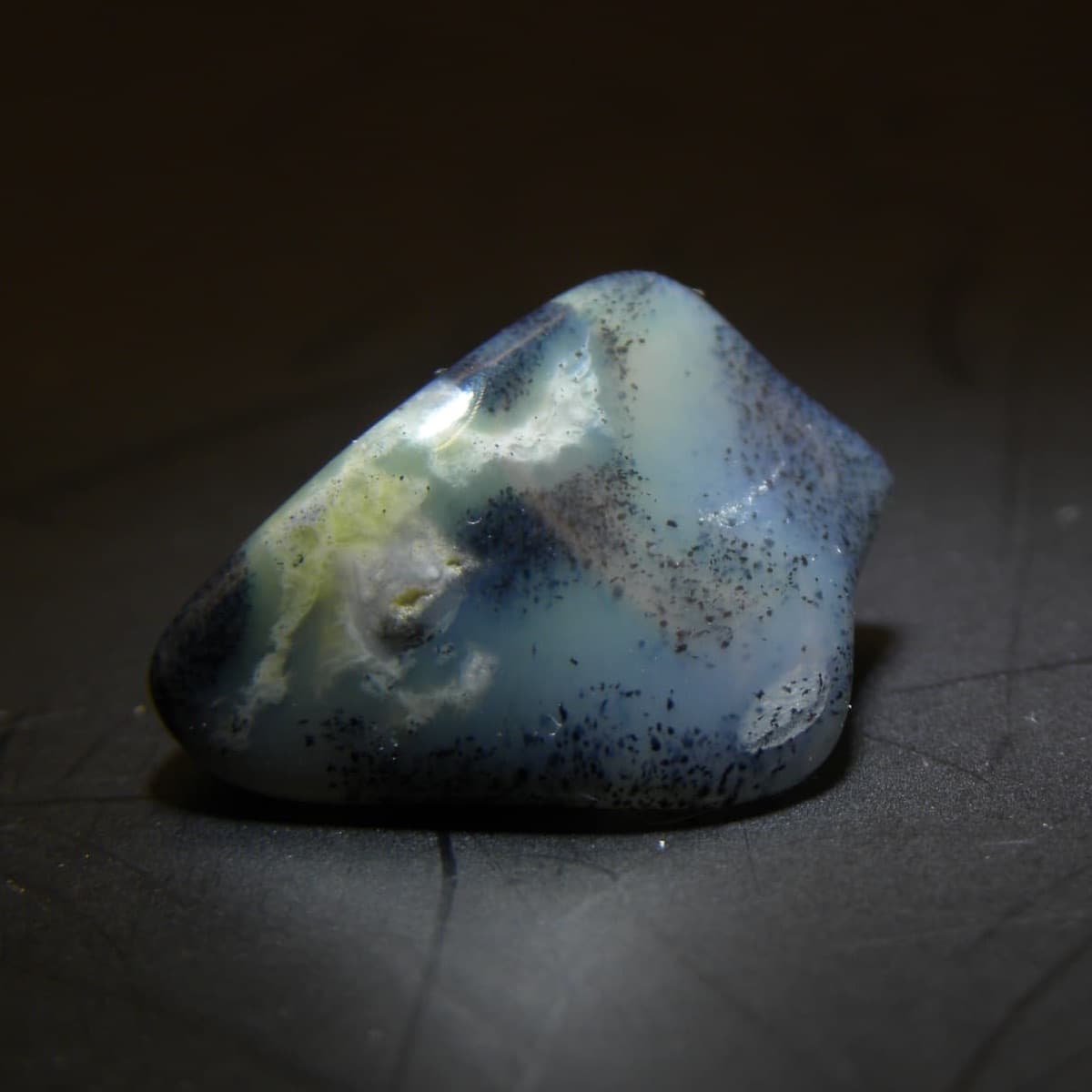
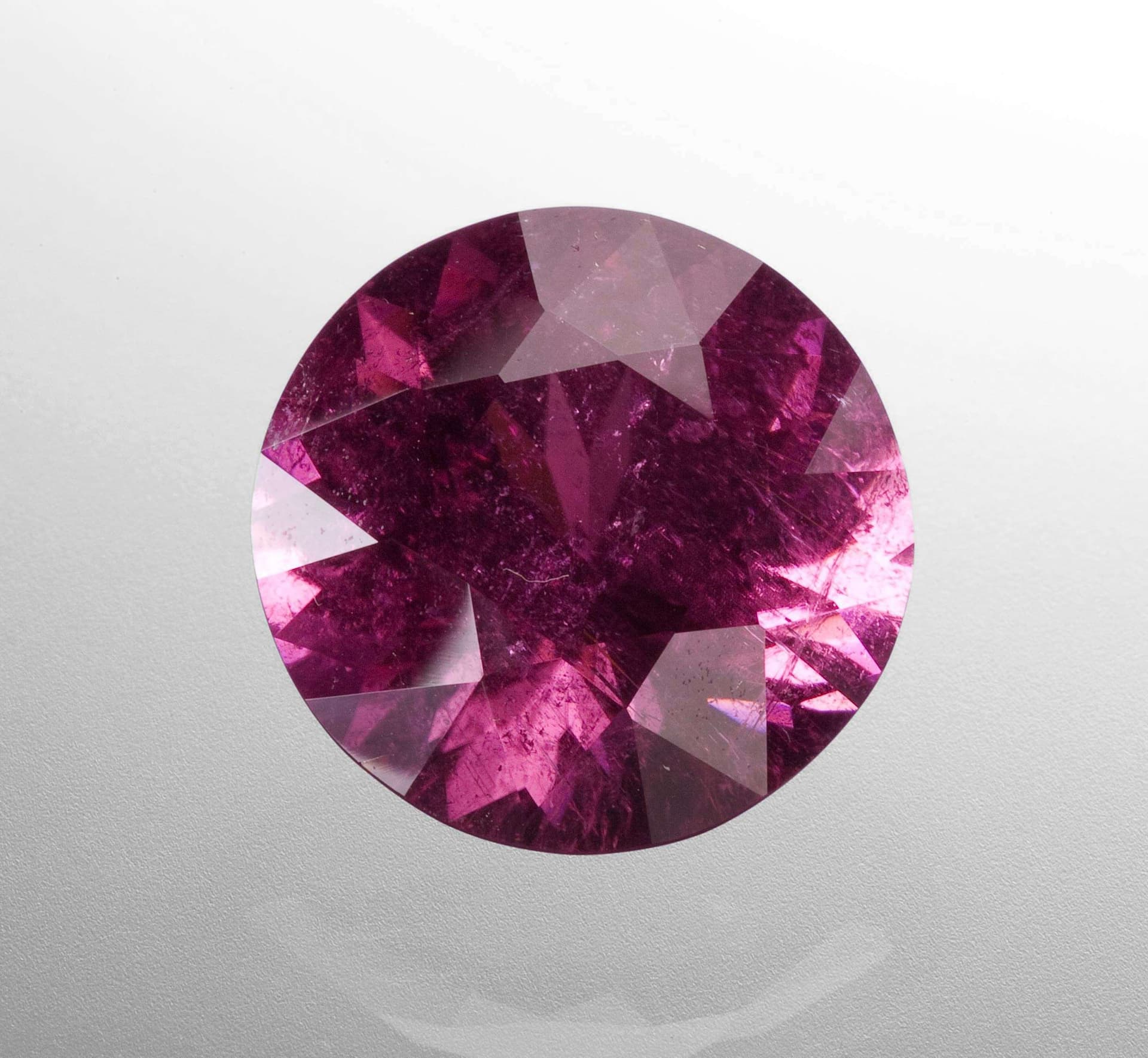
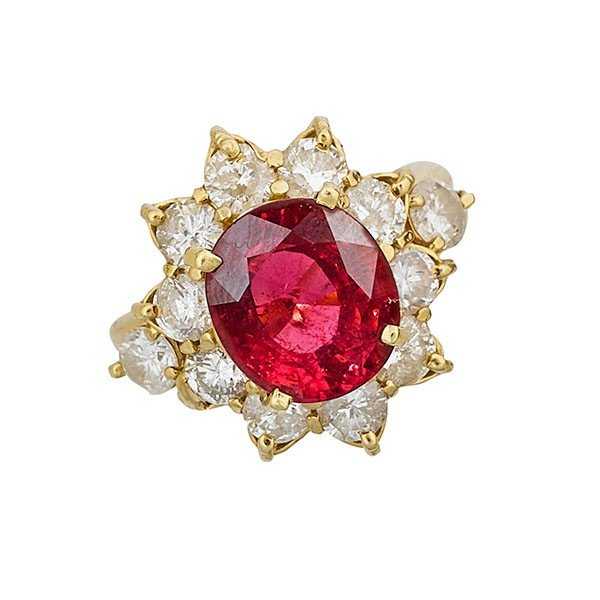
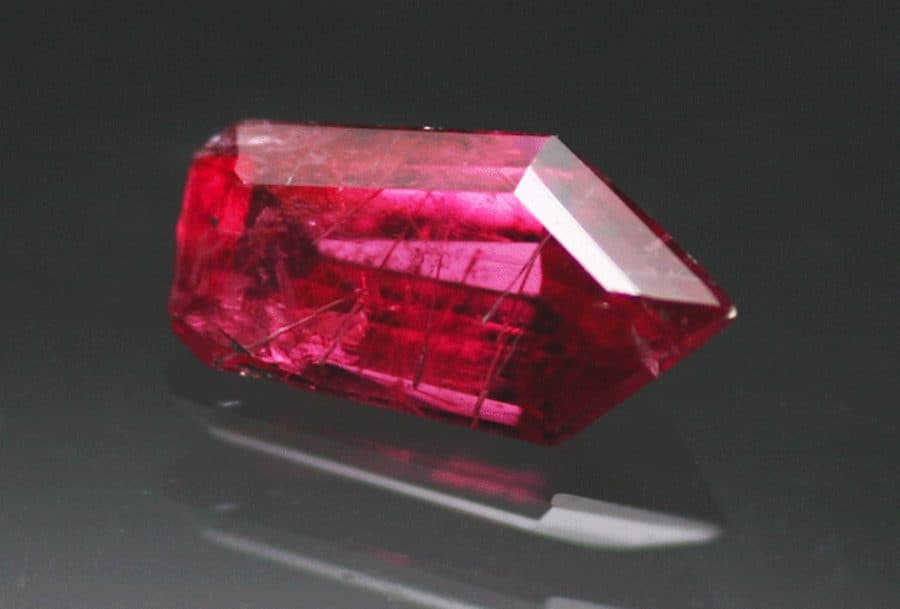
Rubellites are tourmalines with reasonably saturated dark pink to red colors and medium to dark tones. They make excellent jewelry stones, and ruby-red colored specimens without orange or brown overtones are highly prized.
1 Minute Read
In this video, Jake Talve-Goodman of The Concierge Gemologist introduces viewers to the world of rubellite and discusses its formation, sourcing, properties, and symbolism.
Trace amounts of manganese create rubellite's natural dark pink to red color. You may encounter light pink stones labelled as rubellites, but these are more properly considered pink tourmalines.
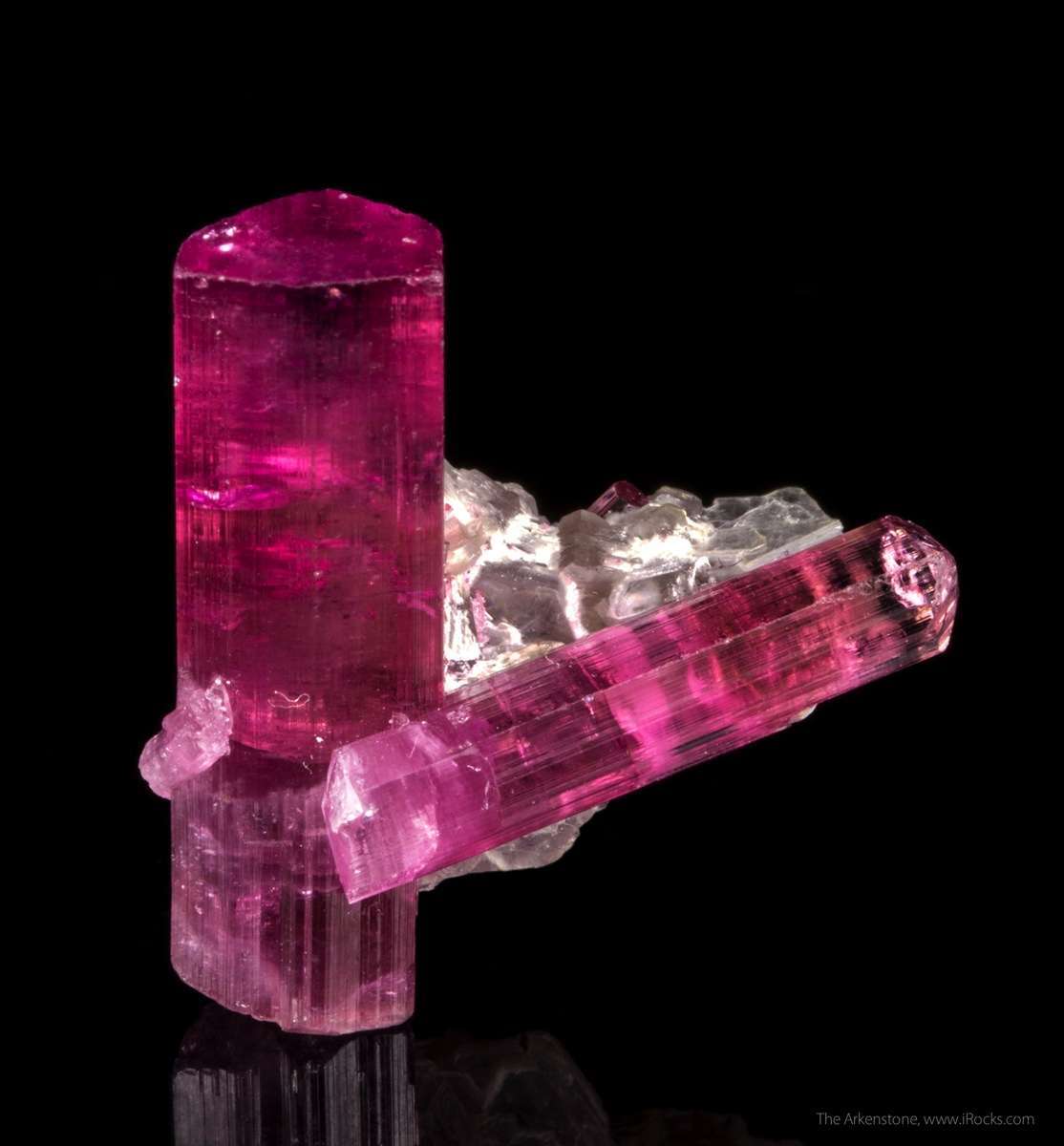
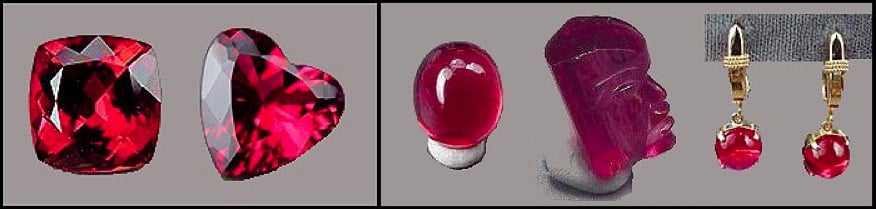
Rubellites have a hardness of 7 to 7.5 and no cleavage, so, whether faceted or cabbed, these dark pink varieties of the modern October birthstone make good stones for any type of jewelry. Lapidaries can also carve them. Although rubellites are durable jewelry stones, avoid rough handling and use protective settings for heavily included stones.
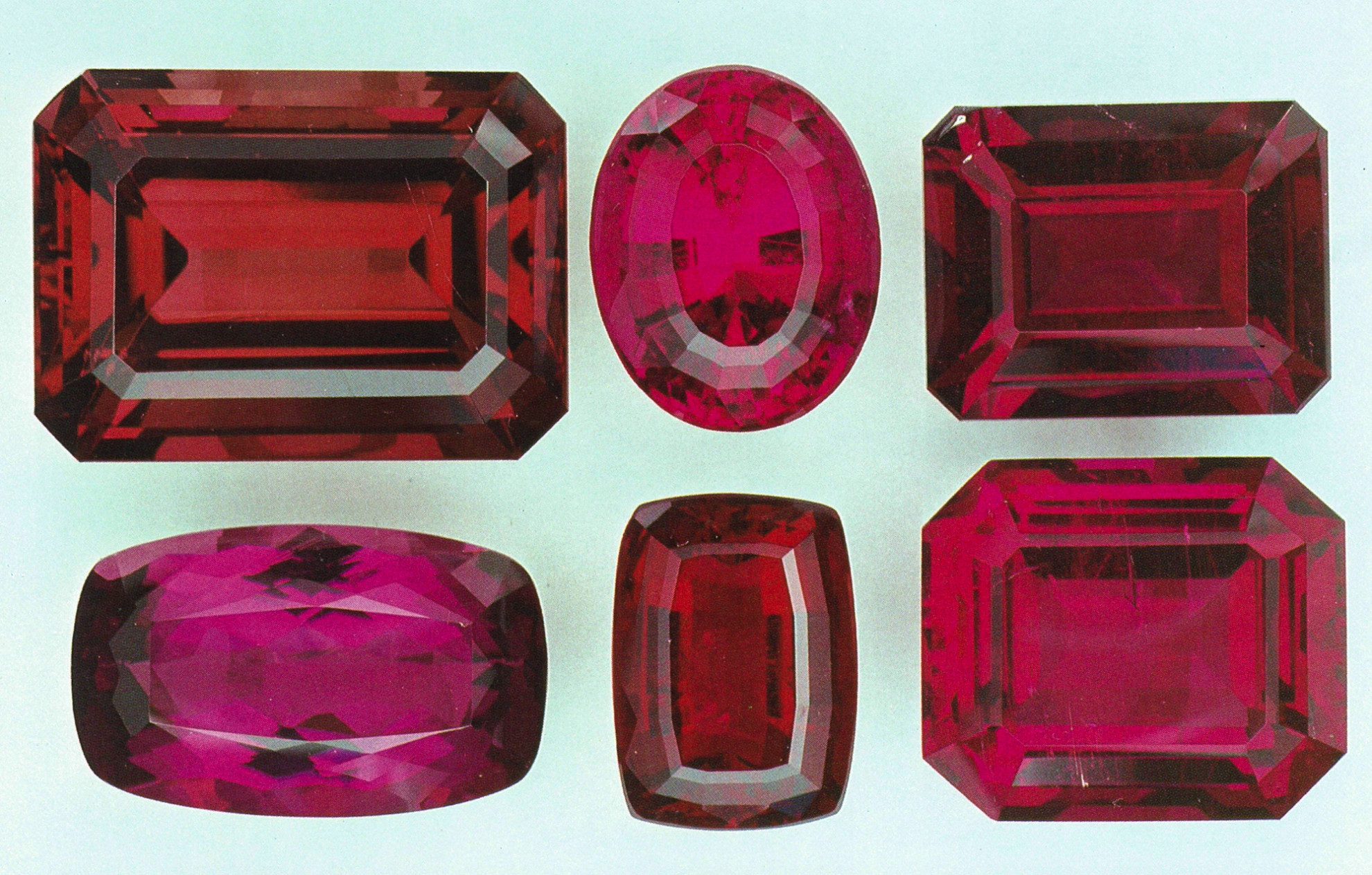
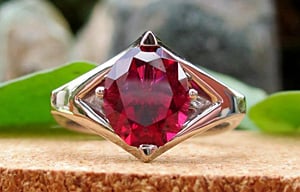
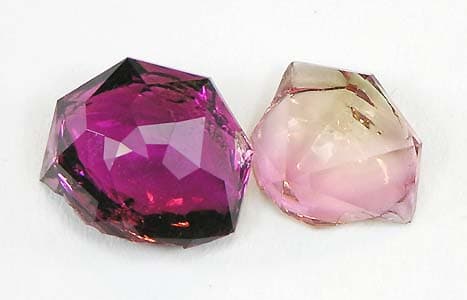
Although the majority of Brazilian rubellites receive native cuts, custom cuts add value.
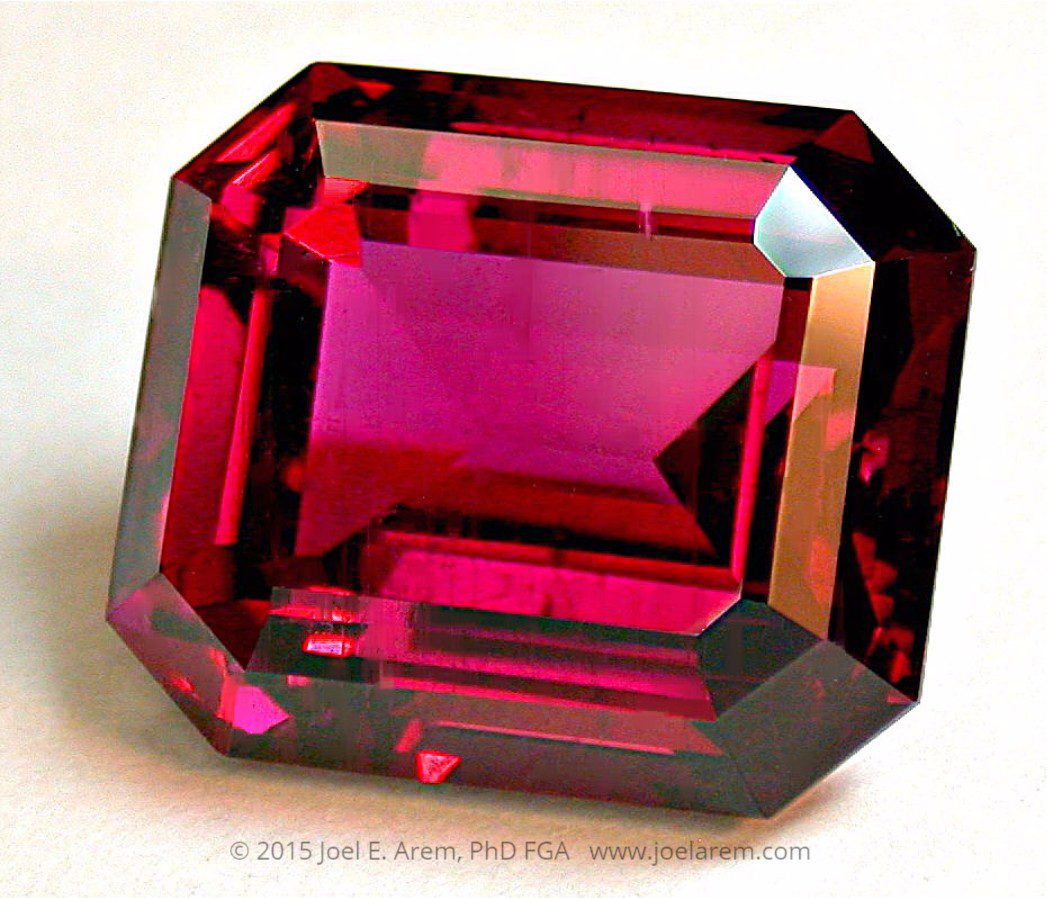
In terms of clarity, rubellites are typically Type III gems. Thus, they almost always contain inclusions. (Needle-like inclusions can also create cat's eye gems). Due to their scarcity and beauty, collectors and jewelry buyers value untreated, eye-clean or better rubellite gems most highly.
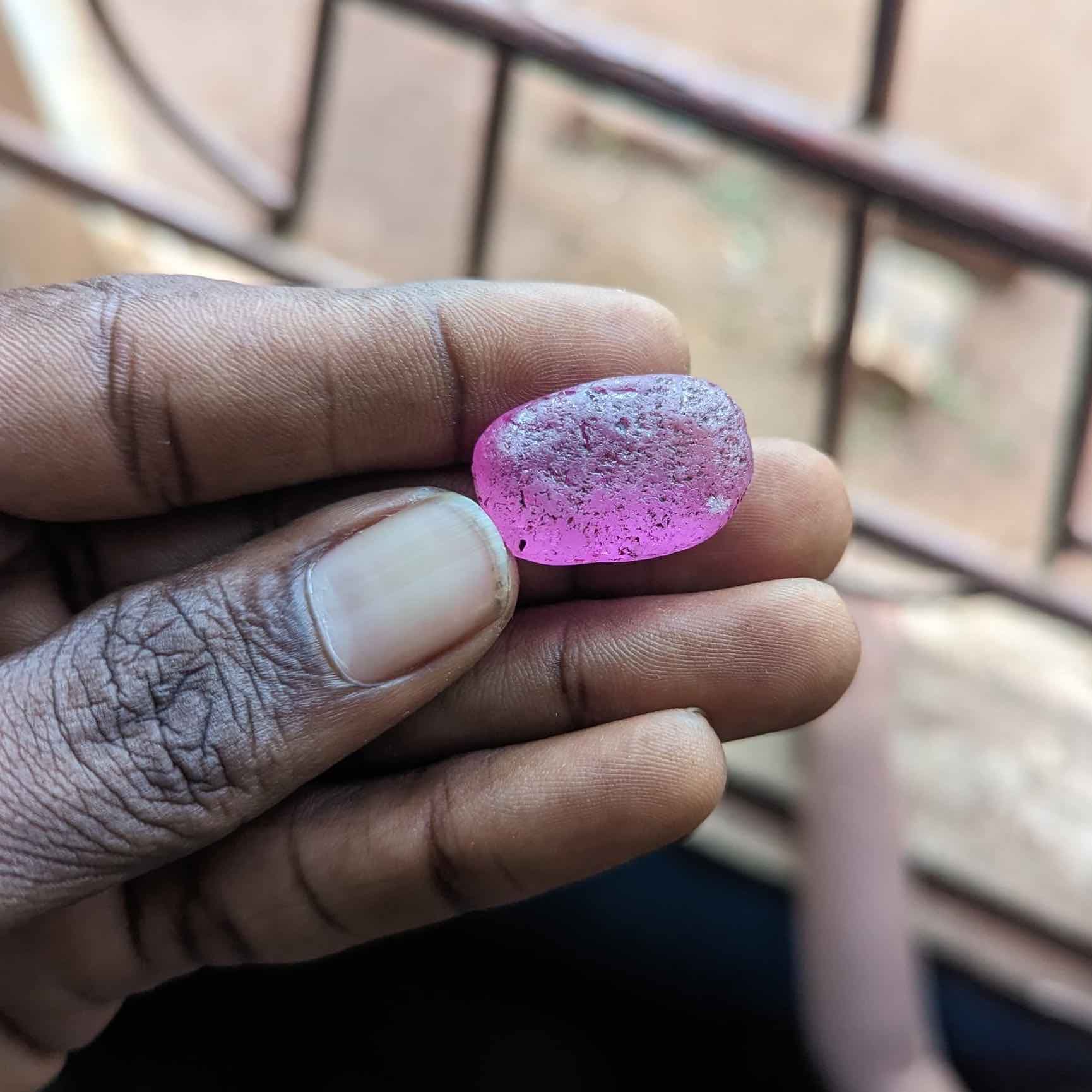
In recent years, African deposits have yielded cleaner rough. However, these African finds often show brown tinges and rarely approach the ruby-like red of gems from older Brazilian sources.
Irradiation, a now common gemstone treatment, can produce stable red tones in otherwise pale pink stones. Since this treatment is undetectable, assume all rubellites are treated, even though individual stones may not be.
Highly included rubellites sometimes receive fillings similar to those used on emerald, another highly included gemstone. Fourier transform infrared spectroscopy (FTIR) can detect this. Hot point testing can also detect this treatment. However, this is a destructive technique. It should only be used as a last resort.
Notable sites for mining rubellite gems include Afghanistan, Brazil, Madagascar, Myanmar, Nigeria, Russia, and the United States.
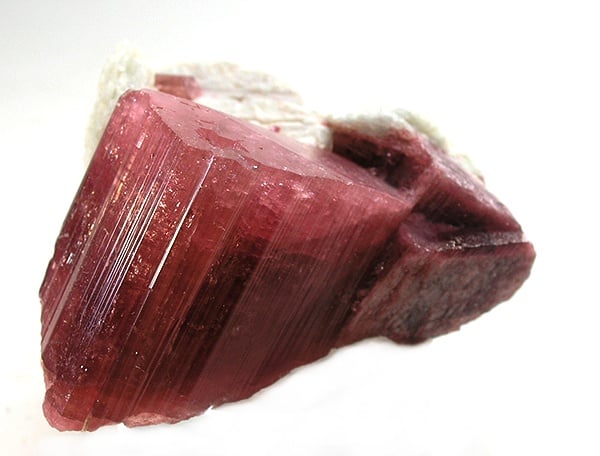
Inclusions as well as filler treatments may make some rubellites sensitive to heat. Therefore, don't use mechanical cleaning processes, such as ultrasonic or steam systems. Instead, use a soft brush, mild detergent, and warm water for cleaning. Otherwise, rubellite requires no special care.
For more care recommendations, consult our gemstone jewelry cleaning guide.



When you join the IGS community, you get trusted diamond & gemstone information when you need it.
In this video, Jake Talve-Goodman of The Concierge Gemologist introduces viewers to the world of rubellite and discusses its formation, sourcing, properties, and symbolism.
Trace amounts of manganese create rubellite's natural dark pink to red color. You may encounter light pink stones labelled as rubellites, but these are more properly considered pink tourmalines.
Rubellites have a hardness of 7 to 7.5 and no cleavage, so, whether faceted or cabbed, these dark pink varieties of the modern October birthstone make good stones for any type of jewelry. Lapidaries can also carve them. Although rubellites are durable jewelry stones, avoid rough handling and use protective settings for heavily included stones.
Although the majority of Brazilian rubellites receive native cuts, custom cuts add value.
In terms of clarity, rubellites are typically Type III gems. Thus, they almost always contain inclusions. (Needle-like inclusions can also create cat's eye gems). Due to their scarcity and beauty, collectors and jewelry buyers value untreated, eye-clean or better rubellite gems most highly.
In recent years, African deposits have yielded cleaner rough. However, these African finds often show brown tinges and rarely approach the ruby-like red of gems from older Brazilian sources.
Irradiation, a now common gemstone treatment, can produce stable red tones in otherwise pale pink stones. Since this treatment is undetectable, assume all rubellites are treated, even though individual stones may not be.
Highly included rubellites sometimes receive fillings similar to those used on emerald, another highly included gemstone. Fourier transform infrared spectroscopy (FTIR) can detect this. Hot point testing can also detect this treatment. However, this is a destructive technique. It should only be used as a last resort.
Notable sites for mining rubellite gems include Afghanistan, Brazil, Madagascar, Myanmar, Nigeria, Russia, and the United States.
Inclusions as well as filler treatments may make some rubellites sensitive to heat. Therefore, don't use mechanical cleaning processes, such as ultrasonic or steam systems. Instead, use a soft brush, mild detergent, and warm water for cleaning. Otherwise, rubellite requires no special care.
For more care recommendations, consult our gemstone jewelry cleaning guide.



Rubellites are tourmalines with reasonably saturated dark pink to red colors and medium to dark tones. They make excellent jewelry stones, and ruby-red colored specimens without orange or brown overtones are highly prized.
Deep pinkish red to slightly purplish red are the most desirable colors. Brownish tones decrease a stone’s value considerably.
For more information on rubellite quality factors, consult our rubellite buying guide.