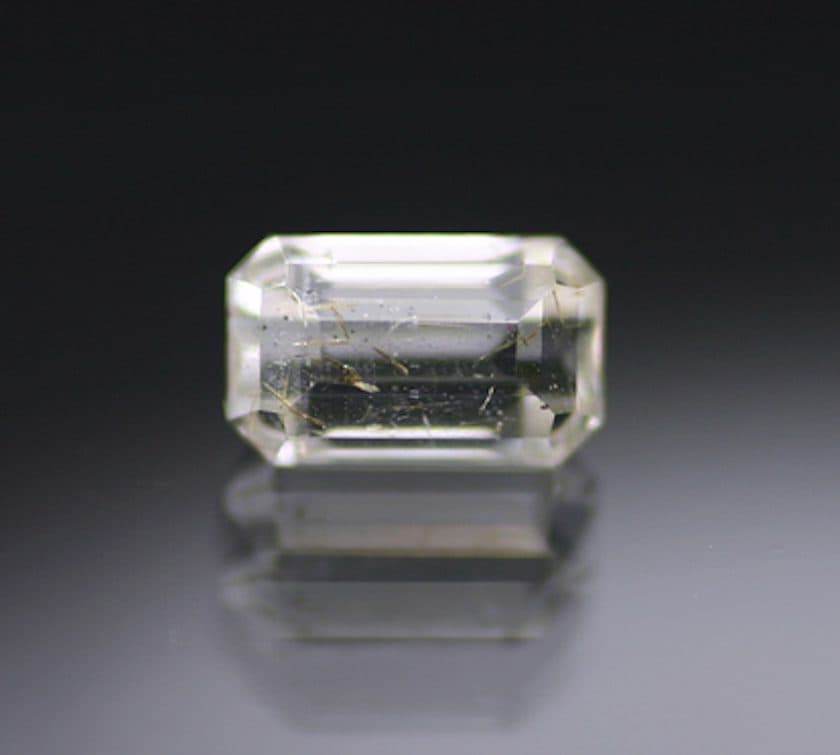
Why are some gems so rare in nature? Learn which elements in the Earth’s crust are the rarest and how these ingredients help form uncommon gemstones.
1 Minute Read
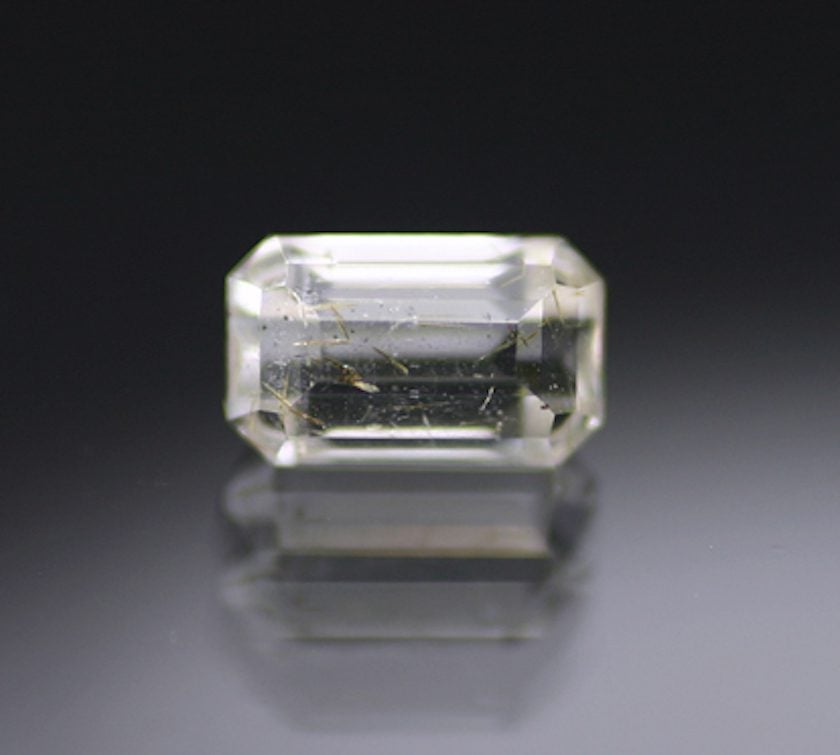
Since the principal source of ingredients for gems is the rocky Earth itself, knowing the abundance of the elements that make up the minerals in the Earth's crust will help us understand why there are common and uncommon gemstones.
The following figures are estimated percentages of the Earth's crust by weight.
The eight most common elements in the crust are:
All other elements represent a mere 0.66% of the crust.
From a gemological perspective, the following uncommon elements in the Earth's crust are of particular interest:
Oxygen and silicon make up more than 74% of the Earth's crust. It's not surprising that quartz (SiO2) is one of the most common gemstone minerals.
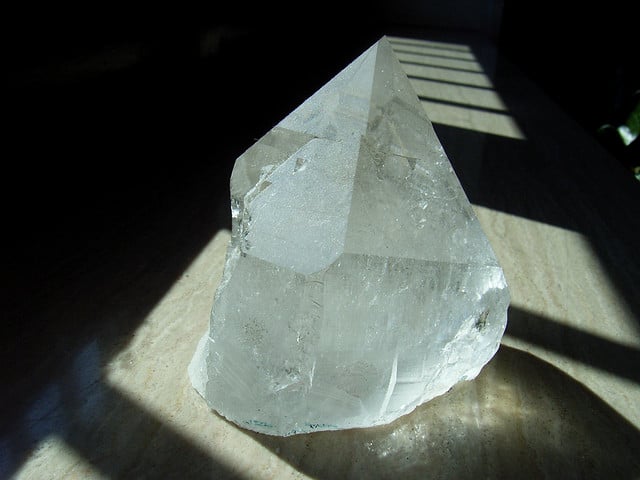
However, oxygen and silicon are also found in some uncommon gemstones. Spodumene is a gemstone mineral composed of oxygen, silicon, aluminum, and lithium (LiAlSi2O6). Lithium makes up just two thousandths of 1% of the Earth's crust.
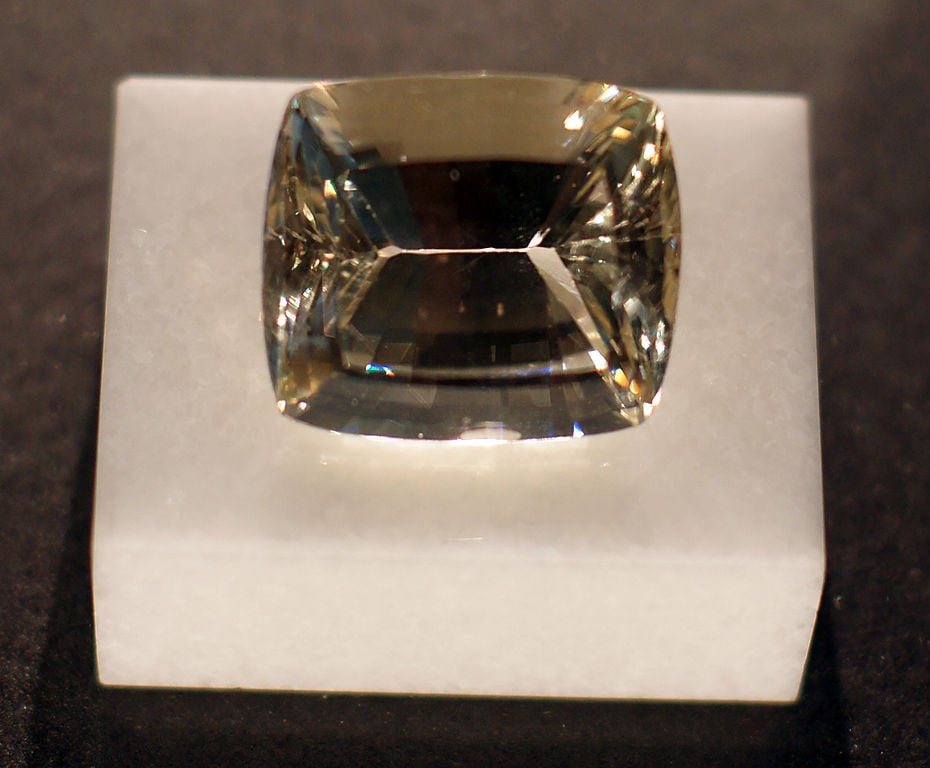
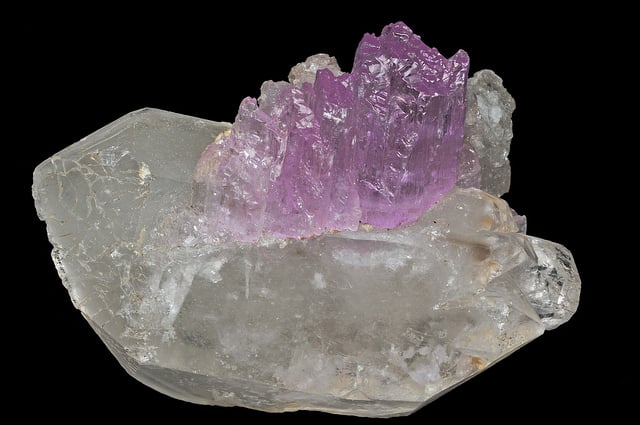
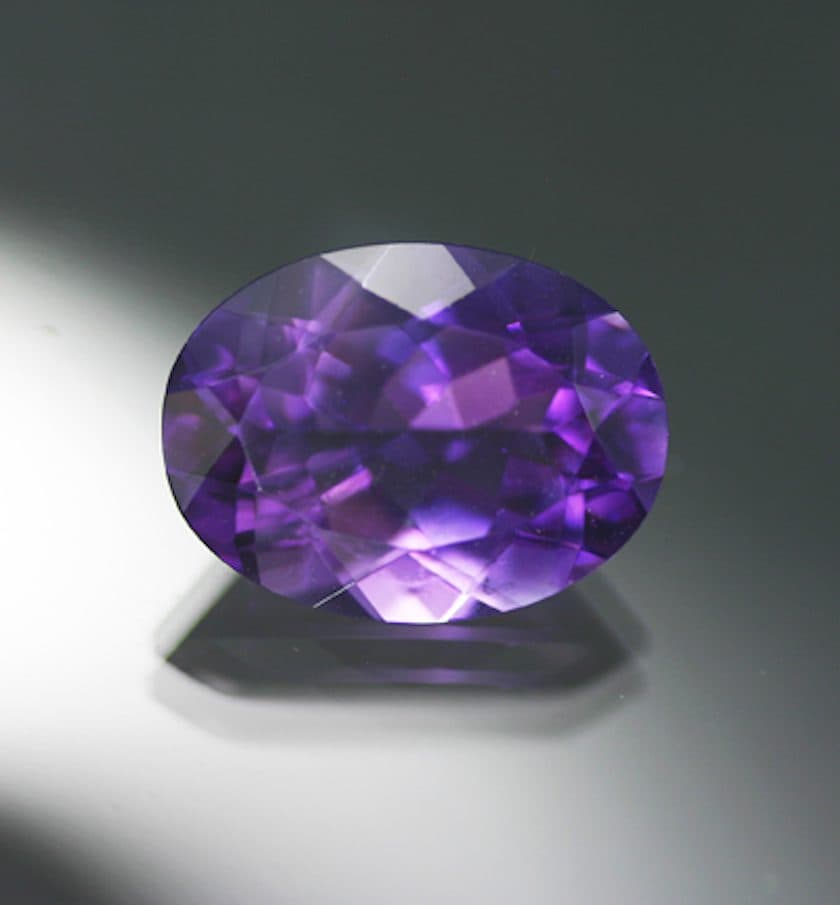
Kunzite, a pinkish variety of spodumene, gets its color from the addition of another uncommon element, manganese.
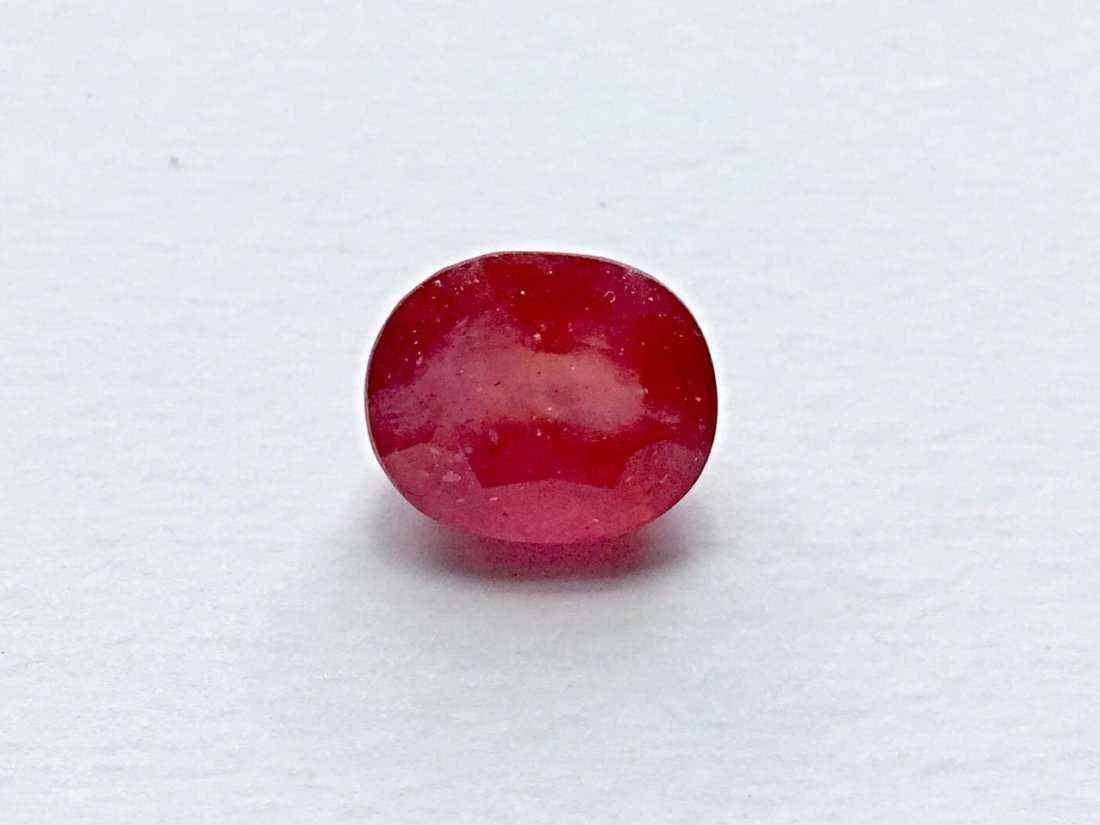
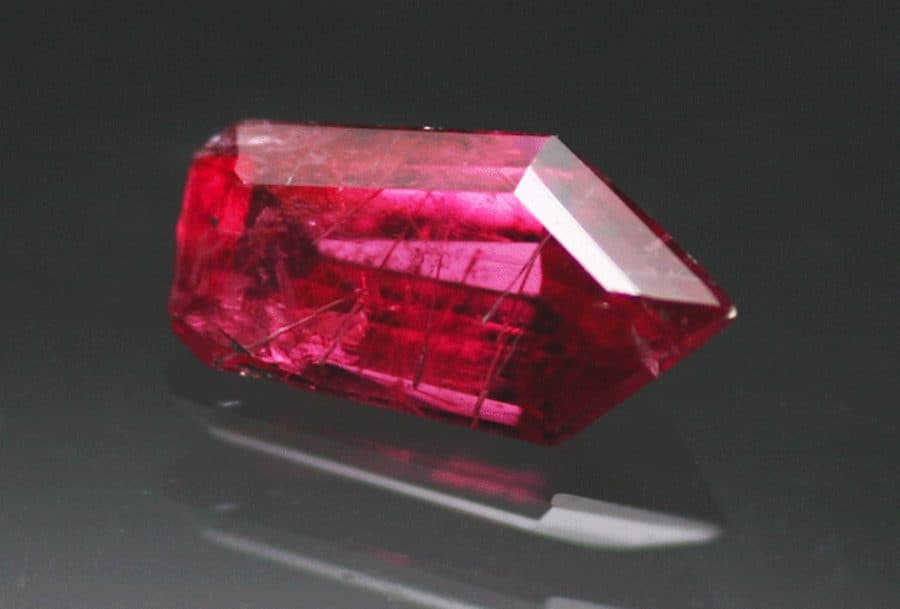
Corundum (Al2O3) is a common mineral composed of aluminum and oxygen. You'll frequently find it on sandpaper and nail files as emery. Gem-grade corundum, however, is considerably more rare, even rarer than diamonds. Corundum gems that include a rare trace of chromium are red in color. This red variety of corundum is more commonly known as ruby. Chromium is just one hundredth of 1% of the Earth's crust.
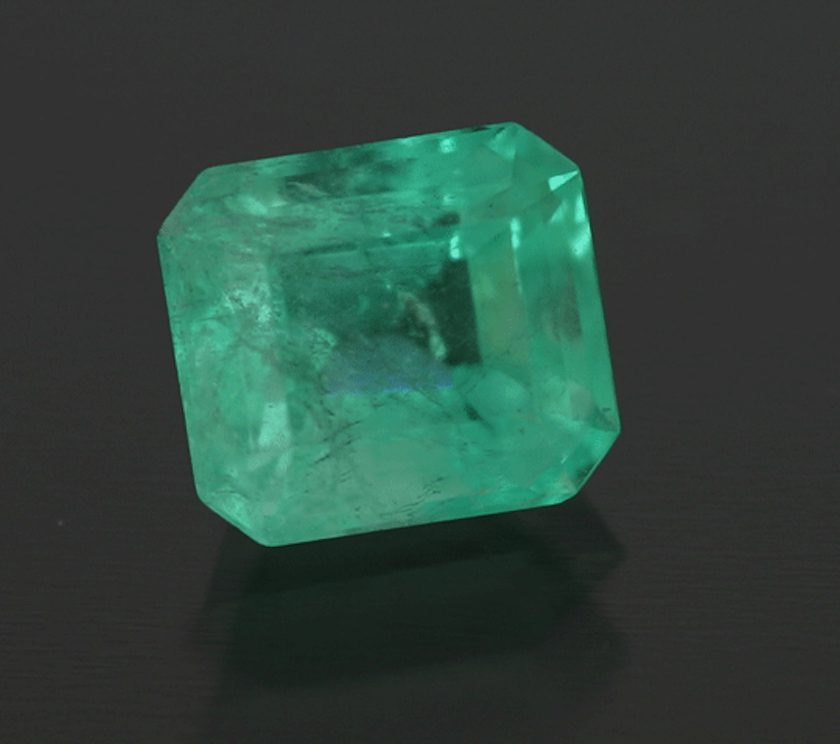
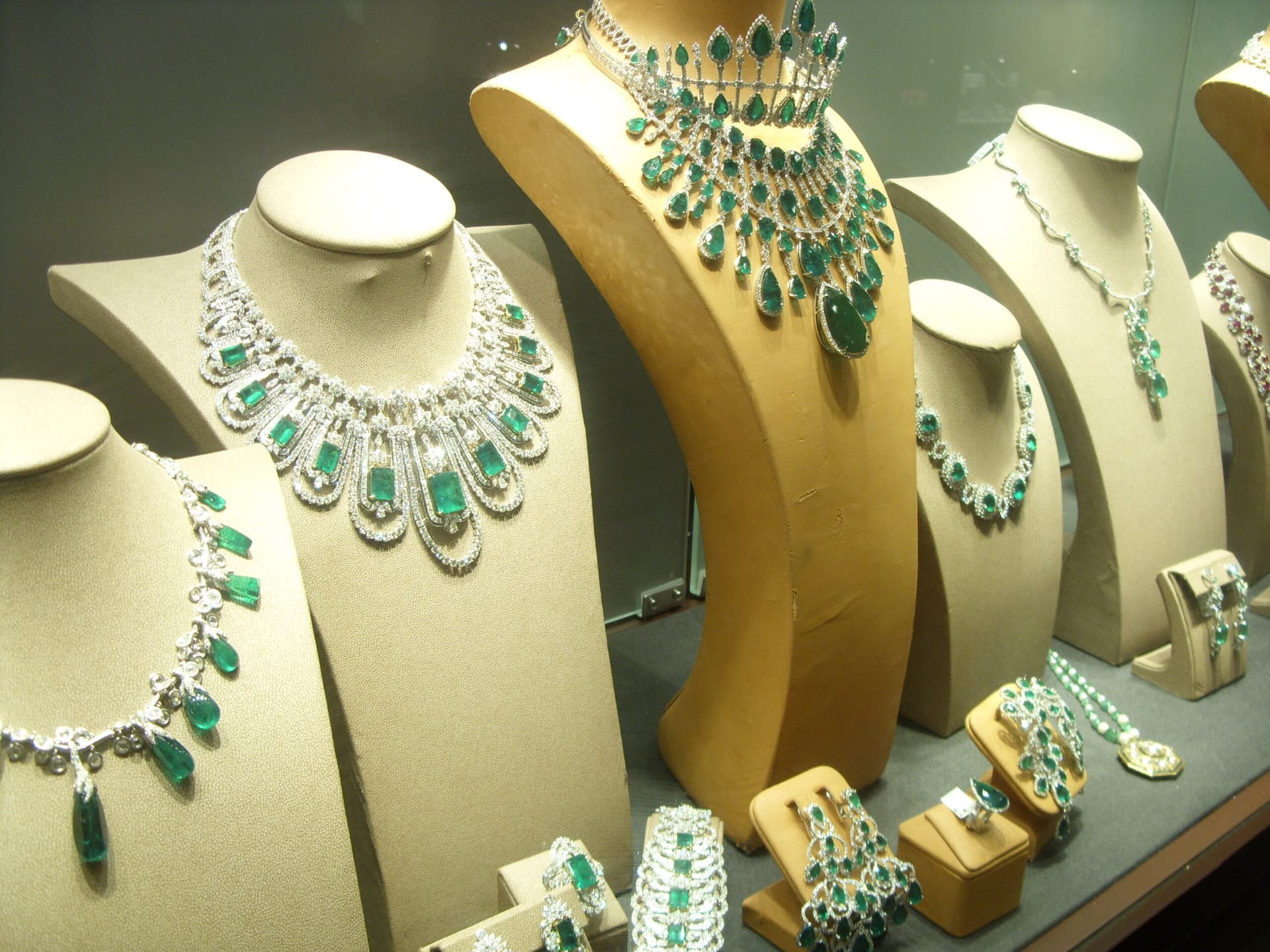
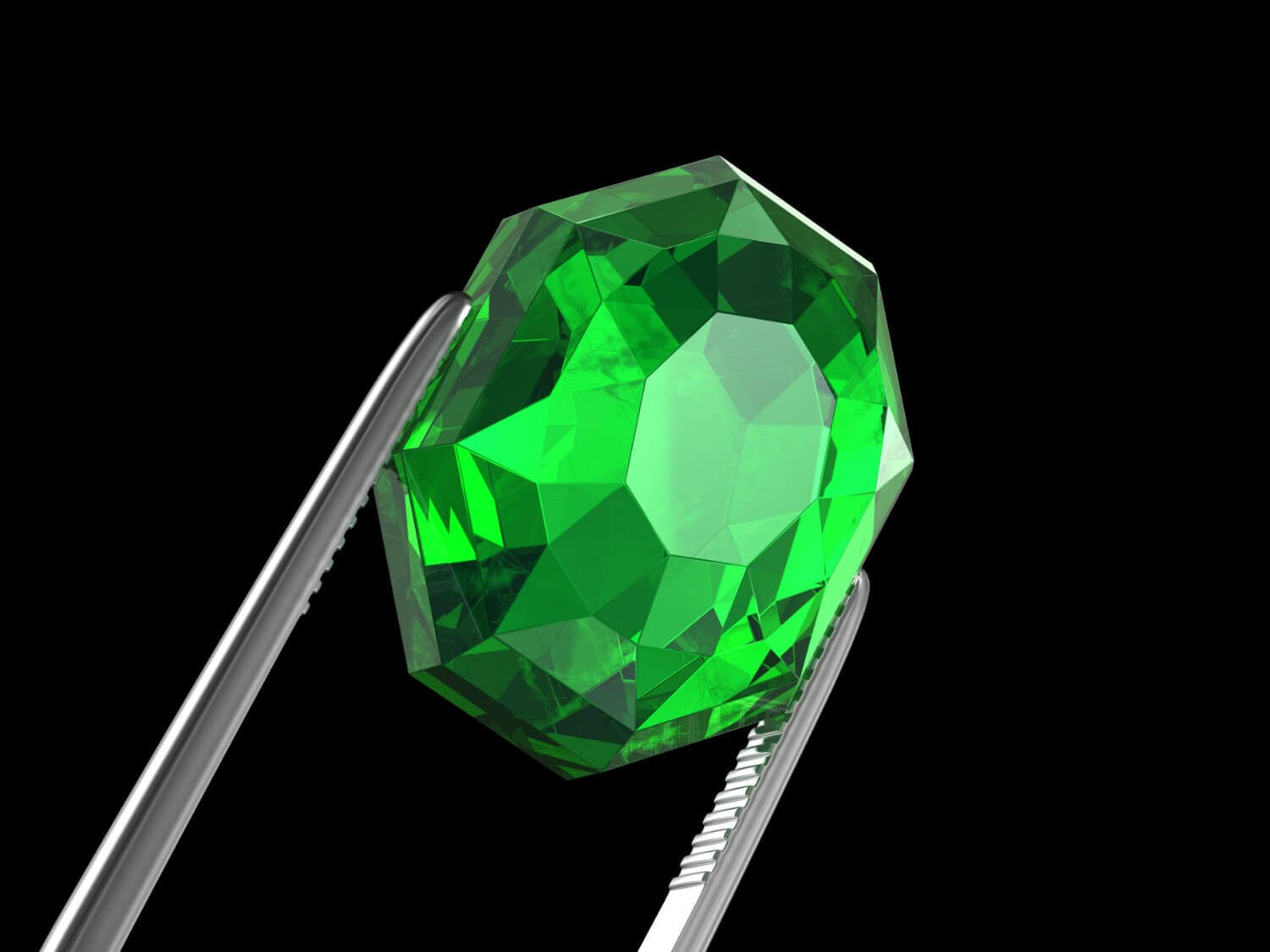
Beryllium is less than three ten-thousandths of 1% of the Earth's crust but it's a primary ingredient of beryl gemstones (Be3Al2Si6O18). With the addition of chromium, another rare element, beryl becomes emerald.
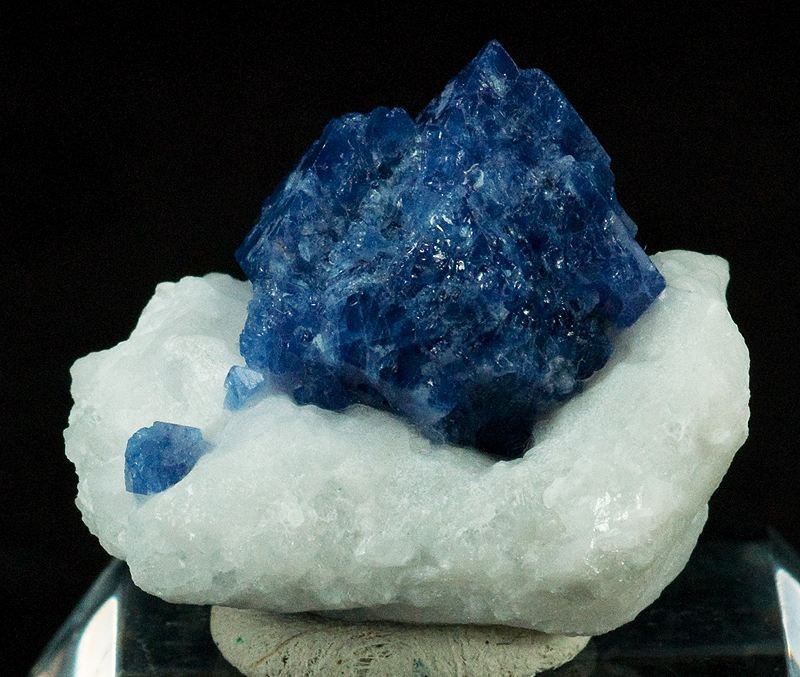
Likewise, the gem species spinel takes on a very rare cobalt blue color with the addition of cobalt, another rare element.




When you join the IGS community, you get trusted diamond & gemstone information when you need it.
Since the principal source of ingredients for gems is the rocky Earth itself, knowing the abundance of the elements that make up the minerals in the Earth's crust will help us understand why there are common and uncommon gemstones.
The following figures are estimated percentages of the Earth's crust by weight.
The eight most common elements in the crust are:
All other elements represent a mere 0.66% of the crust.
From a gemological perspective, the following uncommon elements in the Earth's crust are of particular interest:
Oxygen and silicon make up more than 74% of the Earth's crust. It's not surprising that quartz (SiO2) is one of the most common gemstone minerals.
However, oxygen and silicon are also found in some uncommon gemstones. Spodumene is a gemstone mineral composed of oxygen, silicon, aluminum, and lithium (LiAlSi2O6). Lithium makes up just two thousandths of 1% of the Earth's crust.
Kunzite, a pinkish variety of spodumene, gets its color from the addition of another uncommon element, manganese.
Corundum (Al2O3) is a common mineral composed of aluminum and oxygen. You'll frequently find it on sandpaper and nail files as emery. Gem-grade corundum, however, is considerably more rare, even rarer than diamonds. Corundum gems that include a rare trace of chromium are red in color. This red variety of corundum is more commonly known as ruby. Chromium is just one hundredth of 1% of the Earth's crust.
Beryllium is less than three ten-thousandths of 1% of the Earth's crust but it's a primary ingredient of beryl gemstones (Be3Al2Si6O18). With the addition of chromium, another rare element, beryl becomes emerald.
Likewise, the gem species spinel takes on a very rare cobalt blue color with the addition of cobalt, another rare element.