
Gem species are mineral species prized for their durability and beauty. Learn how chemical formulas and crystal structures define species and what causes gem variations, such as colors and optical phenomena.
4 Minute Read
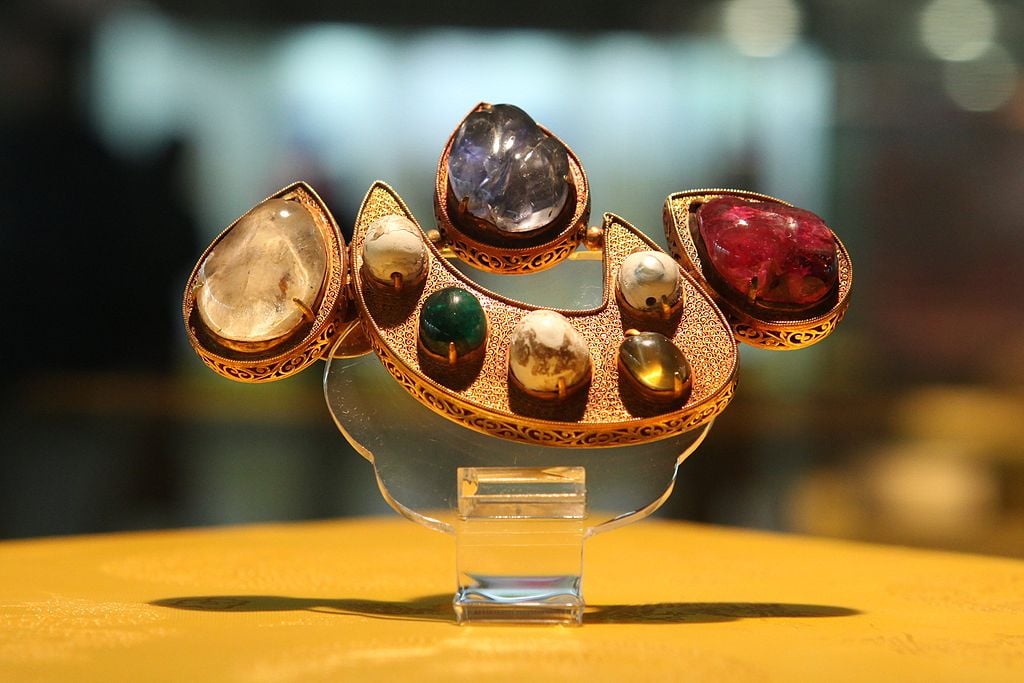
Two factors define a mineral species: its chemical make-up and crystal habit.
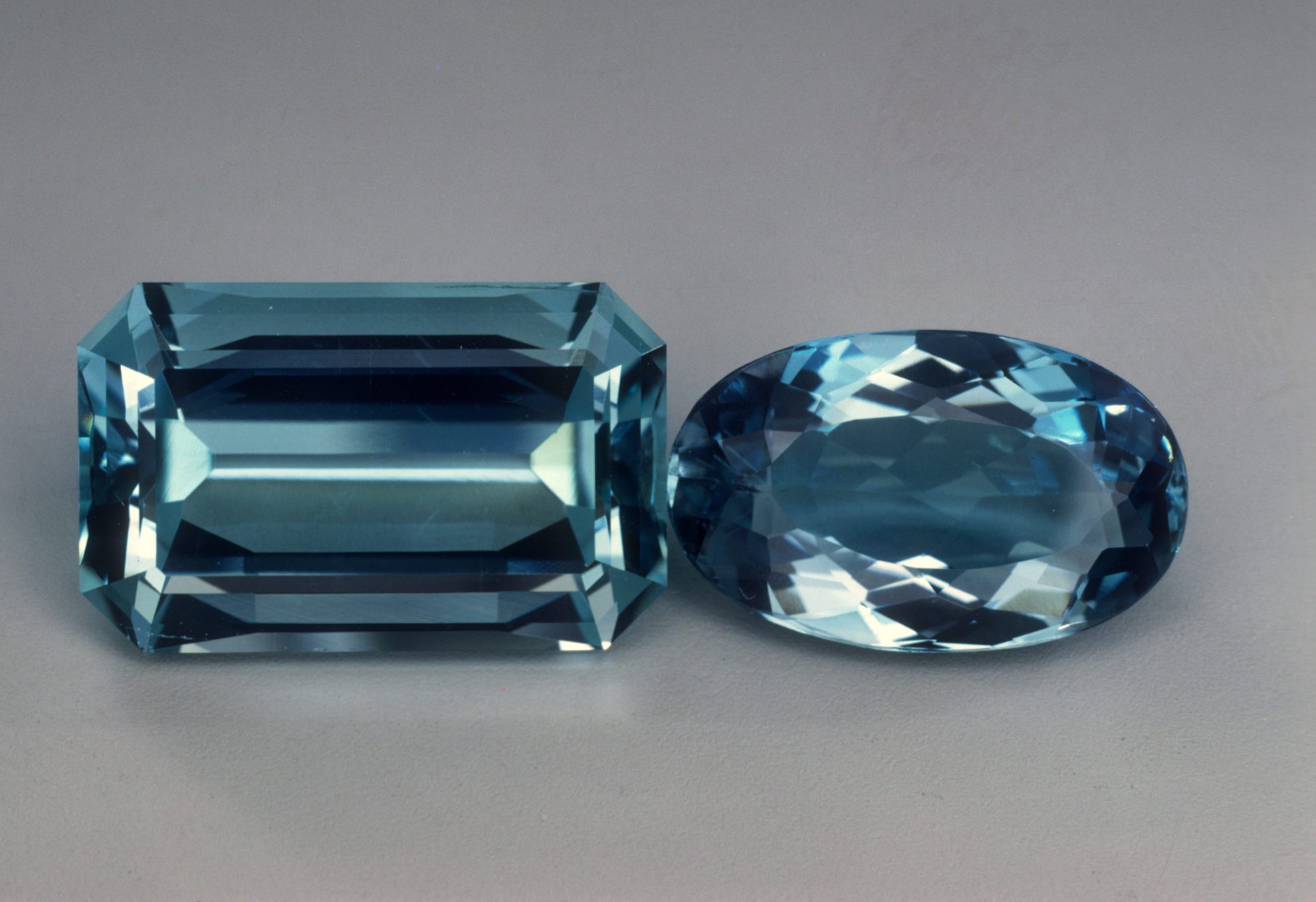
For example, the mineral beryl has the chemical formula: Be3Al2Si6O18. That means each molecule of beryl contains 3 beryllium, 2 aluminum, 6 silicon, and 18 oxygen atoms. Now, combine the chemistry with a hexagonal crystal structure and you have the definition of the beryl species.
The beryl species includes such well-known gemstones as aquamarines, emeralds, and morganites. That means humans have prized these beryls, which we consider gemstones. So, gem species are mineral species, defined by their chemistry and crystal structure, which humans have prized for beauty and adornment.
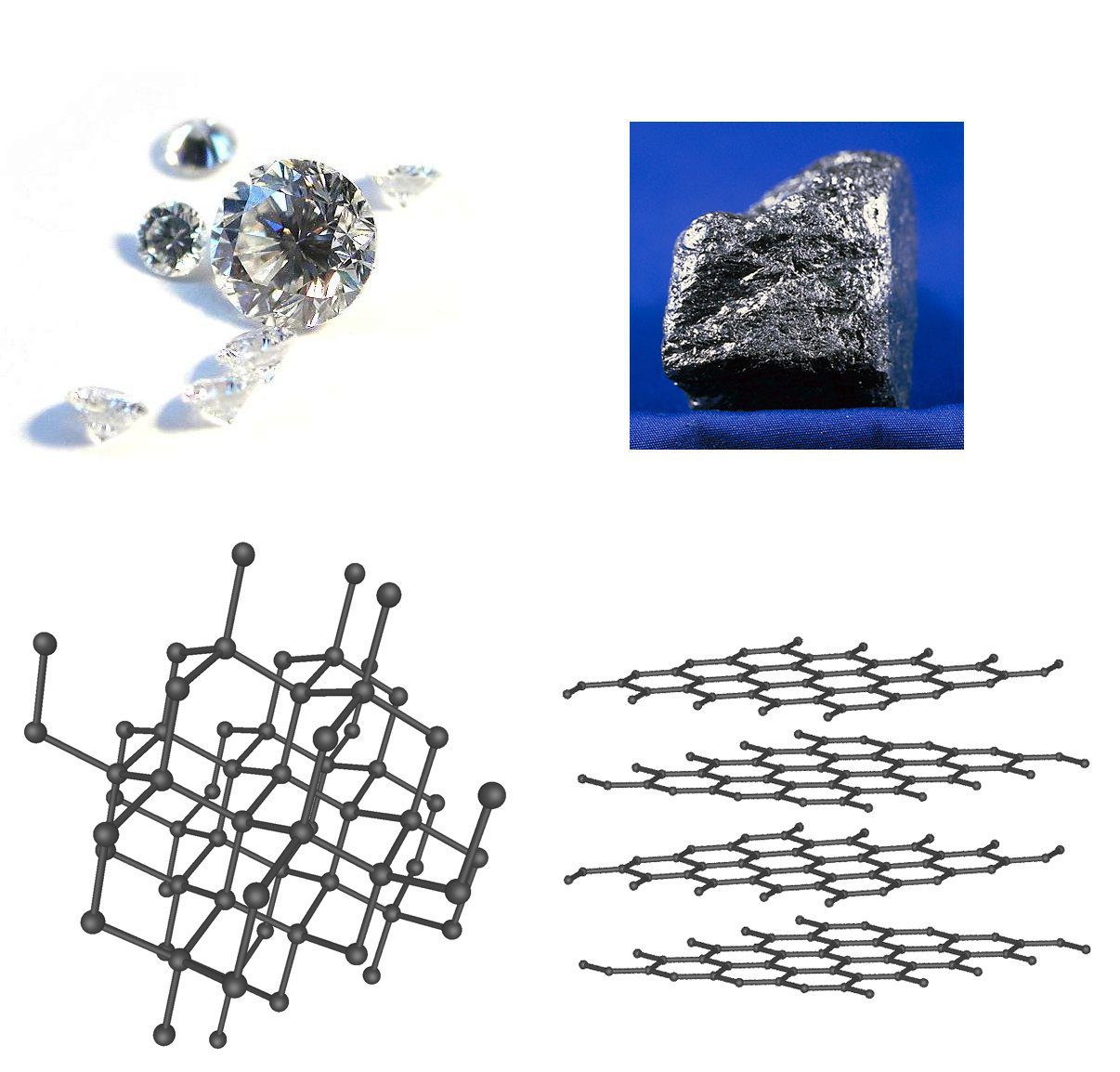
Two minerals may share the same chemical formula but have different physical properties. For example, diamond and graphite both have the same chemical make up: C. A molecule of either mineral is just a single carbon atom. However, diamonds are the hardest substance on the Mohs scale (10). Graphite, on the other hand, is the very soft stuff (1-2) from which pencil leads are made.
You have to consider how those atoms align with each other to show how they differ. Diamond has an isometric crystal structure. Its carbon atoms are arranged in a very stable tetrahedron pattern. Each carbon atom bonds to four other carbon atoms, which accounts for diamond's hardness. Graphite has a hexagonal crystal structure. Its carbon atoms are arranged in a less stable "chicken wire" pattern, which contributes to its softness.
To define a mineral species, and a gemstone species, you must consider both chemistry and crystal structure.
Please note, not all gems with isometric structures have the hardness of diamond, nor do all gems with hexagonal structures have the softness of graphite. For example, villiaumite is an isometric gem with a hardness of 2. Many factors contribute to hardness and other physical properties.
Beryls and diamonds are very well-known gemstone species. (Few people would probably consider graphite a gemstone). Other examples of gem species include corundum, quartz, opal, spodumene, and tourmaline.
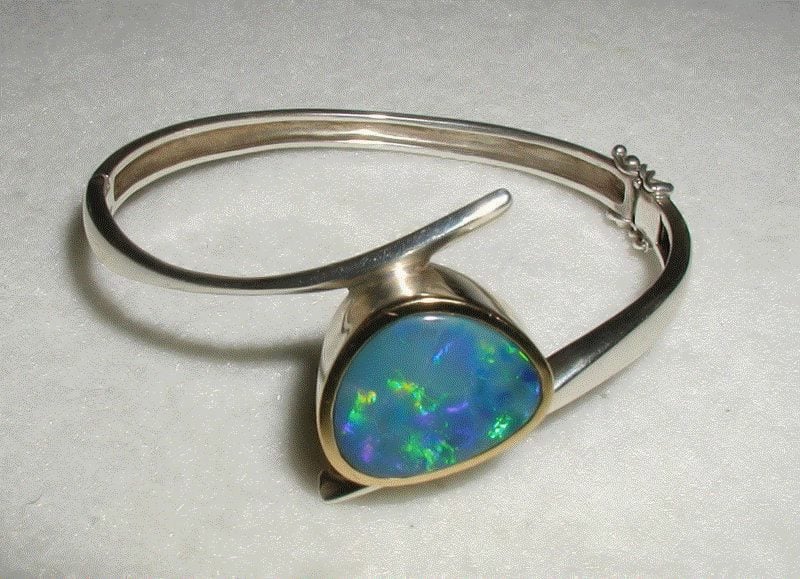
A variety of gemstone has special coloring or features. Gemologists and gem enthusiasts distinguish the members of species with unique colors or optical characteristics because those qualities contribute to their appeal.
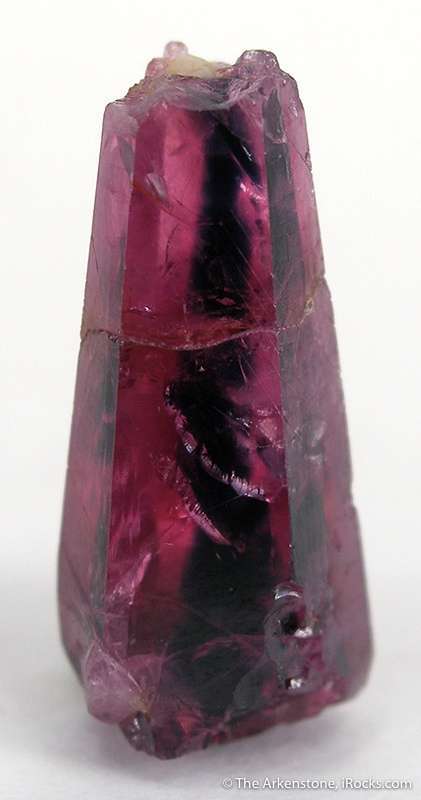
Most minerals that people consider gems are colorless in their pure state. Trace elements find their way into these crystals as they form underground. These "impurities" contribute to the color of the gems. (This occurs because these elements absorb certain portions of the light that enters the gem, which affects the non-absorbed light we see as the gem's color). Gems colored by trace elements are known as allochromatic.
Few allochromatic gems occur in a completely pure state. For example, the gem species corundum is colorless in its pure state. However, add a bit of iron and titanium and you have a blue sapphire. Chromium creates a red ruby. Ruby and sapphire are varieties of the corundum gem species. They have the same chemistry and crystal structure as all corundum. (Rubies are the red variety of corundum. All other color variations of corundum, including blue, are sapphires).
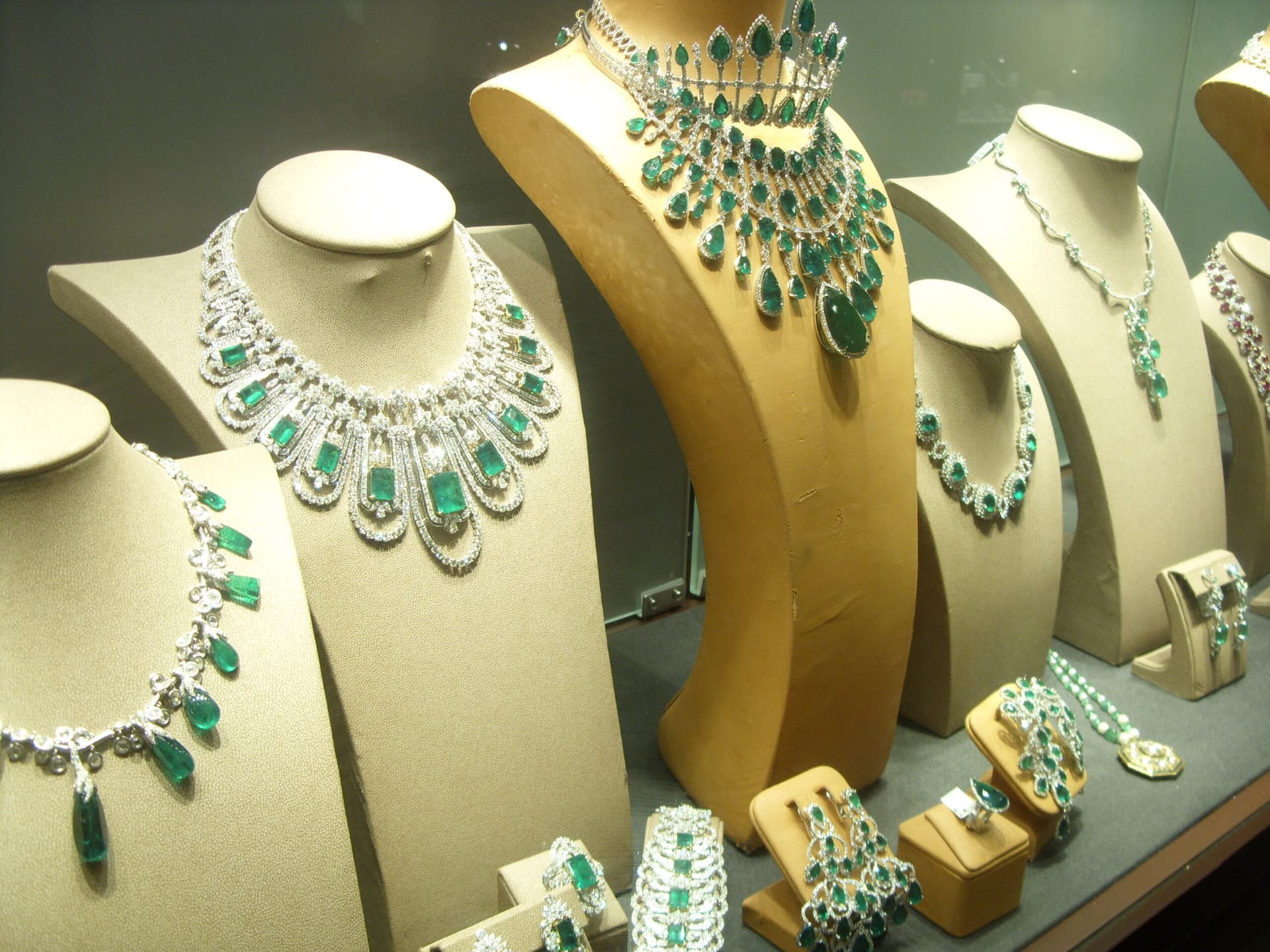
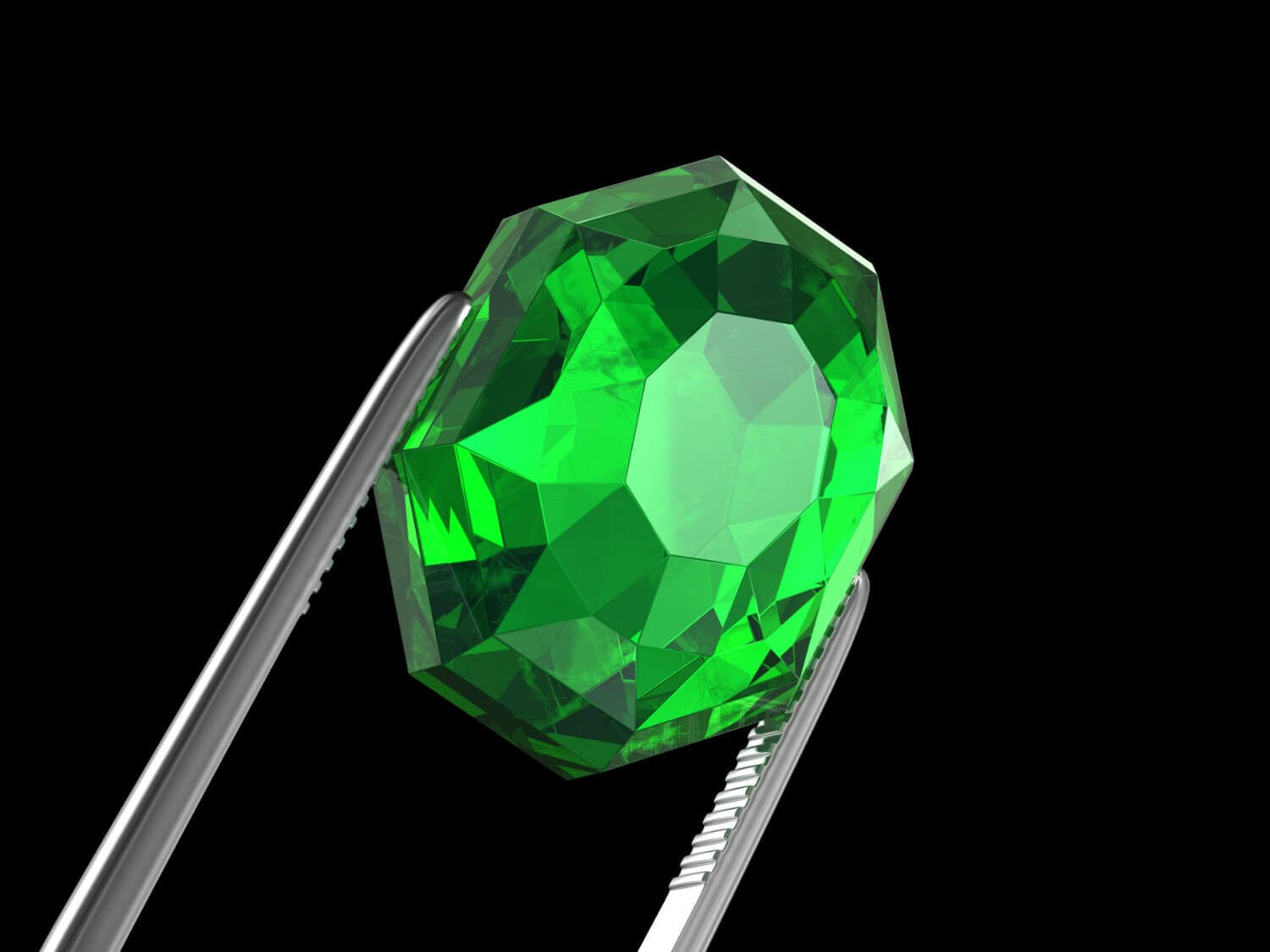
Different color varieties of a gem species can have very different commercial values. Take the beryl species. Pure beryl is called goshenite. It's colorless and not very appealing. However, add a bit of iron and you have the blue-green beryl variety, aquamarine, a highly desired gemstone. If, instead of iron, you have a bit of chromium in a beryl, it becomes a deep green emerald. That beryl variety is even more valuable. (Read this article to learn more about the trace elements found in rare gemstones).
Please note, the presence of the same trace element in different gems doesn't mean the stones will have the same color. For example, chromium in corundum creates a red ruby, but chromium in beryl creates a green emerald. Many factors contribute to the color we see in a gemstone.
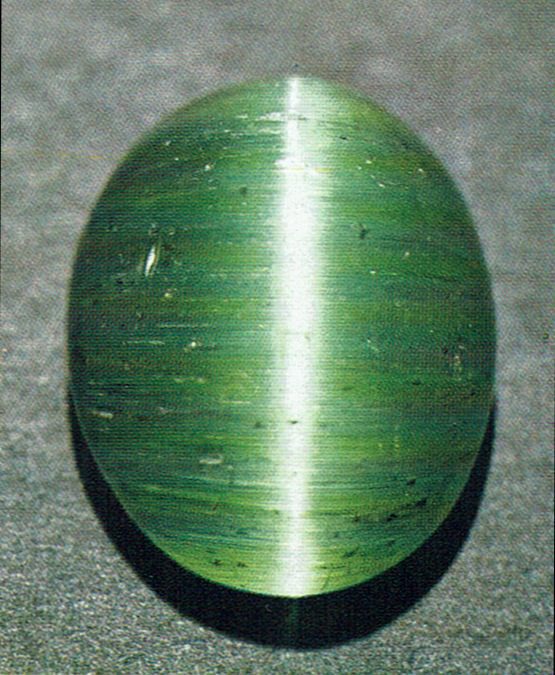
Sometimes, optical features distinguish gem varieties. For example, some gem species include varieties with phenomenal effects, such as chatoyancy, asterism, or color change.
Chatoyancy is a sheen that, in some gems, creates a striking "cat's eye" effect.
When used by itself as a gemstone name, the term "cat's eye" refers to the chatoyant variety of the gem species chrysoberyl. However, other gem species also have cat's eye varieties. Gemologists refer to them by their species name. For example, cat's eye moonstone and cat's eye tourmaline are varieties of those gems.
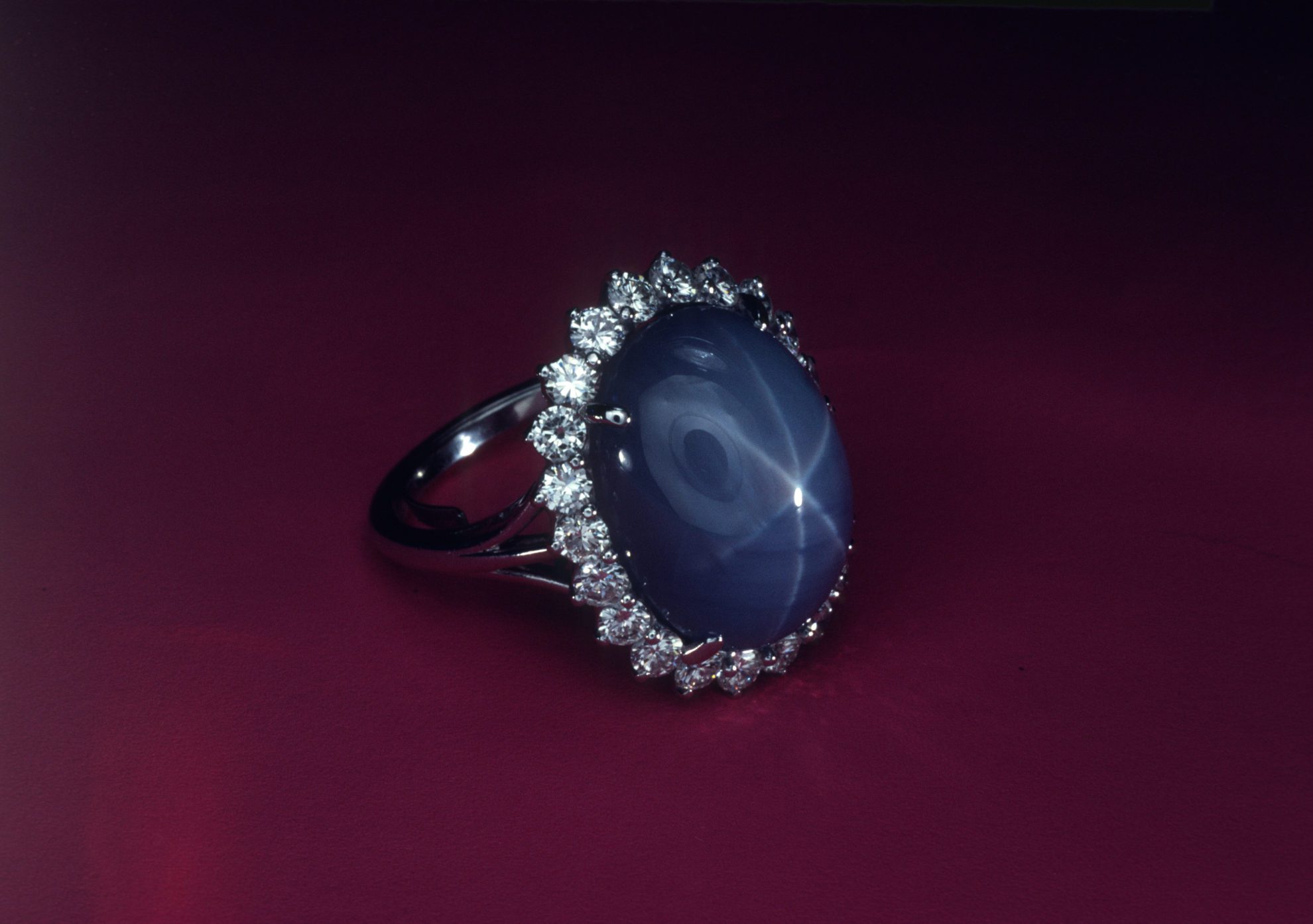
Gems that show asterism display a beautiful 4, 6, or 12-rayed star effect flashing across their surface.
These "star stones" are special varieties of their species and usually command high values. In some cases, as with star sapphires, these are varieties of a variety of a gem species!
A few gems exhibit color change. These gems change color depending on the type of light that illuminates them.
For example, alexandrite, perhaps the best known and most expensive color change gem, appears green by sunlight but red by incandescent light. Alexandrite is the color change variety of the chrysoberyl gem species. Garnets, sapphires, and tourmalines also have color change varieties.
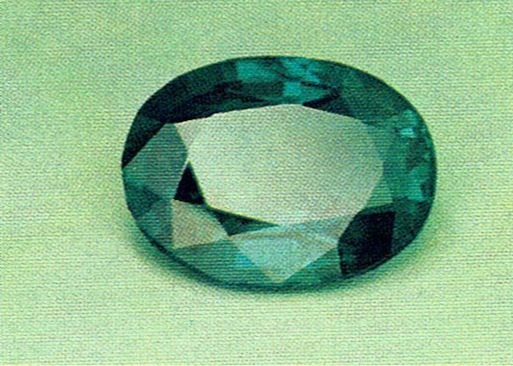
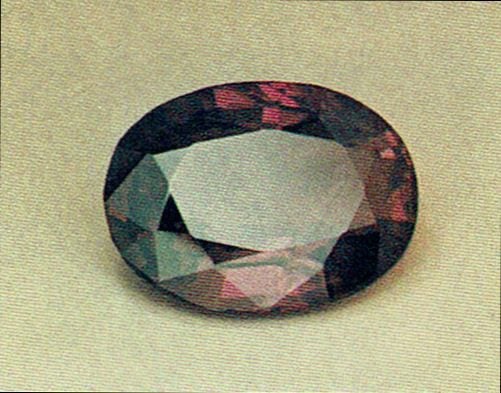
Chrysoberyl: Alexandrite, Russia (~ 6). Green (daylight) and red (incandescent). © Joel E. Arem, PhD, FGA. Used with permission.




When you join the IGS community, you get trusted diamond & gemstone information when you need it.
Two factors define a mineral species: its chemical make-up and crystal habit.
For example, the mineral beryl has the chemical formula: Be3Al2Si6O18. That means each molecule of beryl contains 3 beryllium, 2 aluminum, 6 silicon, and 18 oxygen atoms. Now, combine the chemistry with a hexagonal crystal structure and you have the definition of the beryl species.
The beryl species includes such well-known gemstones as aquamarines, emeralds, and morganites. That means humans have prized these beryls, which we consider gemstones. So, gem species are mineral species, defined by their chemistry and crystal structure, which humans have prized for beauty and adornment.
Two minerals may share the same chemical formula but have different physical properties. For example, diamond and graphite both have the same chemical make up: C. A molecule of either mineral is just a single carbon atom. However, diamonds are the hardest substance on the Mohs scale (10). Graphite, on the other hand, is the very soft stuff (1-2) from which pencil leads are made.
You have to consider how those atoms align with each other to show how they differ. Diamond has an isometric crystal structure. Its carbon atoms are arranged in a very stable tetrahedron pattern. Each carbon atom bonds to four other carbon atoms, which accounts for diamond's hardness. Graphite has a hexagonal crystal structure. Its carbon atoms are arranged in a less stable "chicken wire" pattern, which contributes to its softness.
To define a mineral species, and a gemstone species, you must consider both chemistry and crystal structure.
Please note, not all gems with isometric structures have the hardness of diamond, nor do all gems with hexagonal structures have the softness of graphite. For example, villiaumite is an isometric gem with a hardness of 2. Many factors contribute to hardness and other physical properties.
Beryls and diamonds are very well-known gemstone species. (Few people would probably consider graphite a gemstone). Other examples of gem species include corundum, quartz, opal, spodumene, and tourmaline.
A variety of gemstone has special coloring or features. Gemologists and gem enthusiasts distinguish the members of species with unique colors or optical characteristics because those qualities contribute to their appeal.
Most minerals that people consider gems are colorless in their pure state. Trace elements find their way into these crystals as they form underground. These "impurities" contribute to the color of the gems. (This occurs because these elements absorb certain portions of the light that enters the gem, which affects the non-absorbed light we see as the gem's color). Gems colored by trace elements are known as allochromatic.
Few allochromatic gems occur in a completely pure state. For example, the gem species corundum is colorless in its pure state. However, add a bit of iron and titanium and you have a blue sapphire. Chromium creates a red ruby. Ruby and sapphire are varieties of the corundum gem species. They have the same chemistry and crystal structure as all corundum. (Rubies are the red variety of corundum. All other color variations of corundum, including blue, are sapphires).
Different color varieties of a gem species can have very different commercial values. Take the beryl species. Pure beryl is called goshenite. It's colorless and not very appealing. However, add a bit of iron and you have the blue-green beryl variety, aquamarine, a highly desired gemstone. If, instead of iron, you have a bit of chromium in a beryl, it becomes a deep green emerald. That beryl variety is even more valuable. (Read this article to learn more about the trace elements found in rare gemstones).
Please note, the presence of the same trace element in different gems doesn't mean the stones will have the same color. For example, chromium in corundum creates a red ruby, but chromium in beryl creates a green emerald. Many factors contribute to the color we see in a gemstone.
Sometimes, optical features distinguish gem varieties. For example, some gem species include varieties with phenomenal effects, such as chatoyancy, asterism, or color change.
Chatoyancy is a sheen that, in some gems, creates a striking "cat's eye" effect.
When used by itself as a gemstone name, the term "cat's eye" refers to the chatoyant variety of the gem species chrysoberyl. However, other gem species also have cat's eye varieties. Gemologists refer to them by their species name. For example, cat's eye moonstone and cat's eye tourmaline are varieties of those gems.
Gems that show asterism display a beautiful 4, 6, or 12-rayed star effect flashing across their surface.
These "star stones" are special varieties of their species and usually command high values. In some cases, as with star sapphires, these are varieties of a variety of a gem species!
A few gems exhibit color change. These gems change color depending on the type of light that illuminates them.
For example, alexandrite, perhaps the best known and most expensive color change gem, appears green by sunlight but red by incandescent light. Alexandrite is the color change variety of the chrysoberyl gem species. Garnets, sapphires, and tourmalines also have color change varieties.
Chrysoberyl: Alexandrite, Russia (~ 6). Green (daylight) and red (incandescent). © Joel E. Arem, PhD, FGA. Used with permission.