
Jewelry designers and consumers can pick from many different gem settings. Learn the names and uses of common and speciality settings for any type of stone.
5 Minute Read
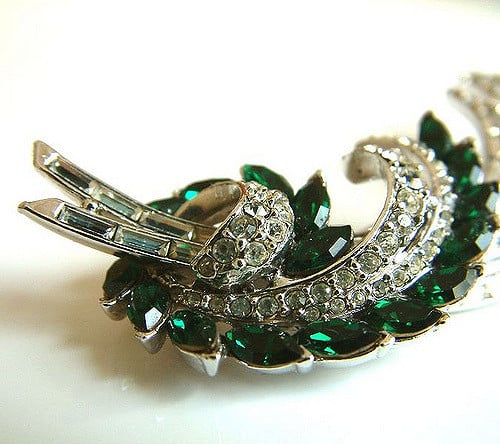
Since some parts are unique to specific types of jewelry, each type will be discussed in detail in our Jewelry Nomenclature series. First, a brief explanation of parts and pieces found in several different jewelry types is in order.
Each piece of jewelry may be cast as a single piece or assembled from separate components. Individual pieces that can be used to create jewelry are called findings. This includes clasps, bails, metal loops, and stringing material for threading beads.
If you have an unfinished ring, brooch, pendant, or other item with a place to hold a gem, it's referred to as a setting.
After a gem has been mounted in the setting, the jewelry piece is referred to by its name. For example, an unfinished pendant is called a setting. After the stone has been added, you would simply call it a pendant.
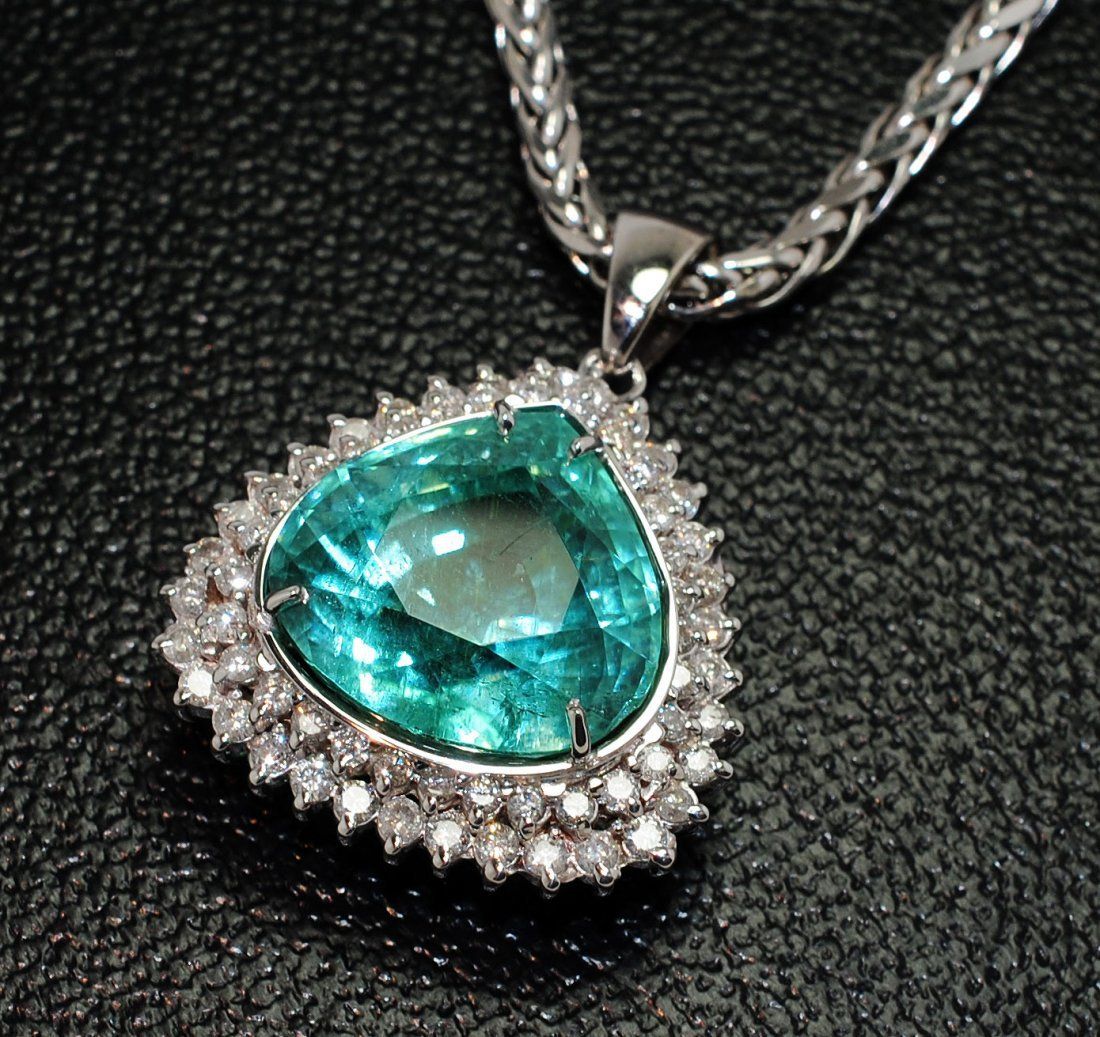
There are quite a few different types of gem settings for bracelets, rings, necklaces, pendants, and earrings. The setting you'll use for any given jewelry piece depends on what type of jewelry you wish to make and the type, size, and finish of the stone you wish to use.
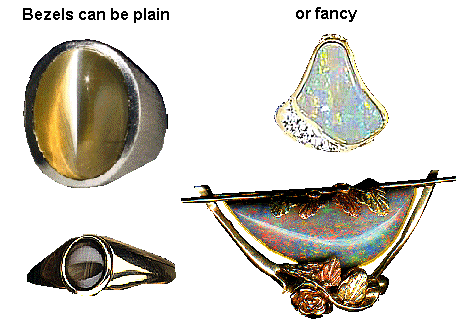
A bezel setting is essentially a metal band that wraps around a stone. A bezel setting is stronger and more secure than a prong or channel setting but doesn't let as much light through the gemstone. This reduces its brilliance and may affect its appeal. Bezel settings are typically used with cabochons, which are polished but not faceted stones.
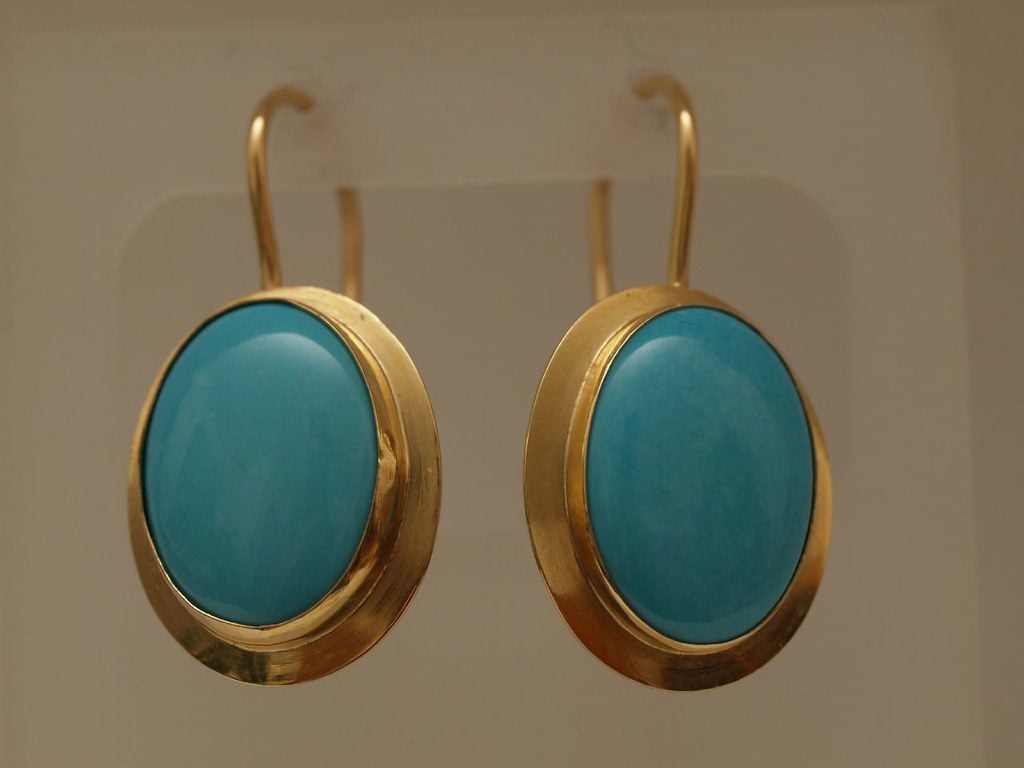
Sometimes jewelers also use bezel settings with smaller, less perfect stones to make their imperfections less noticeable. The majority of bezel settings are handmade to fit specific stones, although you can order bezel cups in a variety of standard sizes.
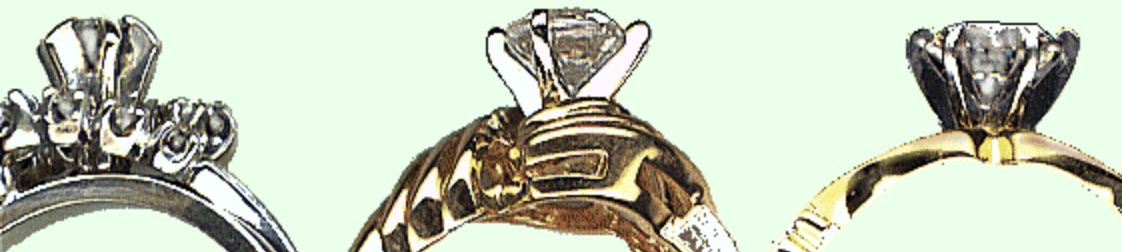
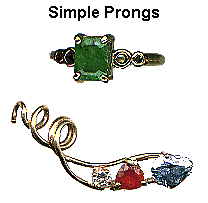 A prong setting has three or more metal tines, or prongs, that stick up and hold the gemstone in place. Gem settings that contain prongs are called heads. Jewelry makers can solder or weld a head onto a piece of jewelry, such as a ring or pendant, for gemstone mounting. Heads come in the same shapes as the gems they hold and must be the right size. Otherwise, the stones may fall out or not fit into the prong setting at all.
Prong settings are incredibly versatile and can be as simple or elaborate as the designer wants. Jewelers typically use them with faceted gemstones, since the prongs will allow light in and hold the gems securely.
Although prong settings can hold pearls, these typically round organic gems can spin in the settings, causing surface damage. To prevent this, jewelers often glue pearls in prong settings to keep them in place.
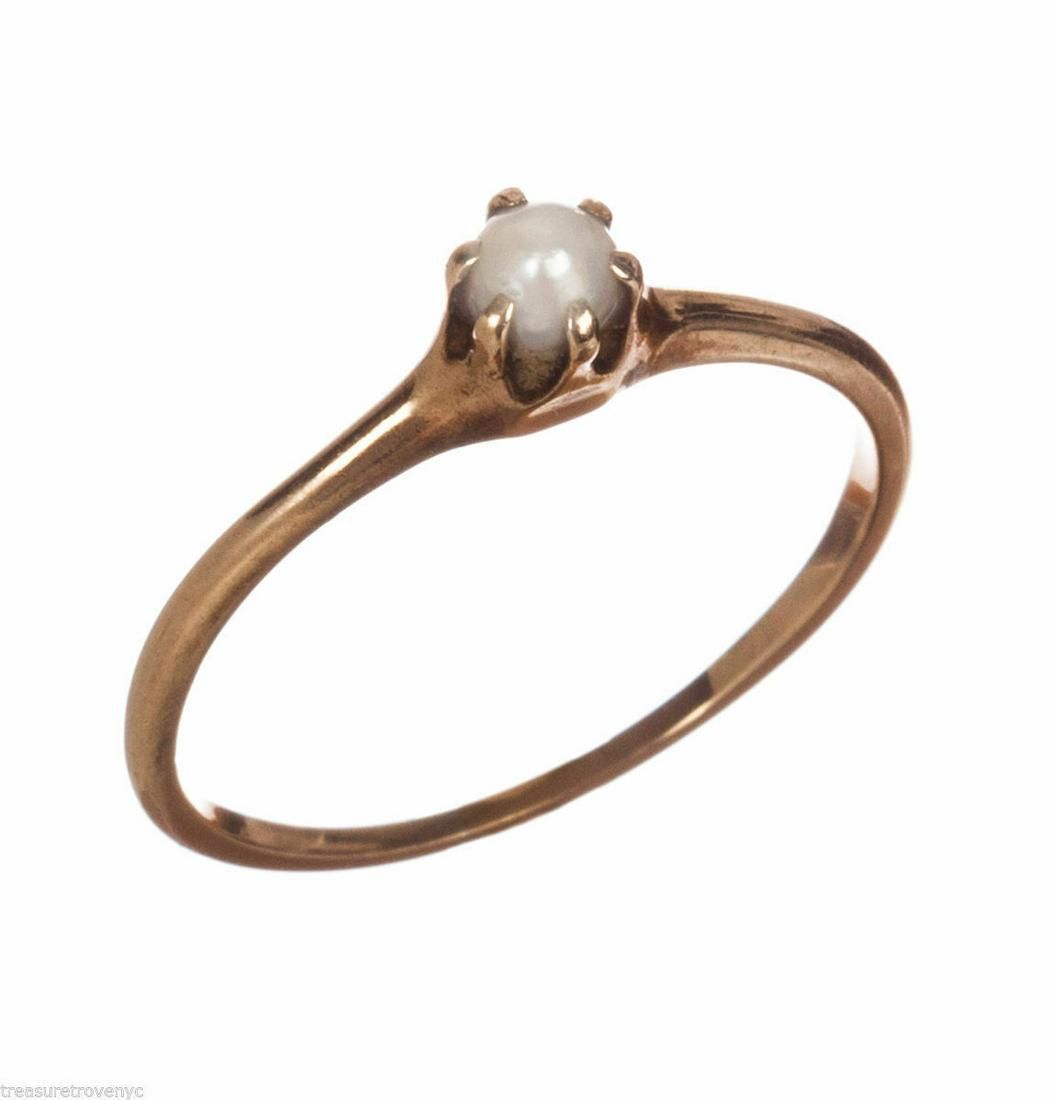
Prong heads can hold a single stone or many. They can be solid or simply wire baskets that hold one or more stones in place. When jewelry shopping, however, keep in mind that gem settings with more metal are stronger, especially if you plan to wear a jewelry item daily. Prong settings used in rings, especially wedding and engagement rings, are stronger than other prong settings because they must be able to withstand daily wear and tear.
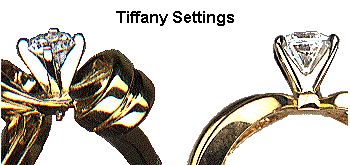
Jewelers often use Tiffany settings, a newer style of prong setting, in engagement and wedding rings. This head puts more space between the stone and the rest of the ring and allows the gemstone to really sparkle.
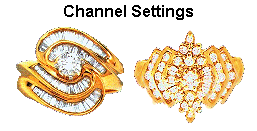 A channel setting can be one of the most beautifully designed gem settings for rings. This style aligns several gems in a row. Jewelry makers place stones inside channels cut lengthwise into a ring. The channel edges overlap the gems.
Unfortunately, channel settings are not as secure as other settings and are prone to losing gems. For example, lifting a heavy suitcase can cause enough bend in a ring for the stones to pop out. If you choose a channel setting, make sure it has substantial metal both in the band and around the stones to make it as secure as possible.
Settings created specifically for smaller stones are often designed to make the gems look bigger. These flattering settings are a great way to add sparkle to your wardrobe on a budget.
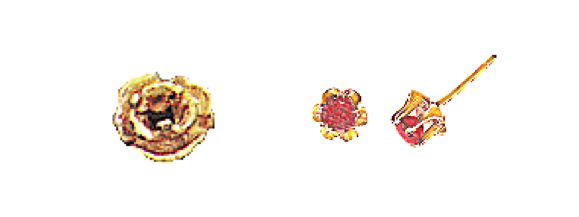
These settings resemble flowers, as their names suggest, and really highlight smaller gems.
You'll find these types of settings most often in earrings and pendants.
 An illusion setting is a small stone setting that's used to mount a small gem into a larger setting.
Although not often seen in new jewelry, these settings are a great way to keep a favorite piece of jewelry by refitting it with a different gem that's smaller than the original gem. It also makes a small gem appear larger.
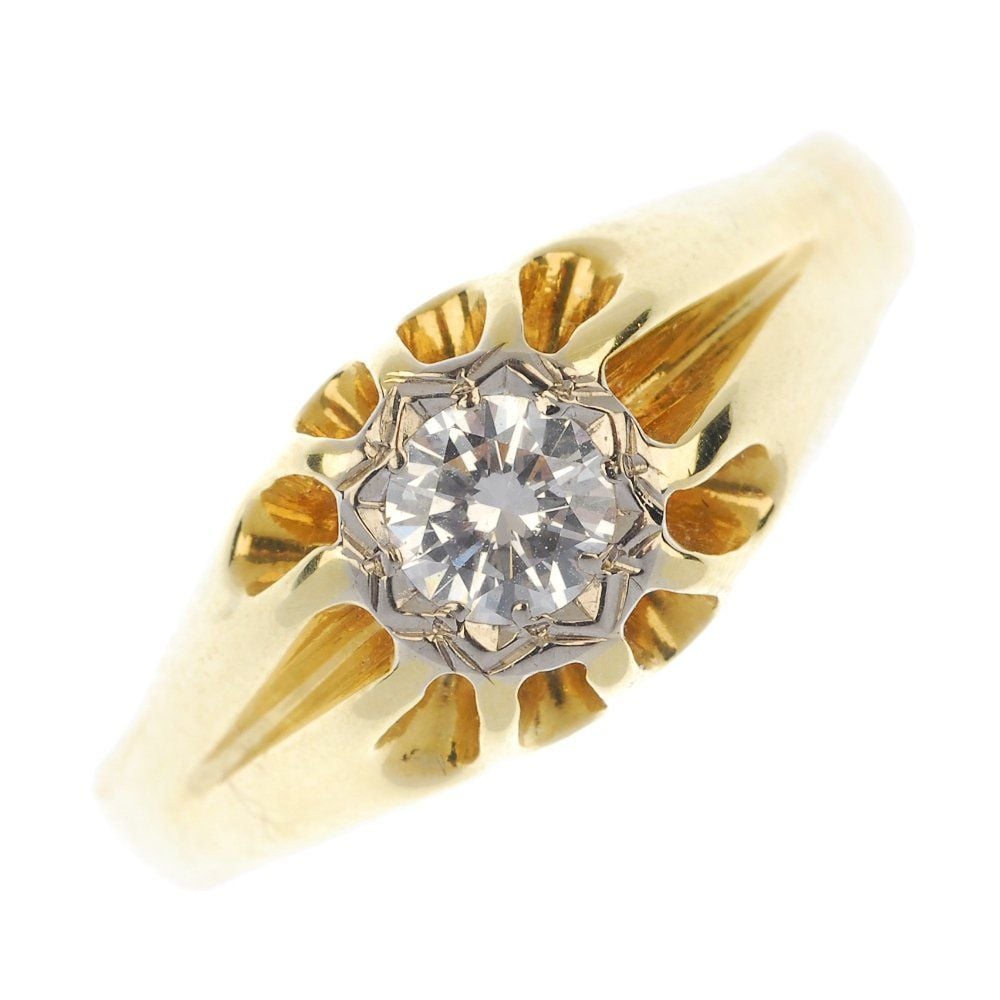
 A bar setting is usually made of platinum or white gold. The shiny, angled surfaces of this setting enhance the gem and make it appear larger.
You'll see these gem settings most often in men's jewelry.
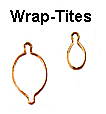 Similar in style to the bezel setting, the wrap-tite setting fits around the stone's girdle to hold it firmly. These settings have a loop on one or both ends to attach them to bracelets, necklaces, and earrings.
While they offer a unique shape and style, wrap-tite settings aren't as secure as other setting types. You may not want to use them on expensive gemstones.
Some settings are actually techniques rather than components.
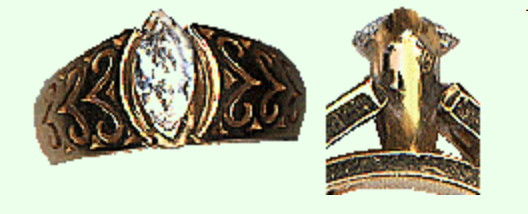
Since marquise-cut stones have sharp tips, their settings are specially designed to protect the tips.
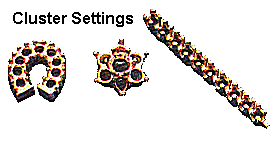 Cluster settings are designed to house three or more stones. The tennis bracelet is a prime example of this type.
Jewelers use cluster settings to create not only bracelets and necklaces but also unique earrings and pendants in a variety of styles.
Sometimes called a "gypsy setting," this is an ancient technique. The jewelry maker casts a simple ring, then cuts the excess metal away to hold the gem. This setting will have the stone flush with the ring's surface.

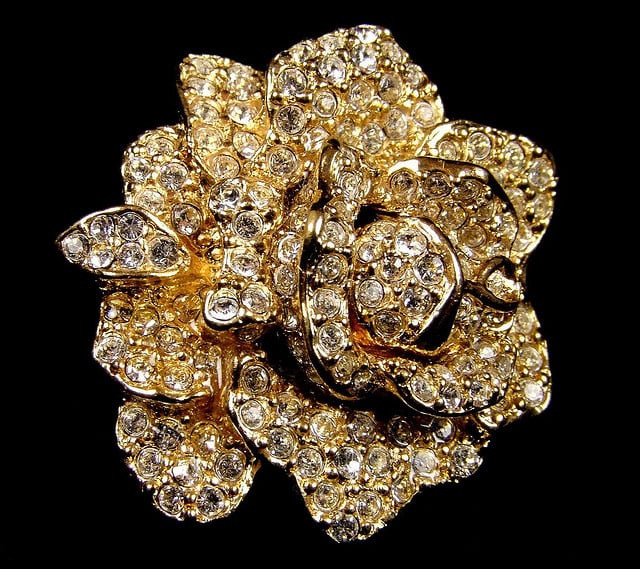
Pavé means to pave, as in laying cobblestones close together. A pavé piece is one of the most difficult gem settings to create. Only the best jewelry makers can do it well.
In this setting, the jewelry maker drills holes slightly smaller than the diameters of the gems' girdles into the metal and then places the stones inside these holes. Next, small prongs of gold are raised and pressed over the girdles of the gems using a V-shaped chisel.
When done properly, this setting creates a stunning effect. Light will reflect off all the tables in a row simultaneously.



When you join the IGS community, you get trusted diamond & gemstone information when you need it.
Since some parts are unique to specific types of jewelry, each type will be discussed in detail in our Jewelry Nomenclature series. First, a brief explanation of parts and pieces found in several different jewelry types is in order.
Each piece of jewelry may be cast as a single piece or assembled from separate components. Individual pieces that can be used to create jewelry are called findings. This includes clasps, bails, metal loops, and stringing material for threading beads.
If you have an unfinished ring, brooch, pendant, or other item with a place to hold a gem, it's referred to as a setting.
After a gem has been mounted in the setting, the jewelry piece is referred to by its name. For example, an unfinished pendant is called a setting. After the stone has been added, you would simply call it a pendant.
There are quite a few different types of gem settings for bracelets, rings, necklaces, pendants, and earrings. The setting you'll use for any given jewelry piece depends on what type of jewelry you wish to make and the type, size, and finish of the stone you wish to use.
A bezel setting is essentially a metal band that wraps around a stone. A bezel setting is stronger and more secure than a prong or channel setting but doesn't let as much light through the gemstone. This reduces its brilliance and may affect its appeal. Bezel settings are typically used with cabochons, which are polished but not faceted stones.
Sometimes jewelers also use bezel settings with smaller, less perfect stones to make their imperfections less noticeable. The majority of bezel settings are handmade to fit specific stones, although you can order bezel cups in a variety of standard sizes.
A prong setting has three or more metal tines, or prongs, that stick up and hold the gemstone in place. Gem settings that contain prongs are called heads. Jewelry makers can solder or weld a head onto a piece of jewelry, such as a ring or pendant, for gemstone mounting. Heads come in the same shapes as the gems they hold and must be the right size. Otherwise, the stones may fall out or not fit into the prong setting at all.
Prong settings are incredibly versatile and can be as simple or elaborate as the designer wants. Jewelers typically use them with faceted gemstones, since the prongs will allow light in and hold the gems securely.
Although prong settings can hold pearls, these typically round organic gems can spin in the settings, causing surface damage. To prevent this, jewelers often glue pearls in prong settings to keep them in place.
Prong heads can hold a single stone or many. They can be solid or simply wire baskets that hold one or more stones in place. When jewelry shopping, however, keep in mind that gem settings with more metal are stronger, especially if you plan to wear a jewelry item daily. Prong settings used in rings, especially wedding and engagement rings, are stronger than other prong settings because they must be able to withstand daily wear and tear.
Jewelers often use Tiffany settings, a newer style of prong setting, in engagement and wedding rings. This head puts more space between the stone and the rest of the ring and allows the gemstone to really sparkle.
A channel setting can be one of the most beautifully designed gem settings for rings. This style aligns several gems in a row. Jewelry makers place stones inside channels cut lengthwise into a ring. The channel edges overlap the gems.
Unfortunately, channel settings are not as secure as other settings and are prone to losing gems. For example, lifting a heavy suitcase can cause enough bend in a ring for the stones to pop out. If you choose a channel setting, make sure it has substantial metal both in the band and around the stones to make it as secure as possible.
Settings created specifically for smaller stones are often designed to make the gems look bigger. These flattering settings are a great way to add sparkle to your wardrobe on a budget.
These settings resemble flowers, as their names suggest, and really highlight smaller gems.
You'll find these types of settings most often in earrings and pendants.
An illusion setting is a small stone setting that's used to mount a small gem into a larger setting.
Although not often seen in new jewelry, these settings are a great way to keep a favorite piece of jewelry by refitting it with a different gem that's smaller than the original gem. It also makes a small gem appear larger.
A bar setting is usually made of platinum or white gold. The shiny, angled surfaces of this setting enhance the gem and make it appear larger.
You'll see these gem settings most often in men's jewelry.
Similar in style to the bezel setting, the wrap-tite setting fits around the stone's girdle to hold it firmly. These settings have a loop on one or both ends to attach them to bracelets, necklaces, and earrings.
While they offer a unique shape and style, wrap-tite settings aren't as secure as other setting types. You may not want to use them on expensive gemstones.
Some settings are actually techniques rather than components.
Since marquise-cut stones have sharp tips, their settings are specially designed to protect the tips.
Cluster settings are designed to house three or more stones. The tennis bracelet is a prime example of this type.
Jewelers use cluster settings to create not only bracelets and necklaces but also unique earrings and pendants in a variety of styles.
Sometimes called a "gypsy setting," this is an ancient technique. The jewelry maker casts a simple ring, then cuts the excess metal away to hold the gem. This setting will have the stone flush with the ring's surface.
Pavé means to pave, as in laying cobblestones close together. A pavé piece is one of the most difficult gem settings to create. Only the best jewelry makers can do it well.
In this setting, the jewelry maker drills holes slightly smaller than the diameters of the gems' girdles into the metal and then places the stones inside these holes. Next, small prongs of gold are raised and pressed over the girdles of the gems using a V-shaped chisel.
When done properly, this setting creates a stunning effect. Light will reflect off all the tables in a row simultaneously.