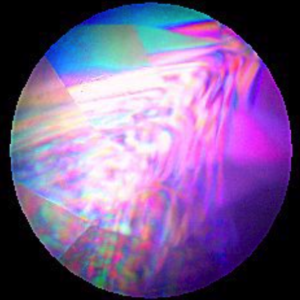
Polariscope Guide, Part 3: Testing For Gemstone Twinning, Dichroism, and Crystal Strain
A gemologist can conduct many different tests with a polariscope. Gemstone twinning, dichroism, and internal crystal strain are some of the properties …
A gemologist can conduct many different tests with a polariscope. Gemstone twinning, dichroism, and internal crystal strain are some of the properties …
Although gemstone magnetism isn’t a commonly tested gemstone property, it may be useful for making quick separations outside the lab. By Richard…
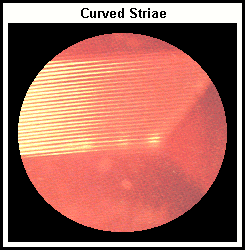
One of the simplest ways to distinguish natural from synthetic gems is finding inclusions that can only be the result of laboratory growth. You…

Gemstone treatments can have a significant impact on the value and stability of a stone. The following enhancement processes leave behind some…
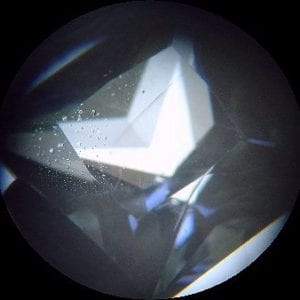
Imagine you find this blue gemstone for sale at a pawn shop. Can the inclusions you see help you narrow the range of possible identifications? Absolutely.…
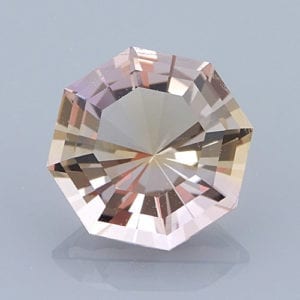
Step 1: Introduction to Gemology Lesson 22 Back to syllabus Facets, those “geometrically arranged, flat surfaces” that cover faceted gemstones,…
Step 1: Introduction to Gemology Lesson 25 Back to syllabus One of the sad things about grading the gemologist exams is seeing people miss easy questions…
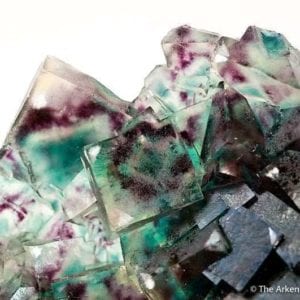
Most gems form naturally as minerals within the Earth. Most form as crystals, solids whose atoms are arranged in highly ordered repeating patterns…
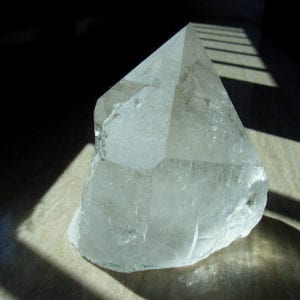
Why are some gems more common in nature than others? Gemology teaches us that crystalline gemstones need five things to develop: ingredients,…
 IGS Become Member