Specific Gravity Testing Part 4: Refining Your Specific Gravity Testing Techniques
Step 3: Practical Gemology Lesson 10 Back to syllabus Getting accurate readings when testing gemstone specific gravity is critical. If you make…
Step 3: Practical Gemology Lesson 10 Back to syllabus Getting accurate readings when testing gemstone specific gravity is critical. If you make…
The polariscope is one of gemology’s simplest and most useful tools. With a little practice and our three-part polariscope guide, you’ll…
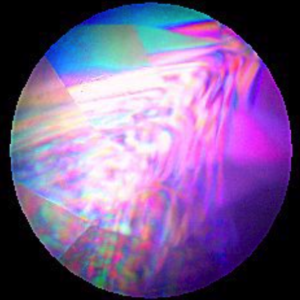
A gemologist can conduct many different tests with a polariscope. Gemstone twinning, dichroism, and internal crystal strain are some of the properties …
Step 3: Practical Gemology Lesson 16 Back to syllabus Since diffusion treated gems are so common, gemologists must learn how to identify these…
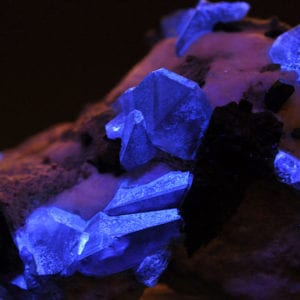
Gemstone identification typically starts with measuring a specimen’s refractive index (RI) and specific gravity (SG). These two tests…
Although gemstone magnetism isn’t a commonly tested gemstone property, it may be useful for making quick separations outside the lab. By Richard…
Scratch testing can help determine the Mohs hardness value of a mineral sample. If done carefully, this procedure can help gemologists identify…
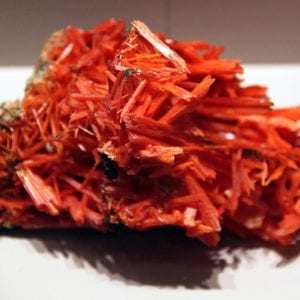
Gemstone streak testing is fun if you have rough material to spare. It’s not recommended for finished gems, as there’s a good chance…
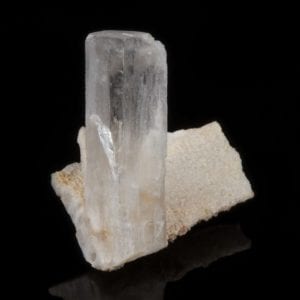
We tend to take light for granted. It’s such a common thing we experience every day. Rarely do we think of the scientific definition of light…
 IGS Become Member