Destructive Mineral Tests: Dye Testing
Minerals may be dyed to enhance their color. Distinguishing natural from enhanced stones is an essential skill for mineralogists. The…
Minerals may be dyed to enhance their color. Distinguishing natural from enhanced stones is an essential skill for mineralogists. The…
In some cases, a hot point test won’t distinguish plastic simulants from natural stones. Some plastics release a protein smell when hot…
Hot point testing can determine if a gem or mineral is plastic imitation. It can also reveal if a stone is treated with wax or plastic. By Donald Clark,…
In this article, we will discuss phyllosilicates and tectosilicates. These silicate subclasses include minerals crucial for technology and…
In crystallography, mineral habits refer to the way crystals form within a specific mineral. In A Guide to Gem Classification, I mentioned that,…
We live in a world of crystals. You don’t have to dig deep into the Earth to find them. Even the bones in our bodies and the dust in the air contain crystals.…
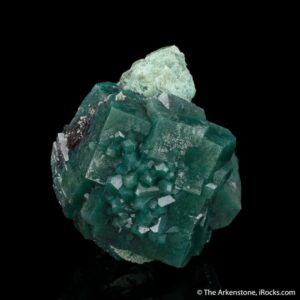
The silicate subgroups of phyllosilicates and tectosilicates include minerals used in industry and jewelry. Learn how to identify them.
Some treatments add lab-created material to mined gemstones. The part-natural, part-synthetic nature of these gems has prompted some in the…
Gems are frequently dyed to enhance their color. Distinguishing natural from enhanced stones is an essential skill for gemologists. The materials…
 IGS Become Member