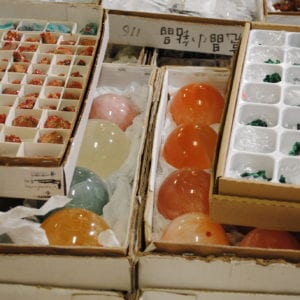
Gem Show FAQ
New to the gem trade? Heading to a gem and jewelry show? Our jewelry and gem show FAQ can help you get ready and make the most of your trip.
New to the gem trade? Heading to a gem and jewelry show? Our jewelry and gem show FAQ can help you get ready and make the most of your trip.

Lab-grown stones have the potential to disrupt the gem market. Learn how they can affect supply and demand and whether synthetics make good investments.…
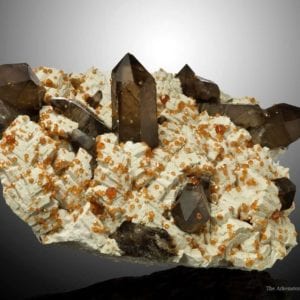
Quartz is one of the most abundant minerals on earth. Learn how quartz forms and how its most popular varieties get their colors.
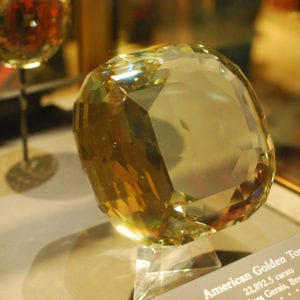
Topaz’s most popular mystical association has been with wealth. However, topaz symbolism and lore also covers areas such as health, love, and…
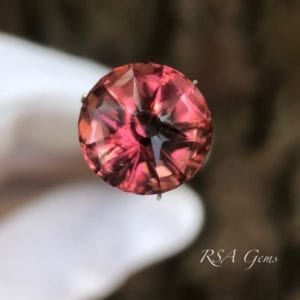
A gemstone’s clarity grade indicates how free it is of inclusions and blemishes. Learn how to decipher the GIA clarity grading codes and types.…
A new consumer trend is disrupting the gemstone market: lab-grown stones. Although created in labs, these gems have the same optical, chemical,…
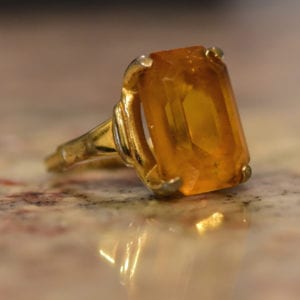
Topaz requires specific and unusual conditions to form. Learn how topaz develops and how it gets its colors, from yellow and blue to rare and valuable…
Lab-made emeralds can be difficult to distinguish from mined gems. This article provides an overview of different types of synthetic emeralds…
Some beautiful gems, like pearls, opals, and tanzanites, are very vulnerable to impacts and scratches, especially when worn on rings. Even more…
 IGS Become Member