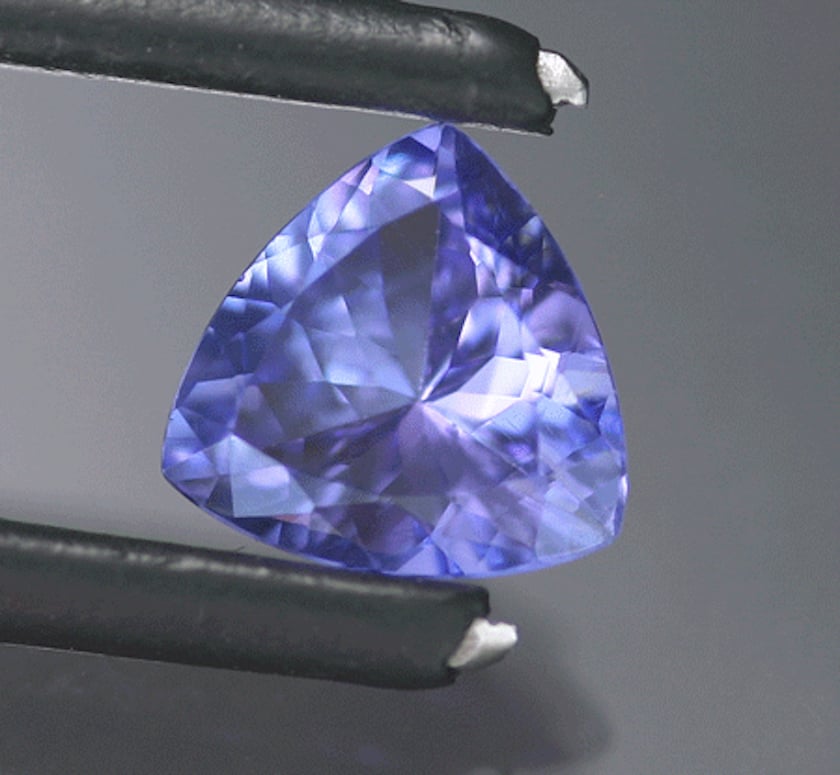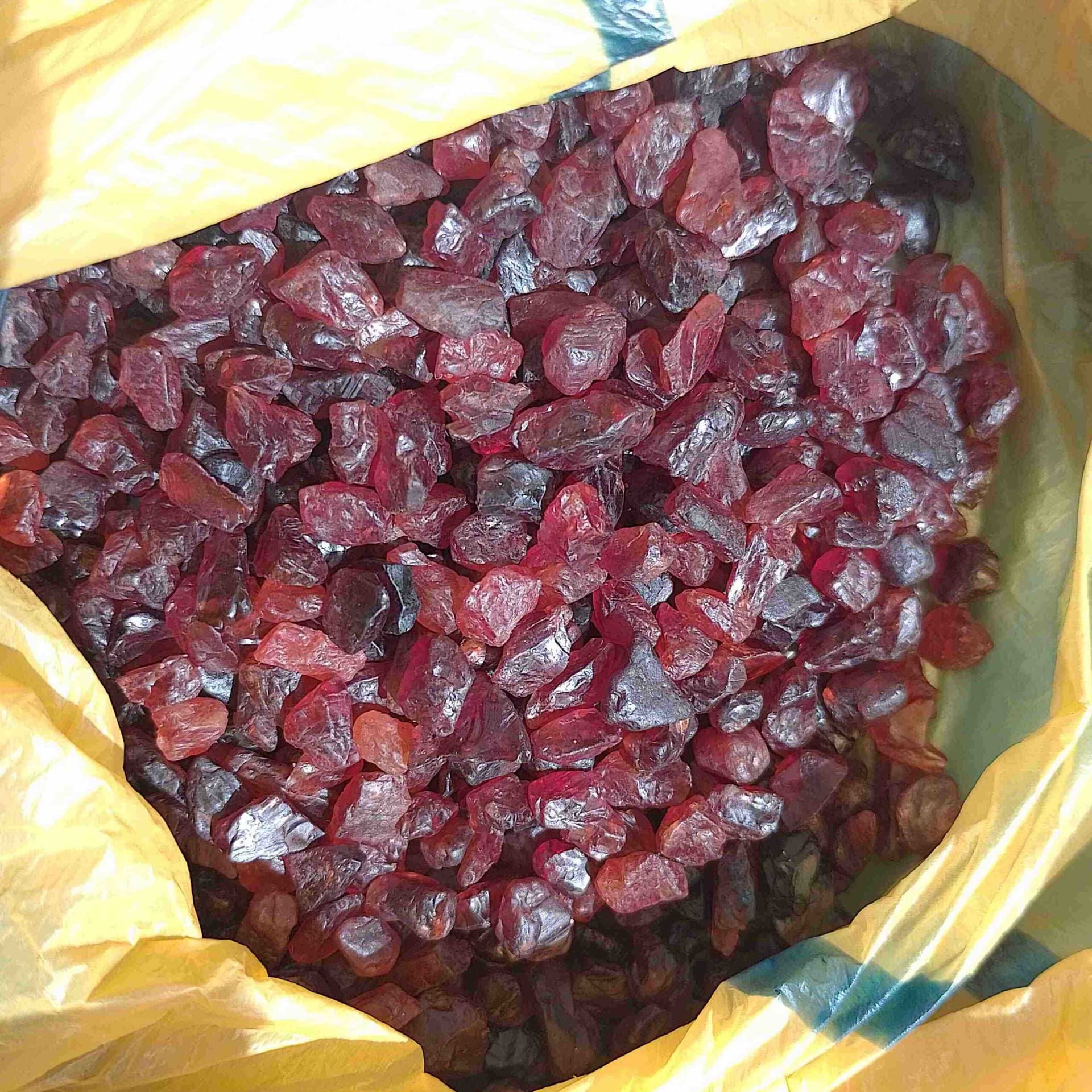

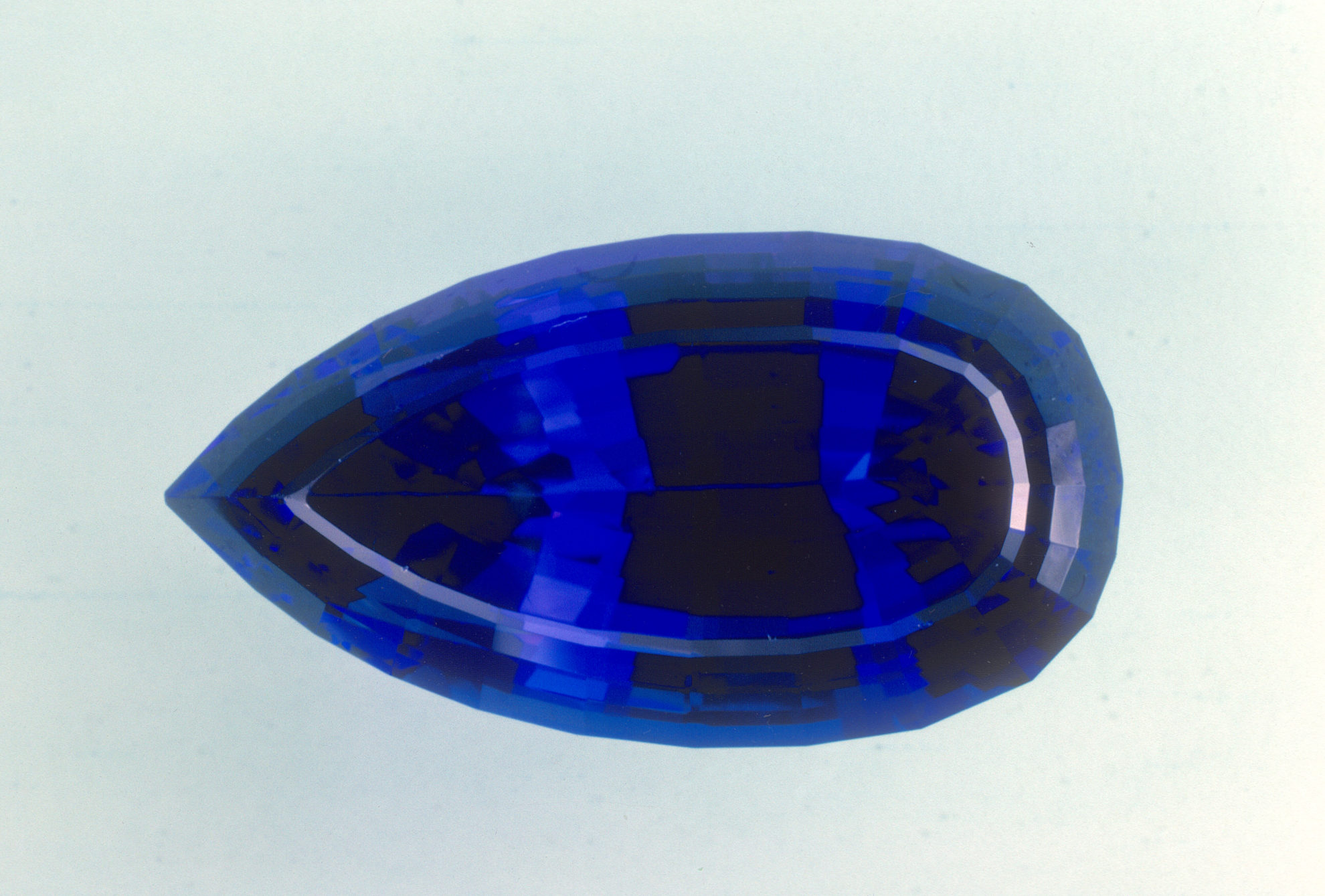
Tanzanite has had a rapid rise to prominence among jewelers and gem enthusiasts. Although naturally reddish brown, this transparent zoisite variety achieves a stable, beautiful blue to violet color with heat treatments.
3 Minute Read
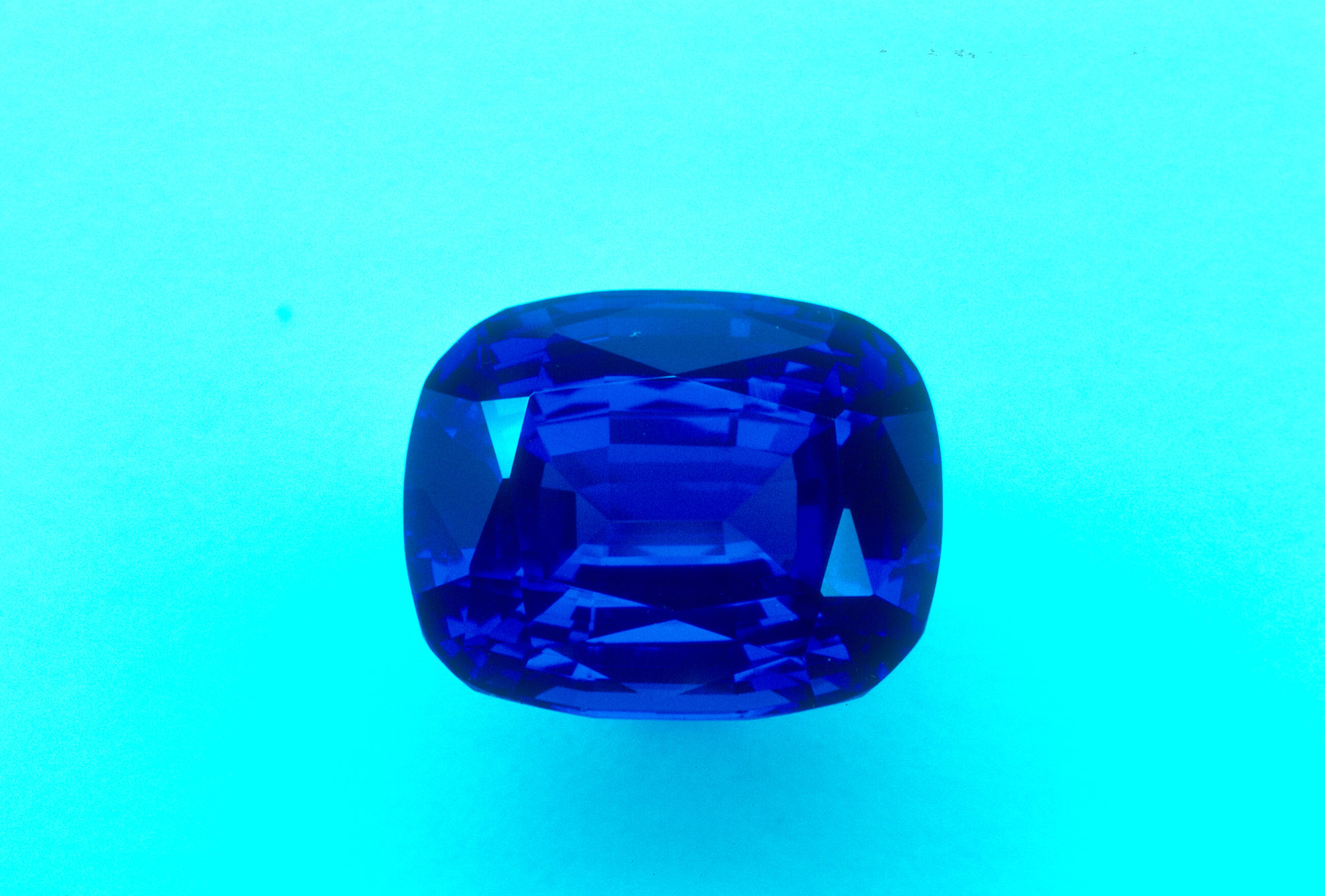
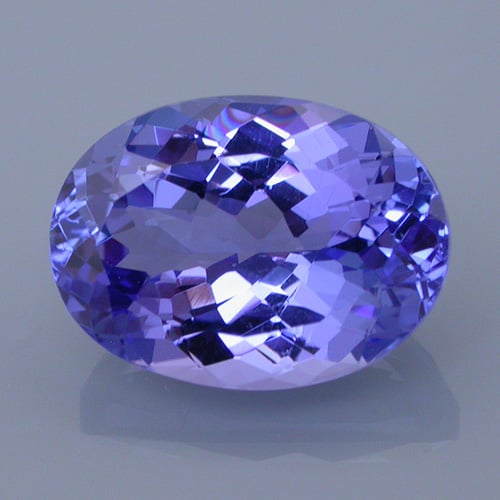
Before the discovery of tanzanite, the known varieties of zoisite made little impact on the gem market. Discovered in the shadow of Mt. Kilimanjaro in 1967, tanzanites show both dramatic color change and pleochroism. In natural light, tanzanites can appear an almost sapphire blue. In fluorescent light, they may appear more violet or amethyst-like. Naturally trichroic, these gems can show blue, red-violet, and yellow-green colors when viewed through each of its three crystal axes.
Their most coveted property, however, is their blue to violet color. Although Mother Nature very rarely produces a blue to violet stone in the rough (via the slow heat of the Sun), almost all tanzanites must receive artificial heat treatments to achieve that prized color. Typically, they're heated to about 500-600º C or 932-1,112º F.
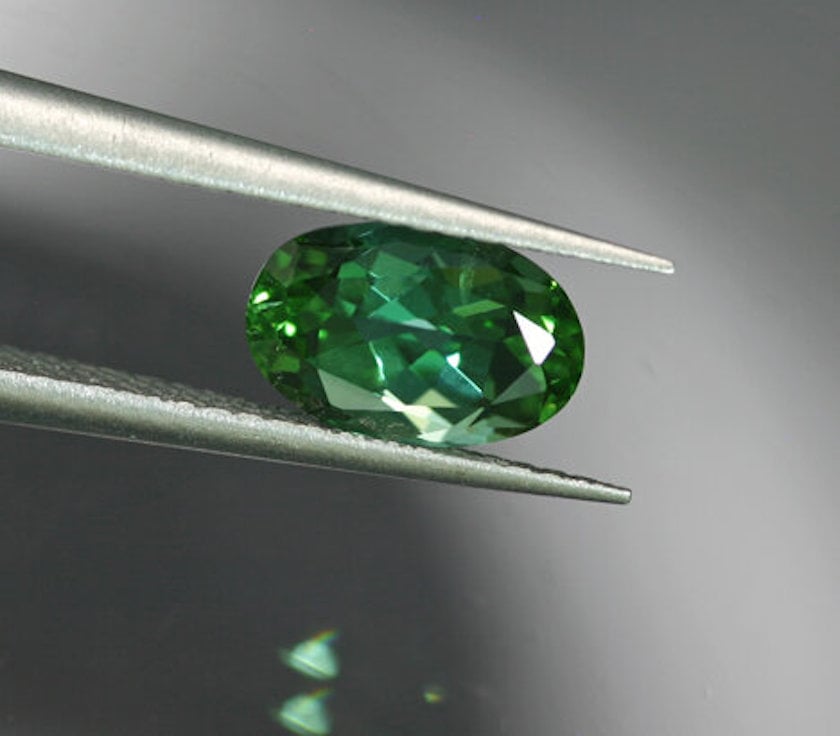
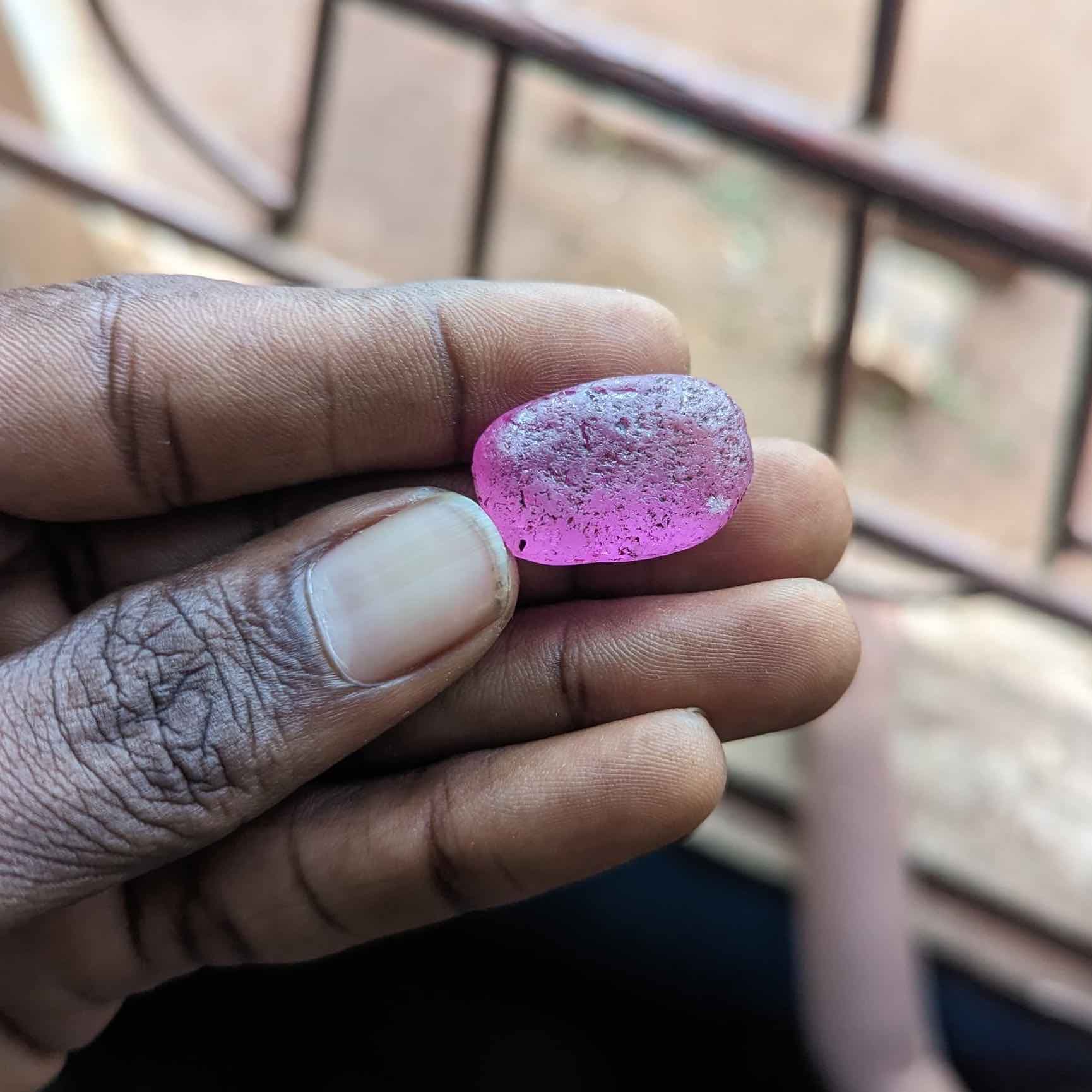
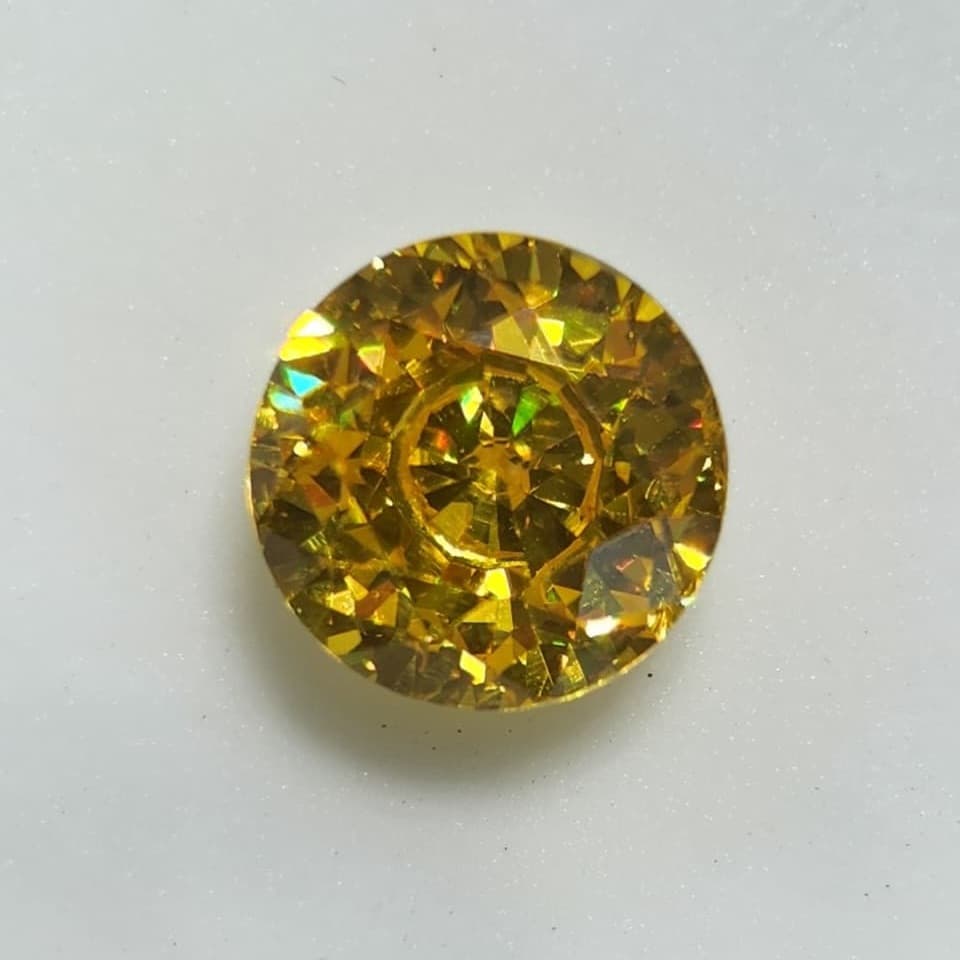
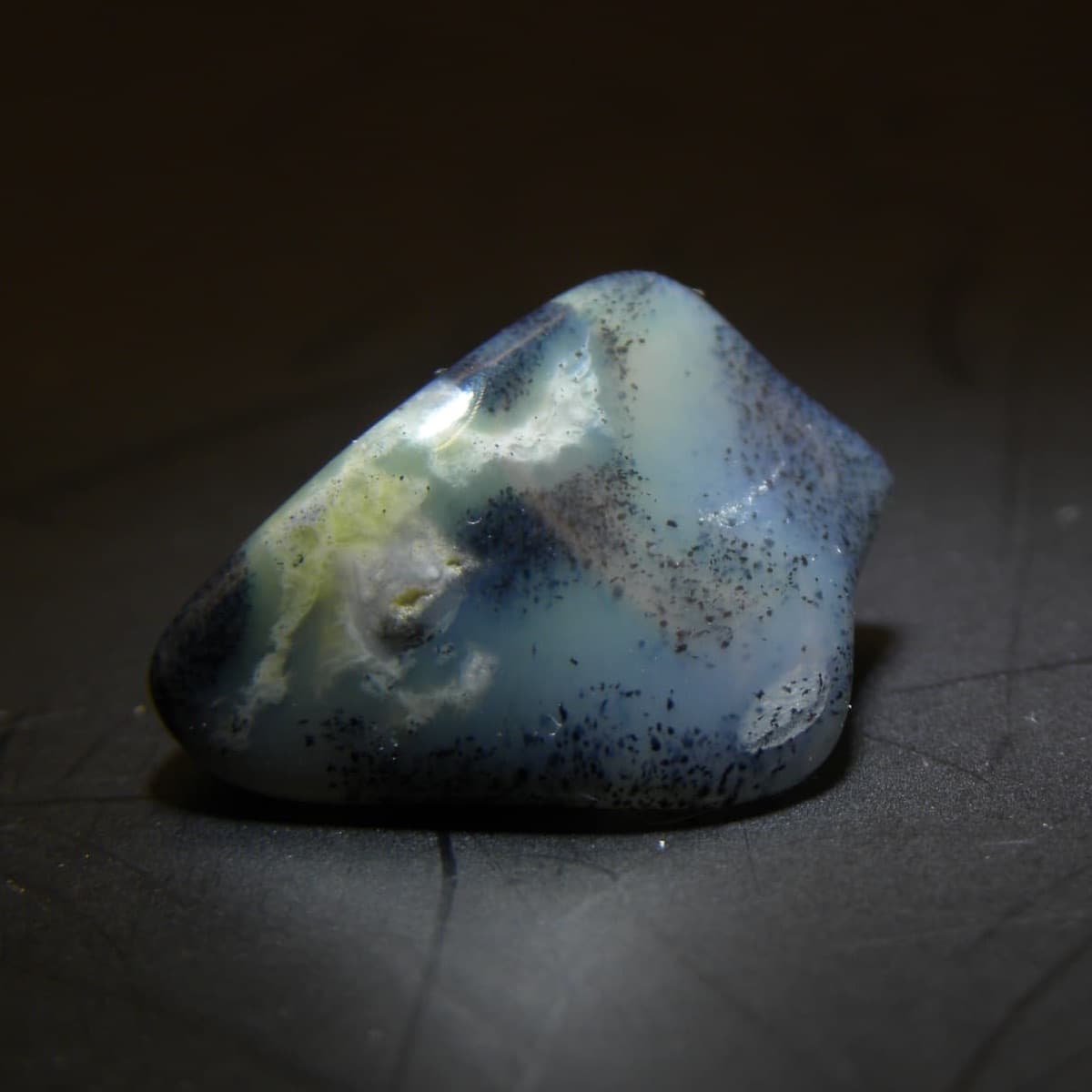
Tanzanites are the most well-known members of the zoisite gem species. Not surprisingly, some vendors will try to associate zoisites of other colors with the tanzanite name. You may encounter green, yellow, and pink zoisites sold as "fancy color tanzanites." Even though these are rare, beautiful colors, the tanzanite name has more caché with the general public and may command higher prices.
By definition, tanzanites are blue to violet zoisites, whether they receive heat treatment or not. Non-blue zoisites should simply be called zoisites.
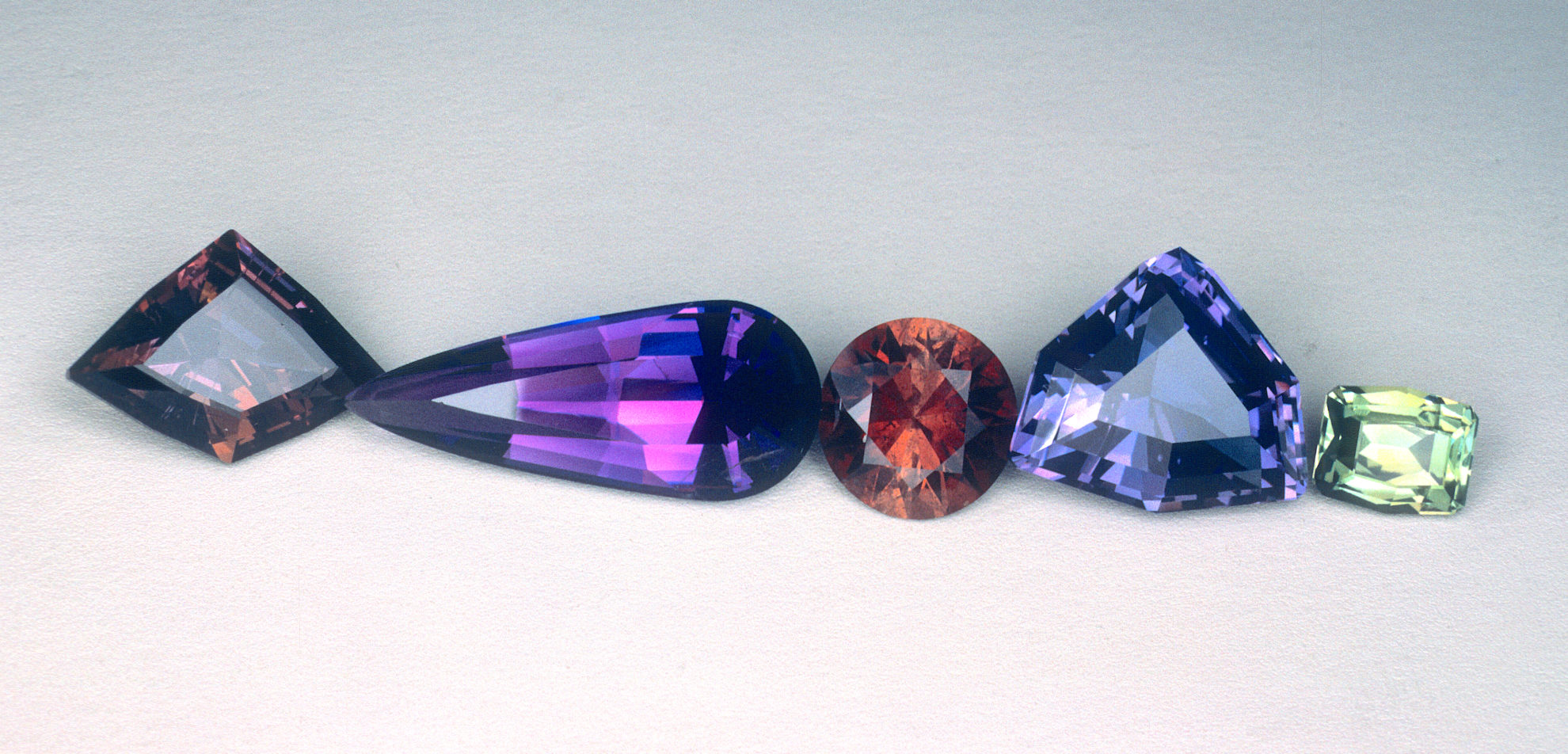
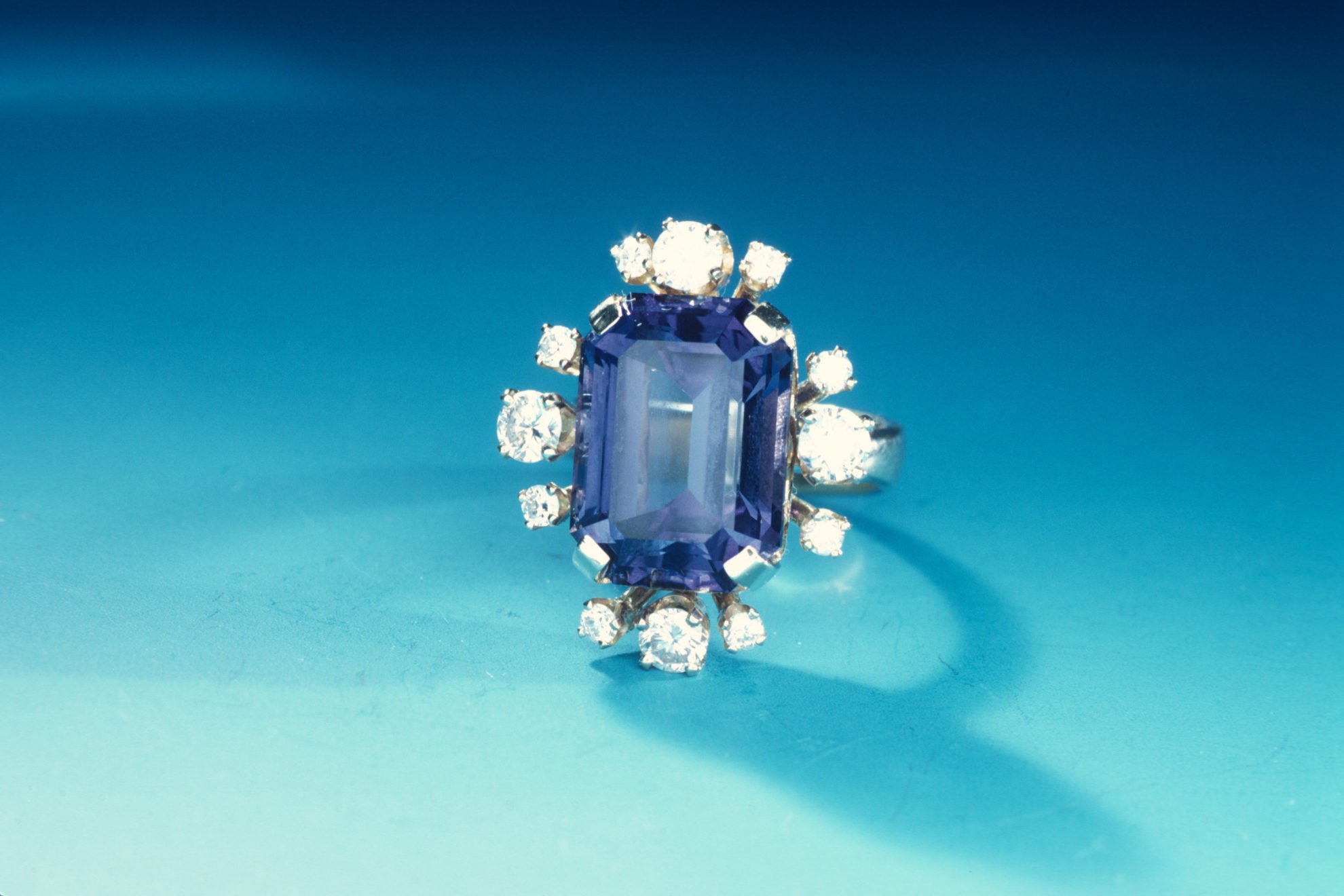
Tanzanites will certainly appeal to those interested in truly modern gemstones. Jewelers have even designated this gem a modern option for the December birthstone. However, other gem-quality varieties of zoisite deserve mention, too.
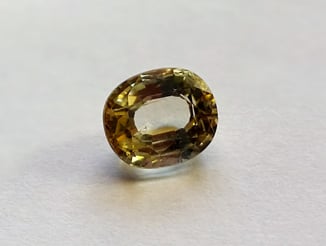
Transparent, gem-quality zoisites occur in many colors and can make beautiful gemstones.
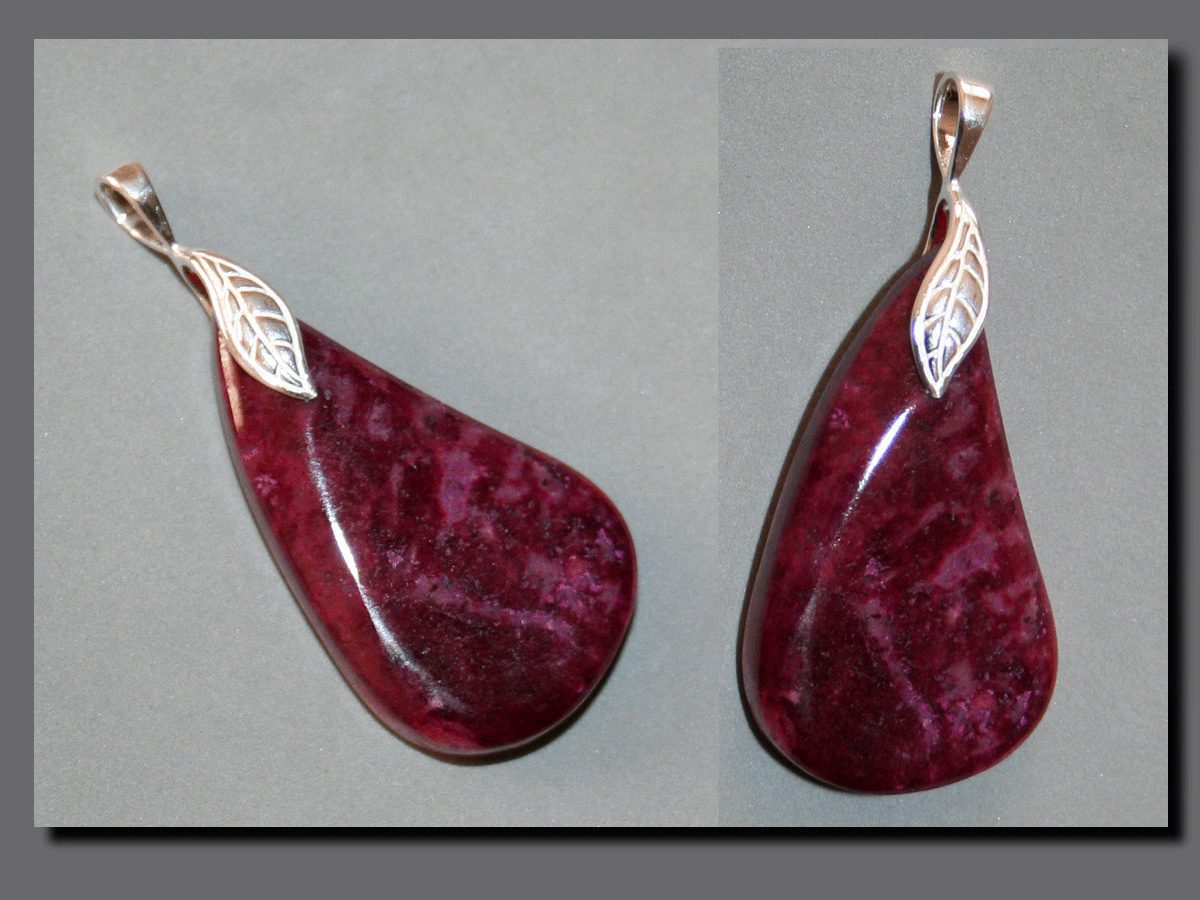
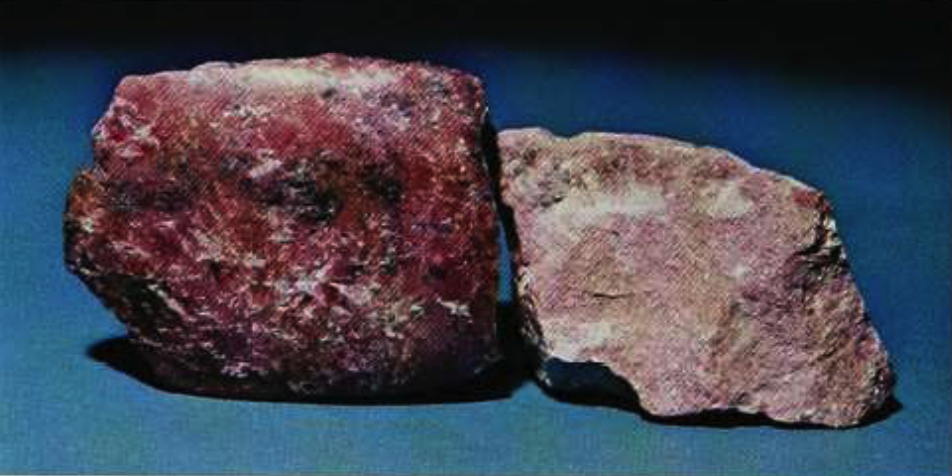
The national gemstone of Norway, this pink, translucent to opaque material can make beautiful cabochons. Faceted pieces are rare. Trade names for thulite include unionite and rosaline.
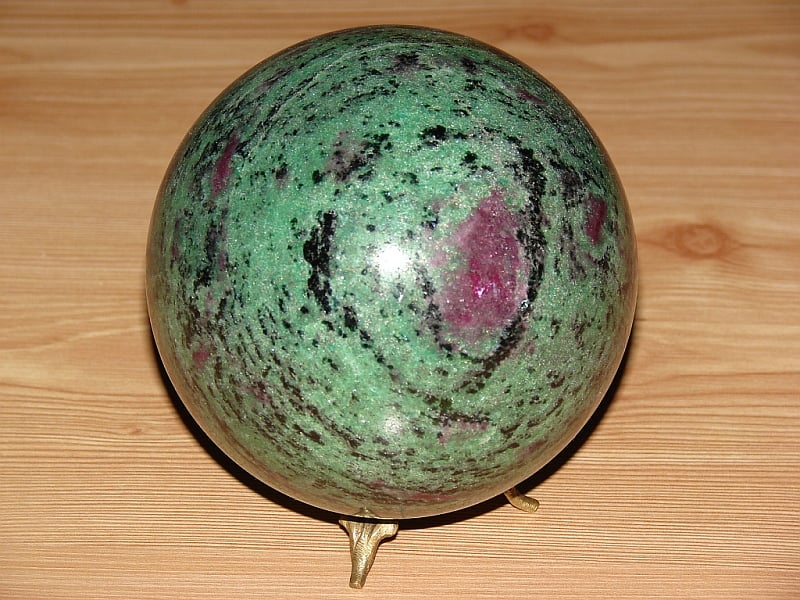
This lapidary rock, known as "ruby-in-zoisite," contains chrome-rich green zoisite, black hornblende, and large, but opaque, ruby. Gem cutters can make cabochons and carvings from this material. This material is also known as anyolite.
| Tanzanite | Zoisite | Thulite | |
| Specific Gravity | 3.35 | 3.15-3.38 | 3.09 |
| Optics | |||
| a | 1.692 | 1.685-1.705 | 1.695 |
| β | 1.693 | 1.688-1.710 | - |
| γ | 1.7 | 1.697-1.725 | 1.701 |
| 2V | (+) | (+) 0-60° | (-) |
| Birefringence | 0.009 | 0.004-0.008 | 0.006 |
Tanzanite
Thulite
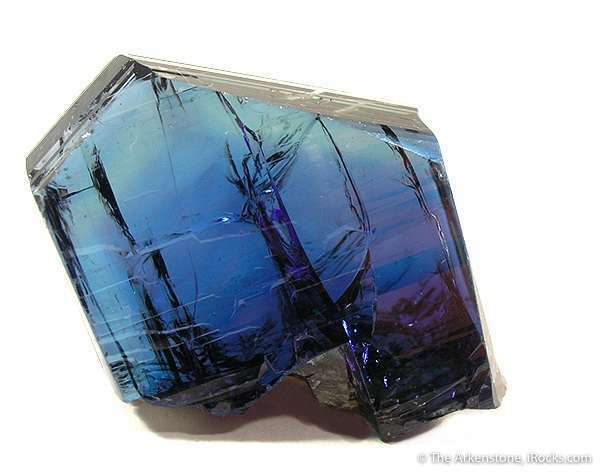
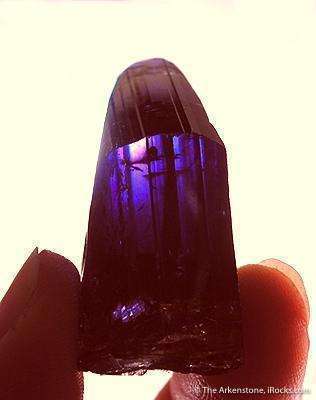
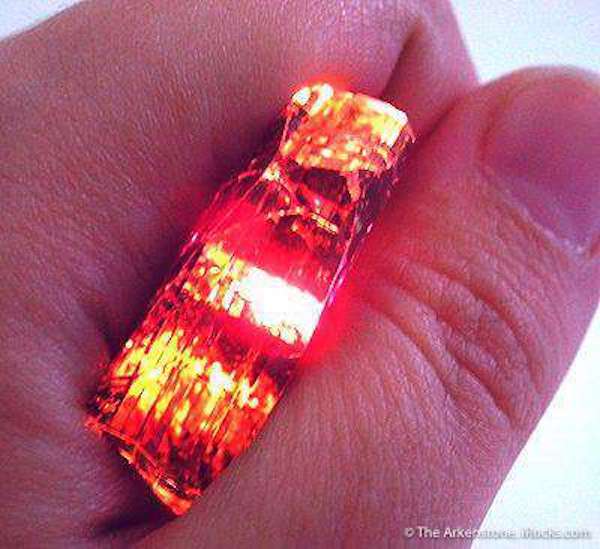
Above, this strongly trichroic tanzanite crystal shows blue, purple, and red/maroon along different axes. Crystal 3.3 x 3.1 x 1.5 cm, Merelani Mines, Tanzania. © Rob Lavinsky, www.iRocks.com. Used with permission.
To date, synthetic tanzanites are unknown. However, many simulants (imitations) do exist. Consult our buying guide for more information.
Assume all blue to violet tanzanites have received heat treatment. This is a stable treatment.
The sole source of tanzanite is the Merelani Hills in the Lelatema Mountains, Tanzania. The mines here produce fine blue to violet crystals, up to large size, and often gemmy.
There are four "blocks" of tanzanite-producing mines in Tanzania. However, despite claims that "D-Block" tanzanites have superior quality, there's no difference in tanzanite quality between these mines and no way to distinguish materials from specific mines.
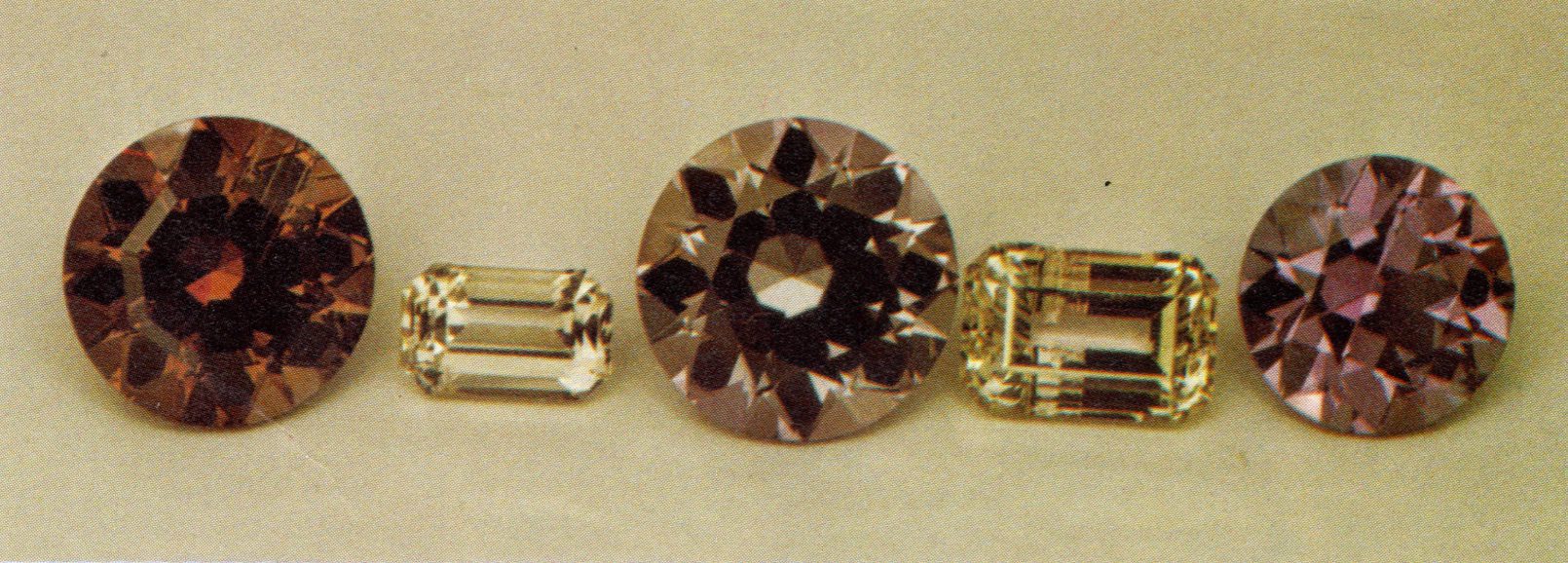
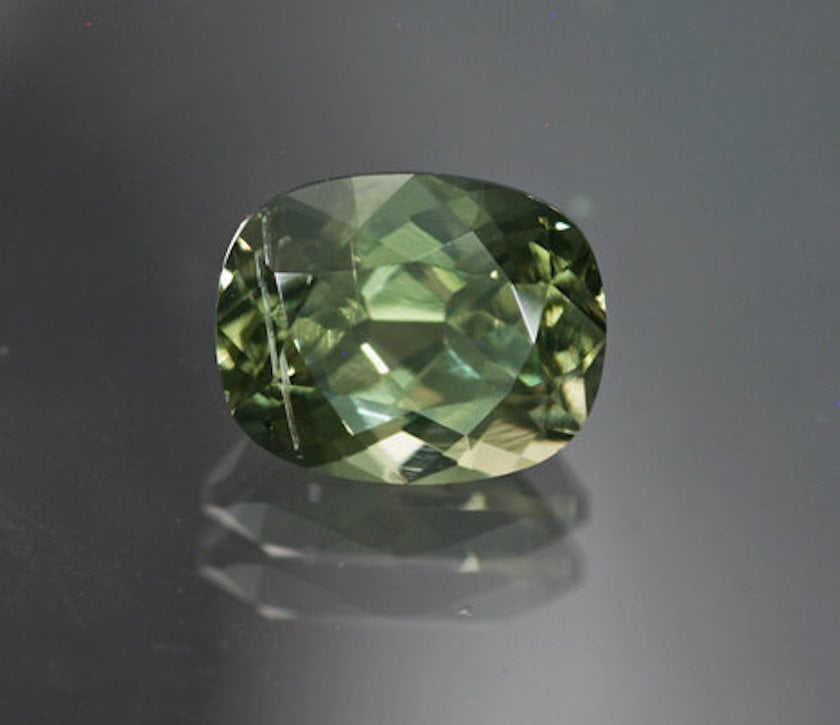
Longido, Tanzania produces deep green crystals, colored by chromium, with ruby crystals.
Other sources of gem-quality zoisites include the following:
Tanzanites, alone of all zoisite varieties, can reach large sizes in faceted gems. Rough crystals weighing hundreds of carats have been found.
For faceting and gem design recommendations for tanzanites and other zoisite varieties, consult this article.
Although tanzanite hardness may range from 6 to 7, its tendency to cleave and brittleness pose hazards for daily wear. Reserve these gems for occasional pieces or use protective settings. Clean them only with a soft brush, mild detergent, and warm water. For more recommendations, consult our gemstone jewelry care guide.




When you join the IGS community, you get trusted diamond & gemstone information when you need it.
Before the discovery of tanzanite, the known varieties of zoisite made little impact on the gem market. Discovered in the shadow of Mt. Kilimanjaro in 1967, tanzanites show both dramatic color change and pleochroism. In natural light, tanzanites can appear an almost sapphire blue. In fluorescent light, they may appear more violet or amethyst-like. Naturally trichroic, these gems can show blue, red-violet, and yellow-green colors when viewed through each of its three crystal .
Their most coveted property, however, is their blue to violet color. Although Mother Nature very rarely produces a blue to violet stone in the rough (via the slow heat of the Sun), almost all tanzanites must receive artificial heat treatments to achieve that prized color. Typically, they're heated to about 500-600º C or 932-1,112º F.
Tanzanites are the most well-known members of the zoisite gem species. Not surprisingly, some vendors will try to associate zoisites of other colors with the tanzanite name. You may encounter green, yellow, and pink zoisites sold as "fancy color tanzanites." Even though these are rare, beautiful colors, the tanzanite name has more caché with the general public and may command higher prices.
By definition, tanzanites are blue to violet zoisites, whether they receive heat treatment or not. Non-blue zoisites should simply be called zoisites.
Tanzanites will certainly appeal to those interested in truly modern gemstones. Jewelers have even designated this gem a modern option for the December birthstone. However, other gem-quality varieties of zoisite deserve mention, too.
Transparent, gem-quality zoisites occur in many colors and can make beautiful gemstones.
The national gemstone of Norway, this pink, translucent to opaque material can make beautiful cabochons. Faceted pieces are rare. Trade names for thulite include unionite and rosaline.
This lapidary rock, known as "ruby-in-zoisite," contains chrome-rich green zoisite, black hornblende, and large, but opaque, ruby. Gem cutters can make cabochons and carvings from this material. This material is also known as anyolite.
| Tanzanite | Zoisite | Thulite | |
| Specific Gravity | 3.35 | 3.15-3.38 | 3.09 |
| Optics | |||
| a | 1.692 | 1.685-1.705 | 1.695 |
| β | 1.693 | 1.688-1.710 | - |
| γ | 1.7 | 1.697-1.725 | 1.701 |
| 2V | (+) | (+) 0-60° | (-) |
| Birefringence | 0.009 | 0.004-0.008 | 0.006 |
Tanzanite
Thulite
Above, this strongly trichroic tanzanite crystal shows blue, purple, and red/maroon along different axes. Crystal 3.3 x 3.1 x 1.5 cm, Merelani Mines, Tanzania. © Rob Lavinsky, www.iRocks.com. Used with permission.
To date, synthetic tanzanites are unknown. However, many simulants (imitations) do exist. Consult our buying guide for more information.
Assume all blue to violet tanzanites have received heat treatment. This is a stable treatment.
The sole source of tanzanite is the Merelani Hills in the Lelatema Mountains, Tanzania. The mines here produce fine blue to violet crystals, up to large size, and often gemmy.
There are four "blocks" of tanzanite-producing mines in Tanzania. However, despite claims that "D-Block" tanzanites have superior quality, there's no difference in tanzanite quality between these mines and no way to distinguish materials from specific mines.
Longido, Tanzania produces deep green crystals, colored by chromium, with ruby crystals.
Other sources of gem-quality zoisites include the following:
Tanzanites, alone of all zoisite varieties, can reach large sizes in faceted gems. Rough crystals weighing hundreds of carats have been found.
For faceting and gem design recommendations for tanzanites and other zoisite varieties, consult this article.
Although tanzanite hardness may range from 6 to 7, its tendency to cleave and brittleness pose hazards for daily wear. Reserve these gems for occasional pieces or use protective settings. Clean them only with a soft brush, mild detergent, and warm water. For more recommendations, consult our gemstone jewelry care guide.



Tanzanite has had a rapid rise to prominence among jewelers and gem enthusiasts. Although naturally reddish brown, this transparent zoisite variety achieves a stable, beautiful blue to violet color with heat treatments.
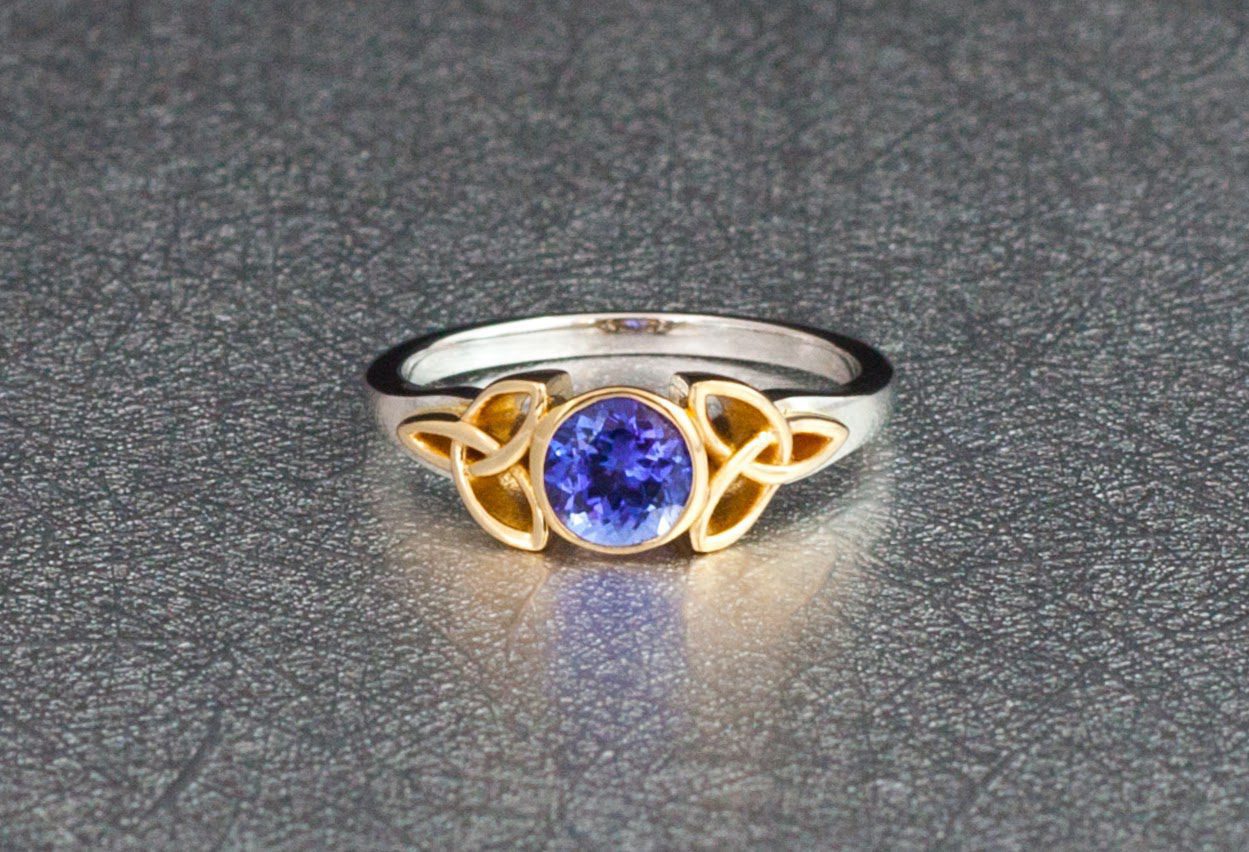
In general, tanzanites showing more blue are valued higher than those showing more violet. Medium dark colors are the ideal. Custom cuts add value. As always, size and clarity have a strong effect on prices. Large clean rough is extremely scare.
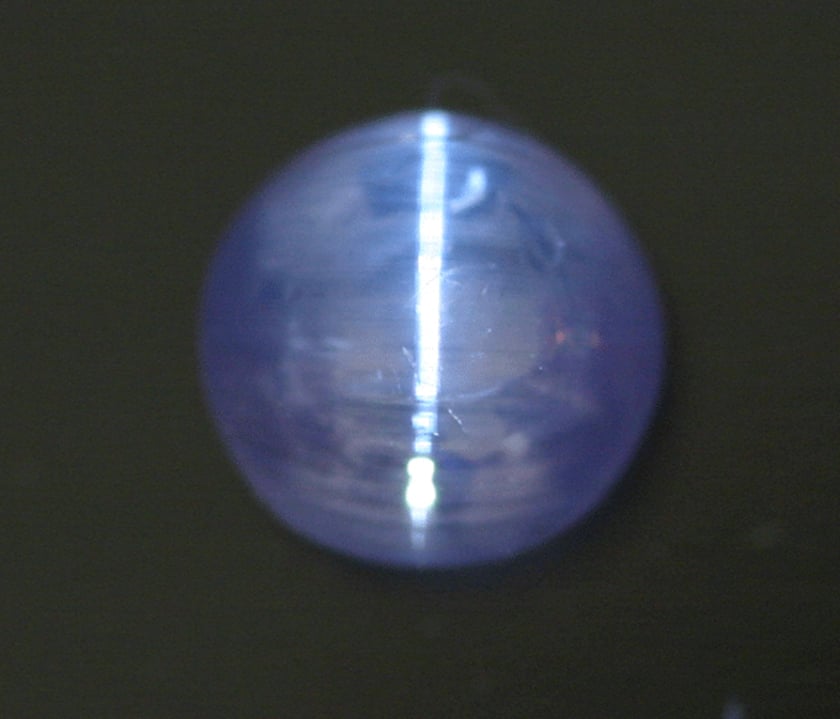
Ultra-rare cat’s eye tanzanites are highly prized.
Among other varieties of zoisites, extremely rare green zoisites are highly sought by collectors. These are sometimes confusingly referred to as “green tanzanite.”
See our tanzanite buying guide for more detailed value information.