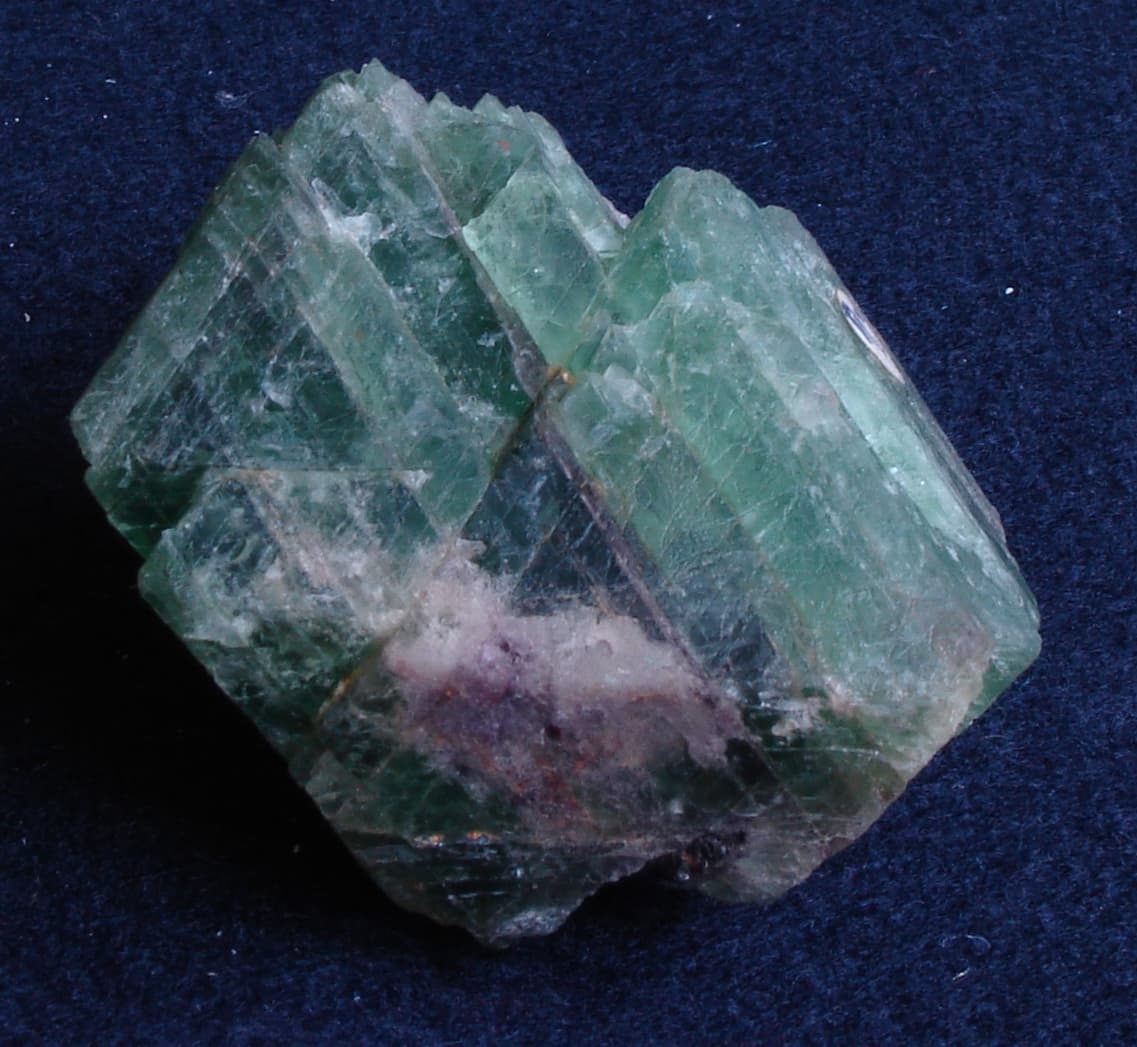
Gemstone cleavage is a break in a crystal along internal planes. Learn the science behind this and the difference between cleavage, fracture, and parting.
2 Minute Read
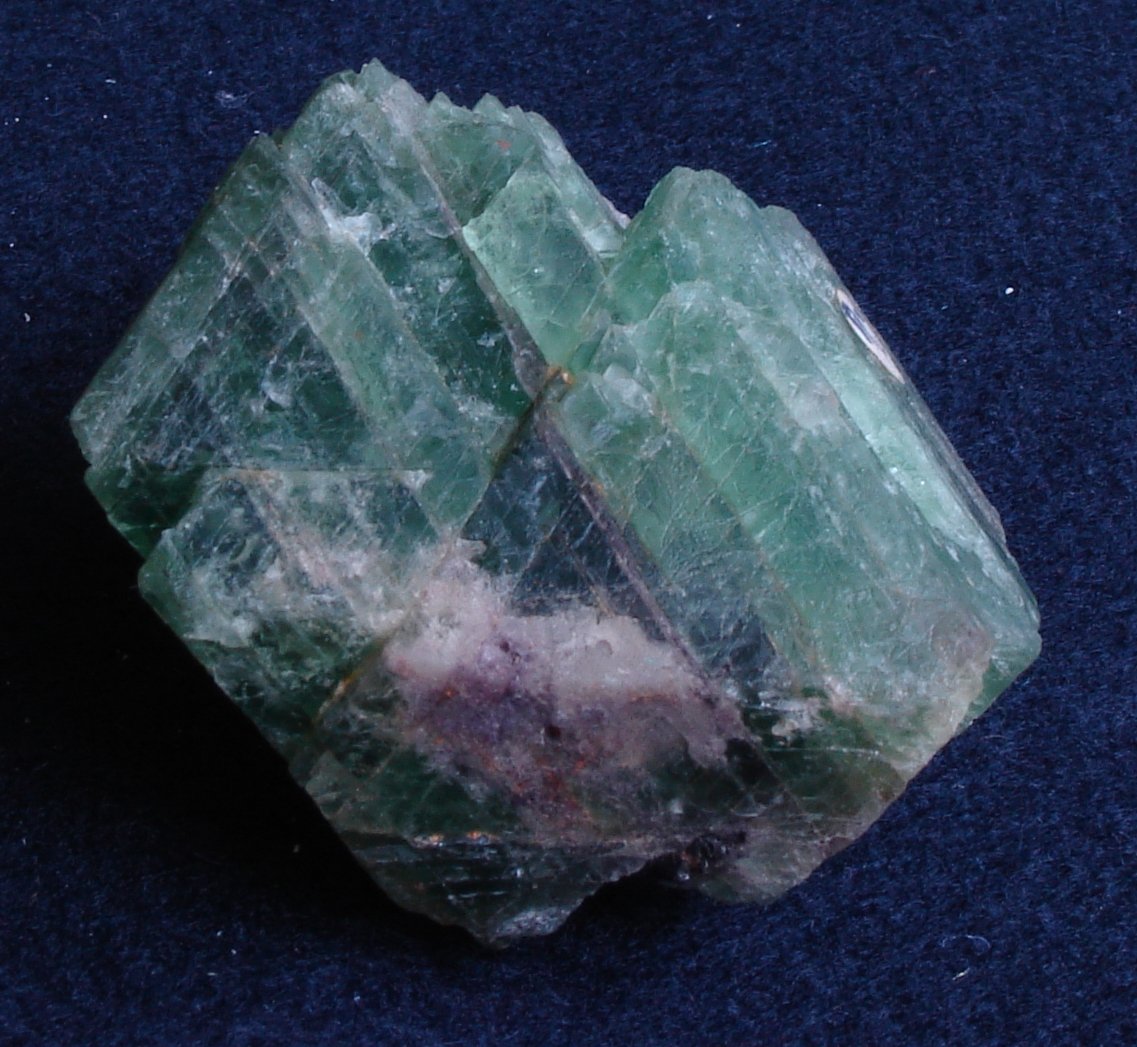
Under ideal circumstances, a cleavage plane might be virtually smooth and flat on an atomic scale. A break in a gemstone that doesn't occur along cleavage planes is either a fracture or a parting.
Since the atomic arrangement within a crystal is symmetrical, the planes of specific bonds are symmetrically disposed within the crystal. Internal cleavage planes are, therefore, as symmetrical as external crystal faces.
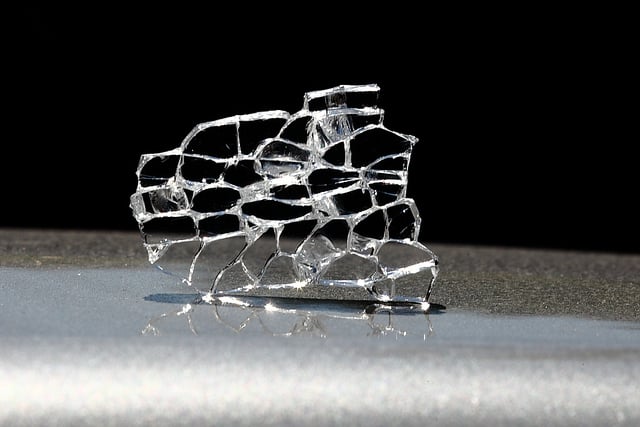
The term cleavage in gemology only applies to crystalline materials. For example, since glass is a super-cooled liquid in which the atoms are not arranged in a long-range periodic array, it can have no cleavage because there are no uniform bond layers.
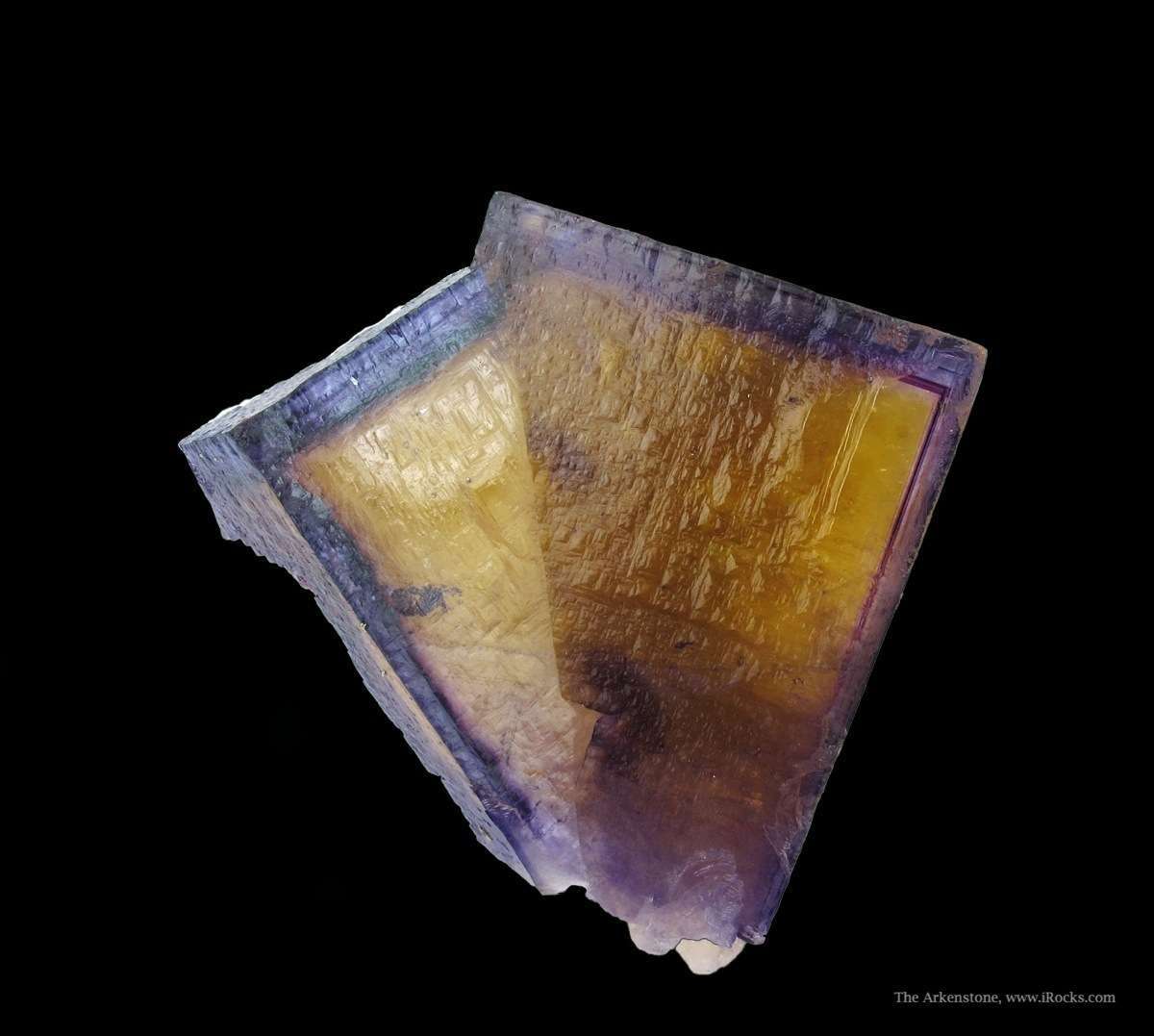
Gemstone cleavage is usually described with reference to crystallographic axes and directions and is also graded according to its "perfection," or ease with which the gem can be spilt along the cleavage.
The five grades or degrees are:
Gems with perfect cleavage are easiest to split, while those with no cleavage are hardest to split.
Sometimes, there are different degrees of cleavage perfection in different directions within the same crystal.
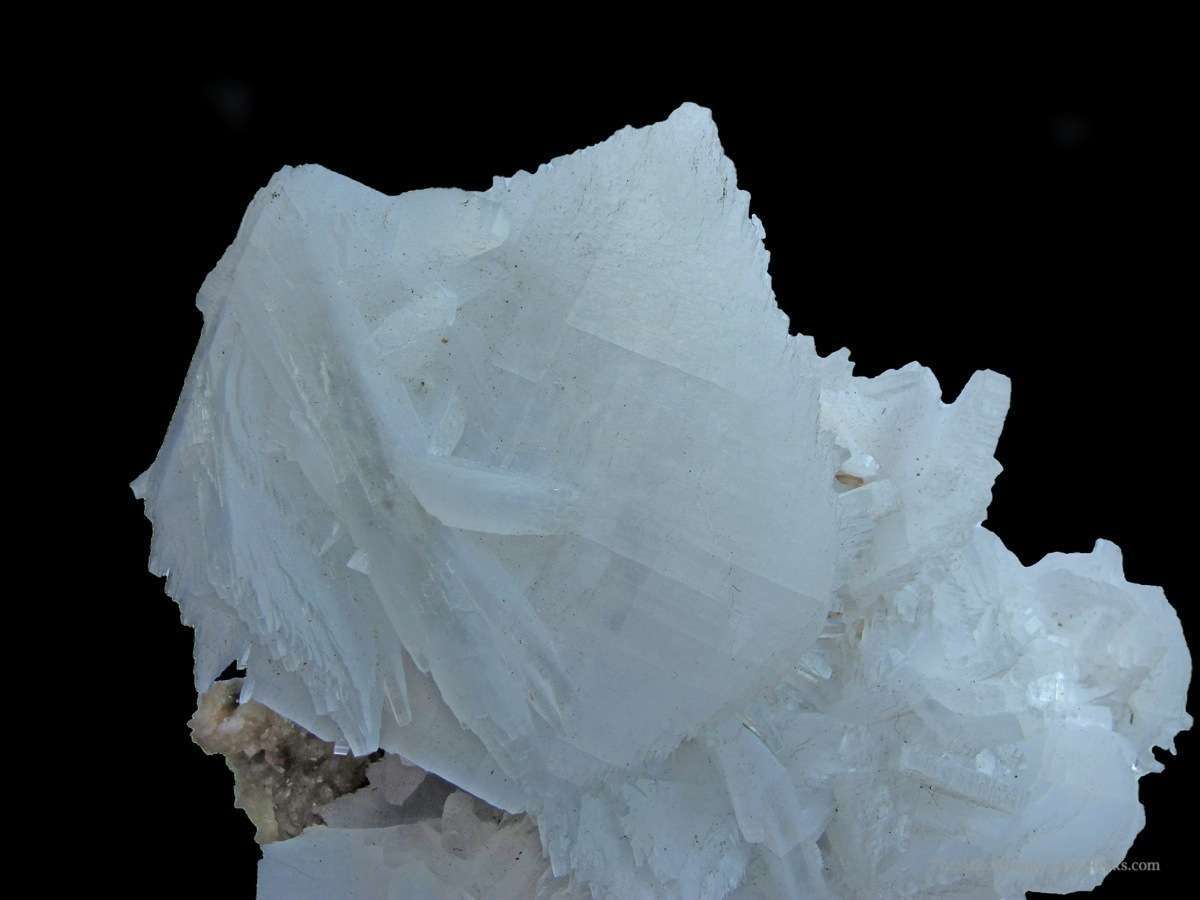
Gems with perfect cleavage must be set and worn carefully, since a sharp blow to the stone along a cleavage direction may easily split the gem.
Spodumene is well-known for being difficult to cut. Even topaz offers occasional problems to the cutter who isn't aware of its cleavage direction, because it's virtually impossible to polish a gemstone surface that is parallel to a cleavage plane.
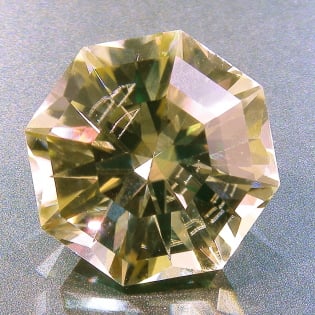
Fracture is the way a mineral breaks other than along cleavage directions.
The descriptive terms for this property are: conchoidal, fibrous or splintery, hackly, and uneven.
A conchoidal fracture is shell-like and is distinguished by concentric curved lines. This is the way glass breaks.
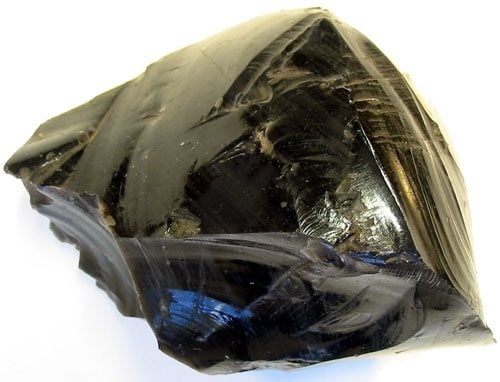
The terms fibrous and splintery are often used interchangeably to denote a fracture that creates sharp, elongated points in a mineral.
A hackly fracture produces sharp, jagged points.
An uneven fracture produces a rough, uneven surface. Uneven fractures don't have sharp points like splintery and hackly fractures.
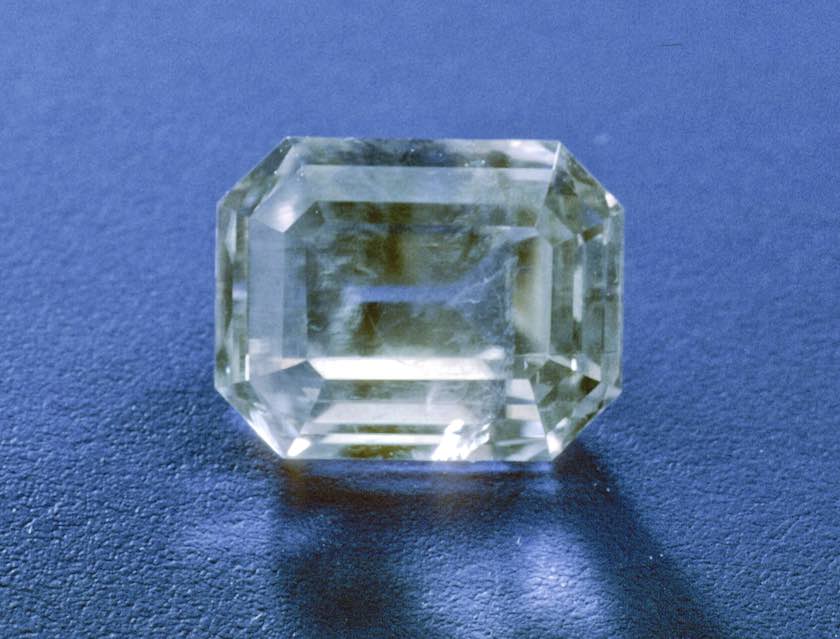
The term parting refers to breakage of minerals along directions of structural weakness, such as twinning.
However, unlike cleavage, parting isn't present in all specimens of a given species. Parting is a result of the individual growth of a particular gemstone and not the atomic or crystal structure of a gem species.


When you join the IGS community, you get trusted diamond & gemstone information when you need it.
Under ideal circumstances, a cleavage plane might be virtually smooth and flat on an atomic scale. A break in a gemstone that doesn't occur along cleavage planes is either a fracture or a parting.
Since the atomic arrangement within a crystal is symmetrical, the planes of specific bonds are symmetrically disposed within the crystal. Internal cleavage planes are, therefore, as symmetrical as external crystal faces.
The term cleavage in gemology only applies to crystalline materials. For example, since glass is a super-cooled liquid in which the atoms are not arranged in a long-range periodic array, it can have no cleavage because there are no uniform bond layers.
Gemstone cleavage is usually described with reference to crystallographic axes and directions and is also graded according to its "perfection," or ease with which the gem can be spilt along the cleavage.
The five grades or degrees are:
Gems with perfect cleavage are easiest to split, while those with no cleavage are hardest to split.
Sometimes, there are different degrees of cleavage perfection in different directions within the same crystal.
Gems with perfect cleavage must be set and worn carefully, since a sharp blow to the stone along a cleavage direction may easily split the gem.
Spodumene is well-known for being difficult to cut. Even topaz offers occasional problems to the cutter who isn't aware of its cleavage direction, because it's virtually impossible to polish a gemstone surface that is parallel to a cleavage plane.
Fracture is the way a mineral breaks other than along cleavage directions.
The descriptive terms for this property are: conchoidal, fibrous or splintery, hackly, and uneven.
A conchoidal fracture is shell-like and is distinguished by concentric curved lines. This is the way glass breaks.
The terms fibrous and splintery are often used interchangeably to denote a fracture that creates sharp, elongated points in a mineral.
A hackly fracture produces sharp, jagged points.
An uneven fracture produces a rough, uneven surface. Uneven fractures don't have sharp points like splintery and hackly fractures.
The term parting refers to breakage of minerals along directions of structural weakness, such as twinning.
However, unlike cleavage, parting isn't present in all specimens of a given species. Parting is a result of the individual growth of a particular gemstone and not the atomic or crystal structure of a gem species.