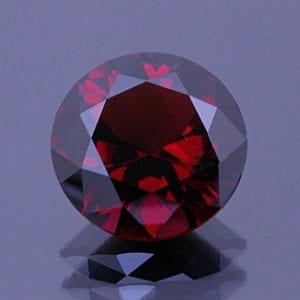
Using Your Spectroscope
Step 3: Practical Gemology Lesson 3 Back to syllabus Sometimes, refractive index (RI) and specific gravity (SG) readings aren’t enough…
Step 3: Practical Gemology Lesson 3 Back to syllabus Sometimes, refractive index (RI) and specific gravity (SG) readings aren’t enough…
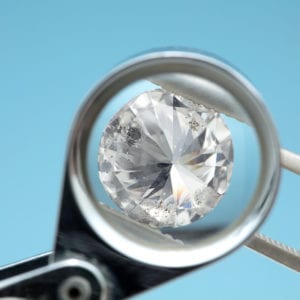
You need the right equipment to identify and grade natural diamonds. Just as with colored gemstones, your ultimate objective will guide your choice…
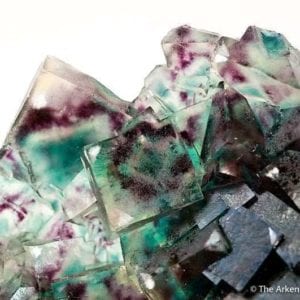
Most gems form naturally as minerals within the Earth. Most form as crystals, solids whose atoms are arranged in highly ordered repeating patterns…
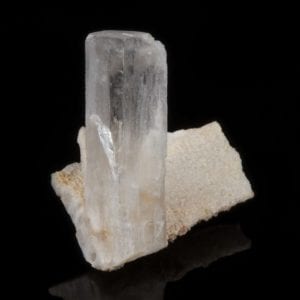
We tend to take light for granted. It’s such a common thing we experience every day. Rarely do we think of the scientific definition of light…
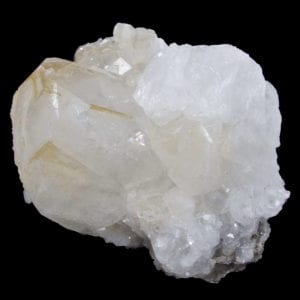
Step 2: Advanced Gemology Lesson 2 Back to syllabus The optical properties of gems attract our eyes and can give a cut stone a unique character. However,…
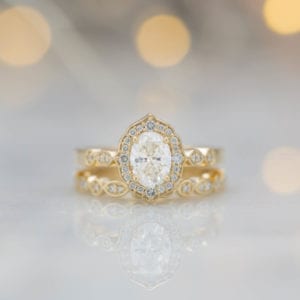
Diamonds have a rich history. The earliest diamond deposits date back 900 million years. To put that into perspective, the Earth is approximately…
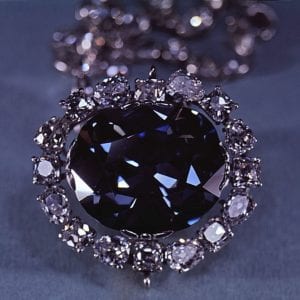
No other precious gem is as familiar — and coveted — as diamond. Learn the legends and histories behind some of the most famous diamonds in the…
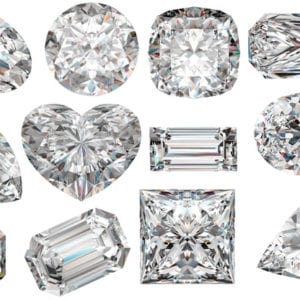
Learn the fundamentals of diamonds — from optical and physical properties to grading and ethical and legal issues. Learn to distinguish natural…
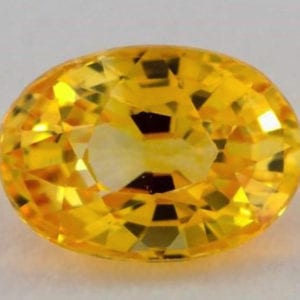
Gem cutters use the “length-to-width” or L/W ratio to determine how to cut rough gems. Learn how to choose gem designs based on a stone’s L/W…
 IGS Become Member