Impurity Ions and Gemstone Colors
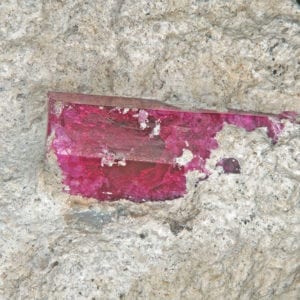
I’ve faced many questions about the element chromium (Cr), the red coloration of minerals, and the gemstone red beryl. One of the many…
I’ve faced many questions about the element chromium (Cr), the red coloration of minerals, and the gemstone red beryl. One of the many…
Most gems on the market today receive various treatments to change their natural colors and create more desirable, salable products. Radiation…
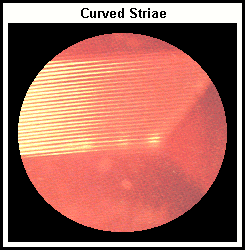
One of the simplest ways to distinguish natural from synthetic gems is finding inclusions that can only be the result of laboratory growth. You…
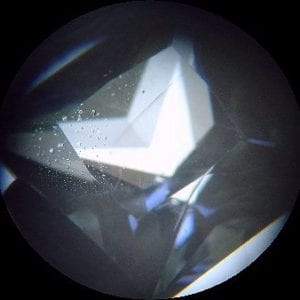
Imagine you find this blue gemstone for sale at a pawn shop. Can the inclusions you see help you narrow the range of possible identifications? Absolutely.…
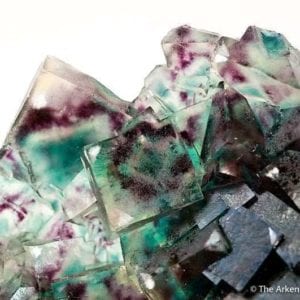
Most gems form naturally as minerals within the Earth. Most form as crystals, solids whose atoms are arranged in highly ordered repeating patterns…
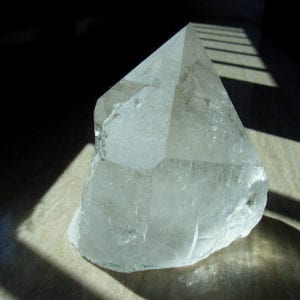
Why are some gems more common in nature than others? Gemology teaches us that crystalline gemstones need five things to develop: ingredients,…
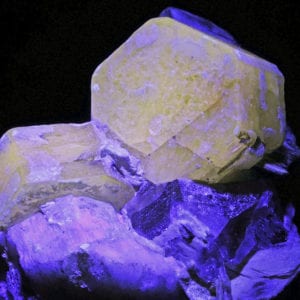
Gemstone luminescence is a glow that occurs when certain stones are subjected to energy such as UV light. This effect can help gemologists identify…
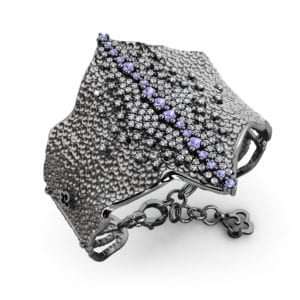
What will 2018 bring to the world of gems and jewelry? Learn about the latest gem trends — everything from colors, designs, and settings to the…
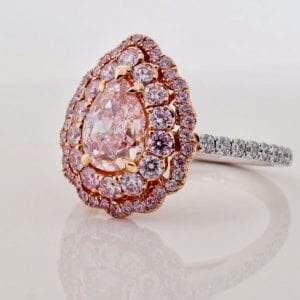
With only a few produced each year, pink diamonds are among the rarest gems on the planet. Learn how quality impacts cost for these rarities in our…
 IGS Become Member