
One of the most prized ornamental materials in China, chicken-blood stone has been used for centuries to create carvings with characteristic red markings. However, its physical properties can vary considerably.
2 Minute Read
In China, the color red traditionally symbolizes good luck. Thus, the Chinese often give red seals made from chicken-blood stone to celebrate weddings, birthdays, promotions, and other successes.
Although jade, both jadeite and nephrite, is also highly prized (and its folklore more well-known in the West), Chinese consumers popularly consider chicken-blood stone a more powerful talisman against evil than jade.
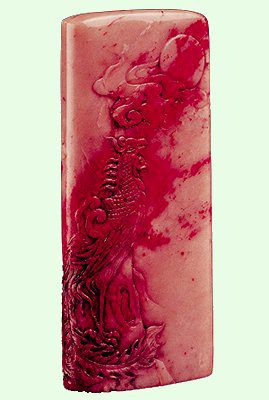
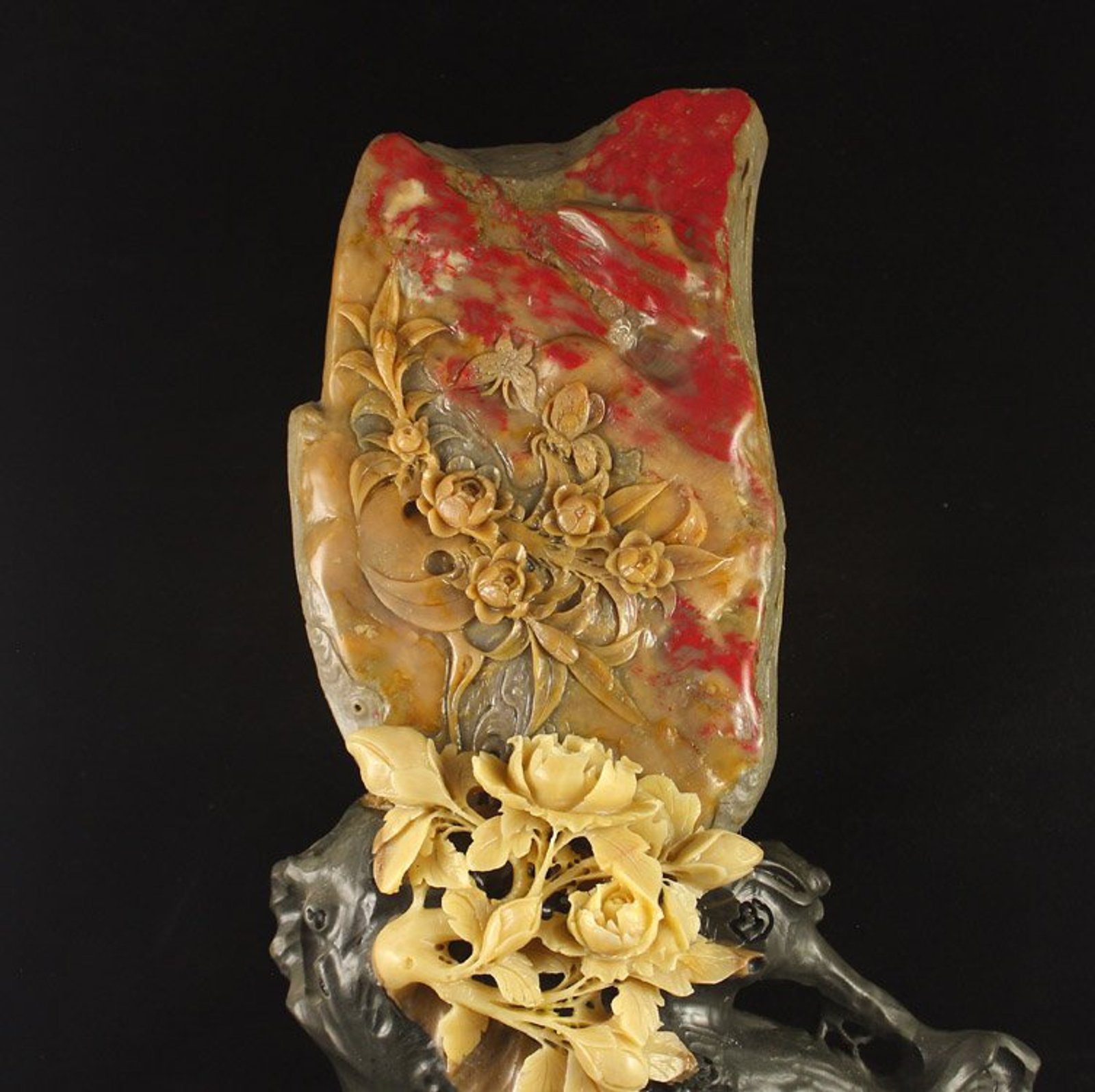
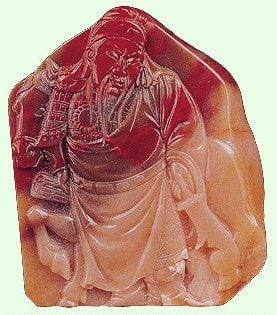
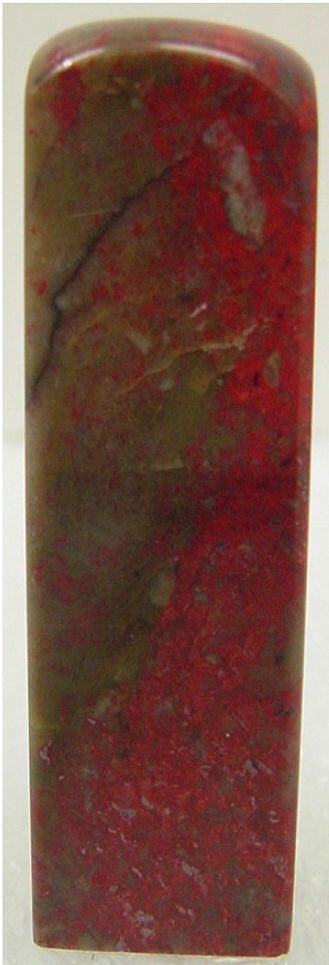
Chicken-blood stone is actually a rock, or mix of minerals, used as a gem material. This fine-grained mixture consists of clay (dickite and kaolinite) and quartz, with varying amounts of cinnabar. The cinnabar content gives this material its red spots, streaks, and patterns.
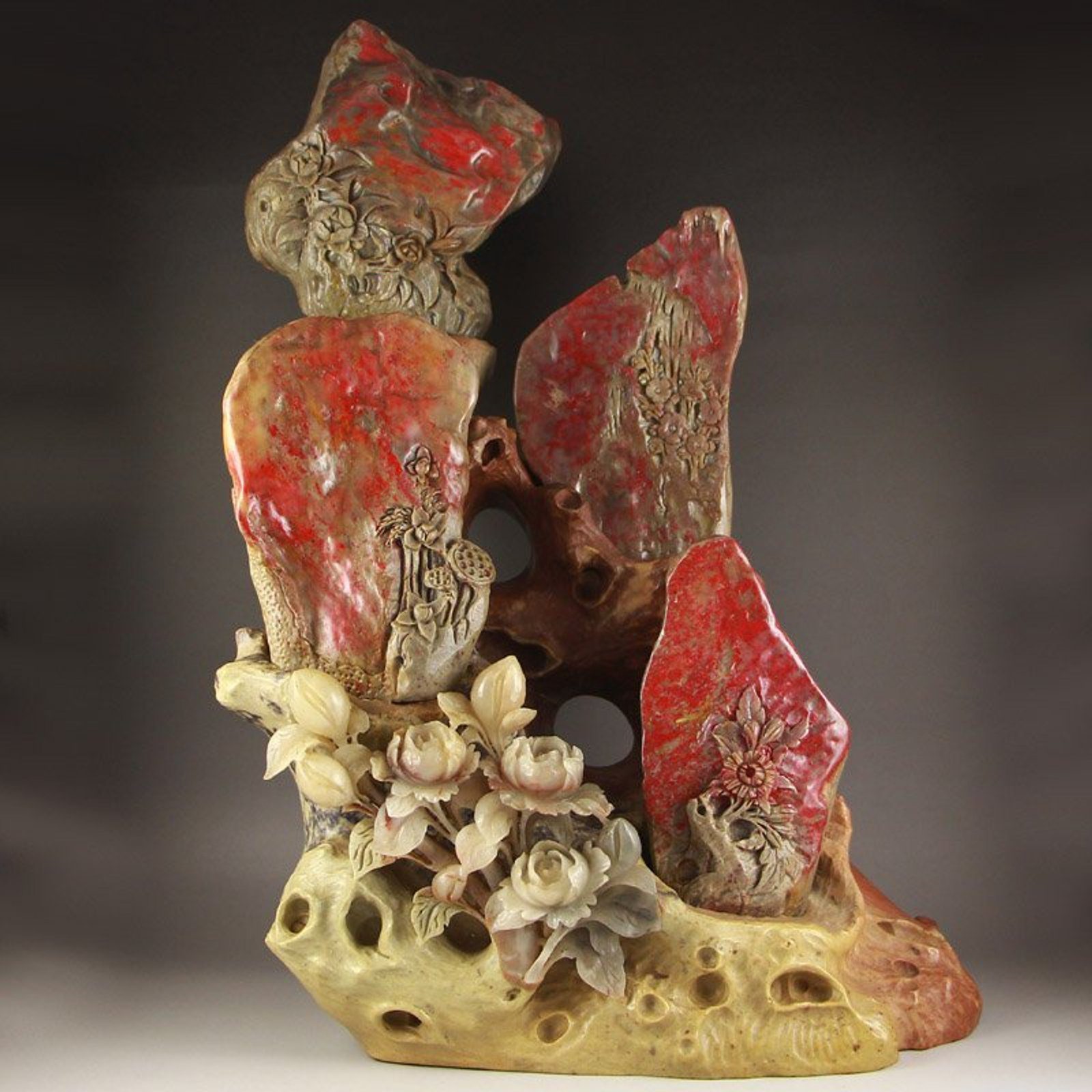
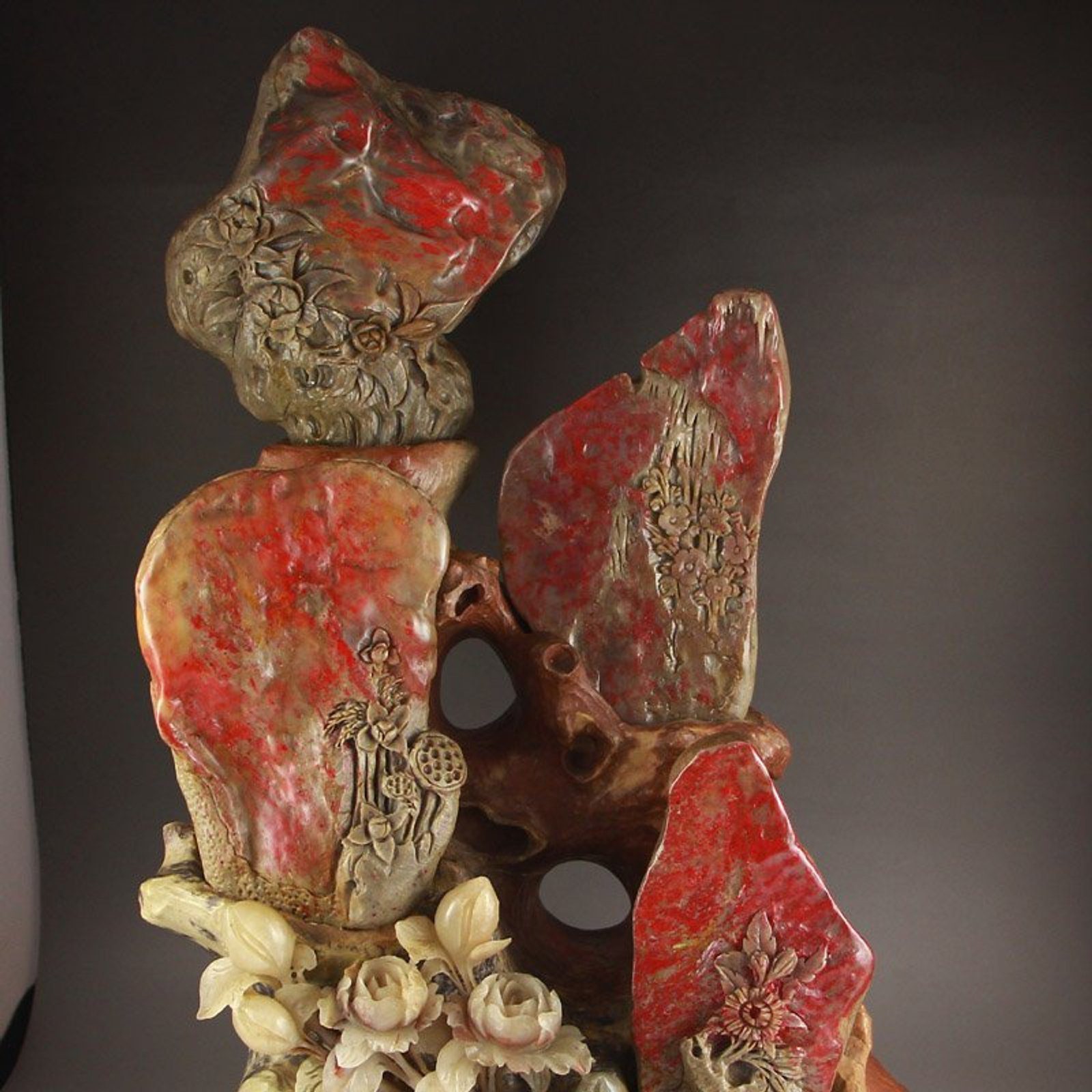
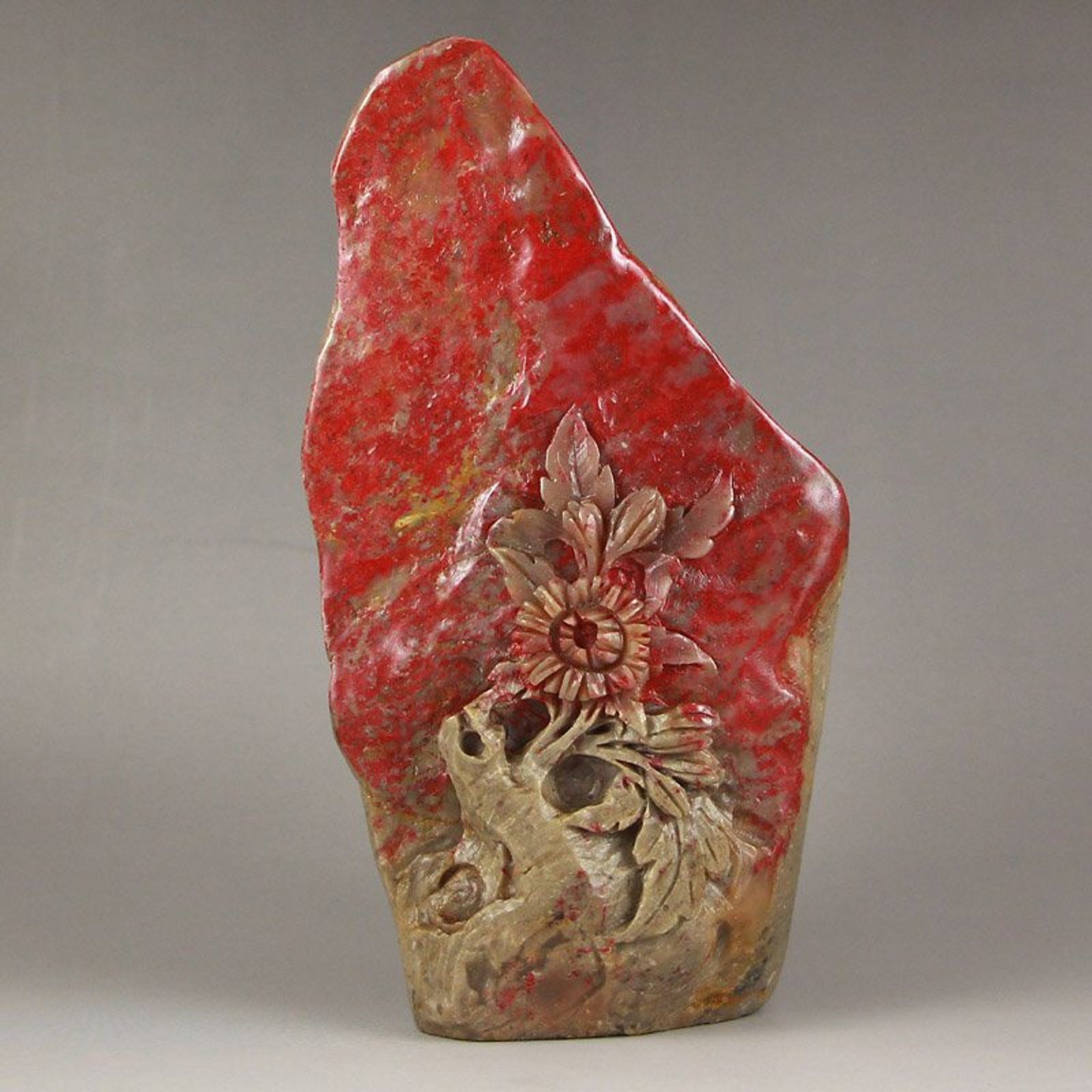
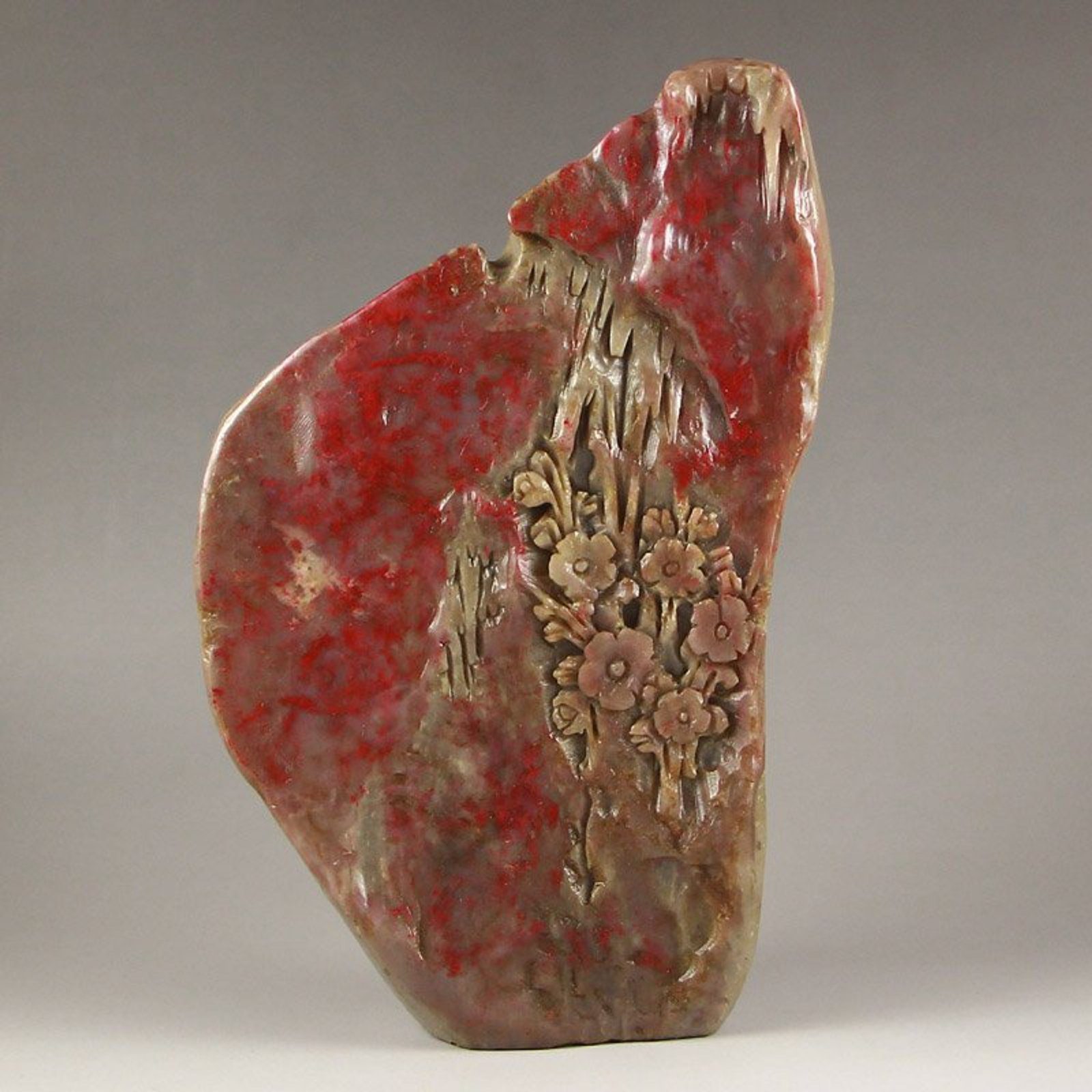
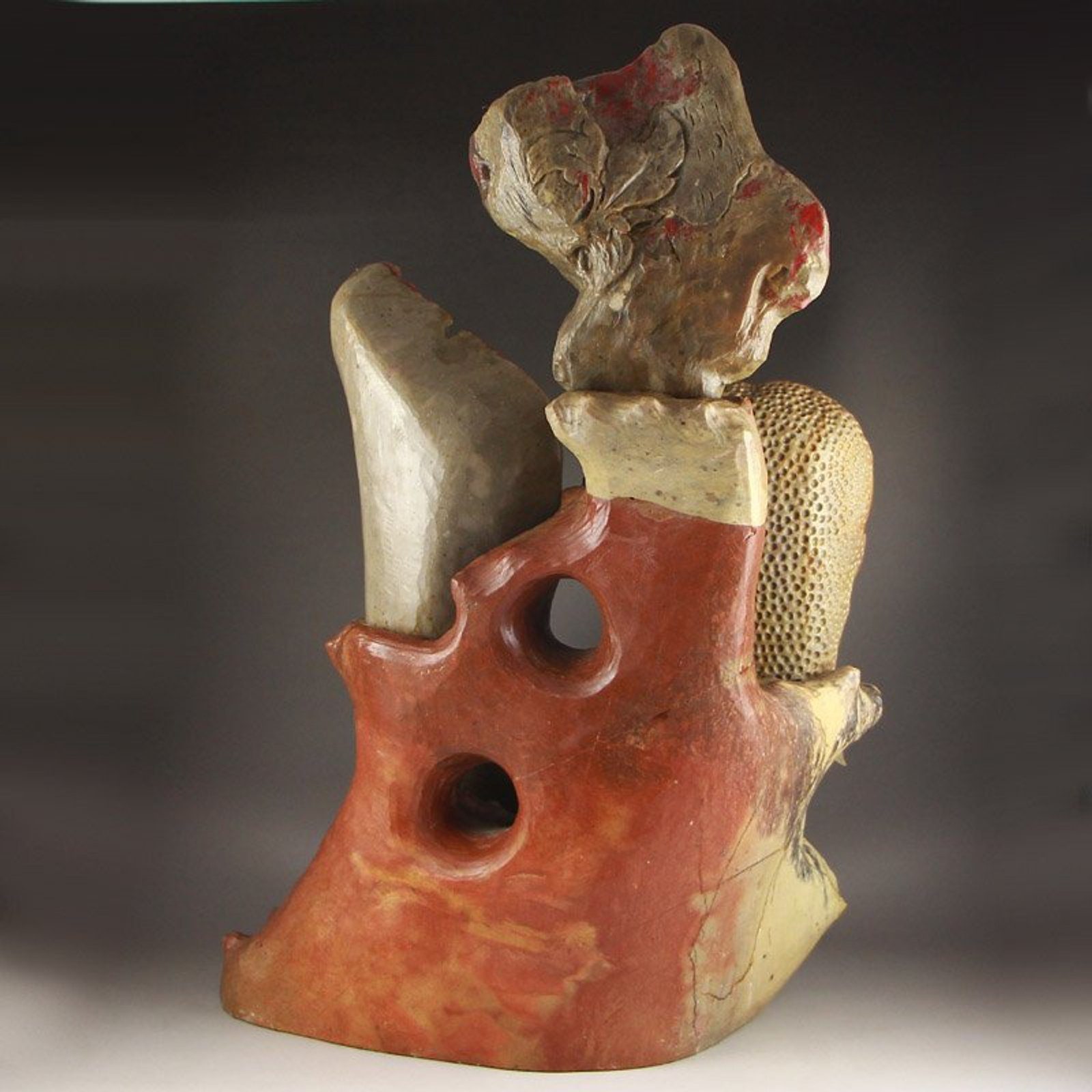
Set of natural, Chinese chicken-blood stone statues. Images courtesy of liveauctioneers.com and Quan Rong Gallery.
As jewelry, chicken-blood stones earn the "Display Only" grade for wearability. Reserve this material for display or decorative purposes only. Furthermore, store or display any chicken-blood stones away from sunlight, since cinnabar tends to turn brown when exposed to sunlight. Any change in an object's prized red color will lower its value and appeal.
Although the quartz content has a high hardness of 7, clay and cinnabar have very low hardness (2-2.5). This variation makes working with this material quite challenging for lapidary artists.
Normal handling of finished chicken-blood stone jewelry and decorative objects should pose no health risks. However, jewelers and gem carvers should take special precautions when working with this material. The cinnabar in chicken-blood stones contains highly toxic mercury. Take care when cutting this material. Avoid inhaling dust or fumes and wash your hands after working with it. Read our article on lapidary safety for more recommendations.
Chicken-blood stones are so called due to their bright red splashes of color, which looks like fresh chicken blood. This material has eight basic colors, which blend or combine in different layers: red, black, white, yellow, green, blue, gray, and purple. Some specimens may be entirely red. The translucent body colors of the base rock, known as dong, can be white, yellow, or gray.
Please note that the gem known as bloodstone, with green body color and blood red spots, is a type of chalcedony. It represents a distinct gem material with different physical and optical properties. Iron oxides create its red to orange spots.
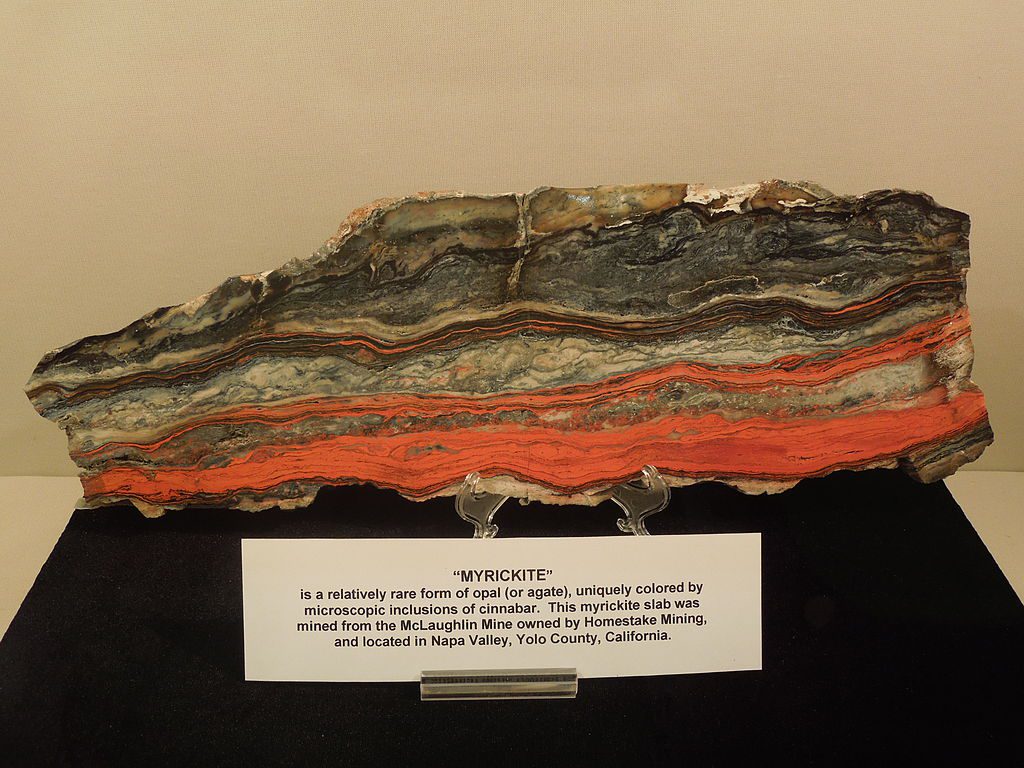
Another chalcedony variety, myrickite, has red spots and layers actually colored by cinnabar. Nevertheless, it's still distinct from chicken-blood stone.
There are no known lab-created chicken-blood stones. However, like other gemstones in high demand with strong symbolic associations, chicken-blood stones have inspired many imitations or simulants. For example, seals sold to tourists as genuine chicken-blood stone objects turned out to be steatite (talc) cores coated in yellow-brown plastic with red streaks. Other imitations include pieces with various red coatings, materials glued to natural pieces of cinnabar, and reconstituted materials with added red lead paint.
Only two known locations, both in China, produce chicken-blood stones: Changhua, Zhejiang Province and Balinyouqi, Inner Mongolia Autonomous Region.
Clean only with a soft brush, mild detergent, and warm water. See our jewelry cleaning guide for more recommendations.


When you join the IGS community, you get trusted diamond & gemstone information when you need it.
In China, the color red traditionally symbolizes good luck. Thus, the Chinese often give red seals made from chicken-blood stone to celebrate weddings, birthdays, promotions, and other successes.
Although jade, both jadeite and nephrite, is also highly prized (and its folklore more well-known in the West), Chinese consumers popularly consider chicken-blood stone a more powerful talisman against evil than jade.
Chicken-blood stone is actually a rock, or mix of minerals, used as a gem material. This fine-grained mixture consists of clay ( and ) and , with varying amounts of . The cinnabar content gives this material its red spots, streaks, and patterns.
Set of natural, Chinese chicken-blood stone statues. Images courtesy of liveauctioneers.com and Quan Rong Gallery.
As jewelry, chicken-blood stones earn the "Display Only" grade for wearability. Reserve this material for display or decorative purposes only. Furthermore, store or display any chicken-blood stones away from sunlight, since cinnabar tends to turn brown when exposed to sunlight. Any change in an object's prized red color will lower its value and appeal.
Although the quartz content has a high hardness of 7, clay and cinnabar have very low hardness (2-2.5). This variation makes working with this material quite challenging for lapidary artists.
Normal handling of finished chicken-blood stone jewelry and decorative objects should pose no health risks. However, jewelers and gem carvers should take special precautions when working with this material. The cinnabar in chicken-blood stones contains highly toxic mercury. Take care when cutting this material. Avoid inhaling dust or fumes and wash your hands after working with it. Read our article on lapidary safety for more recommendations.
Chicken-blood stones are so called due to their bright red splashes of color, which looks like fresh chicken blood. This material has eight basic colors, which blend or combine in different layers: red, black, white, yellow, green, blue, gray, and purple. Some specimens may be entirely red. The translucent body colors of the base rock, known as dong, can be white, yellow, or gray.
Please note that the gem known as bloodstone, with green body color and blood red spots, is a type of chalcedony. It represents a distinct gem material with different physical and optical properties. Iron oxides create its red to orange spots.
Another chalcedony variety, myrickite, has red spots and layers actually colored by cinnabar. Nevertheless, it's still distinct from chicken-blood stone.
There are no known lab-created chicken-blood stones. However, like other gemstones in high demand with strong symbolic associations, chicken-blood stones have inspired many imitations or simulants. For example, seals sold to tourists as genuine chicken-blood stone objects turned out to be steatite (talc) cores coated in yellow-brown plastic with red streaks. Other imitations include pieces with various red coatings, materials glued to natural pieces of cinnabar, and reconstituted materials with added red lead paint.
Only two known locations, both in China, produce chicken-blood stones: Changhua, Zhejiang Province and Balinyouqi, Inner Mongolia Autonomous Region.
Clean only with a soft brush, mild detergent, and warm water. See our jewelry cleaning guide for more recommendations.


One of the most prized ornamental materials in China, chicken-blood stone has been used for centuries to create carvings with characteristic red markings. However, its physical properties can vary considerably.
As with other ornamental objects, chicken-blood stone’s value is based primarily on artistry and workmanship. You should also take into consideration any antique value. For more information, consult our article on grading gem carvings.