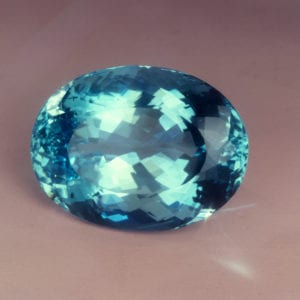
Aquamarine Grading and Pricing
Aquamarines are evaluated based on the Four Cs: color, clarity, cut, and carat. Learn how each factor affects aquamarine grading and pricing.…
Aquamarines are evaluated based on the Four Cs: color, clarity, cut, and carat. Learn how each factor affects aquamarine grading and pricing.…
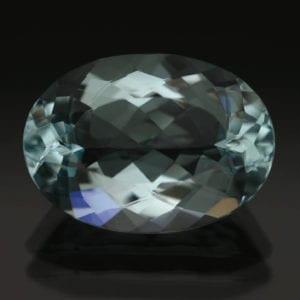
Named after the color of sea water, aquamarine is the blue to blue-green member of the beryl family. Readily available and moderately priced, the…
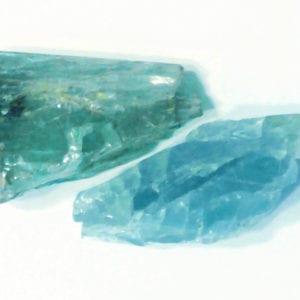
The most common aquamarine enhancements try to turn blueish green stones pure blue. Learn how heating and other aquamarine treatments work.
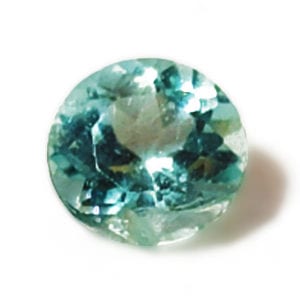
Aquamarines are fairly tough jewelry stones, but they do have some weaknesses. Learn about aquamarine durability and what precautions you should…
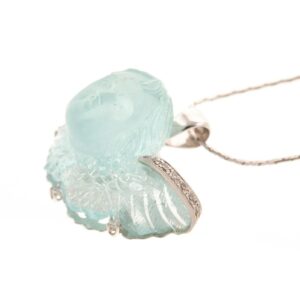
Synthetic aquamarines are relatively rare, but gemologists may encounter them. Learn how these stones are made and how to distinguish them from…
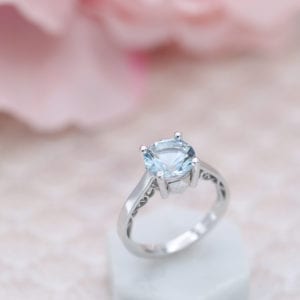
Aquamarines can look great, but what’s the best way to mount them? Novice jewelers should learn the pros and cons of various aquamarine setting…
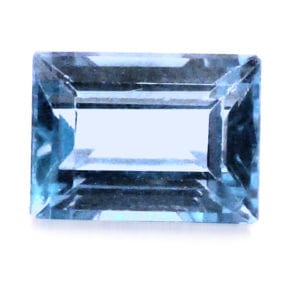
How can gemologists quickly distinguish aquamarines from aquamarine imitations? We’ll review some common lookalikes and their most notable…
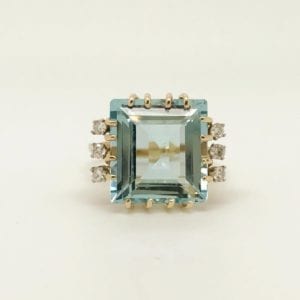
Discover the complete aquamarine buying guide with expert tips on color, clarity, cut, and carat. Learn about treatments, synthetics, and alternatives…
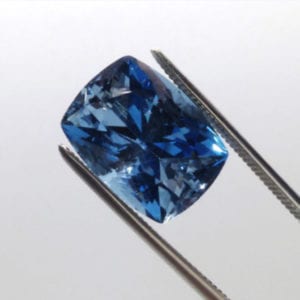
Aquamarines are popular gemstones and can be found in many areas worldwide. Learn about some prized varieties and the most important aquamarine…
 IGS Become Member