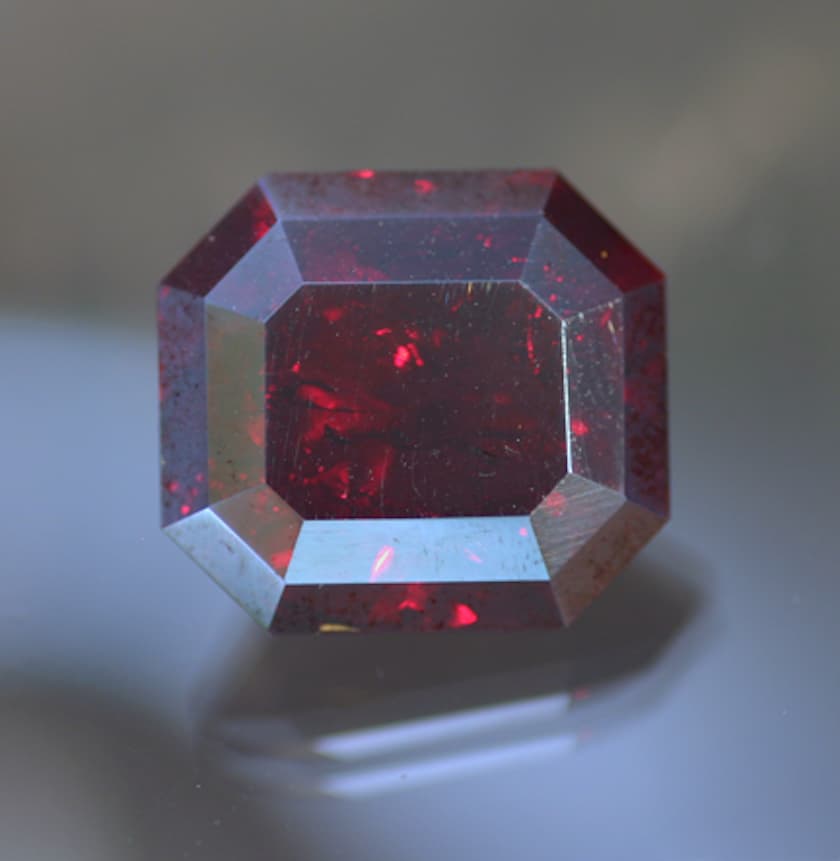
Learn the difference between allochromatic and idiochromatic gems and why some gem species can occur in many color varieties and others occur only in one.
3 Minute Read
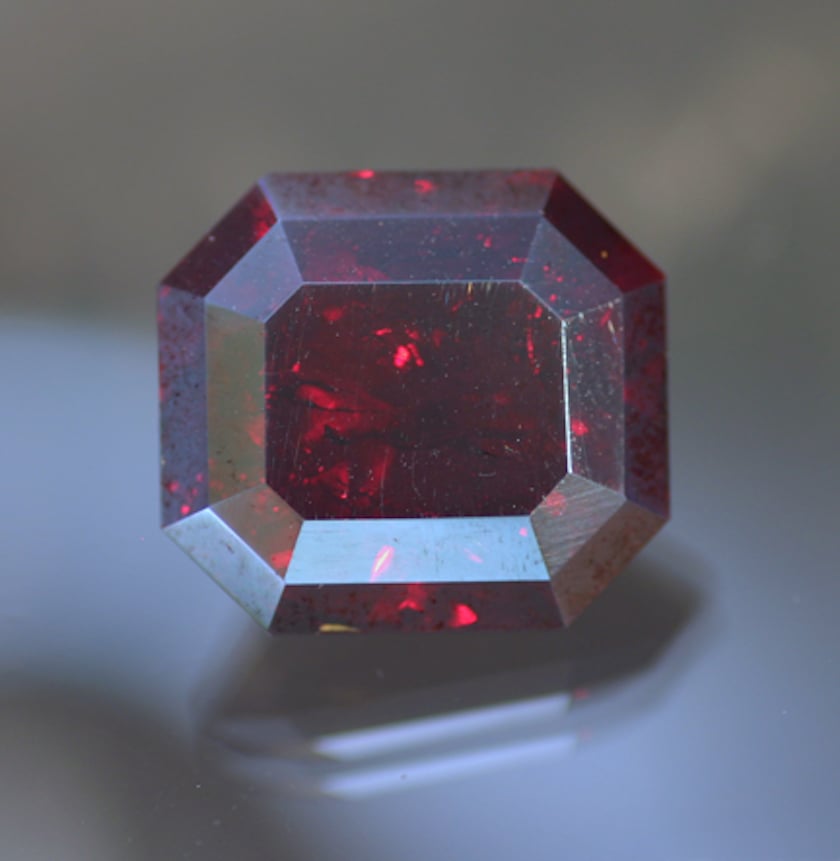
The elements in a gemstone can affect the color we perceive. In gemstones, two large groups of elements can absorb visible light.
The light spectra not absorbed by the gemstone are transmitted or reflected back to the viewer. We see these wavelengths of light and process them as color.
Other factors besides absorption can affect the gem color viewers see. These may include:
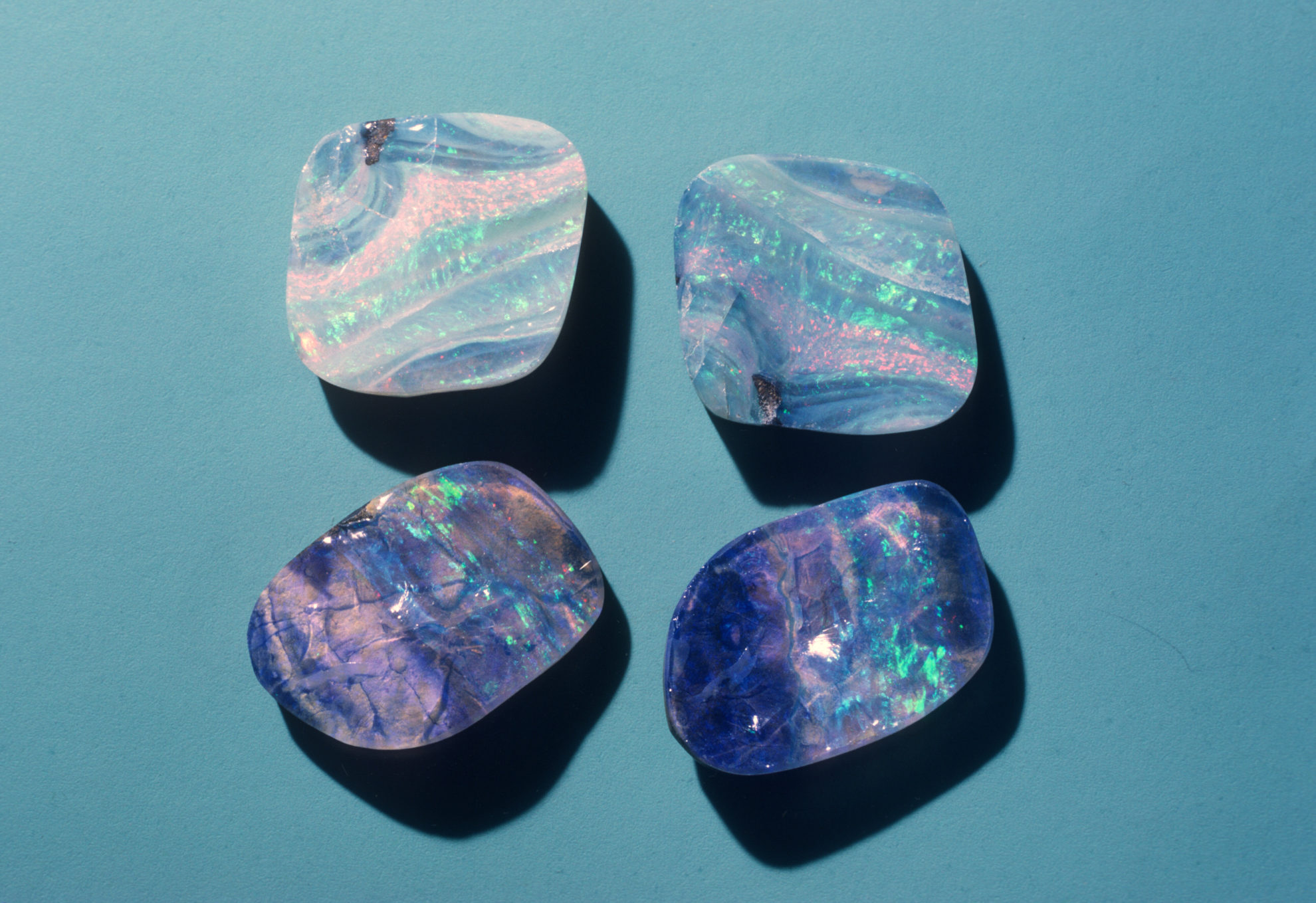
In addition, gemstone phenomenal effects, such as play of color and iridescence, may show colors. Reflections from inclusions inside of gems can also create color effects such as the aventurescence of aventurine and the schiller of sunstone.
Gemstone treatments can also affect gem color. These may include:
Some elements are impurities within a gem; others are essential components of a gemstone's chemistry. Impurities and essential elements play different roles in gemstone coloration.
Some gems contain traces or "impurities" of light absorbing elements that act as chromophores. They aren't essential parts of gemstone chemical structure, but nonetheless play a key role in coloration. Gems that receive their color from impurities are known as allochromatic. In their pure state, these gems would be colorless.
On the other hand, some gems contain color-causing elements that are essential to their chemical structure. These are known as idiochromatic gems. Such gems are never found colorless. The coloring elements are essential to their composition as unique gem species.
While allochromatic gems may occur in various colors due to the presence of different trace elements, idiochromatic gems only occur in a single color.
Most well-known jewelry gemstones, including quartz, spinel, topaz, and tourmaline, are allochromatic. Let's take a closer look at the beryl family, which includes many popular allochromatic gems.
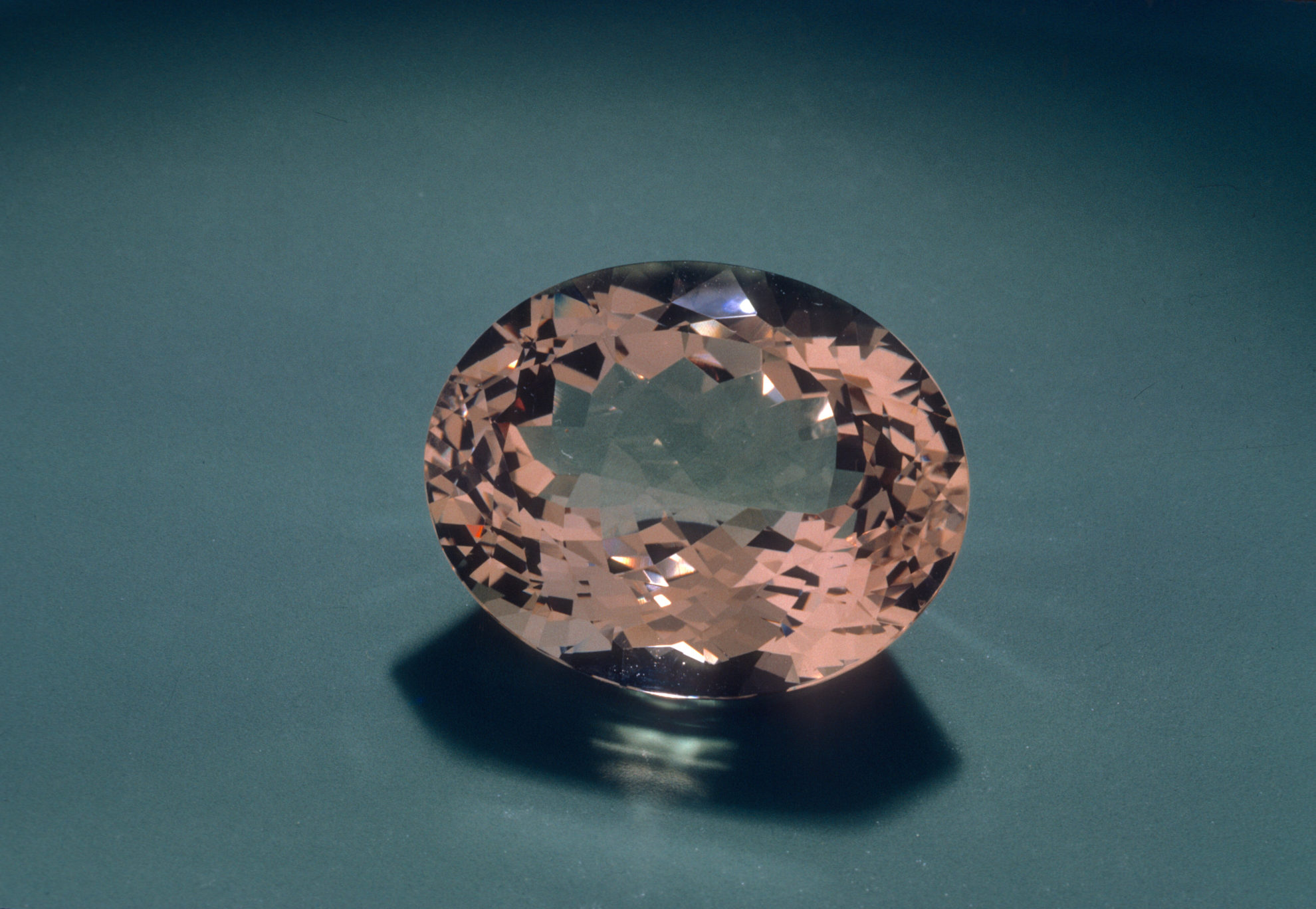
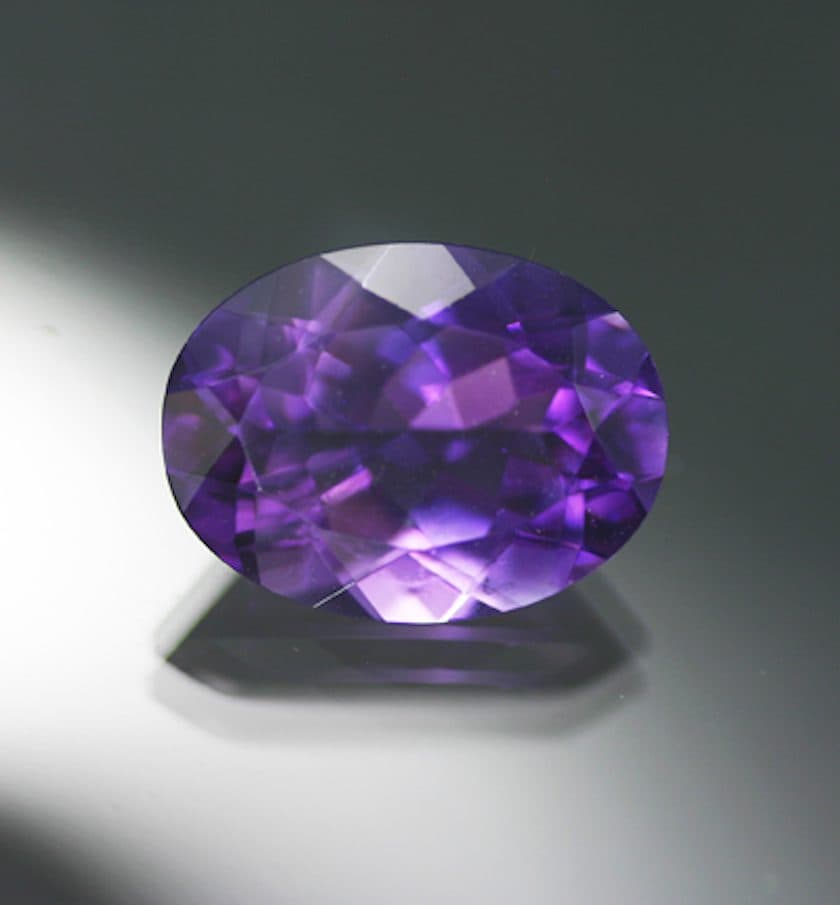
The beryl family includes gem varieties such as green emerald, pink morganite, and blue to blue-green aquamarine. The chemical formula for all these varieties of beryl remains the same: Be3Al2Si6O18. Trace elements in beryls create these color varieties. Thus, beryl is allochromatic.
The presence of the same trace element in different allochromatic gems doesn't necessarily cause the same color effect. For example:
(Pure corundum is colorless. Other impurities in corundum cause the many colored varieties of sapphire).
Although an allochromatic gem's coloring agent is a trace element, other factors can still affect the color viewers see. For example, iron's oxidation state can affect the color it imparts.
(The oxidation state affects how iron bonds to neighboring atoms in the crystal).
Some gems occur in only one color. For example, malachite is invariably green. The element copper (Cu), its coloring agent, is an essential component of its chemical formula: Cu2CO3(OH)2. Thus, malachites are idiochromatic gems.
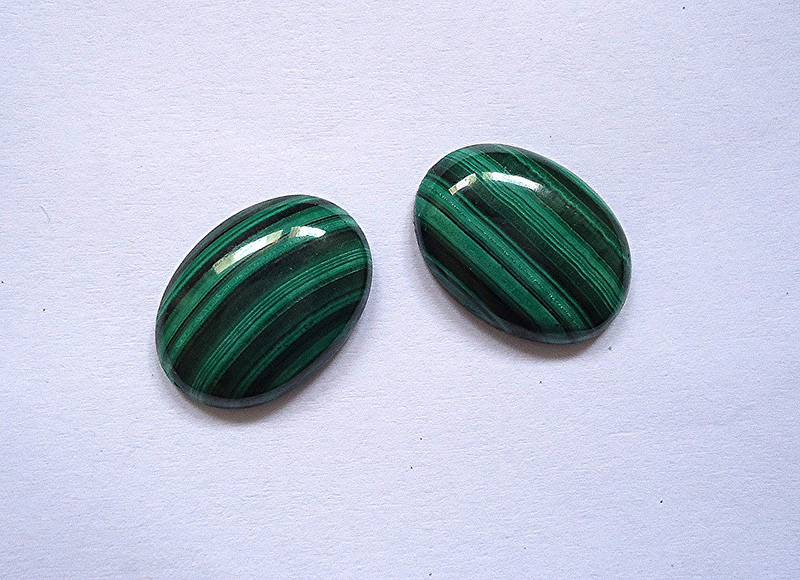
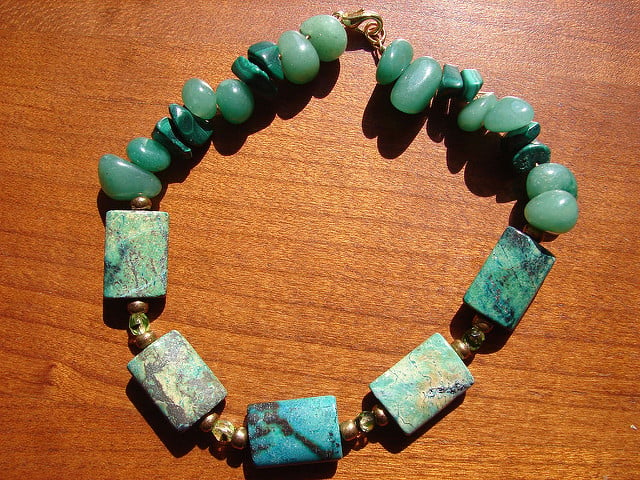
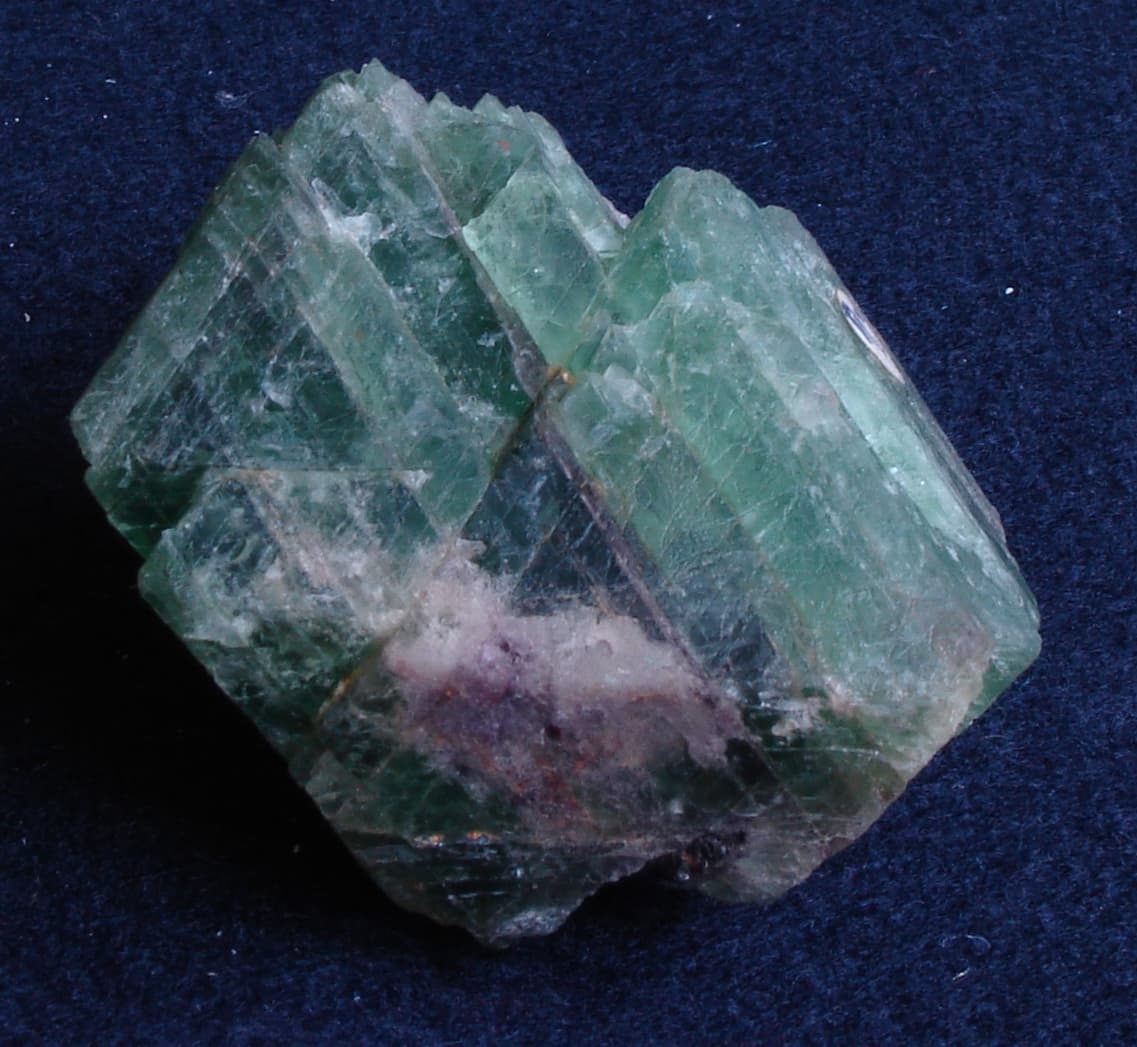
The presence of the same essential element in different idiochromatic gems doesn't necessarily impart the same color. For example:
Just as in allochromatic gems, other factors in addition to the coloring agent can affect the color we can see in idiochromatic gems.




When you join the IGS community, you get trusted diamond & gemstone information when you need it.
The elements in a gemstone can affect the color we perceive. In gemstones, two large groups of elements can absorb visible light.
The light spectra not absorbed by the gemstone are transmitted or reflected back to the viewer. We see these wavelengths of light and process them as color.
Other factors besides absorption can affect the gem color viewers see. These may include:
In addition, gemstone phenomenal effects, such as play of color and iridescence, may show colors. Reflections from inclusions inside of gems can also create color effects such as the aventurescence of aventurine and the schiller of sunstone.
Gemstone treatments can also affect gem color. These may include:
Some elements are impurities within a gem; others are essential components of a gemstone's chemistry. Impurities and essential elements play different roles in gemstone coloration.
Some gems contain traces or "impurities" of light absorbing elements that act as chromophores. They aren't essential parts of gemstone chemical structure, but nonetheless play a key role in coloration. Gems that receive their color from impurities are known as allochromatic. In their pure state, these gems would be colorless.
On the other hand, some gems contain color-causing elements that are essential to their chemical structure. These are known as idiochromatic gems. Such gems are never found colorless. The coloring elements are essential to their composition as unique gem species.
While allochromatic gems may occur in various colors due to the presence of different trace elements, idiochromatic gems only occur in a single color.
Most well-known jewelry gemstones, including quartz, spinel, topaz, and tourmaline, are allochromatic. Let's take a closer look at the beryl family, which includes many popular allochromatic gems.
The beryl family includes gem varieties such as green emerald, pink morganite, and blue to blue-green aquamarine. The chemical formula for all these varieties of beryl remains the same: Be3Al2Si6O18. Trace elements in beryls create these color varieties. Thus, beryl is allochromatic.
The presence of the same trace element in different allochromatic gems doesn't necessarily cause the same color effect. For example:
(Pure corundum is colorless. Other impurities in corundum cause the many colored varieties of sapphire).
Although an allochromatic gem's coloring agent is a trace element, other factors can still affect the color viewers see. For example, iron's oxidation state can affect the color it imparts.
(The oxidation state affects how iron bonds to neighboring atoms in the crystal).
Some gems occur in only one color. For example, malachite is invariably green. The element copper (Cu), its coloring agent, is an essential component of its chemical formula: Cu2CO3(OH)2. Thus, malachites are idiochromatic gems.
The presence of the same essential element in different idiochromatic gems doesn't necessarily impart the same color. For example:
Just as in allochromatic gems, other factors in addition to the coloring agent can affect the color we can see in idiochromatic gems.