2 Minute Read
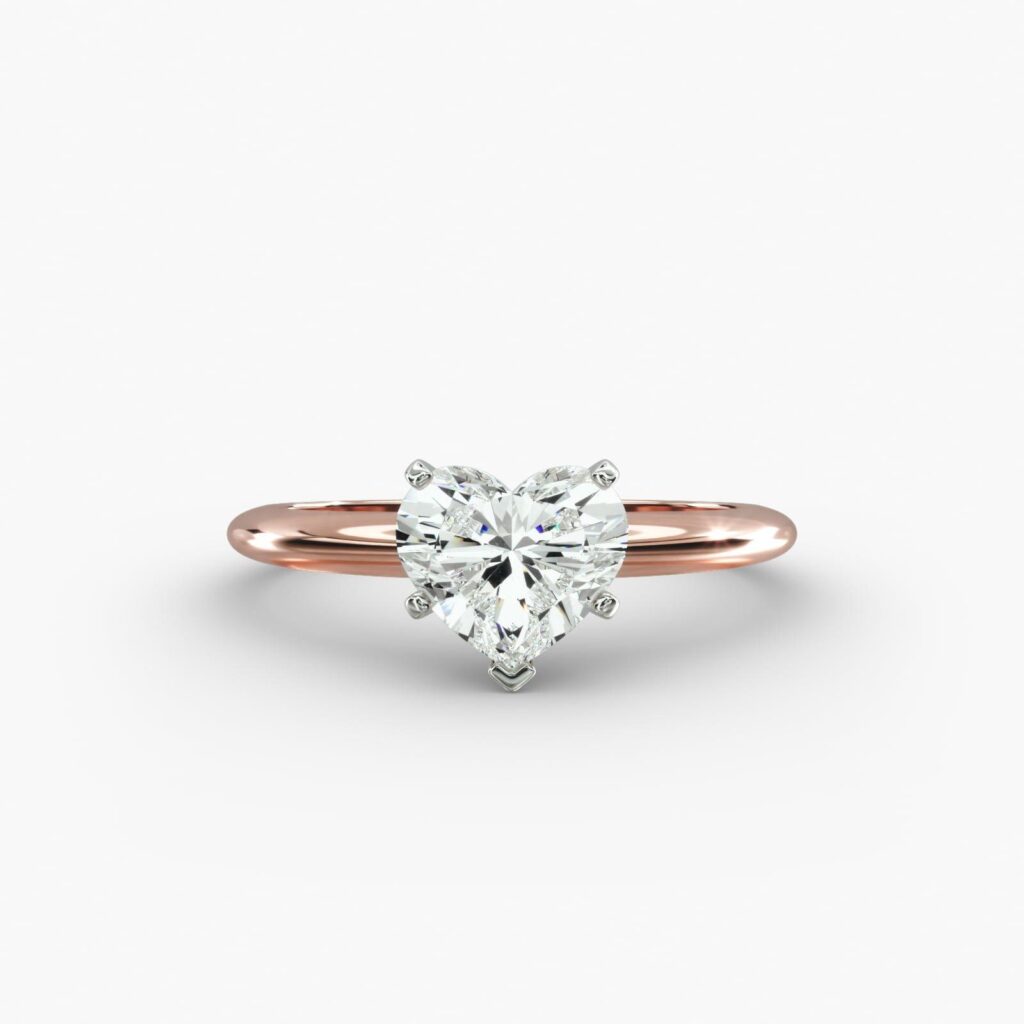
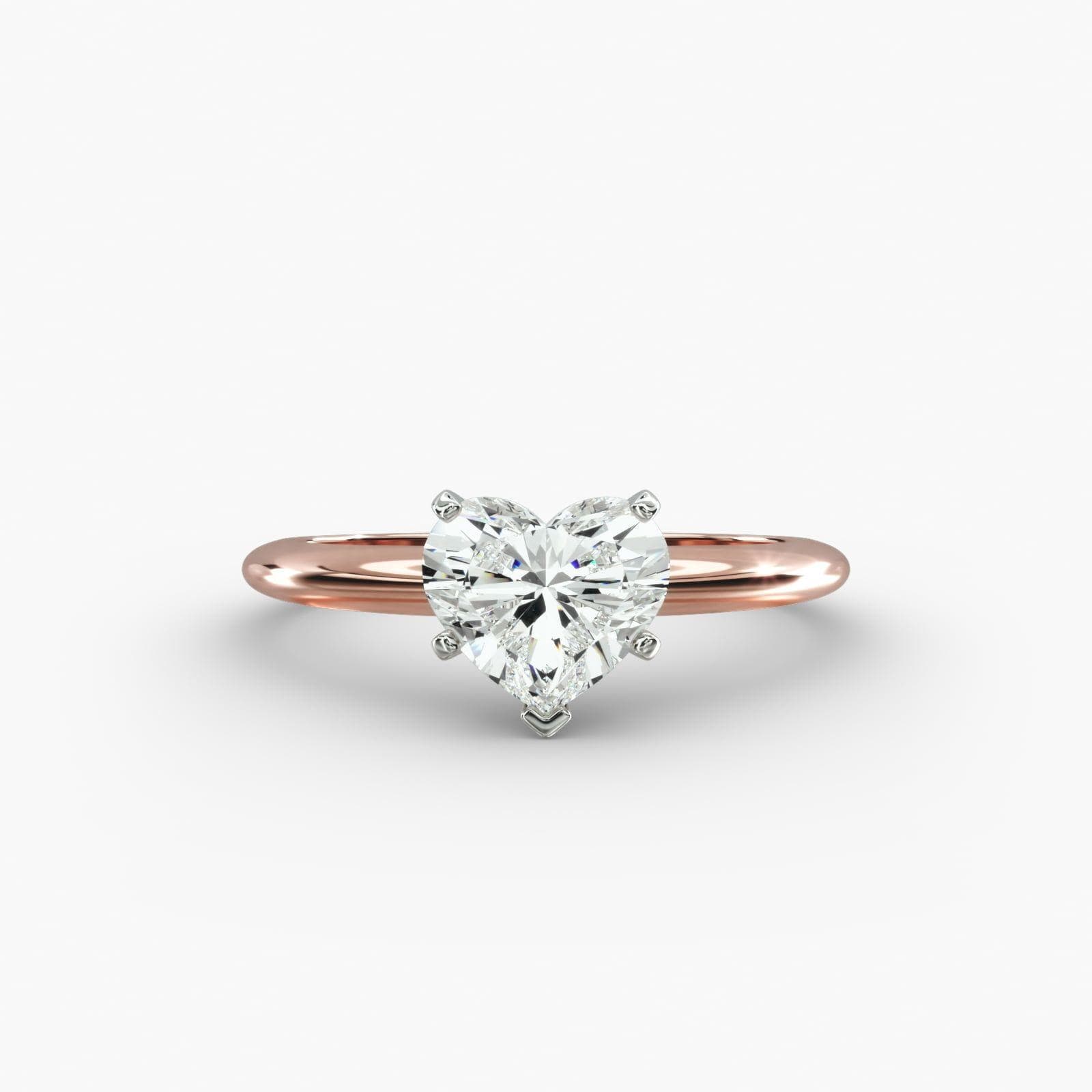
The best setting for a heart shaped diamond ring is a solitaire. Any other setting style will compete with the unique cut of the heart shaped diamond. However, if you a slightly more complex setting than a solitaire, then opt for a split shank.
By nature, a heart shaped diamond is a very visually engaging shape. While other popular diamond cuts like rounds, ovals, emeralds, and marquises have multiple planes of symmetry, hearts have only one. Also, there are lots of ways that cutters can play with the proportions of hearts. Some gems may appear very rounded while others are more elongated. Due to this complexity, it takes the eye a beat longer to fully understand the shape of your unique stone. This is a good thing! It means that the gem will hold the gaze of admirers.
Solitaire settings are called classics for a reason. Any diamond looks good in a solitaire mounting, but the solitaire is especially well-suited for a heart shaped diamond because of the simplicity of the setting. The shape of the stone shouldn't compete with other design elements in the setting.
There are several options for solitaire settings: four prong, six prong, and bezel are our favorites. Our heart shaped diamond buying guide explains the advantages and disadvantages of each of these options.
You can take advantage of the one plane of symmetry of the heart shape by selecting a complementary band. Designs which feel unbalanced when paired with other shapes can work well with hearts.
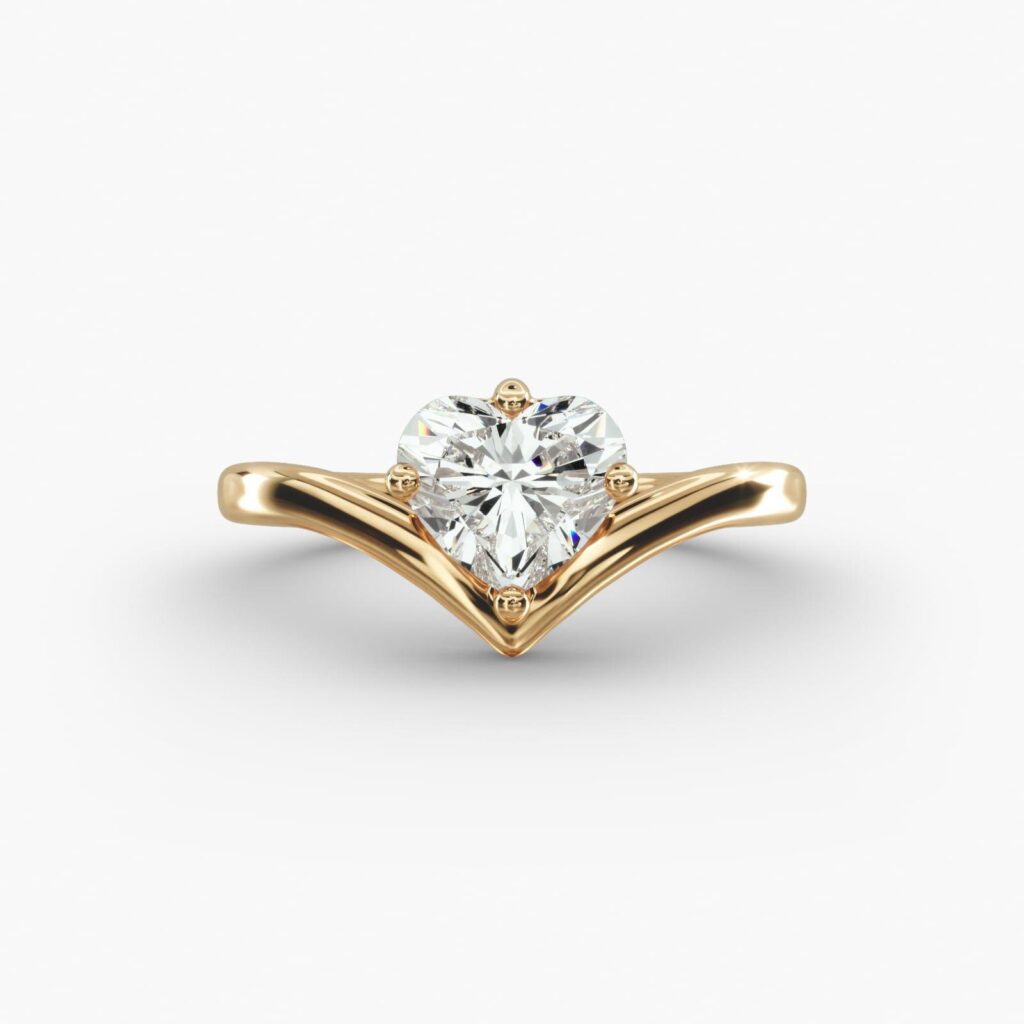
Even though this 18k yellow gold band hugs only the bottom tip of the diamond, the broad shoulders of the heart that sit above the metal keeps everything feeling balanced.
Heart shaped diamonds are a daring choice that can stand up to busy bands. If you want your ring to be distinctive and flashy, go for a mounting with lots of character!
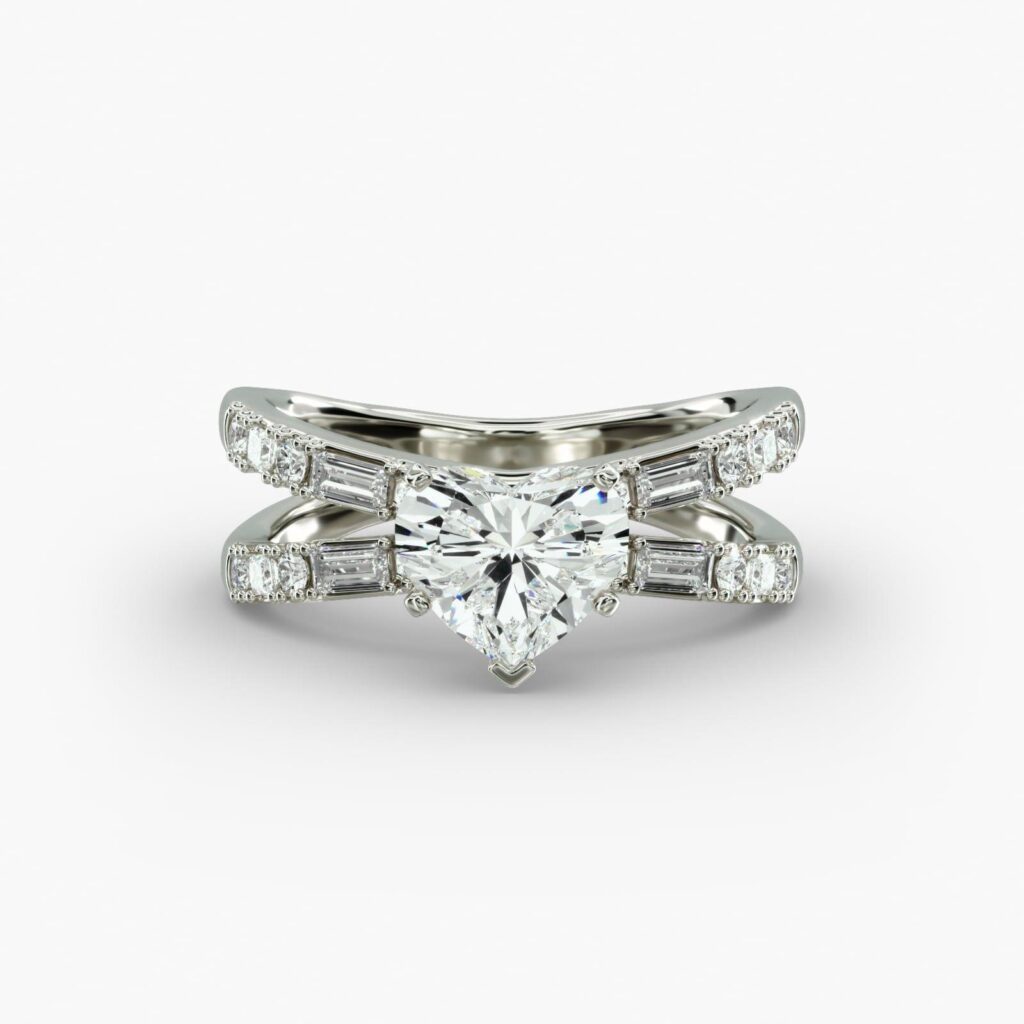
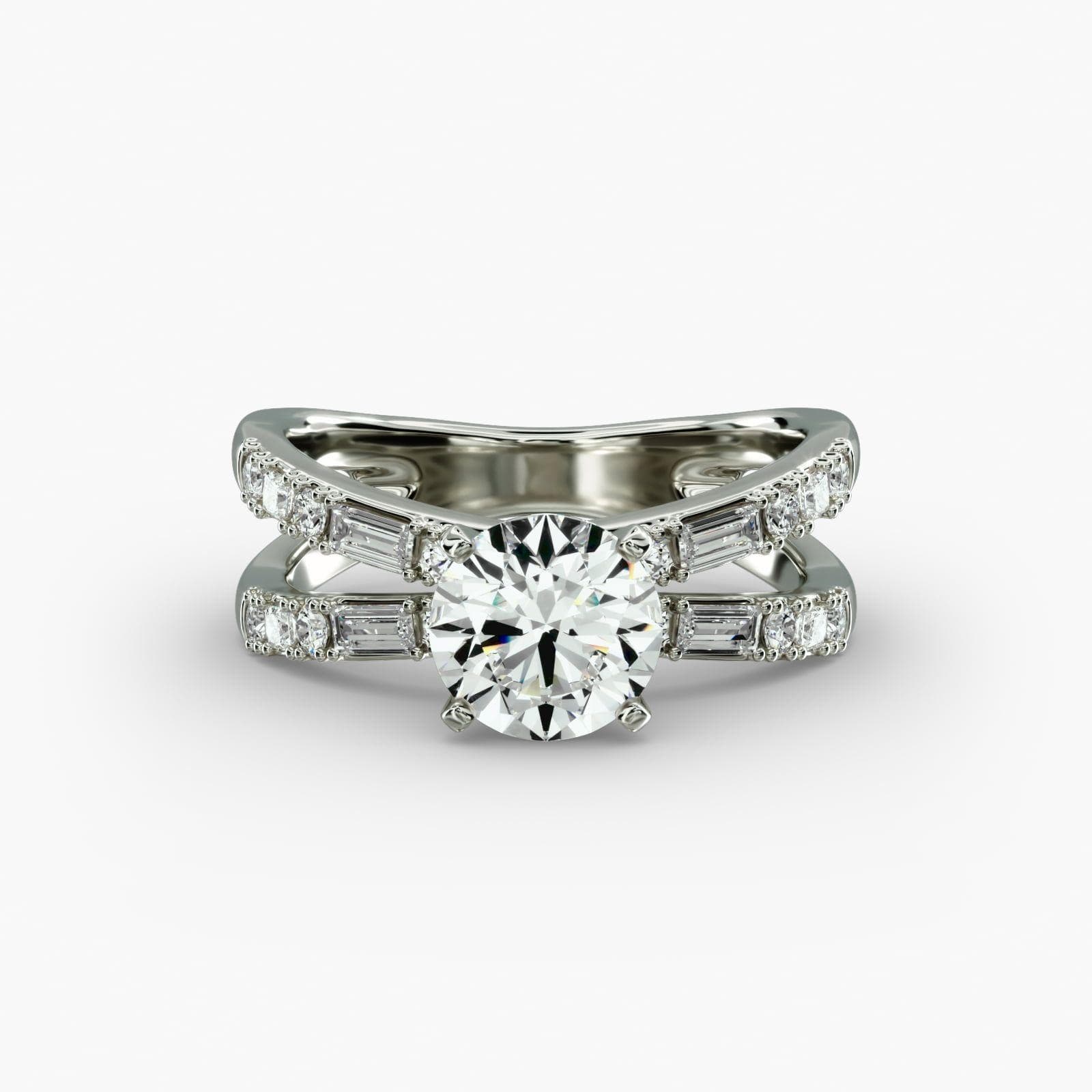
This 14k white gold ring featuring a primary heart shaped diamond paired with a split shank is sure to be noticed!


When you join the IGS community, you get trusted diamond & gemstone information when you need it.
The best setting for a heart shaped diamond ring is a solitaire. Any other setting style will compete with the unique cut of the heart shaped diamond. However, if you a slightly more complex setting than a solitaire, then opt for a split shank.
By nature, a heart shaped diamond is a very visually engaging shape. While other popular diamond cuts like rounds, ovals, emeralds, and marquises have multiple planes of symmetry, hearts have only one. Also, there are lots of ways that cutters can play with the proportions of hearts. Some gems may appear very rounded while others are more elongated. Due to this complexity, it takes the eye a beat longer to fully understand the shape of your unique stone. This is a good thing! It means that the gem will hold the gaze of admirers.
Solitaire settings are called classics for a reason. Any diamond looks good in a solitaire mounting, but the solitaire is especially well-suited for a heart shaped diamond because of the simplicity of the setting. The shape of the stone shouldn't compete with other design elements in the setting.
There are several options for solitaire settings: four prong, six prong, and bezel are our favorites. Our heart shaped diamond buying guide explains the advantages and disadvantages of each of these options.
You can take advantage of the one plane of symmetry of the heart shape by selecting a complementary band. Designs which feel unbalanced when paired with other shapes can work well with hearts.
Even though this 18k yellow gold band hugs only the bottom tip of the diamond, the broad shoulders of the heart that sit above the metal keeps everything feeling balanced.
Heart shaped diamonds are a daring choice that can stand up to busy bands. If you want your ring to be distinctive and flashy, go for a mounting with lots of character!
This 14k white gold ring featuring a primary heart shaped diamond paired with a split shank is sure to be noticed!

Click On The Coupons Below to Save Money on Your Jewelry!
*See website for exclusions and restrictions.