Jeff R Graham shares determining c axis on topaz. See his answers to How do I tell where the "c" axis on Topaz is and orientate it?.
1 Minute Read
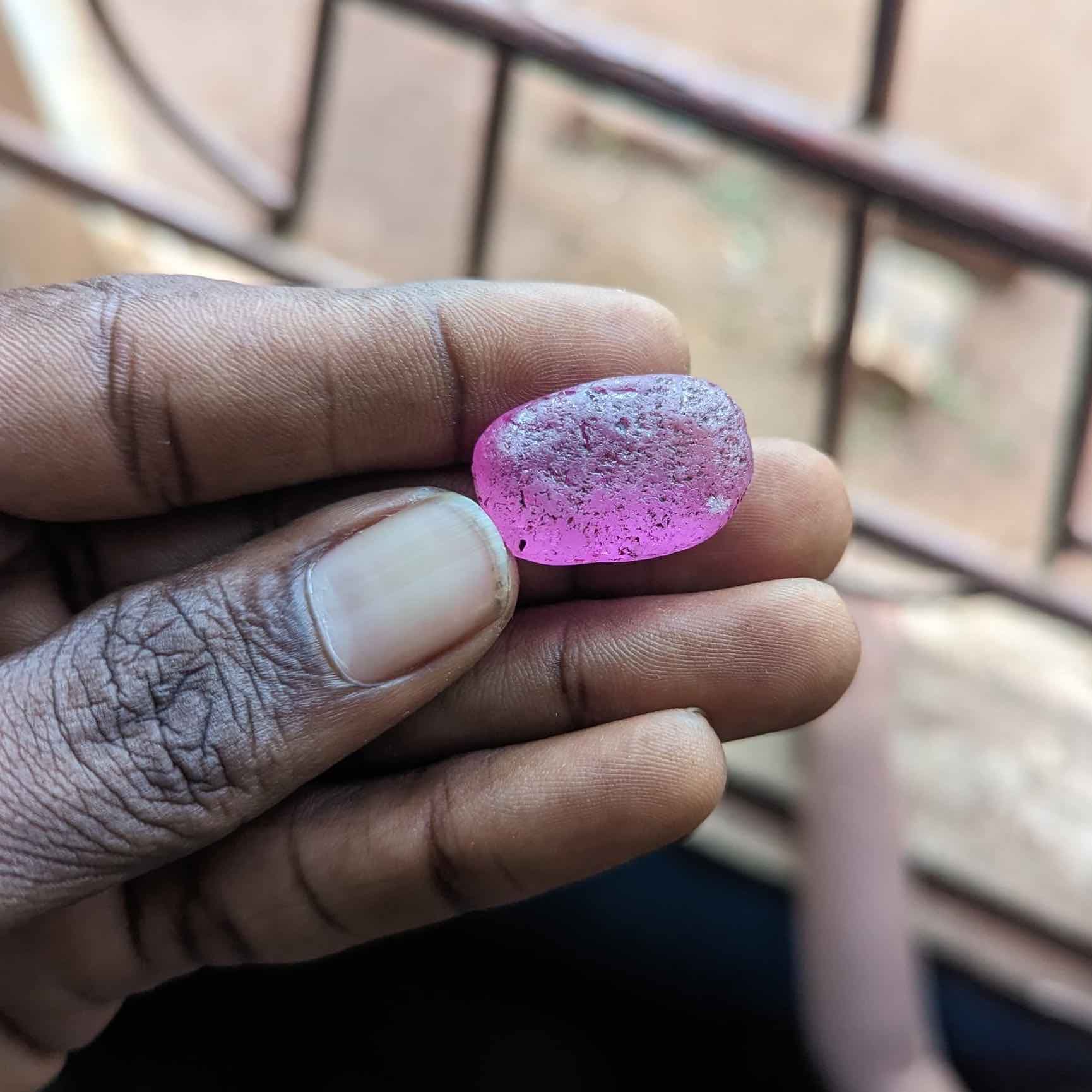
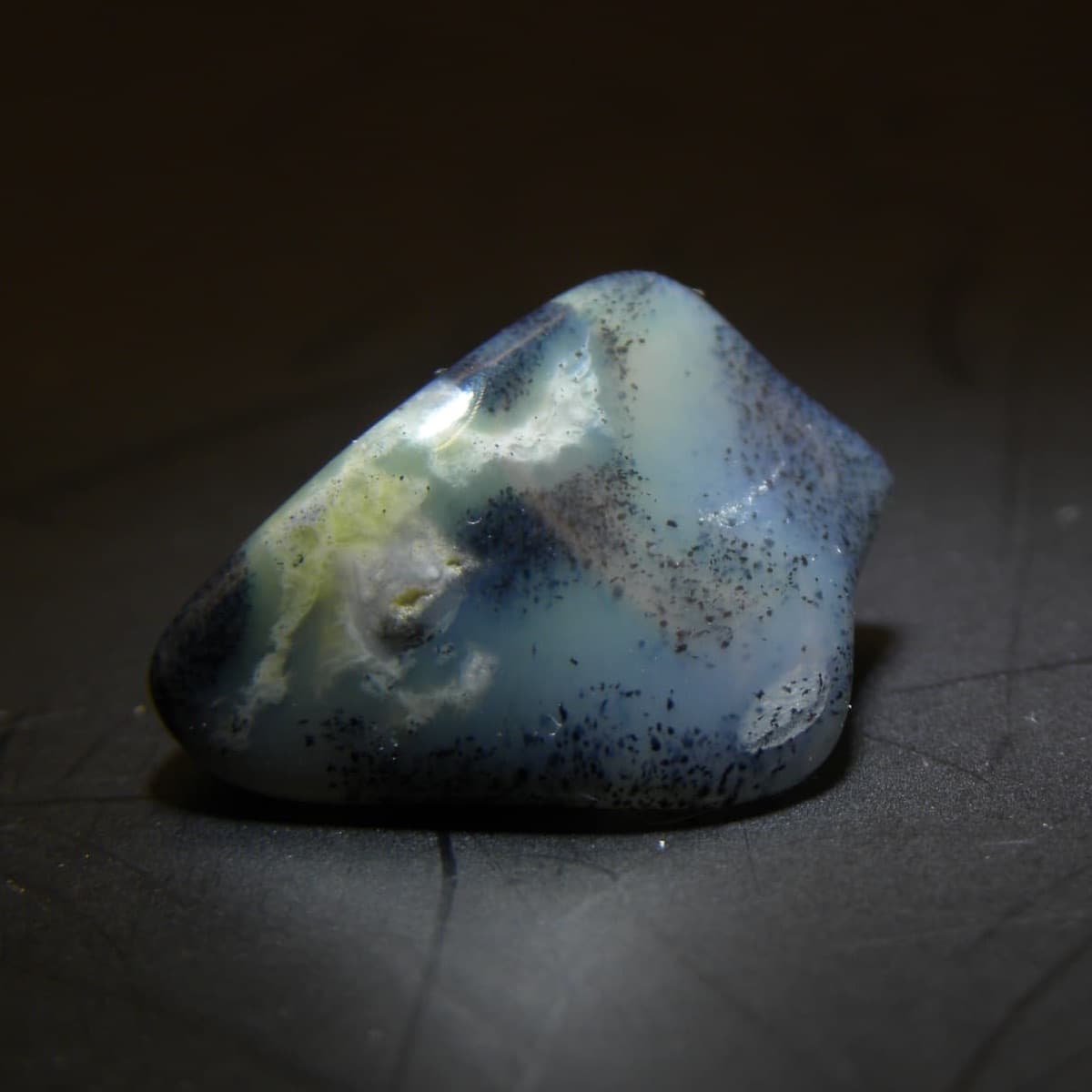
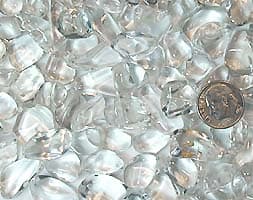
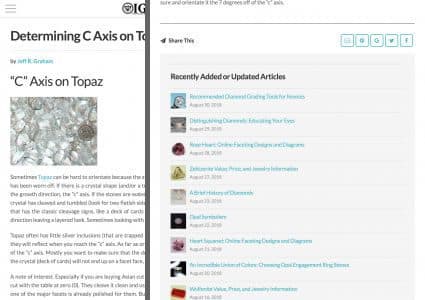
Sometimes Topaz can be hard to orientate because the stones have been water worn and the crystal shape has been worn off. If there is a crystal shape (and/or a termination point) the cleavage is perpendicular to the growth direction, the “c” axis. If the stones are water worn there is usually flat areas (sides) where the crystal has cleaved and tumbled (look for two flatish sides parallel to each other). Also there is often a side that has the classic cleavage signs, like a deck of cards that someone has shaved a side off in a diagonal direction leaving a layered look. Sometimes looking with a loop will help you see them.
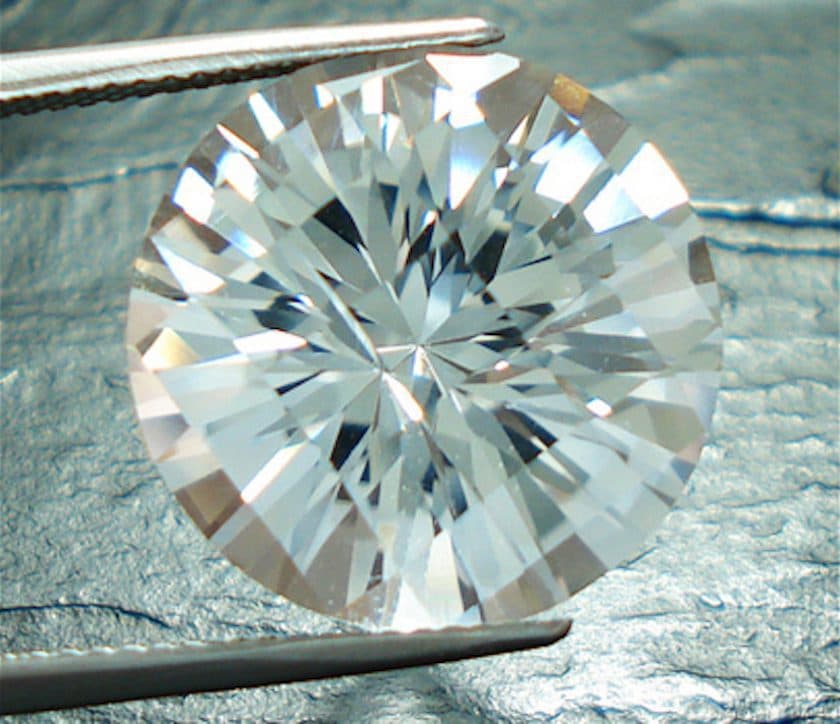
Topaz often has little silver inclusions (that are trapped between layers), that when you turn it in the light they will reflect when you reach the “c” axis. As far as orientation for cutting, you want to be 7 degrees off of the “c” axis. Mostly you want to make sure that the deck of card type layers are cut so that the sides of the crystal (deck of cards) will not end up on a facet face, in particular a big facet.
…

When you join the IGS community, you get trusted diamond & gemstone information when you need it.
Sometimes Topaz can be hard to orientate because the stones have been water worn and the crystal shape has been worn off. If there is a crystal shape (and/or a termination point) the cleavage is perpendicular to the growth direction, the “c” axis. If the stones are water worn there is usually flat areas (sides) where the crystal has cleaved and tumbled (look for two flatish sides parallel to each other). Also there is often a side that has the classic cleavage signs, like a deck of cards that someone has shaved a side off in a diagonal direction leaving a layered look. Sometimes looking with a loop will help you see them.
Topaz often has little silver inclusions (that are trapped between layers), that when you turn it in the light they will reflect when you reach the “c” axis. As far as orientation for cutting, you want to be 7 degrees off of the “c” axis. Mostly you want to make sure that the deck of card type layers are cut so that the sides of the crystal (deck of cards) will not end up on a facet face, in particular a big facet.
…
Jeff R Graham shares determining c axis on topaz. See his answers to How do I tell where the "c" axis on Topaz is and orientate it?.
“I have never known or heard of an organization that offers so much for its members, and at such a low cost.”
— Ernest Roisch, Rainbow Rocks LTD
That's less than $0.01 per article. Get instant access to 1,700+ premium articles, courses, and gem pricing data.