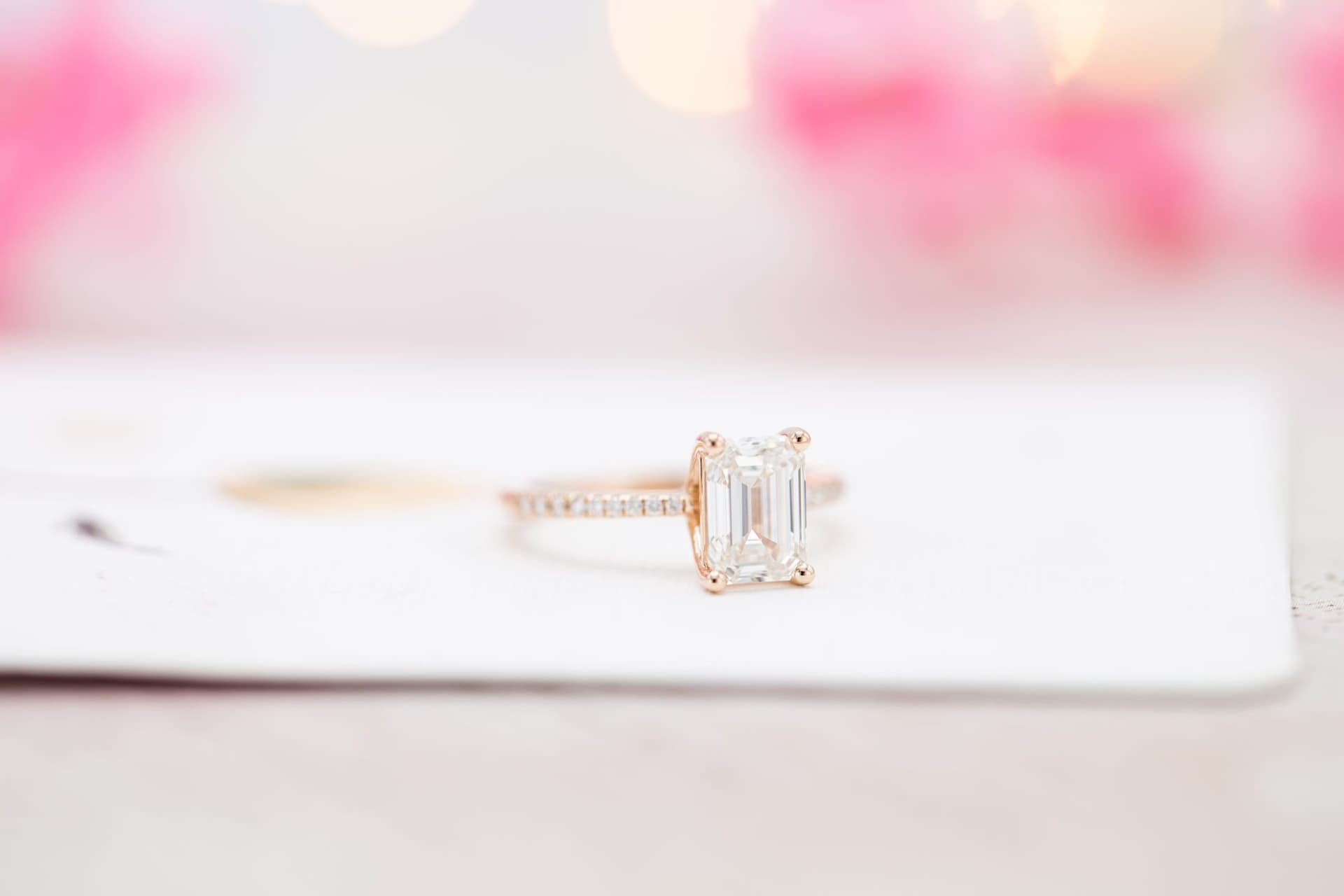
Although most manufacturers disclose their synthetic diamonds, some resellers don’t. Learn how to identify these lab-created diamonds.
4 Minute Read
To learn more about identifying natural diamonds, read about their inclusions.
Chemical vapor deposition (CVD) diamonds come in sizes up to 3 carats, with a normal range of inclusions.
You can identify CVD diamonds fairly simply. They have a unique strain pattern that doesn’t resemble that of natural diamonds and strong red fluorescence. In addition, they lack the typical “Cape Line” at 415 nm on their absorption spectrum. Instead, they present a strong line at 737 nm.
GE developed the high pressure/high temperature (HPHT) method of growing diamonds. In 2003, a company called Gemesis (now known as Pure Grown Diamonds) improved the process and has created gem-grade diamonds. Producing a colorless stone takes longer than a yellow one, which is worth considerably more. These canary yellow gems tend to have higher clarity grades.
(UPDATE: Be aware that other manufacturers produce colored and colorless diamonds through the HPHT process).
With rough diamonds, one quick clue is the perfect symmetry of the rough crystals. You rarely find perfect form in natural gems, much less a lot of them.
Like the GE product, Gemesis grows diamonds in…

When you join the IGS community, you get trusted diamond & gemstone information when you need it.
To learn more about identifying natural diamonds, read about their inclusions.
Chemical vapor deposition (CVD) diamonds come in sizes up to 3 carats, with a normal range of inclusions.
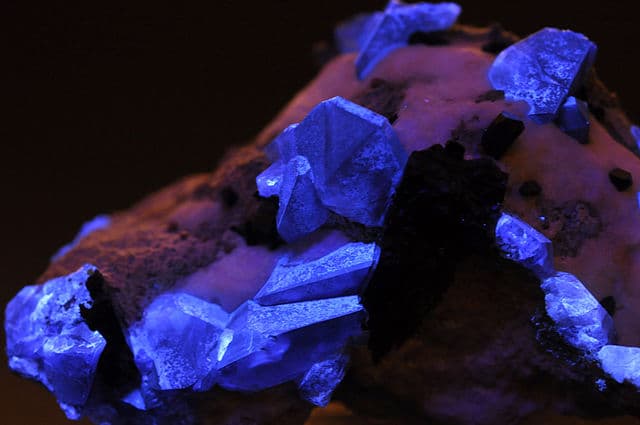
You can identify CVD diamonds fairly simply. They have a unique strain pattern that doesn’t resemble that of natural diamonds and strong red fluorescence. In addition, they lack the typical “Cape Line” at 415 nm on their absorption spectrum. Instead, they present a strong line at 737 nm.
GE developed the high pressure/high temperature (HPHT) method of growing diamonds. In 2003, a company called Gemesis (now known as Pure Grown Diamonds) improved the process and has created gem-grade diamonds. Producing a colorless stone takes longer than a yellow one, which is worth considerably more. These canary yellow gems tend to have higher grades.
(UPDATE: Be aware that other manufacturers produce colored and colorless diamonds through the HPHT process).
With rough diamonds, one quick clue is the perfect symmetry of the rough crystals. You rarely find perfect form in natural gems, much less a lot of them.
Like the GE product, Gemesis grows diamonds in…

Although most manufacturers disclose their synthetic diamonds, some resellers don’t. Learn how to identify these lab-created diamonds.


“I have never known or heard of an organization that offers so much for its members, and at such a low cost.”
— Ernest Roisch, Rainbow Rocks LTD
That's less than $0.01 per article. Get instant access to 1,700+ premium articles, courses, and gem pricing data.