Is Cordierite Expensive?
4 Minute Read
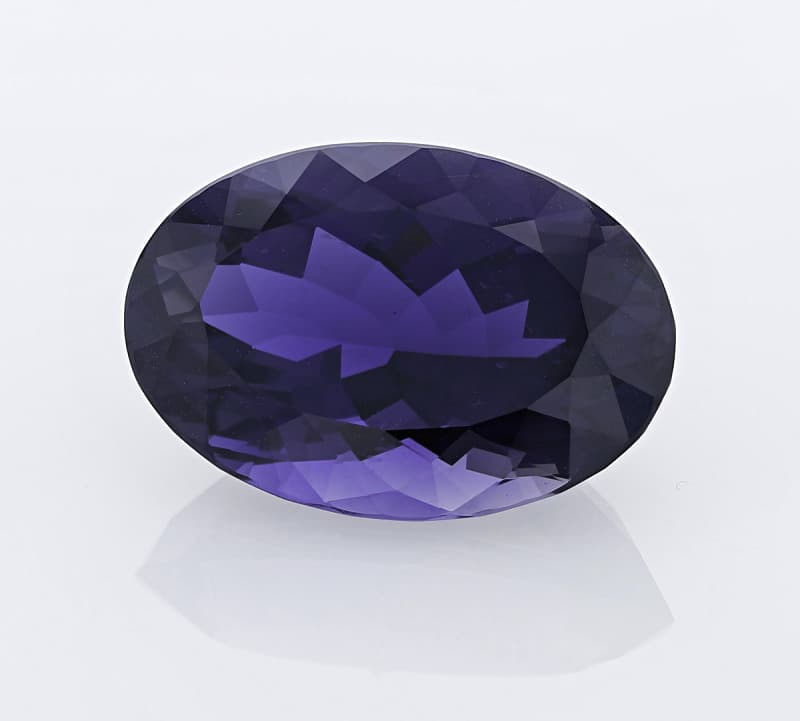
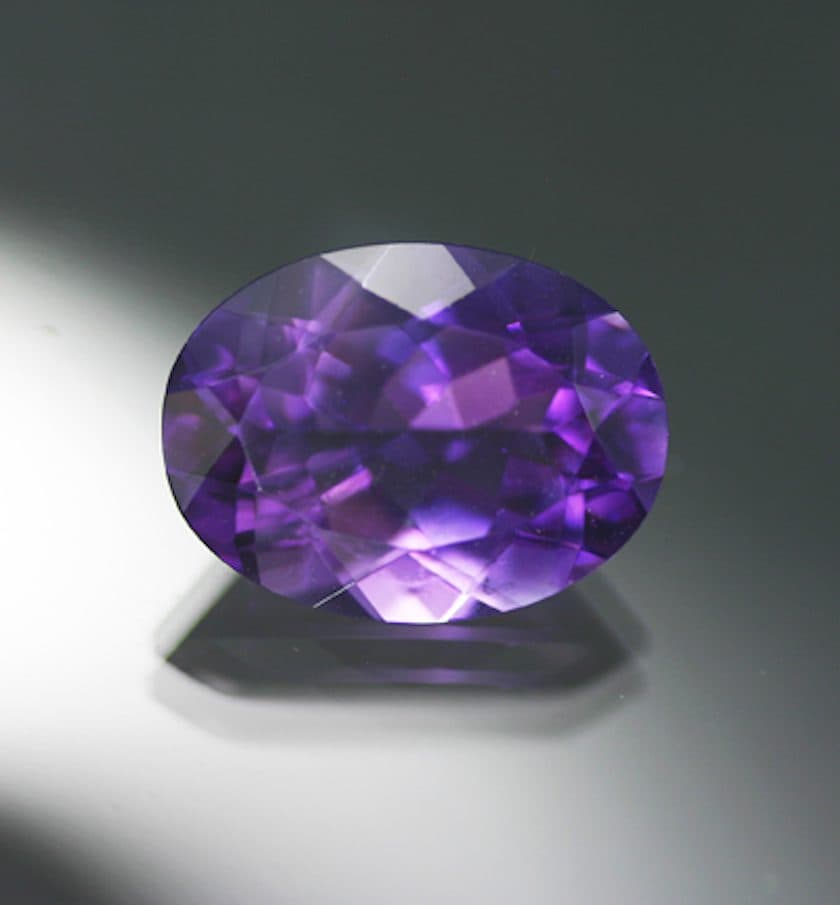
Cordierite is a blue and violet mineral that gemologists call "iolite". Cordierite is a trichroic gem, which means that it appears as three entirely different colors depending on the angle of viewing. It also acts as a natural light filter. When held up to a cloudy sky, it reveals the position of the sun. This nifty feature made it a necessary tool for Viking sailors navigating the Atlantic Ocean.
The color range of cordierite is similar to, and can overlap with, other blue and violet gems such as tanzanite, blue topaz, and sapphire. However, it is valued at a fraction of the price of these other, more high-profile, stones.
Here are the most important value characteristics that experts consider when pricing cordierite.
A Striking Color Determines the Value Range
The first feature that knowledgeable buyers look at when evaluating cordierite is its color. The specific color that fetches the highest price is a deeply saturated violetish blue to pure blue.
While the most valued color can be stated clearly, the topic of cordierite color is not a simple one. On the contrary, some explanation is required.
Cordierite is a trichroic gem. This means that you will see three different colors depending on the angle that you are viewing the crystal. One direction will show the valued violet and blue hues. The other colors may surprise you.
When the gem has a strong contribution of violet, the three colors that you will see are light violet, dark violet, and an unexpected yellow-brown color. Cordierite stones that have more blue will show blue or grayish blue, a dark violet, and an abrupt change to a yellow or even colorless appearance.

Any cordierite that shows yellow, brown, or gray face up is valued significantly lower than blue and violetish blue gems.
The Skill of the Cutter Matters
The cut of a gemstone is something that many buyers don't consider, but it does nevertheless affect value. Cordierite is difficult to cut because of its exceptionally powerful trichroism. If the cutter doesn't orient the stone exactly so that the valuable blue and violet colors are maximized, the value drops dramatically. This is because you are not paying for the potential color expression of a stone, you are paying for the face-up color of a finished faceted gemstone.
High Transparency Stones Are More Valuable Than Cloudy Crystals
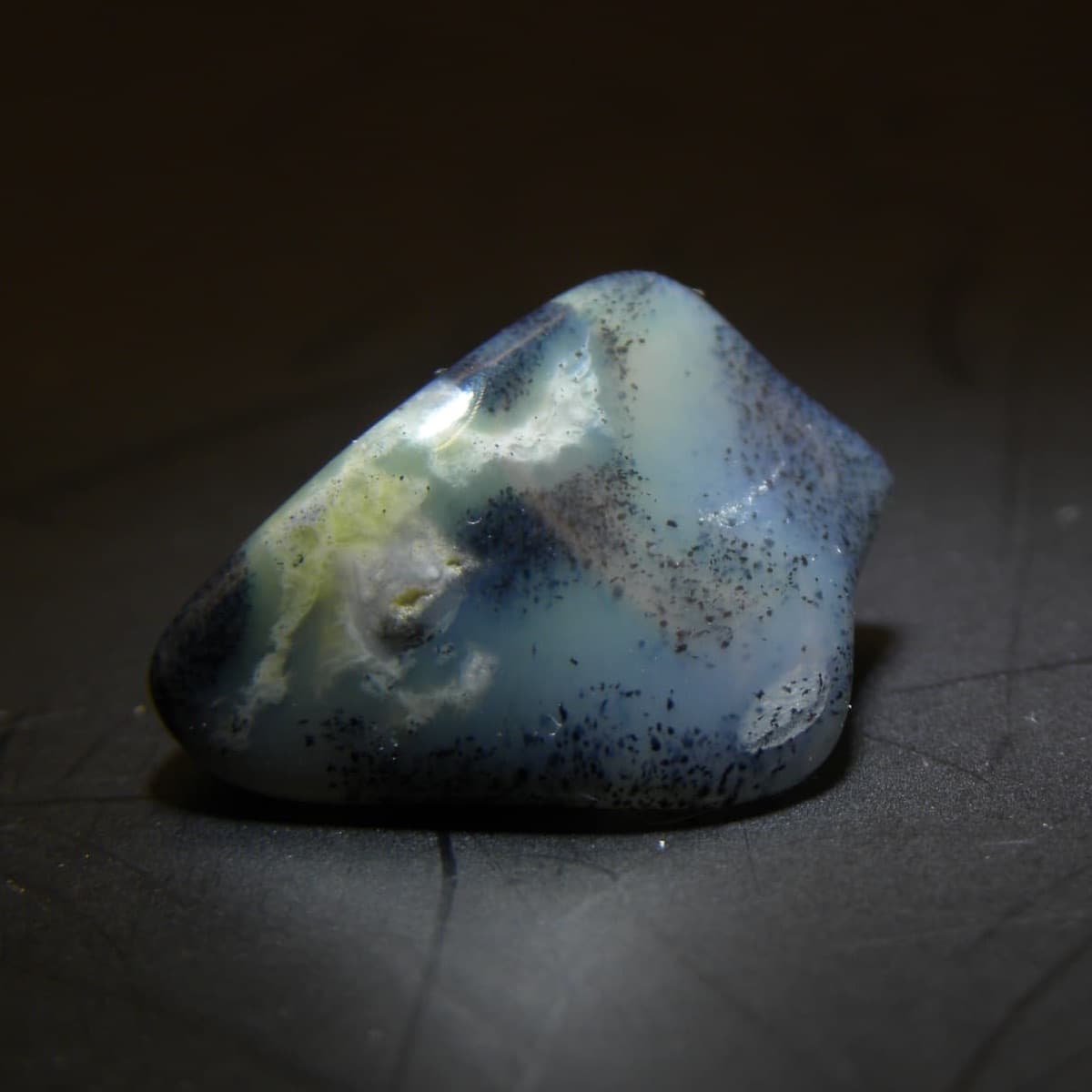
The transparency of cordierite often is often good enough that gems are faceted. Such crystals can be made into any standard shape including round, oval, and emerald cuts. Cordierite stones that have eye-clean clarity are valued at a premium. Alternatively, gems with numerous clarity characteristics or those with cloudy transparency can be made into lower-cost cabochons.

Cordierite Can Show Two Different Phenomena
There are two different types of inclusions which can be present in cordierite that create phenomenal effects. When there is high concentration of red or brownish red plate-like hematite inclusions, gems show aventurescence. These stones look like they contain red glitter and are called "bloodshot iolite". Alternatively, gems containing long tubular inclusions that lay parallel to each other show a cat's eye effect.
Phenomenal cordierite is much rarer than the non-phenomenal variety, and low public awareness means that there isn't much demand for it. As a result, you can find beautiful examples for sale at low prices.
Treatments Lower the Value of Cordierite
Unlike some of the more expensive blue/violet gems like sapphire and tanzanite, cordierite doesn't usually require any treatment to enhance its appearance. This is a draw for people who specifically seek out natural, untreated gems.
The treatment that you are most likely to see is fracture-filling with an oil or resin that improves apparent clarity. Sellers are required to disclose if their cordierite inventory is treated and the value of these gems is discounted.
High-Quality Cordierite Over Five Carats is Rare
The size of faceted cordierite on the market ranges from one carat up to ten. However, it is rare to find gems weighing over five carats that are considered fine quality. As a result, prices of stones with the ideal color rises quickly as the weight increases.
There Are Multiple Cordierite Deposits, But Jewelers Fear an Unstable Supply Chain
Experts say that one of the primary reasons that cordierite is valued lower than other, similar-looking gemstone varieties is due to the fact that the availability of fine-quality stones is relatively unstable. Cordierite is mined in quite a few places including, but not limited to, Sri Lanka, Tanzania, Madagascar, India, Norway, and Finland. However, despite there being multiple deposits, the supply of top-quality stones that are appropriate for high-fashion jewelry is inconsistent.
Usually, when the supply of something desirable is low, prices soar. This is not the case with cordierite. The makers of fine jewelry who would purchase larger quantities of the gem simply don't because they can't get enough fine material to market it to their clients. As jewelers choose not to work with cordierite, their clients never develop a familiarity with the gem, keeping both demand and per-carat values low.
This works to the advantage of knowledgeable buyers who can purchase beautiful blue and violet cordierite for a fraction of the cost they would have to pay for other, visually comparable, stones.
Related Articles
Gem and Jewelry Insurance Quotes: Four Money-Saving Questions
Appraising Turquoise: Challenges for Gemologists
Buying Gems for Profit: An Introduction
Is Aquamarine Expensive?
Latest Articles

800 Years of Mogok: A Celebration in Tenuous Times
What is the Average Gemstone Faceting Yield?
Pyroxmangite Value, Price, and Jewelry Information