
Many consumers don’t understand the difference between natural pearls and cultured pearls. Learn what these terms mean and how to distinguish these gems.
4 Minute Read
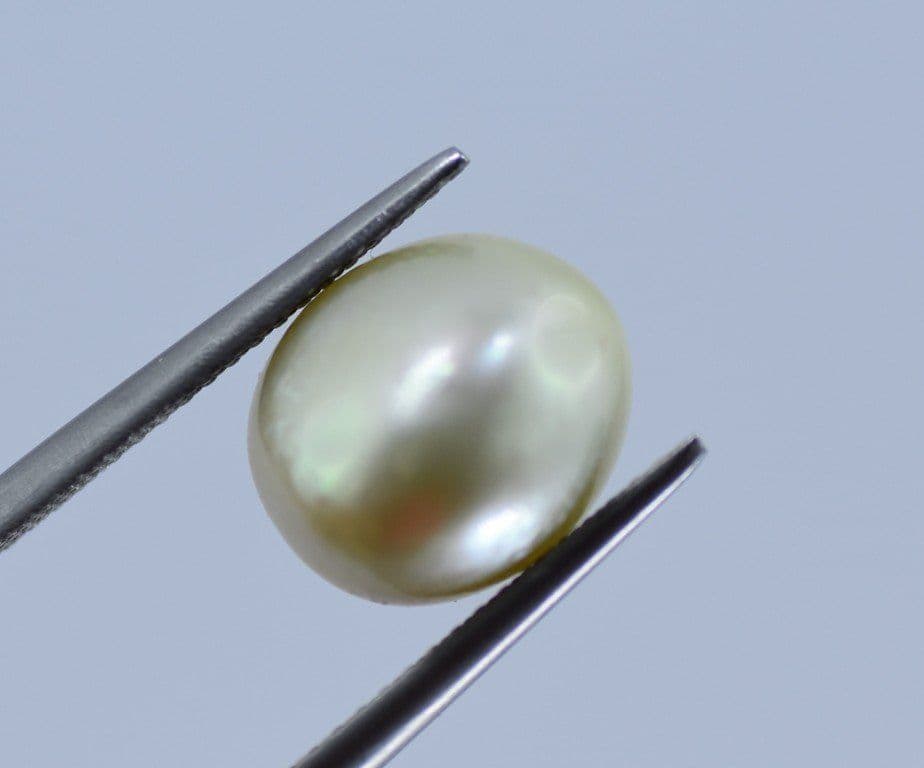
Many natural gemstones have lab-made counterparts. However, there aren’t any synthetic pearls. All pearls, both natural and cultured, are created biologically, not in the laboratory. The difference is more akin to the difference between wild-caught and farm-raised fish.
Natural pearls occur in the wild. Specialized pearl divers collect mollusks from the sea bed and open them, trying to find a pearl. They face very low odds, with about one in 100,000 shells producing a pearl. In addition, these natural pearls are often small and usually have baroque (asymmetrical) shapes. Diving for natural pearls is a business of chance.
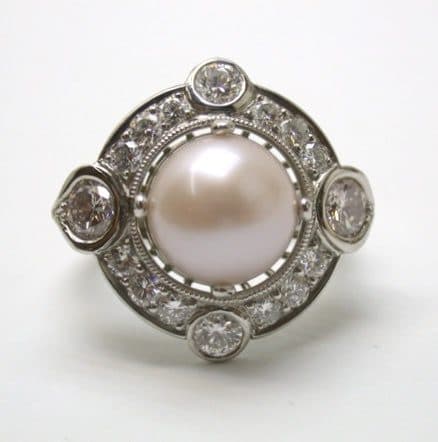
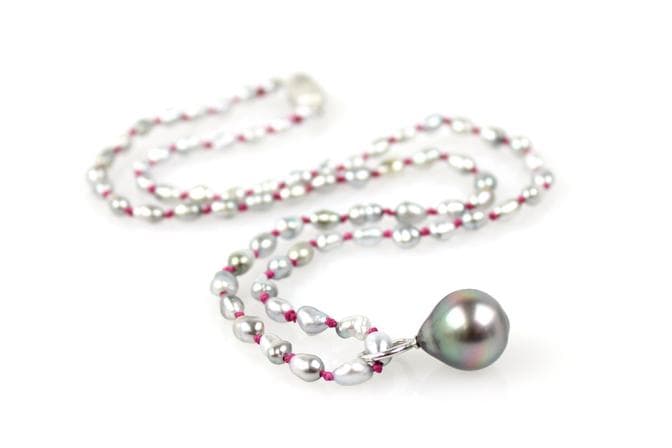
In contrast, cultured pearls come from mollusks raised on a pearl farm. There, the farmer implants a seed into the mollusk to induce nacre growth, and the mollusk forms a pearl around the implant. In most operations, each shell yields multiple, large, round, beautiful pearls.
Distinguishing between natural and cultured pearls can be difficult. However, in general, if you’re in a store buying pearls, you’re dealing with cultured pearls. Natural pearls are extremely rare, and most sell at auction.
If…


When you join the IGS community, you get trusted diamond & gemstone information when you need it.
Many natural gemstones have lab-made counterparts. However, there aren’t any synthetic pearls. All pearls, both natural and cultured, are created biologically, not in the laboratory. The difference is more akin to the difference between wild-caught and farm-raised fish.
Natural pearls occur in the wild. Specialized pearl divers collect mollusks from the sea bed and open them, trying to find a pearl. They face very low odds, with about one in 100,000 shells producing a pearl. In addition, these natural pearls are often small and usually have baroque (asymmetrical) shapes. Diving for natural pearls is a business of chance.
In contrast, cultured pearls come from mollusks raised on a pearl farm. There, the farmer implants a seed into the mollusk to induce nacre growth, and the mollusk forms a pearl around the implant. In most operations, each shell yields multiple, large, round, beautiful pearls.
Distinguishing between natural and cultured pearls can be difficult. However, in general, if you’re in a store buying pearls, you’re dealing with cultured pearls. Natural pearls are , and most sell at auction.
If…

Many consumers don’t understand the difference between natural pearls and cultured pearls. Learn what these terms mean and how to distinguish these gems.


“I have never known or heard of an organization that offers so much for its members, and at such a low cost.”
— Ernest Roisch, Rainbow Rocks LTD
That's less than $0.01 per article. Get instant access to 1,700+ premium articles, courses, and gem pricing data.