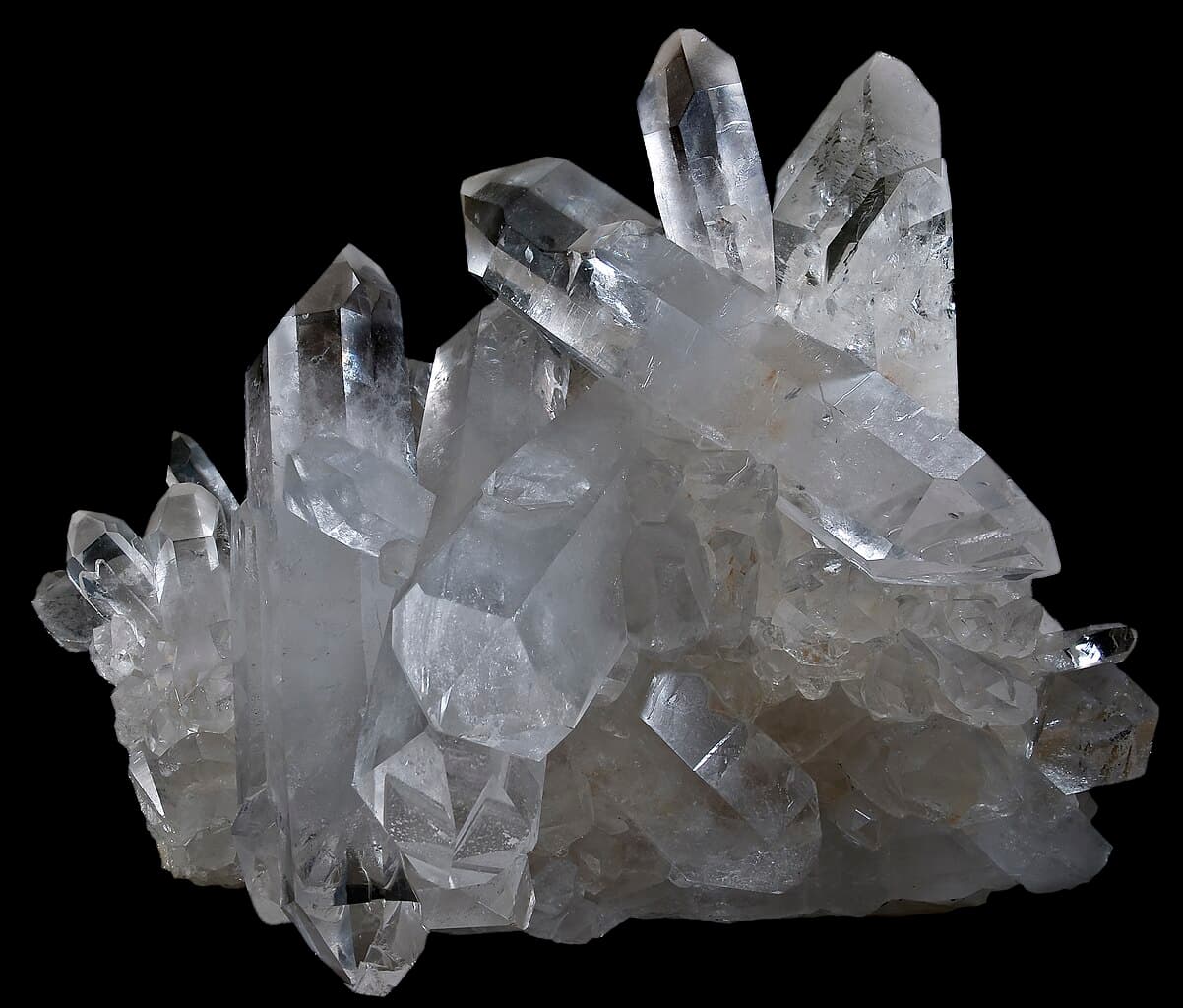
Understand quartz toxicity: safe for jewelry wearers but potentially dangerous for makers. Learn about silica dust health risks, essential safety measures for jewelers, and how to ensure your quartz pieces remain risk-free.
6 Minute Read
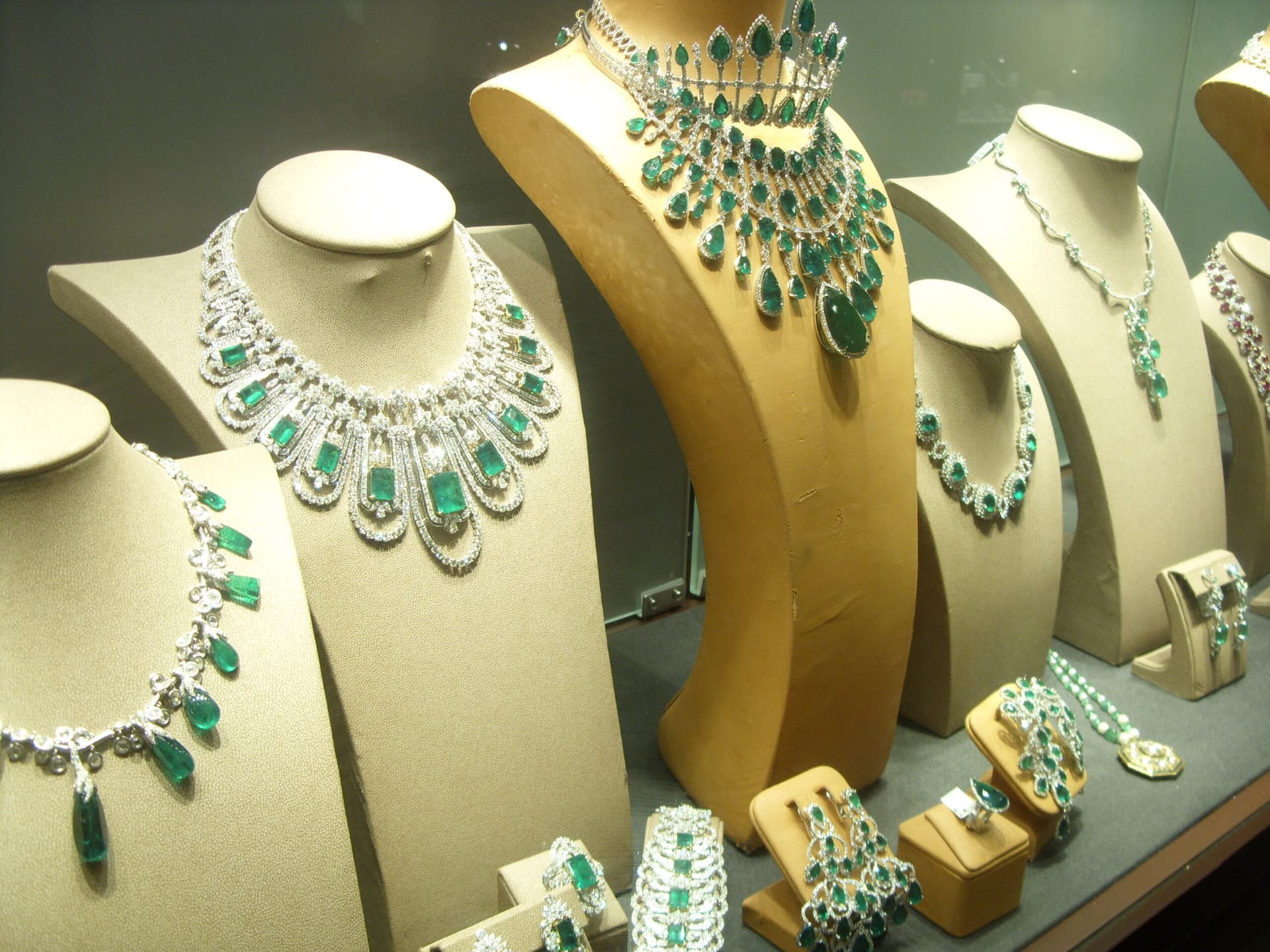
Quartz gleams in display cases worldwide, creating stunning pieces worn by millions of people. But behind this beautiful gemstone lies an important health story that affects both those who create jewelry and those who wear it. The safety concerns differ dramatically between these two groups, with jewelers facing potential serious health risks while wearers enjoy nearly complete safety.
In this article, we'll explore:
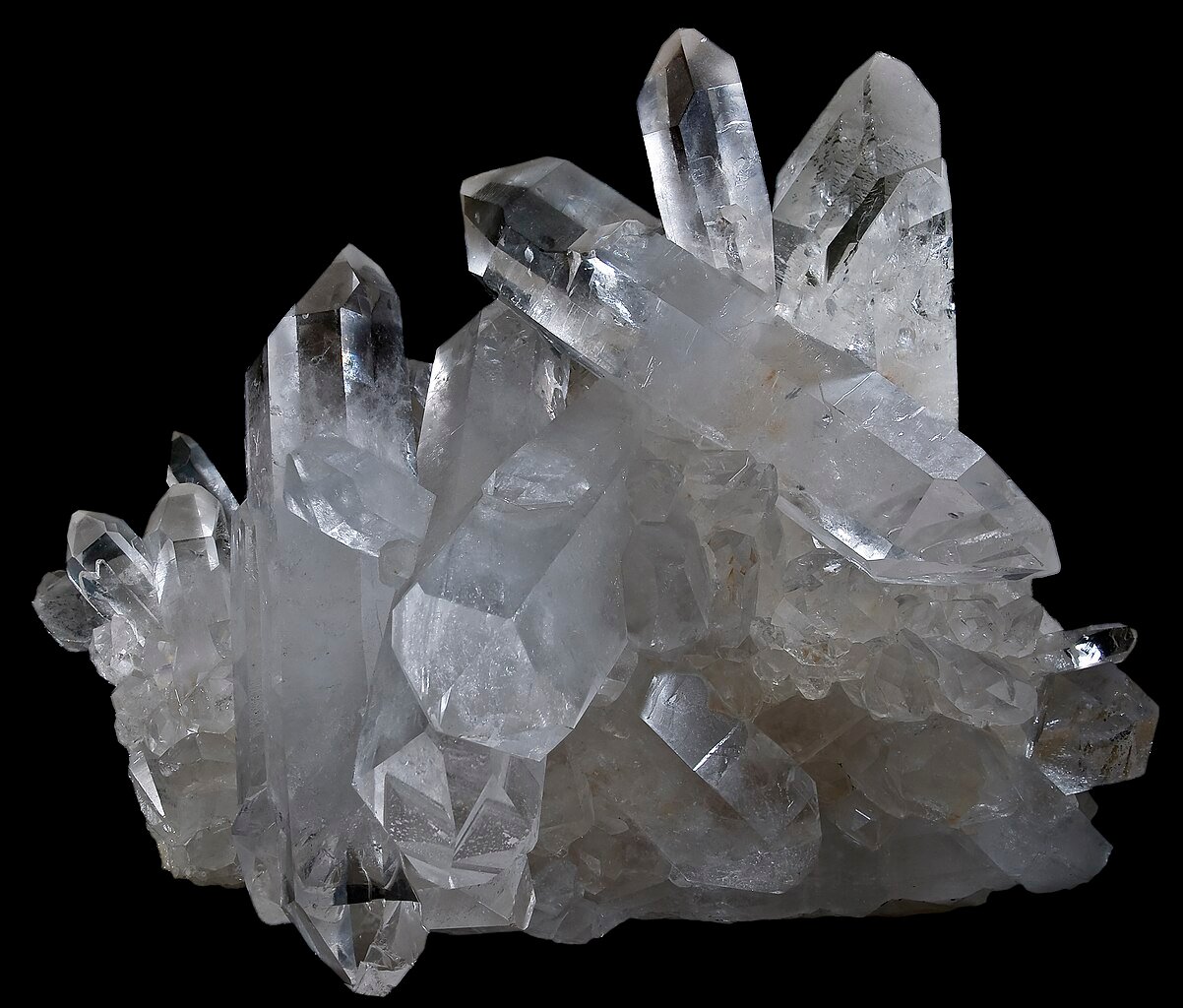
Quartz (silicon dioxide, SiO₂) presents a fascinating safety paradox: it's perfectly safe in its solid, finished form but potentially dangerous when manipulated. This distinction is crucial for understanding who faces risks and why.
For jewelry professionals, the greatest danger comes not from the gemstone itself but from the invisible dust created when cutting, grinding, or polishing quartz. This fine dust, called respirable crystalline silica (RCS), can penetrate deep into the lungs when inhaled. In contrast, those who simply wear or handle finished quartz jewelry face virtually no health risks under normal circumstances.
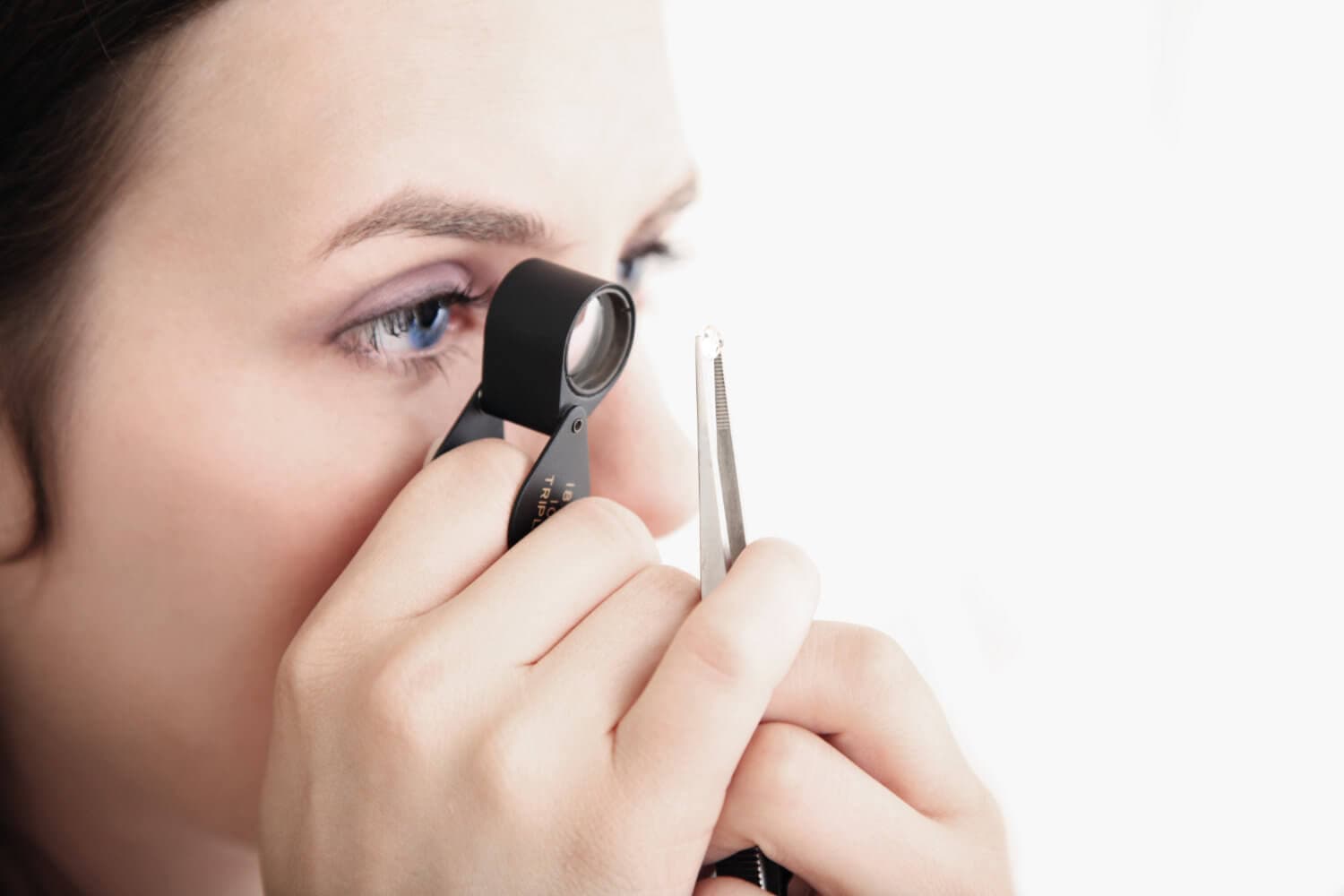
The primary health concern for jewelers stems from inhaling respirable crystalline silica dust. When quartz is cut, ground, or polished, microscopic particles become airborne. These particles are small enough to bypass the body's natural filtration mechanisms and reach deep into the lungs, where they can cause serious and permanent damage.
Prolonged exposure to quartz dust can lead to several serious health conditions:
These health risks aren't theoretical. According to research and industry safety guidelines, even moderate exposure to silica dust over time can lead to serious health consequences. The danger is particularly acute in poorly ventilated workspaces or when proper protective equipment isn't used.
Not all jewelry work with quartz carries equal risk. The hazard level correlates directly with how much dust is generated during different processes:
The danger increases with smaller particle size, longer exposure time, and higher dust concentration in the air. What makes this particularly concerning is that quartz dust is often invisible to the naked eye, creating a hidden hazard that jewelers might not realize is present.
For people who wear quartz jewelry, the safety profile is reassuringly positive. Solid quartz in jewelry form presents virtually no toxic risk. Here's why wearing quartz jewelry is considered safe:
Multiple sources confirm that touching, wearing, or handling solid quartz carries no significant health risks. The mineral is inert when in its finished form, meaning it won't leach chemicals into your skin or react with your body in harmful ways.
While quartz itself is safe, a few minor considerations exist for jewelry wearers:
These concerns relate to general jewelry safety rather than quartz toxicity specifically. With basic care and common sense, even these minor risks are easily managed.
Given the serious health risks for jewelry makers, proper safety protocols are essential. The good news is that with appropriate precautions, jewelers can significantly reduce their exposure to dangerous silica dust.
Jewelry professionals working with quartz should implement these key safety practices:
These measures align with occupational safety guidelines established by health authorities. For professional jewelers, investing in proper safety equipment isn't optional—it's an essential part of maintaining long-term health.
Occupational safety organizations have established specific exposure limits for silica dust. The American Conference of Governmental Industrial Hygienists (ACGIH) and Occupational Safety and Health Administration (OSHA) set a threshold limit value of 0.1 mg per cubic meter for respirable dust over an 8-hour workday. Staying below these limits is crucial for jewelry makers working regularly with quartz.
Although wearing quartz jewelry is generally safe, following a few simple guidelines ensures the best experience:
These precautionary measures help maintain both the jewelry's appearance and its continued safety during wear.
To put the various risks in perspective, consider this comparison of quartz-related activities and their associated hazard levels:
| Activity | Risk Level | Primary Concern | Recommended Precautions |
| Wearing quartz jewelry | None/Negligible | None for most people | Normal jewelry care |
| Handling intact quartz | None/Negligible | None for most people | Normal handling |
| Setting pre-cut quartz | Low to Moderate | Minimal dust exposure | Basic ventilation, occasional mask use |
| Cutting/grinding quartz | High | Significant dust inhalation | Respirator, ventilation, wet methods |
| Polishing quartz | Moderate to High | Moderate dust inhalation | Respirator, ventilation, wet methods |
This table highlights the stark contrast between the safety profiles for jewelers versus wearers, emphasizing why different recommendations apply to each group.
Understanding quartz toxicity means recognizing the dramatic difference between working with this gemstone and simply wearing it. This knowledge helps both jewelry professionals and consumers make informed decisions about safety.
Here are the essential points to remember:
By understanding these distinctions, both jewelry professionals and enthusiasts can enjoy the beauty of quartz while managing any potential health concerns appropriately.

When you join the IGS community, you get trusted diamond & gemstone information when you need it.
Quartz gleams in display cases worldwide, creating stunning pieces worn by millions of people. But behind this beautiful gemstone lies an important health story that affects both those who create jewelry and those who wear it. The safety concerns differ dramatically between these two groups, with jewelers facing potential serious health risks while wearers enjoy nearly complete safety.
In this article, we'll explore:
Quartz (silicon dioxide, SiO₂) presents a fascinating safety paradox: it's perfectly safe in its solid, finished form but potentially dangerous when manipulated. This distinction is crucial for understanding who faces risks and why.
For jewelry professionals, the greatest danger comes not from the gemstone itself but from the invisible dust created when cutting, grinding, or polishing quartz. This fine dust, called respirable crystalline silica (RCS), can penetrate deep into the lungs when inhaled. In contrast, those who simply wear or handle finished quartz jewelry face virtually no health risks under normal circumstances.
The primary health concern for jewelers stems from inhaling respirable crystalline silica dust. When quartz is cut, ground, or polished, microscopic particles become airborne. These particles are small enough to bypass the body's natural filtration mechanisms and reach deep into the lungs, where they can cause serious and permanent damage.
Prolonged exposure to quartz dust can lead to several serious health conditions:
These health risks aren't theoretical. According to research and industry safety guidelines, even moderate exposure to silica dust over time can lead to serious health consequences. The danger is particularly acute in poorly ventilated workspaces or when proper protective equipment isn't used.
Not all jewelry work with quartz carries equal risk. The hazard level correlates directly with how much dust is generated during different processes:
The danger increases with smaller particle size, longer exposure time, and higher dust concentration in the air. What makes this particularly concerning is that quartz dust is often invisible to the naked eye, creating a hidden hazard that jewelers might not realize is present.
For people who wear quartz jewelry, the safety profile is reassuringly positive. Solid quartz in jewelry form presents virtually no toxic risk. Here's why wearing quartz jewelry is considered safe:
Multiple sources confirm that touching, wearing, or handling solid quartz carries no significant health risks. The mineral is inert when in its finished form, meaning it won't leach chemicals into your skin or react with your body in harmful ways.
While quartz itself is safe, a few minor considerations exist for jewelry wearers:
These concerns relate to general jewelry safety rather than quartz toxicity specifically. With basic care and common sense, even these minor risks are easily managed.
Given the serious health risks for jewelry makers, proper safety protocols are essential. The good news is that with appropriate precautions, jewelers can significantly reduce their exposure to dangerous silica dust.
Jewelry professionals working with quartz should implement these key safety practices:
These measures align with occupational safety guidelines established by health authorities. For professional jewelers, investing in proper safety equipment isn't optional—it's an essential part of maintaining long-term health.
Occupational safety organizations have established specific exposure limits for silica dust. The American Conference of Governmental Industrial Hygienists (ACGIH) and Occupational Safety and Health Administration (OSHA) set a threshold limit value of 0.1 mg per cubic meter for respirable dust over an 8-hour workday. Staying below these limits is crucial for jewelry makers working regularly with quartz.
Although wearing quartz jewelry is generally safe, following a few simple guidelines ensures the best experience:
These precautionary measures help maintain both the jewelry's appearance and its continued safety during wear.
To put the various risks in perspective, consider this comparison of quartz-related activities and their associated hazard levels:
| Activity | Risk Level | Primary Concern | Recommended Precautions |
| Wearing quartz jewelry | None/Negligible | None for most people | Normal jewelry care |
| Handling intact quartz | None/Negligible | None for most people | Normal handling |
| Setting pre-cut quartz | Low to Moderate | Minimal dust exposure | Basic ventilation, occasional mask use |
| Cutting/grinding quartz | High | Significant dust inhalation | Respirator, ventilation, wet methods |
| Polishing quartz | Moderate to High | Moderate dust inhalation | Respirator, ventilation, wet methods |
This table highlights the stark contrast between the safety profiles for jewelers versus wearers, emphasizing why different recommendations apply to each group.
Understanding quartz toxicity means recognizing the dramatic difference between working with this gemstone and simply wearing it. This knowledge helps both jewelry professionals and consumers make informed decisions about safety.
Here are the essential points to remember:
By understanding these distinctions, both jewelry professionals and enthusiasts can enjoy the beauty of quartz while managing any potential health concerns appropriately.