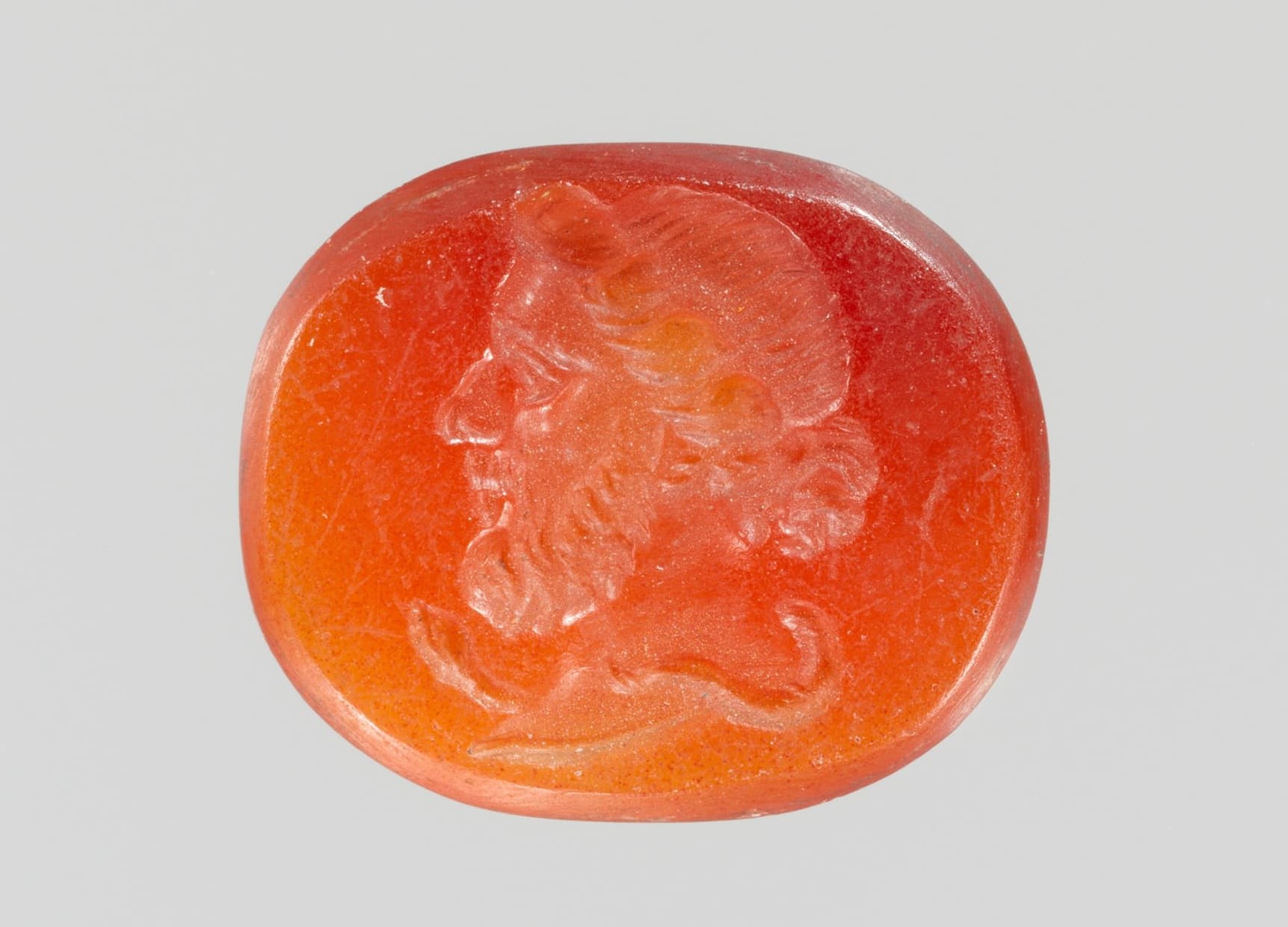
Discover gemstones believed to have healing powers from amber to rose quartz. Explore how these ancient crystals might support wellness according to centuries of tradition.
8 Minute Read
Since ancient times throughout human history, people across diverse cultures and civilizations have held strong beliefs that gemstones possess special properties that extend beyond mere aesthetic appeal. What some practitioners refer to as healing crystals have been utilized across numerous cultural traditions by those who believe these stones can promote physical wellness, emotional balance, and spiritual harmony. This comprehensive guide explores popular stones and the healing properties that have been traditionally attributed to them through centuries of folkloric and spiritual practices.
In this article, you'll discover:
People incorporate gemstones into spiritual practices in several ways. Understanding these approaches might enhance your experience if you're curious about this tradition.
Common approaches include:
A few gems—like realgar and ekanite—contain heavy metals or radioactive elements in potentially harmful amounts. Extended exposure to such stones would likely outweigh any possible benefits.
Some enthusiasts prepare potions with gems or place them in the mouth. For these uses, avoid acid-soluble gems, even those without known toxins. Stomach acids may react dangerously with impurities. Check the gemstone toxicity table for guidance.
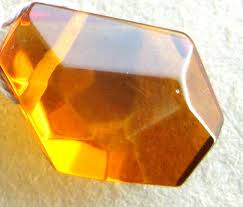
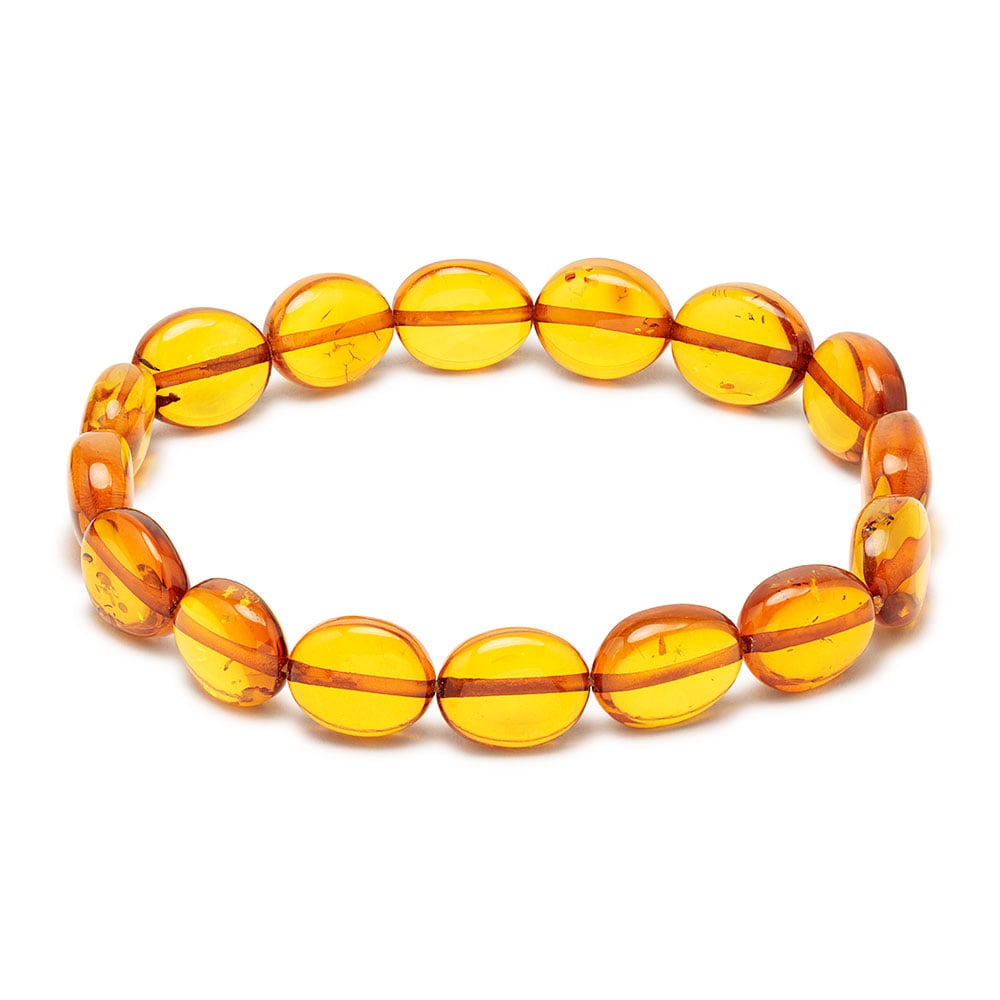
People across numerous civilizations have treasured amber as a precious jewelry stone since prehistoric times, making it one of the earliest gemstones used by humans. This organic gem forms naturally from the hardened resin of ancient pine trees over millions of years. Some particularly valuable amber pieces contain spectacular inclusions of insects and other small animals perfectly preserved for eternity, creating a powerful and undeniable association between amber and the natural world.
Amber also demonstrates the remarkable physical property of becoming electrically charged when vigorously rubbed against wool or silk fabrics, a characteristic that many traditional healers believe reinforces its connection with the fundamental "spark of life" that animates all living things.
According to well-established traditional beliefs about amber that have persisted through generations:
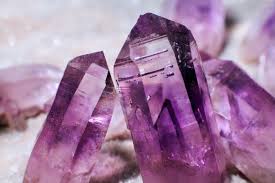
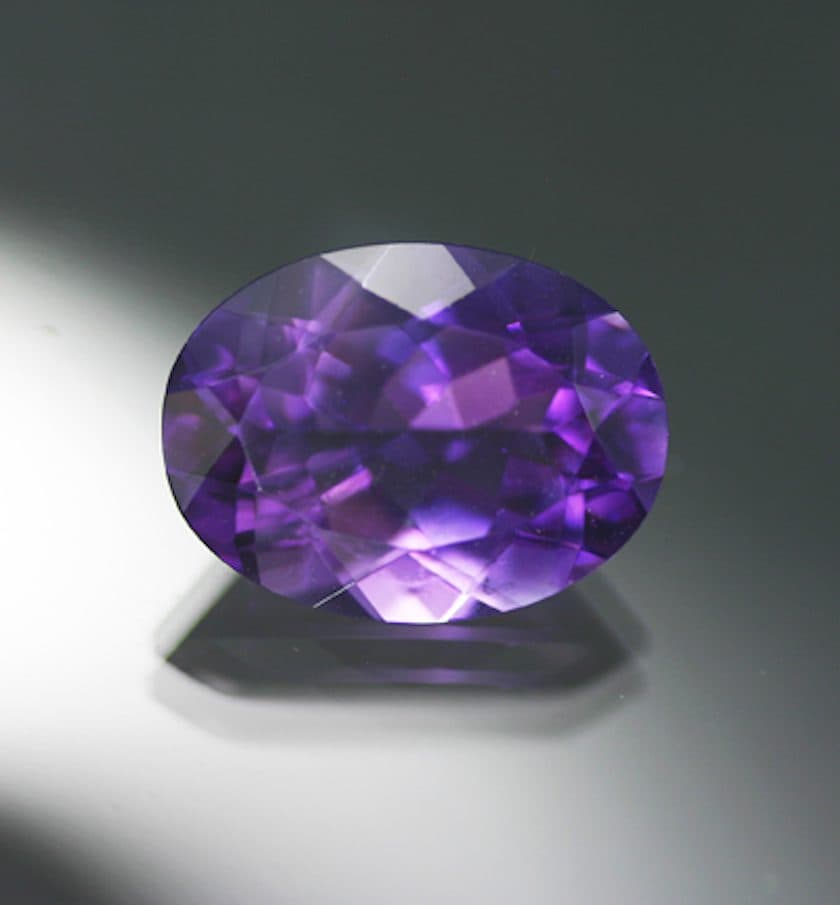
The gorgeously purple amethyst with its rich violet hues ranks among the most popular and widely recognized stones in crystal traditions across multiple cultures. This beautiful gemstone is often associated with deeply calming energy and what generations of practitioners consider to be distinctive amethyst healing properties unlike those of other purple stones.
Traditional beliefs about amethyst that have been passed down through centuries include:
Crystal enthusiasts recommend wearing amethyst anywhere on the body for both spiritual and physical benefits.
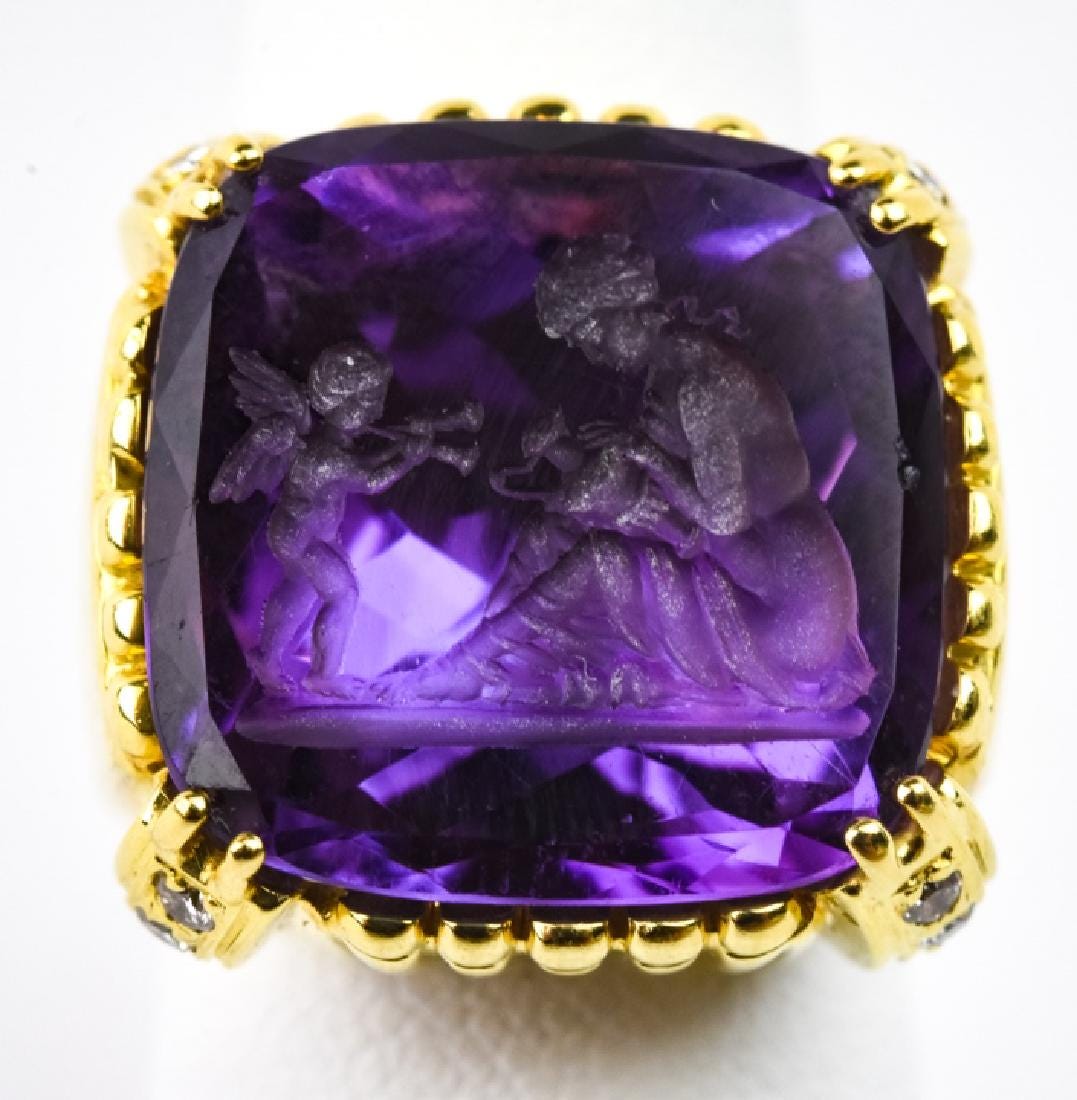
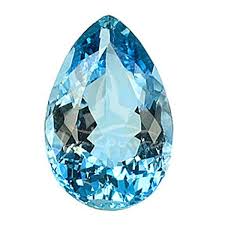
With colors reminiscent of tranquil ocean waters ranging from pale blue to deeper greenish-blue tones, aquamarine stands prominently among the most beautiful and visually striking gemstones available to collectors and healing practitioners alike. These remarkable gems naturally occur in impressively large sizes, ranking them among the largest cut gemstones in the world of precious stones.
Many detailed traditional beliefs surround aquamarines and have been documented across various cultures:
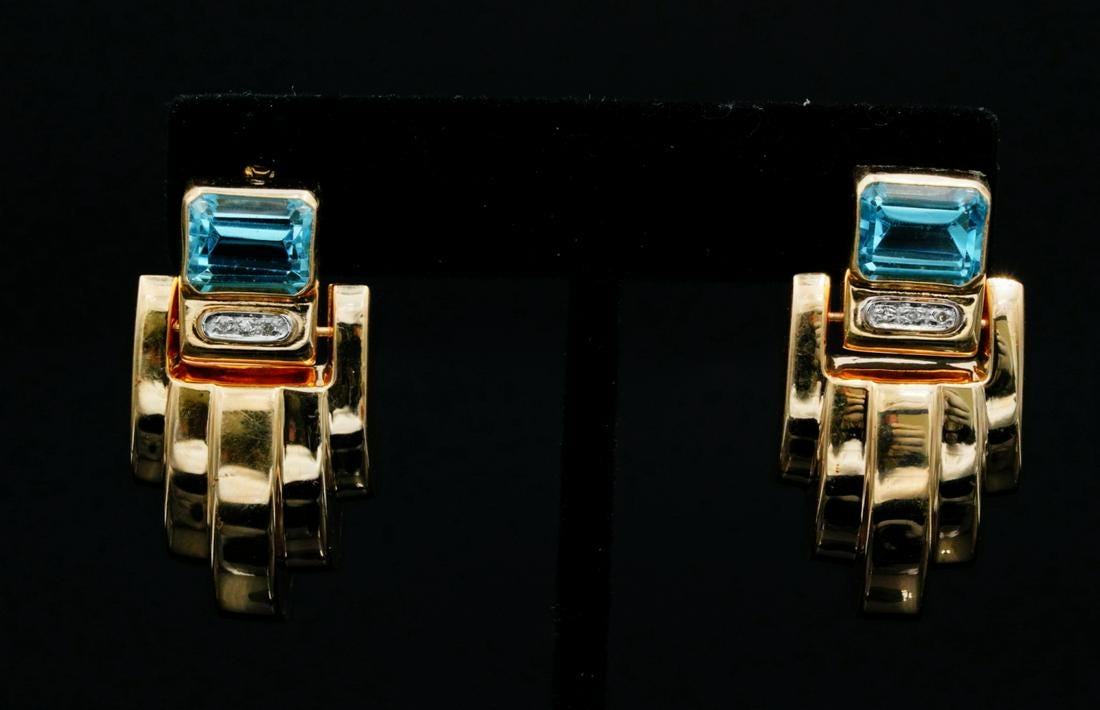
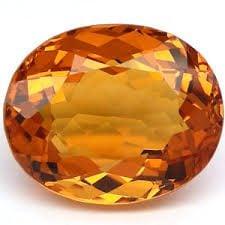
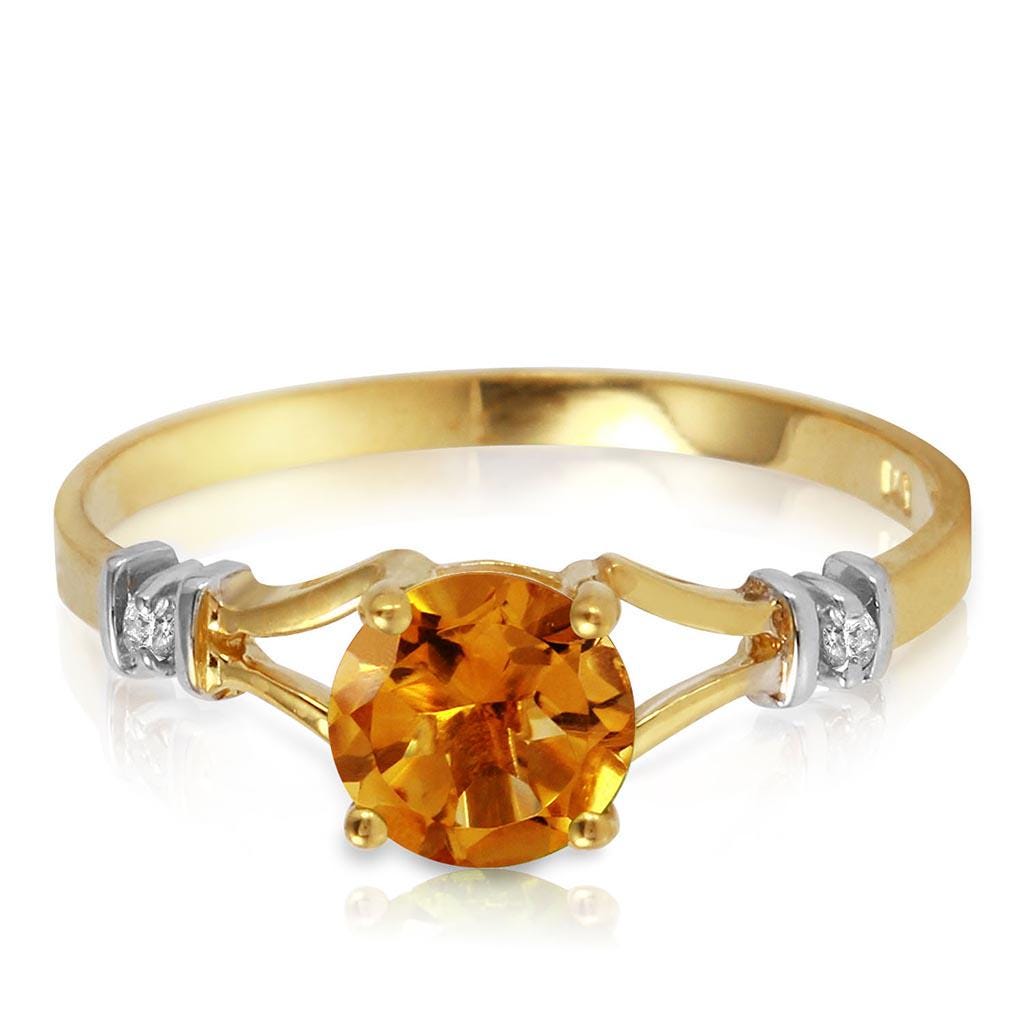
The yellow to reddish-orange variety of quartz, citrine has experienced significant renewed popularity with the contemporary trend toward natural "earth tone" jewelry. It's worth noting that most commercially available citrine today doesn't naturally form with these attractive warm colors—brown smoky quartz and purple amethyst are usually heat treated through carefully controlled processes to create the beautiful citrines found in most jewelry stores.
Traditional detailed beliefs about citrine that have developed over centuries include:
For potential maximum benefit, wear citrine in its untreated natural form when possible.
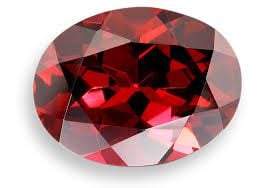
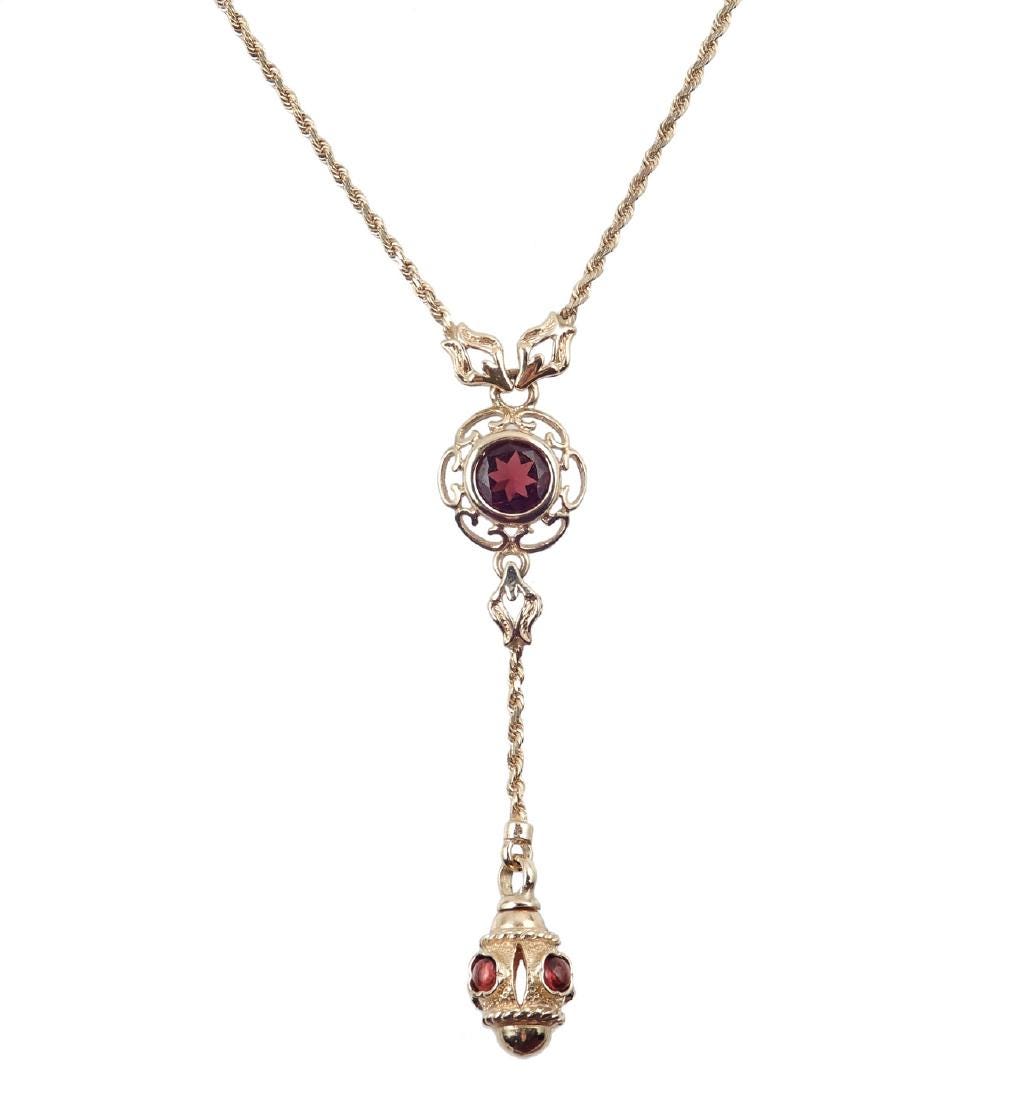
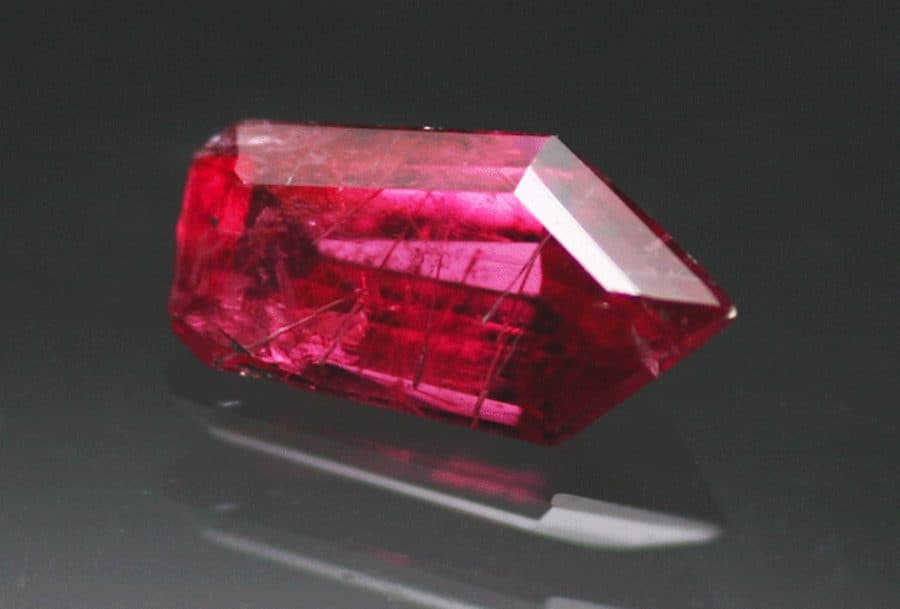
Garnets can appear in virtually any color across the spectrum, though the most well-known and historically significant varieties display rich, deep red hues reminiscent of pomegranate seeds. Before modern scientific gemology developed, ancient peoples often treated all transparent red gemstones as functionally identical. This historical confusion explains the remarkable similarities between the extensive folklore of garnets and rubies that persist in many cultural traditions.
Traditional detailed beliefs about garnet that have been preserved through generations include:
Wear garnet anywhere, though many consider placement near the heart most effective.
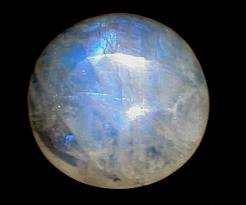
Hauntingly beautiful moonstones display various subtle body colors but feature a distinctive, billowy blue to white moonlight-like sheen technically known as adularescence that gives these gems their mysterious, ethereal quality.
Traditional detailed beliefs about moonstone focus extensively on balance and harmony:
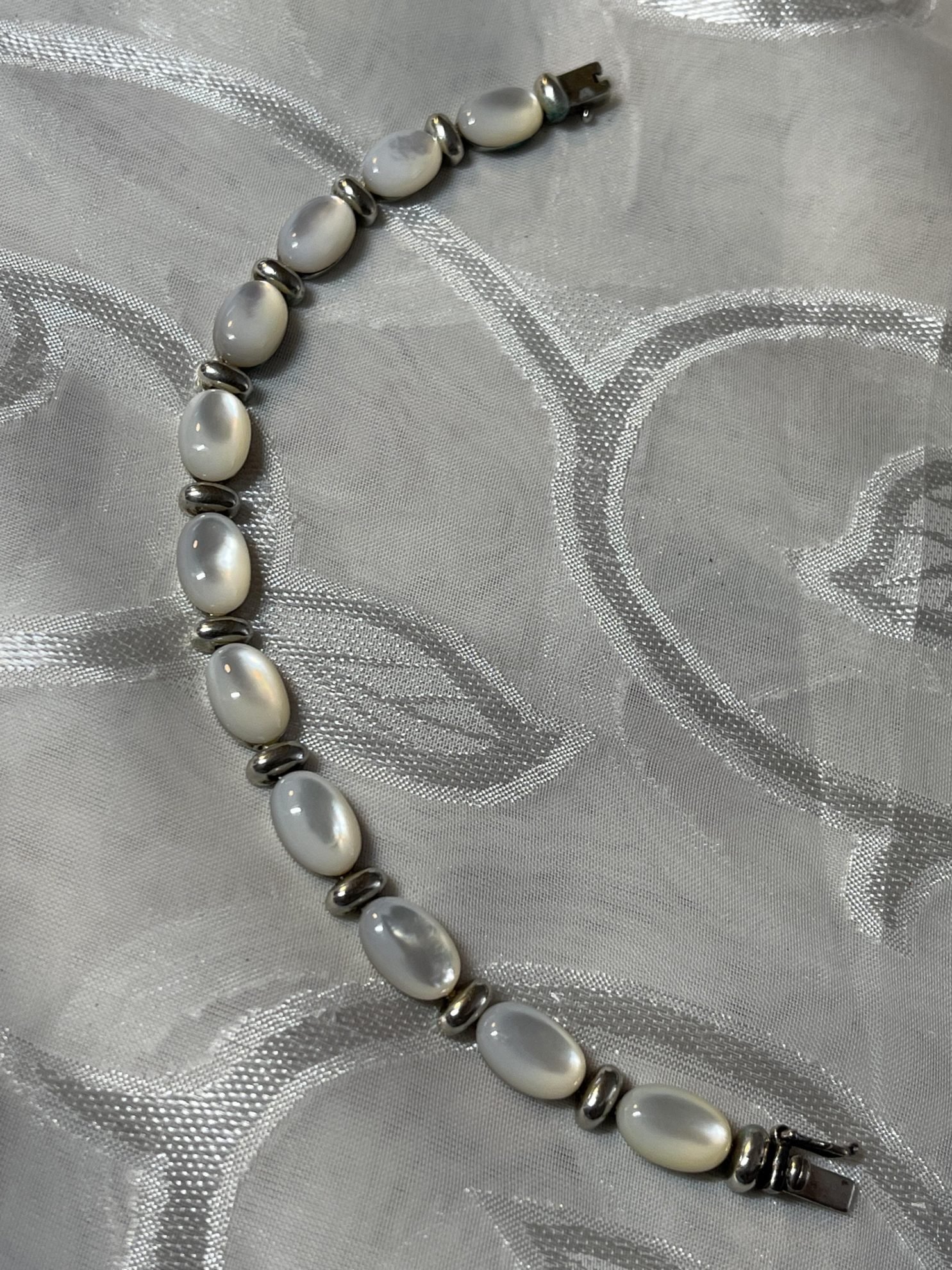
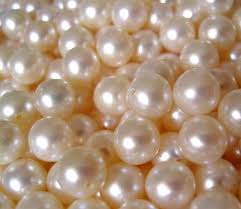
Beautiful organic pearl forms naturally (though quite rarely) inside both saltwater and freshwater mollusks, most notably oysters responding to irritants. While the most highly valued and sought-after pearls are perfectly round and white, these unique organic gemstones appear naturally in numerous subtle shades, fascinating shapes, and various sizes. Their distinctive aquatic origins have inspired much of their rich cultural symbolism across many civilizations.
Traditional detailed beliefs suggest pearl heals in several unique ways:
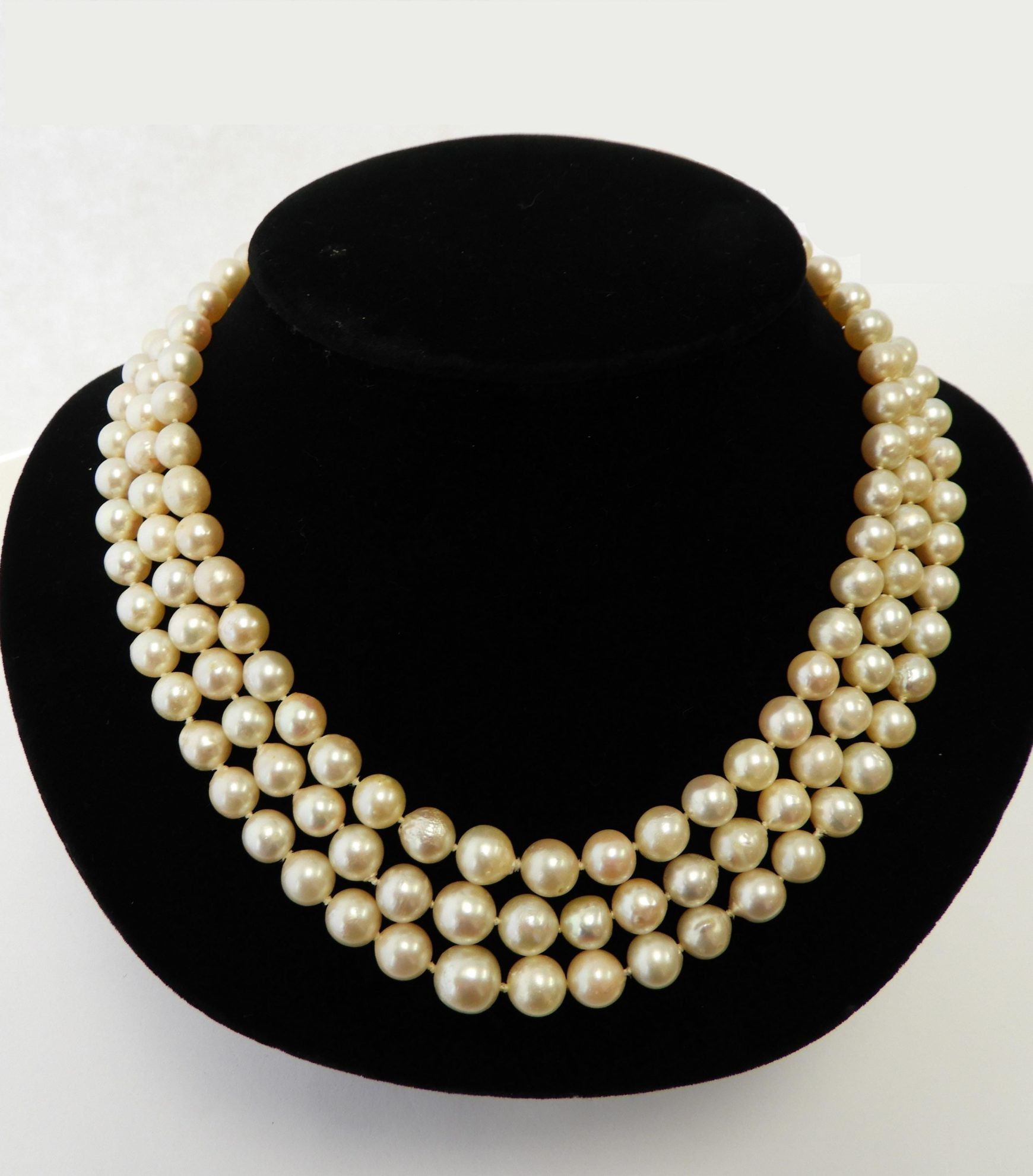
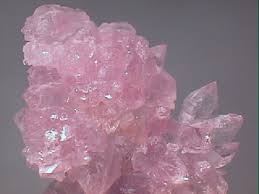
This popular and widely available pink gemstone features prominently in crystal healing traditions across numerous cultures. Rose quartz healing properties, according to generations of believers, primarily focus on matters of the heart and emotional well-being at profound levels not easily addressed through other means.
Traditional detailed beliefs about rose quartz that have persisted through centuries include:
Rose quartz makes a particularly thoughtful and meaningful gift for someone experiencing difficult life transitions such as divorce, painful breakup, family estrangement, or ongoing struggles with persistent loneliness, offering what many consider to be supportive energy during challenging emotional transitions when comfort is most needed.
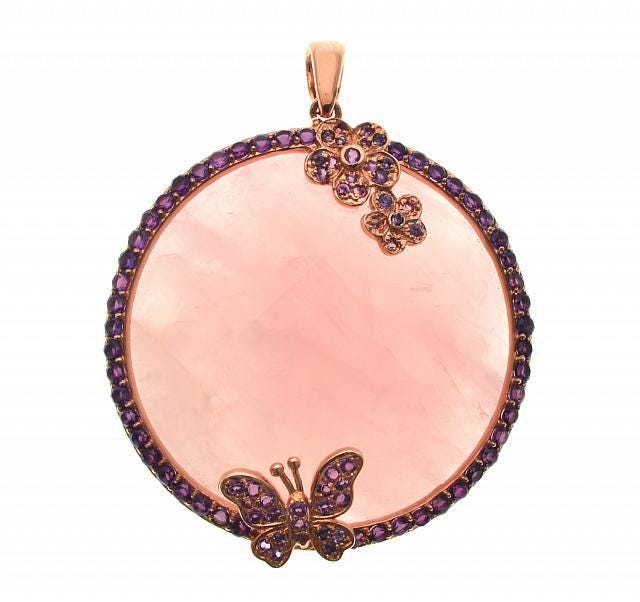
Although the practice of associating specific gemstones with birth months has genuinely ancient historical roots, modern birthstone lists are relatively recent cultural creations rather than immutable traditions. The collection known as the "traditional" birthstone list originated between the 16th-18th centuries in Europe, while the standardized "modern" American birthstone list dates only to 1912 when it was formalized by the National Association of Jewelers.
Over time, some people began seriously believing that wearing the "wrong" birthstone might bring misfortune or negate benefits. In particular, pearl (traditionally associated with June) and opal (linked to October) developed widespread reputations for potentially causing bad luck when worn by individuals born in different months.
It's important to understand that birthstone traditions have evolved considerably throughout human history:
When thoughtfully selecting gemstones that some traditions believe may have healing properties, many experienced practitioners suggest not worrying about whether a particular gem serves as your official birthstone according to any particular system. Those who seriously follow crystal traditions generally believe these inherent properties work effectively regardless of birth month associations or other calendar connections. Always choose stones that personally resonate with your individual energy and specifically address your unique needs rather than feeling limited by birthdate connections.


When you join the IGS community, you get trusted diamond & gemstone information when you need it.
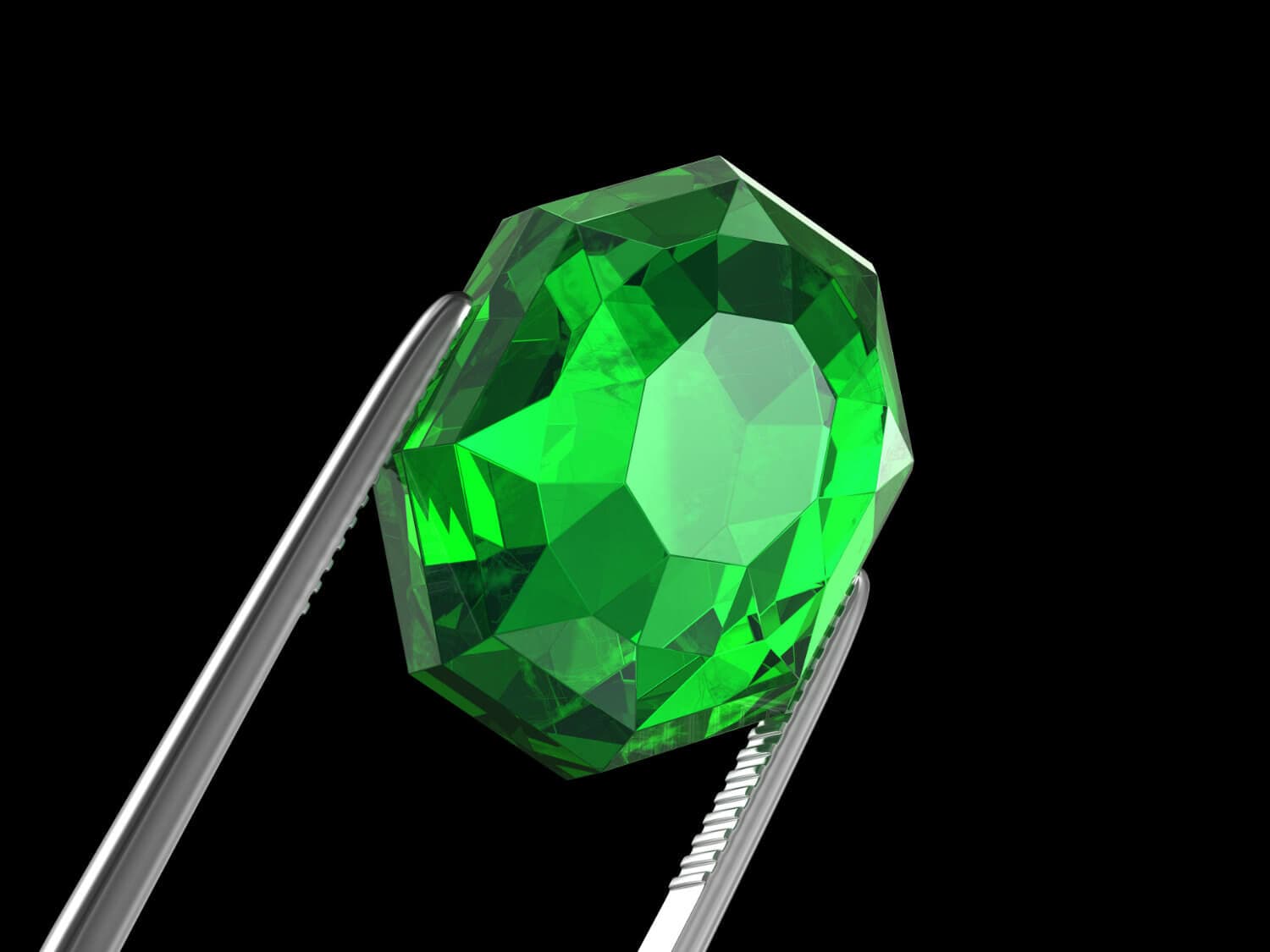
Since ancient times throughout human history, people across diverse cultures and civilizations have held strong beliefs that gemstones possess special properties that extend beyond mere aesthetic appeal. What some practitioners refer to as healing crystals have been utilized across numerous cultural traditions by those who believe these stones can promote physical wellness, emotional balance, and spiritual harmony. This comprehensive guide explores popular stones and the healing properties that have been traditionally attributed to them through centuries of folkloric and spiritual practices.
In this article, you'll discover:
People incorporate gemstones into spiritual practices in several ways. Understanding these approaches might enhance your experience if you're curious about this tradition.
Common approaches include:
A few gems—like realgar and ekanite—contain heavy metals or radioactive elements in potentially harmful amounts. Extended exposure to such stones would likely outweigh any possible benefits.
Some enthusiasts prepare potions with gems or place them in the mouth. For these uses, avoid acid-soluble gems, even those without known toxins. Stomach acids may react dangerously with impurities. Check the gemstone toxicity table for guidance.
People across numerous civilizations have treasured amber as a precious jewelry stone since prehistoric times, making it one of the earliest gemstones used by humans. This organic gem forms naturally from the hardened resin of ancient pine trees over millions of years. Some particularly valuable amber pieces contain spectacular inclusions of insects and other small animals perfectly preserved for eternity, creating a powerful and undeniable association between amber and the natural world.
Amber also demonstrates the remarkable physical property of becoming electrically charged when vigorously rubbed against wool or silk fabrics, a characteristic that many traditional healers believe reinforces its connection with the fundamental "spark of life" that animates all living things.
According to well-established traditional beliefs about amber that have persisted through generations:
The gorgeously purple amethyst with its rich violet hues ranks among the most popular and widely recognized stones in crystal traditions across multiple cultures. This beautiful gemstone is often associated with deeply calming energy and what generations of practitioners consider to be distinctive amethyst healing properties unlike those of other purple stones.
Traditional beliefs about amethyst that have been passed down through centuries include:
Crystal enthusiasts recommend wearing amethyst anywhere on the body for both spiritual and physical benefits.
With colors reminiscent of tranquil ocean waters ranging from pale blue to deeper greenish-blue tones, aquamarine stands prominently among the most beautiful and visually striking gemstones available to collectors and healing practitioners alike. These remarkable gems naturally occur in impressively large sizes, ranking them among the largest cut gemstones in the world of precious stones.
Many detailed traditional beliefs surround aquamarines and have been documented across various cultures:
The yellow to reddish-orange variety of quartz, citrine has experienced significant renewed popularity with the contemporary trend toward natural "earth tone" jewelry. It's worth noting that most commercially available citrine today doesn't naturally form with these attractive warm colors—brown smoky quartz and purple amethyst are usually heat treated through carefully controlled processes to create the beautiful citrines found in most jewelry stores.
Traditional detailed beliefs about citrine that have developed over centuries include:
For potential maximum benefit, wear citrine in its untreated natural form when possible.
Garnets can appear in virtually any color across the spectrum, though the most well-known and historically significant varieties display rich, deep red hues reminiscent of pomegranate seeds. Before modern scientific gemology developed, ancient peoples often treated all transparent red gemstones as functionally identical. This historical confusion explains the remarkable similarities between the extensive folklore of garnets and rubies that persist in many cultural traditions.
Traditional detailed beliefs about garnet that have been preserved through generations include:
Wear garnet anywhere, though many consider placement near the heart most effective.
Hauntingly beautiful moonstones display various subtle body colors but feature a distinctive, billowy blue to white moonlight-like sheen technically known as adularescence that gives these gems their mysterious, ethereal quality.
Traditional detailed beliefs about moonstone focus extensively on balance and harmony:
Beautiful organic pearl forms naturally (though quite rarely) inside both saltwater and freshwater mollusks, most notably oysters responding to irritants. While the most highly valued and sought-after pearls are perfectly round and white, these unique organic gemstones appear naturally in numerous subtle shades, fascinating shapes, and various sizes. Their distinctive aquatic origins have inspired much of their rich cultural symbolism across many civilizations.
Traditional detailed beliefs suggest pearl heals in several unique ways:
This popular and widely available pink gemstone features prominently in crystal healing traditions across numerous cultures. Rose quartz healing properties, according to generations of believers, primarily focus on matters of the heart and emotional well-being at profound levels not easily addressed through other means.
Traditional detailed beliefs about rose quartz that have persisted through centuries include:
Rose quartz makes a particularly thoughtful and meaningful gift for someone experiencing difficult life transitions such as divorce, painful breakup, family estrangement, or ongoing struggles with persistent loneliness, offering what many consider to be supportive energy during challenging emotional transitions when comfort is most needed.
Although the practice of associating specific gemstones with birth months has genuinely ancient historical roots, modern birthstone lists are relatively recent cultural creations rather than immutable traditions. The collection known as the "traditional" birthstone list originated between the 16th-18th centuries in Europe, while the standardized "modern" American birthstone list dates only to 1912 when it was formalized by the National Association of Jewelers.
Over time, some people began seriously believing that wearing the "wrong" birthstone might bring misfortune or negate benefits. In particular, pearl (traditionally associated with June) and opal (linked to October) developed widespread reputations for potentially causing bad luck when worn by individuals born in different months.
It's important to understand that birthstone traditions have evolved considerably throughout human history:
When thoughtfully selecting gemstones that some traditions believe may have healing properties, many experienced practitioners suggest not worrying about whether a particular gem serves as your official birthstone according to any particular system. Those who seriously follow crystal traditions generally believe these inherent properties work effectively regardless of birth month associations or other calendar connections. Always choose stones that personally resonate with your individual energy and specifically address your unique needs rather than feeling limited by birthdate connections.