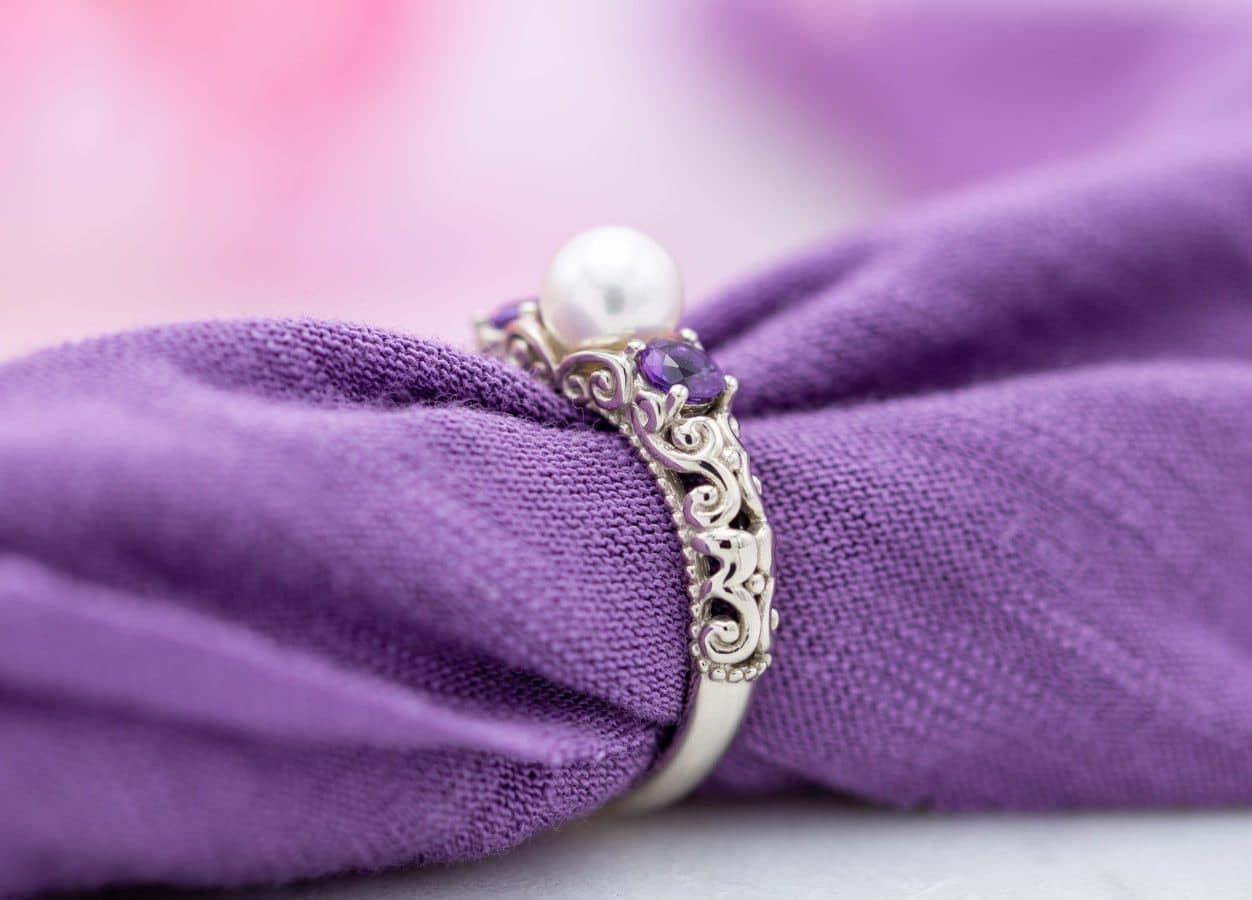
Did you know that routine pearl treatments are the most common enhancements in the gem trade? Learn more about these procedures and how they impact prices.
3 Minute Read
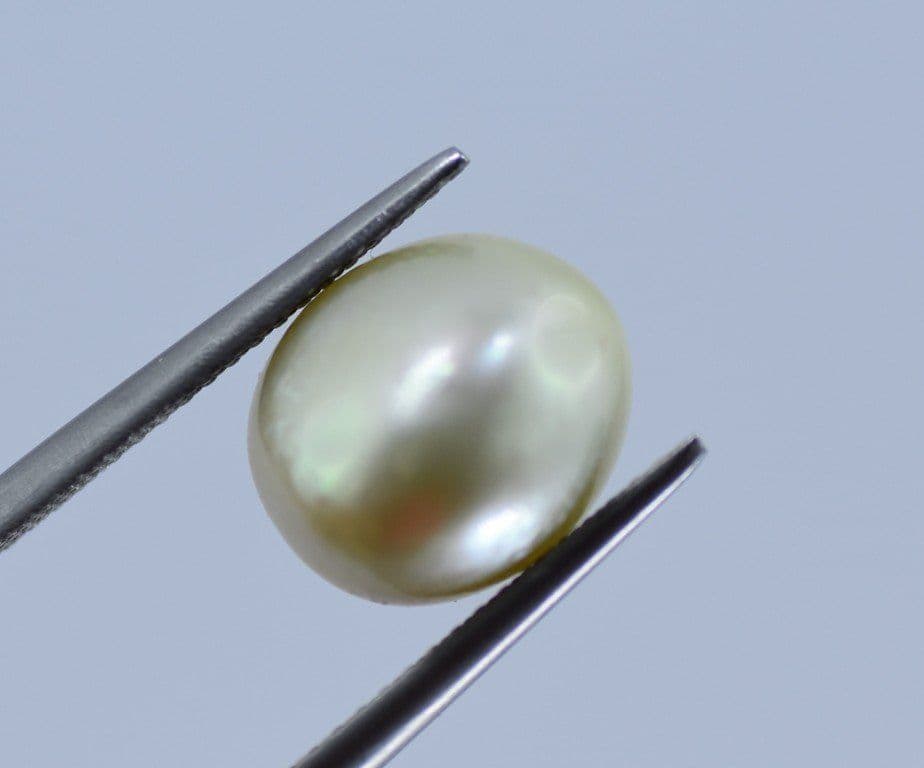
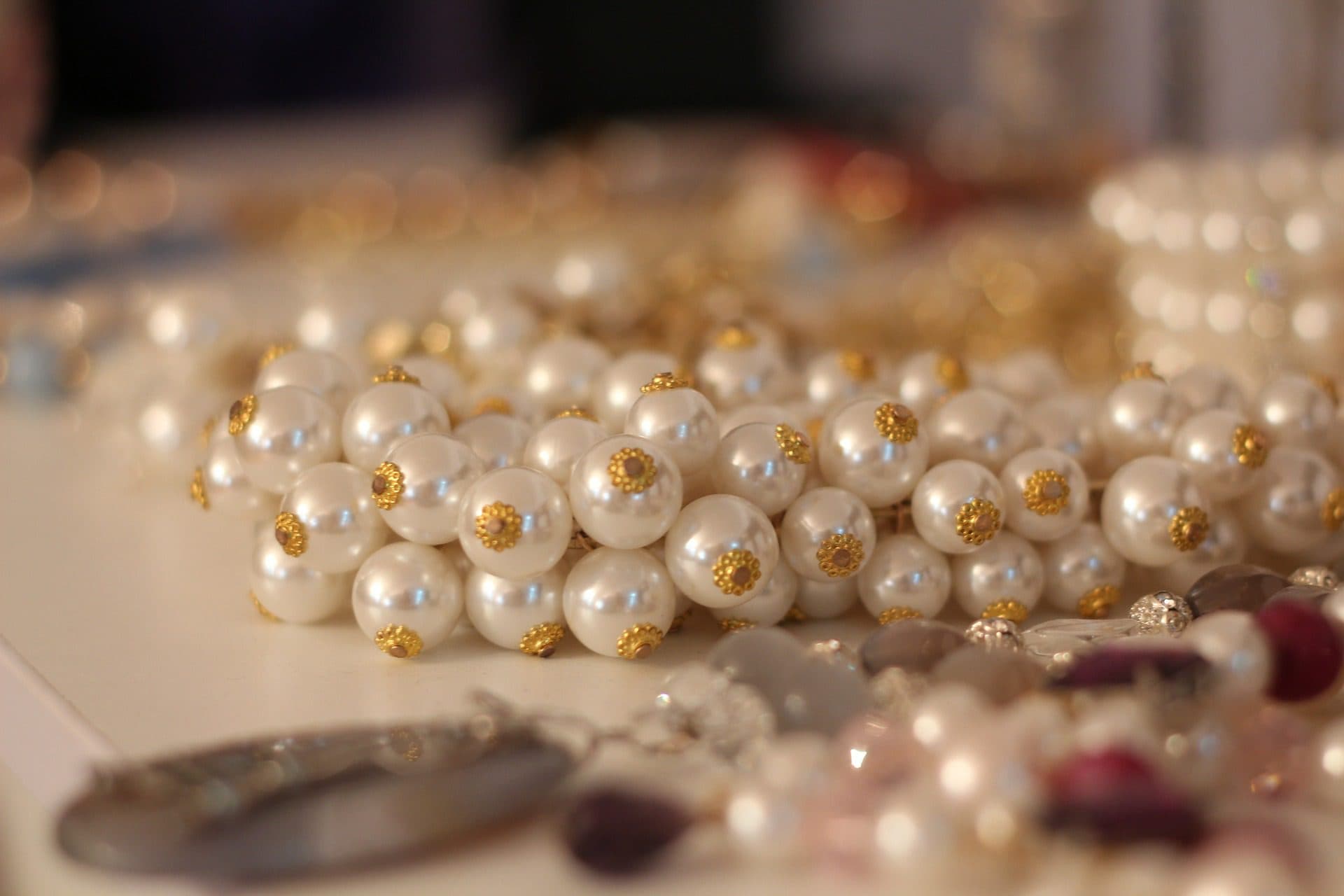
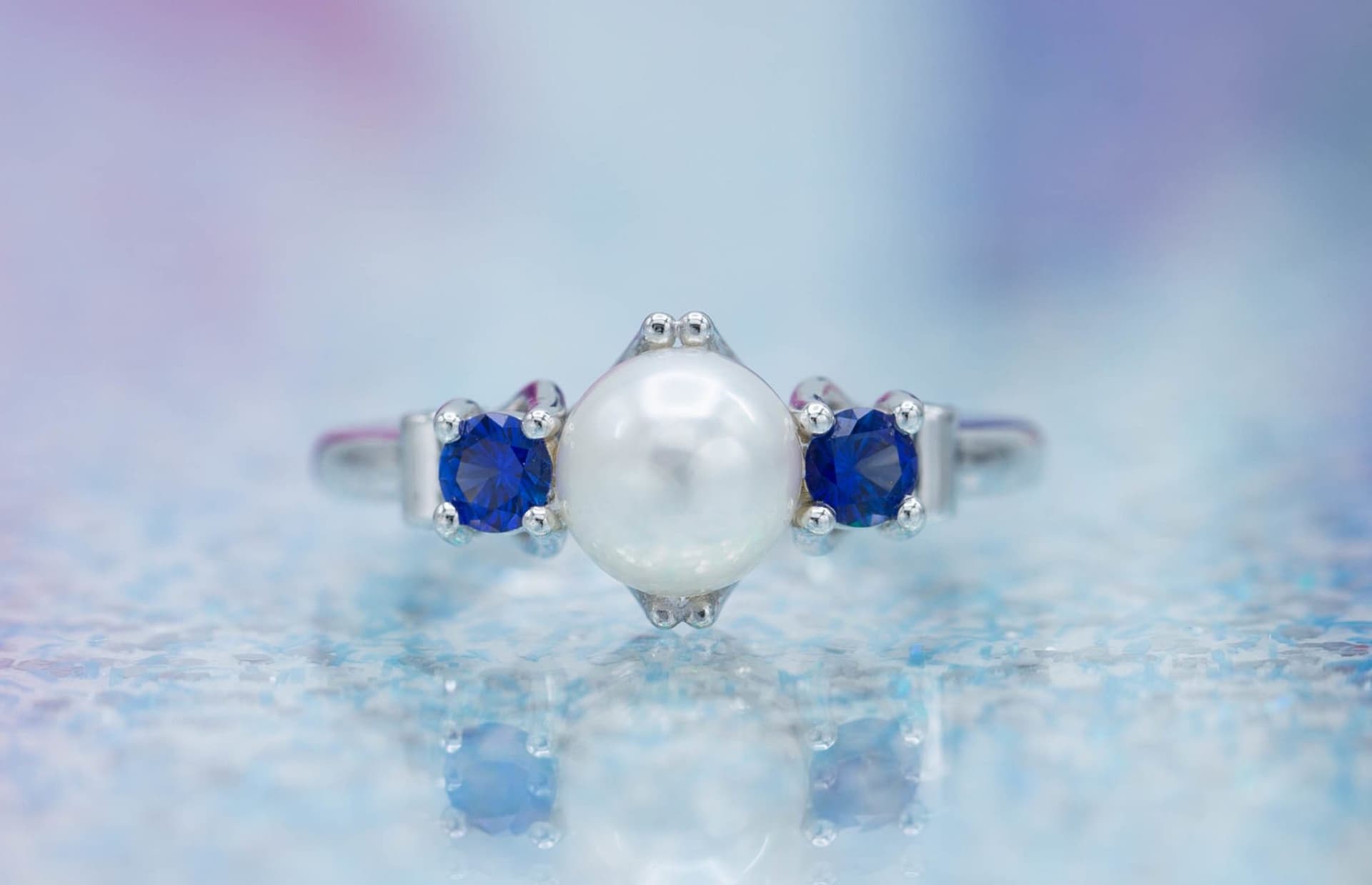
Large factories in Japan and China process pearls in bulk. Since these are the major producers of pearls, this results in uniform appearance and excellent matching for most pearl strands. After pre-treatment washing, most pearls undergo bleaching, dyeing, and a light polishing, and some types also receive luster enhancement. While many people view dyeing negatively, there’s little to no stigma associated with these routine pearl treatments.
Once out of the shell, pearls are tumbled in a mildly abrasive saltwater solution that removes stuck organic matter.
After this step, experts grade the pearls, which determines their subsequent level of treatment. Only top-quality pearls receive no further treatment. (For Akoya pearls, for example, these are Hanadama-quality). Sellers may also advertise other cultured pearl types as untreated.
Most pearls undergo maeshori (Japanese for “before treatment”), a secretive luster enhancement process. This involves a hot-and-cold treatment, and the exact steps vary between factories. In fact, some factories even combine the heating process with bleaching chemicals.
Ultimately, maeshori tightens nacre layers, which drives water out of the pearl. Many liken this treatment to a “facelift” for the pearl.
While this results in a higher…

When you join the IGS community, you get trusted diamond & gemstone information when you need it.
Large factories in Japan and China process pearls in bulk. Since these are the major producers of pearls, this results in uniform appearance and excellent matching for most pearl strands. After pre-treatment washing, most pearls undergo bleaching, dyeing, and a light polishing, and some types also receive luster enhancement. While many people view dyeing negatively, there’s little to no stigma associated with these routine pearl treatments.
Once out of the shell, pearls are tumbled in a mildly abrasive saltwater solution that removes stuck organic matter.
After this step, experts grade the pearls, which determines their subsequent level of treatment. Only top-quality pearls receive no further treatment. (For Akoya pearls, for example, these are Hanadama-quality). Sellers may also advertise other cultured pearl types as untreated.
Most pearls undergo maeshori (Japanese for “before treatment”), a secretive luster enhancement process. This involves a hot-and-cold treatment, and the exact steps vary between factories. In fact, some factories even combine the heating process with bleaching chemicals.
Ultimately, maeshori tightens nacre layers, which drives water out of the pearl. Many liken this treatment to a “facelift” for the pearl.
While this results in a higher…

Did you know that routine pearl treatments are the most common enhancements in the gem trade? Learn more about these procedures and how they impact prices.


“I have never known or heard of an organization that offers so much for its members, and at such a low cost.”
— Ernest Roisch, Rainbow Rocks LTD
That's less than $0.01 per article. Get instant access to 1,700+ premium articles, courses, and gem pricing data.