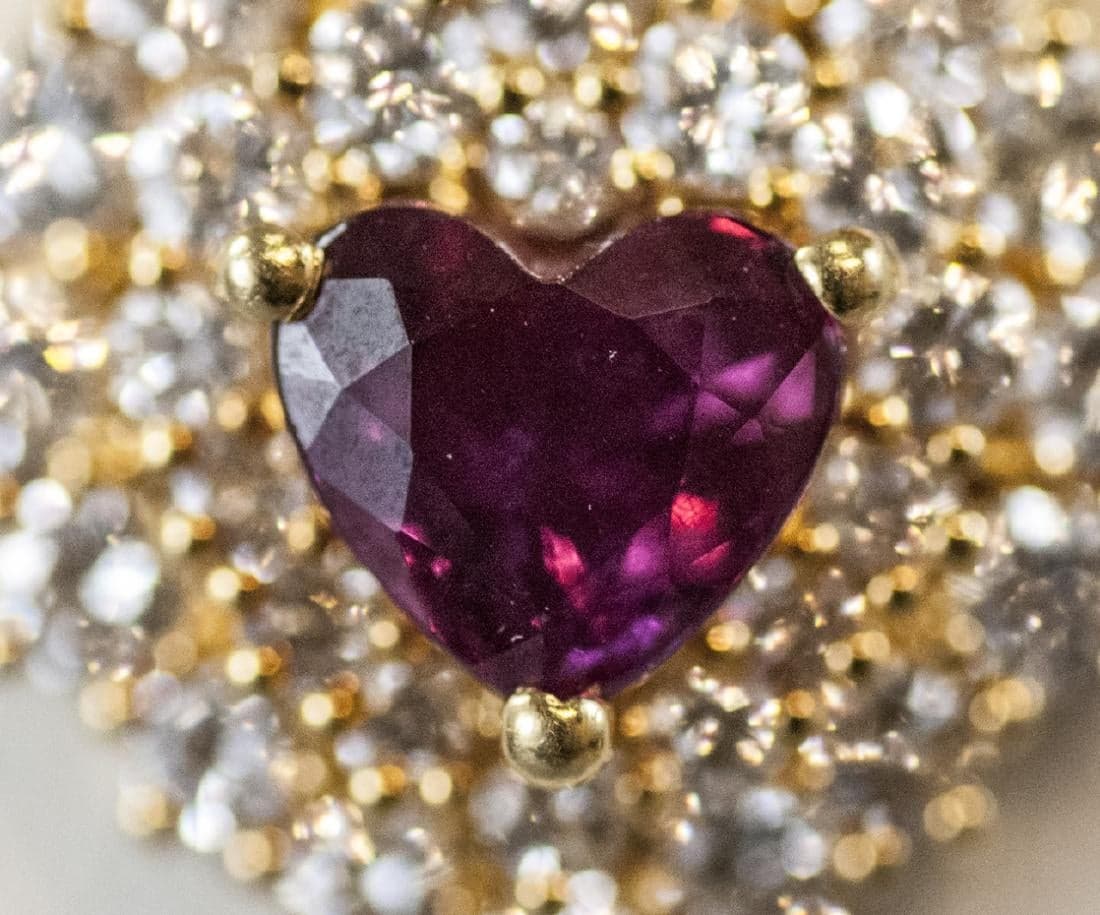
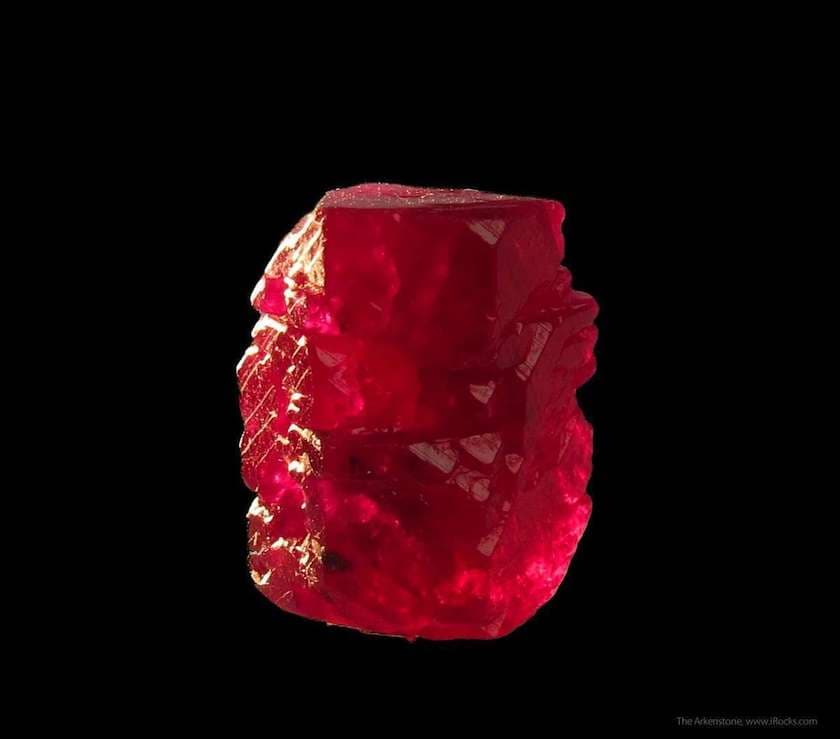
Many cultures have long considered ruby a king's gem. Not surprisingly, ruby symbolism and lore have many associations with power, wealth, and protection.
7 Minute Read
Ruby symbolism has captivated civilizations for millennia, with this blood-red gem earning its reputation as the "king of precious stones." Not surprisingly, ruby symbolism and lore have many associations with power and wealth. Possessing a ruby purportedly benefited and protected the owner's estates and assisted in the accumulation of wealth. Notably, this gem would help its owner acquire more gems.
This guide explores the historical meaning and mystical properties attributed to rubies throughout the ages. Here's what you'll discover:
Throughout history, rubies have been revered as a king's gemstone across numerous cultures. This regal association has infused ruby symbolism with powerful connections to authority, prosperity, and supernatural protection.
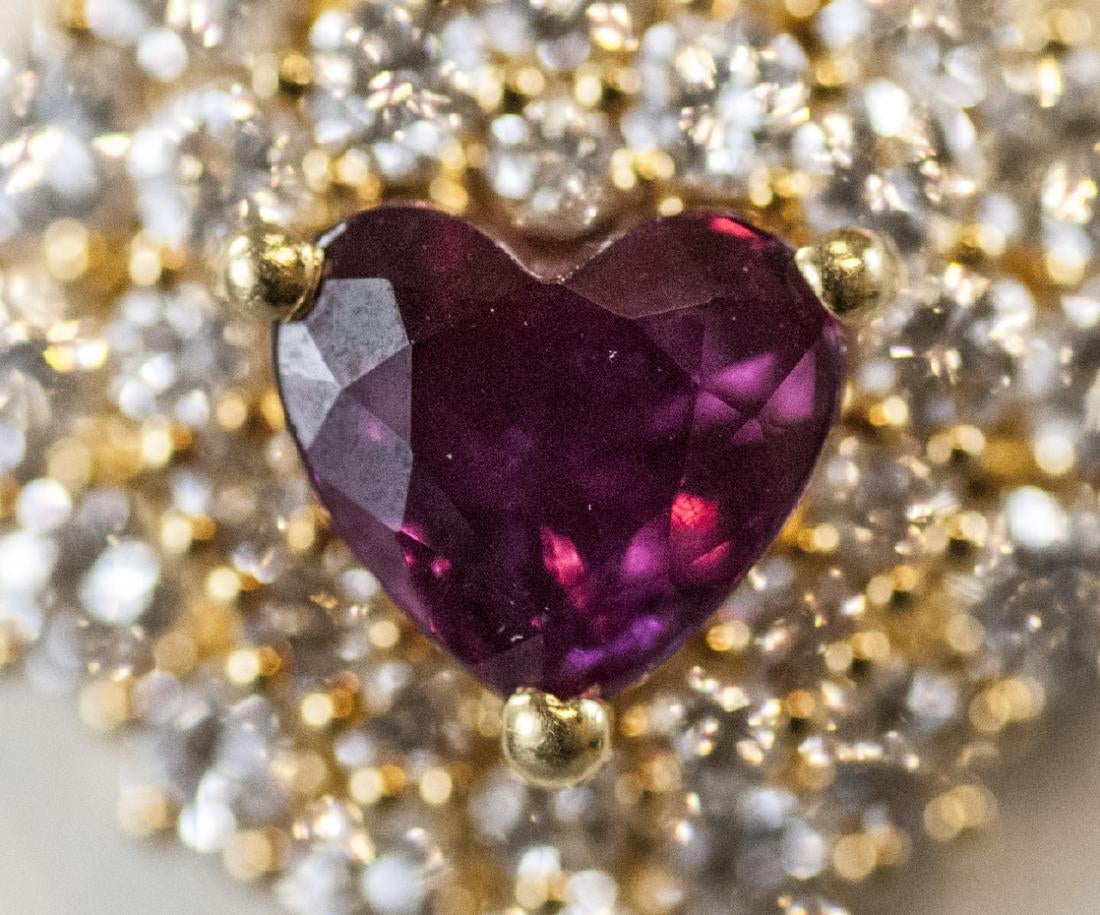
As a protective talisman, ruby's mystical properties were believed to extend powerful safeguards to its owner. People traditionally wore this stone on the left side, nearest the heart, for maximum protective benefit. The beliefs surrounding ruby protection were extensive and profound. The wearer would enjoy a peaceful life free from territorial disputes or challenges to their status.
The blood-colored gemstone would shield its owner from various dangers and threats. Even the wearer's home would receive protection from destructive storms and elements, creating a comprehensive shield against both human and natural hazards.
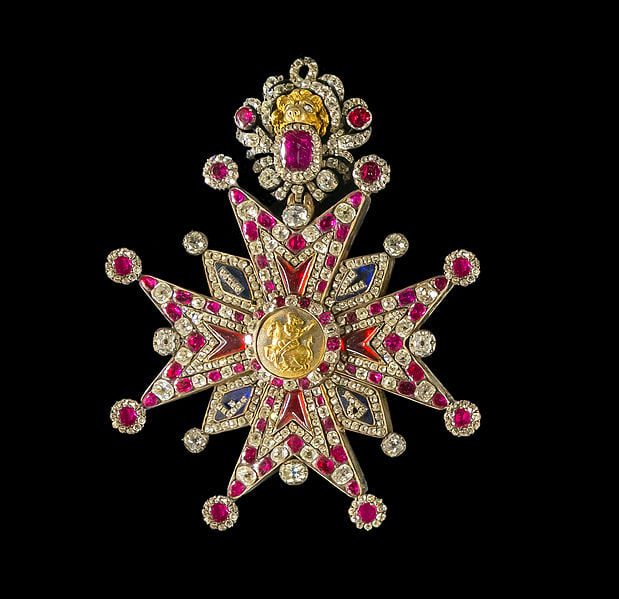
The striking blood-red color of ruby naturally fostered strong symbolic connections to human blood. Warriors and those facing physical dangers were thought to share a special relationship with this gem. This connection manifested in significant ways across different cultures.
Ancient Burmese soldiers prized the ruby as their signature stone, believing it granted invulnerability in battle. True protection required more than simply wearing the stone—some warriors had rubies physically inserted into their flesh for immunity against spears, swords, and even gunfire. The Burmese military tradition involved surgically embedding ruby gemstones directly beneath the skin, particularly in areas considered vulnerable during combat such as the shoulders, chest, and upper arms. This ritual of ruby implantation was believed to create a permanent protective barrier, making the warrior's body impervious to weapons when the stone became integrated with their physical form. Historical sources claimed rubies and other red stones could heal bleeding wounds, reduce inflammation, and increase bodily warmth.
The ancient Indians shared similar beliefs about ruby's healing properties. They were convinced that ruby stones had the power to cure bleeding disorders and reduce various types of inflammation. Particularly large ruby specimens could bestow complete invulnerability upon those who carried them.
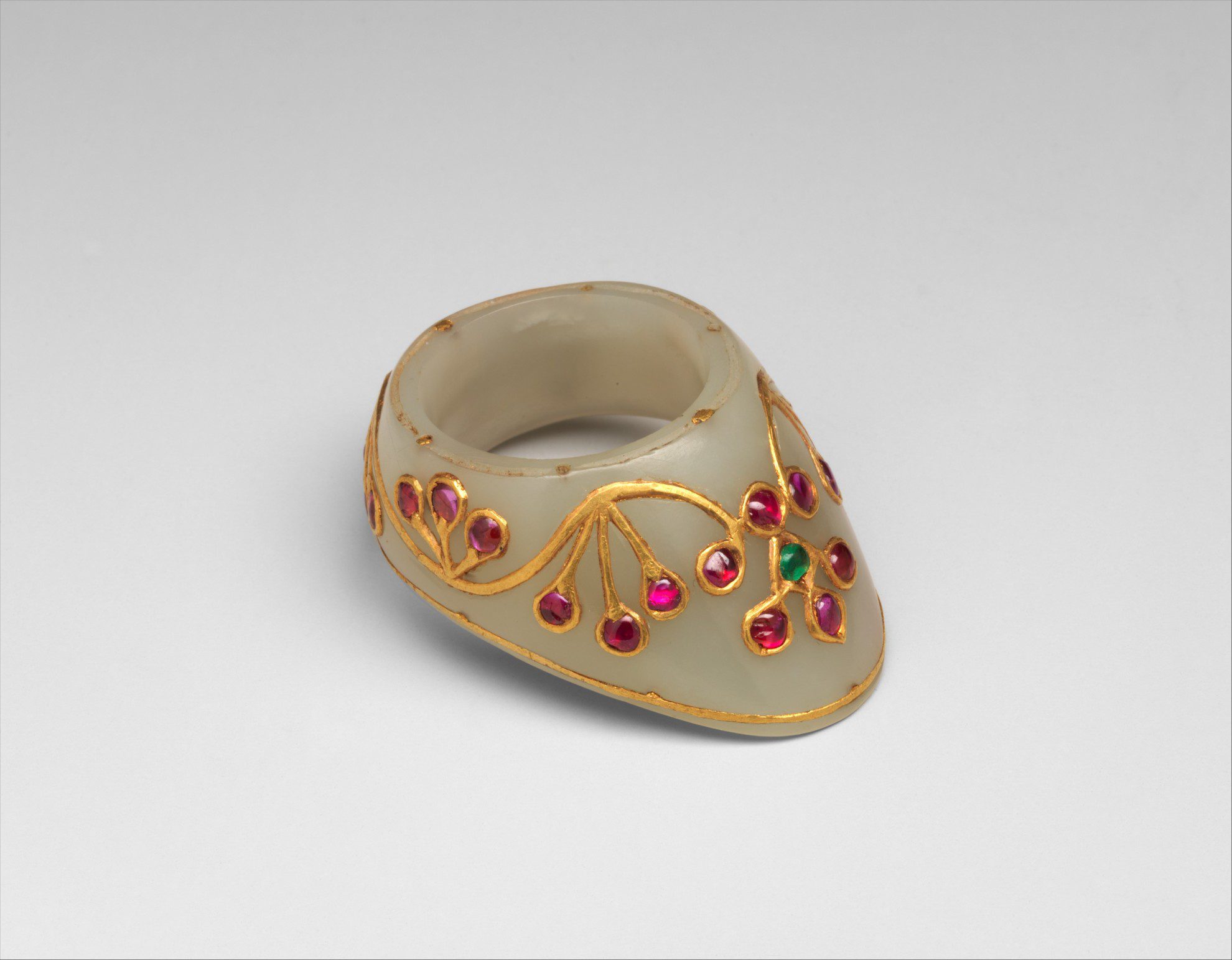
Medical applications of ruby extended into medieval Europe, where Paracelsus, the renowned 16th-century physician and alchemist, reportedly used ruby preparations in his medical practice. Paracelsus incorporated powdered ruby into specialized treatments for cancer ulcers. His medical philosophy connected the ruby's vibrant red color with its supposed ability to restore vitality and health to damaged tissues. This medicinal use of ruby reflects the broader medieval belief in gemstones' capacity to influence bodily health through their intrinsic properties and symbolic associations.
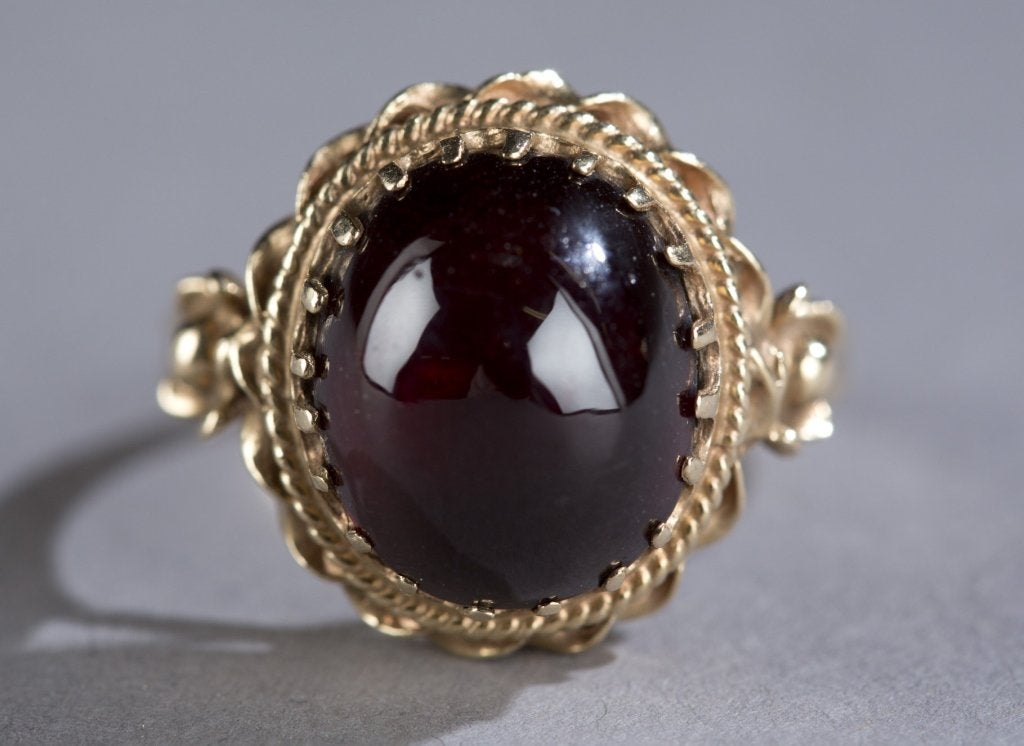
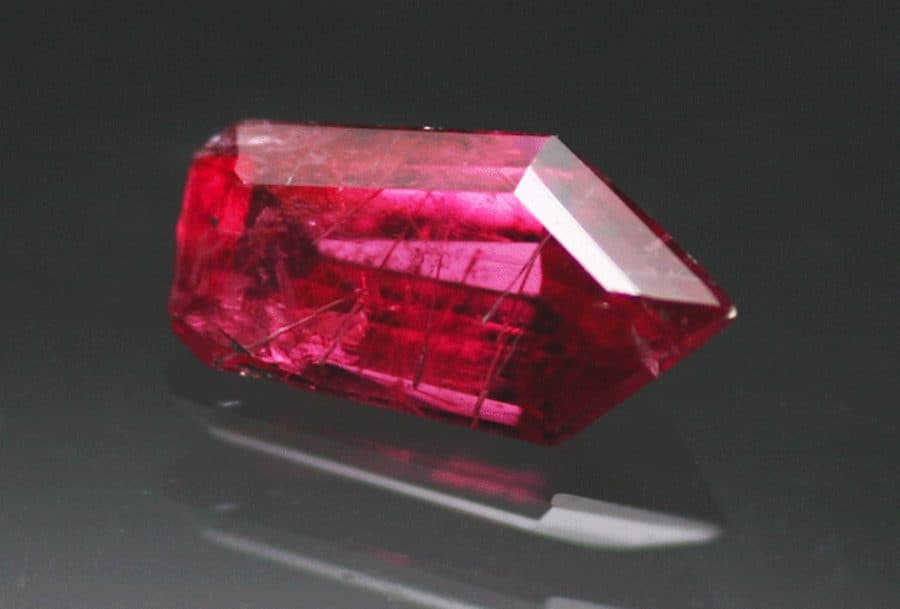
Ruby's internal radiance suggests an inner fire dwelling within the stone. This visual quality inspired several fascinating legends about the gem's luminous properties. A ruby placed in water was said to possess enough heat to bring the liquid to a boil. Even when hidden inside wrappings, people believed rubies would shine through and reveal their presence.
Historical accounts describe special rubies that could emit their own light, with one reportedly "shining like a torch." These stories of ruby's inner light represent the mystical qualities attributed to this gemstone throughout the ages.
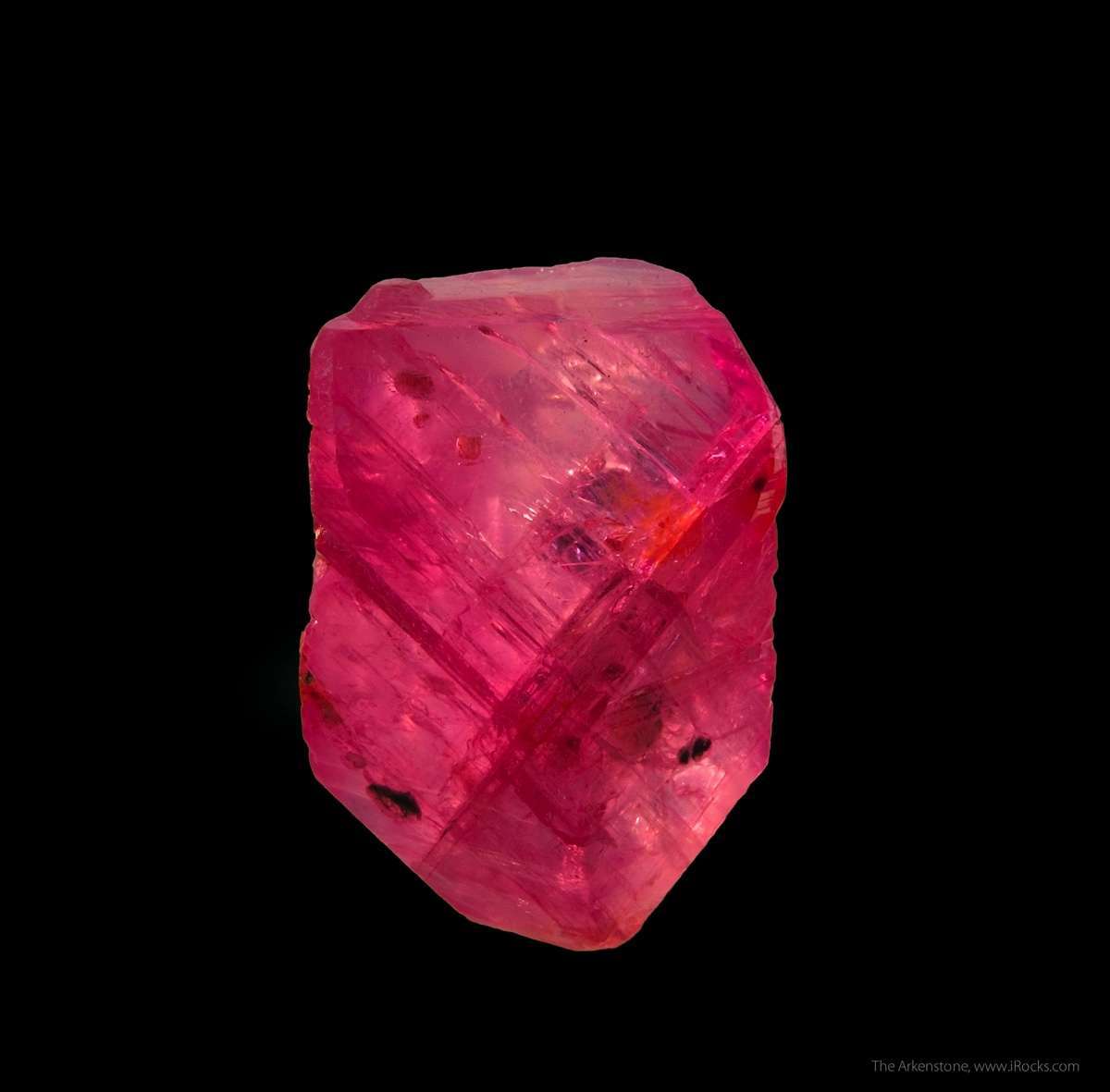
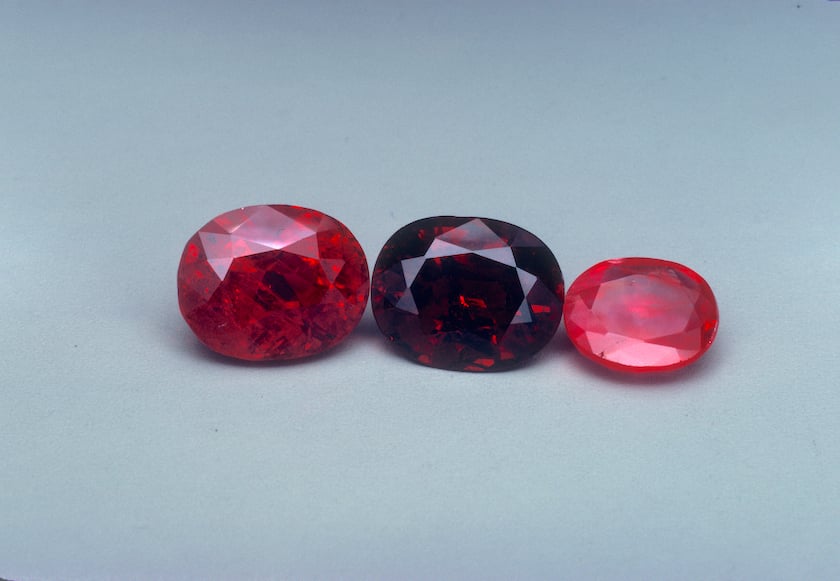
All ruby varieties were thought to possess similar properties beyond their protective powers. These conscious gems were believed to help control negative thoughts and emotional impulses. They could dispel anger and heated emotions during conflicts and resolve disputes between opposing parties. Interestingly, darker rubies were classified as "male" stones while lighter specimens were considered "female."
When medieval people encountered gems with carved images, they didn't recognize these as human artistry. Instead, they believed such stones formed naturally with these designs and possessed extraordinary powers. For example, in the 13th-century work, The Book of Wings, Ragiel writes:

The beautiful and terrible figure of a dragon. If this is found on a ruby or any other stone of similar nature and virtue, it has the power to augment the goods of this world and makes the wearer joyous and healthy.
Some historical beliefs suggested spirits inhabited rare and beautiful gems. Mineralogist George Kunz notes this sentiment in the writings of Mme. Catulle Mendes, who described her jewelry as having feelings—her ruby would grow dull, her turquoise pale, and her aquamarines would appear tearful when neglected too long.
I have a ruby which grows dull, two turquoises which become pale as death, aquamarines which look like siren's eyes filled with tears, when I forget them too long. How sad I should feel if precious stones did not love to rest upon me!
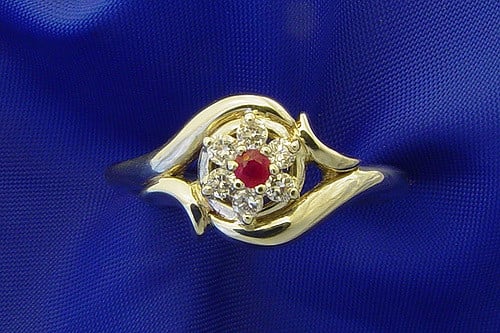
In Hindu culture, the ruby holds supreme status as "the king of precious stones," considered more valuable than any other gem. The Mani Mala describes the Kalpa Tree, a symbolic divine offering, composed entirely of precious gems. This magnificent tree featured trunks and branches made of sapphires, diamonds, topazes, emeralds, and other precious gemstones. The Kalpa Tree's ultimate treasure was its ruby fruits, symbolizing the pinnacle of value.
Hindu temples traditionally receive ceremonial offerings of gems and jewelry. According to the Harita Smriti, "He who worships Krishna with rubies will be reborn as a powerful emperor. If with a small ruby, he will be born a king." This belief demonstrates the extraordinary spiritual value attributed to rubies in Hindu religious practice and their connection to divine power and royal destiny.
An eighth-century CE Arabic dream interpretation book by Achametis discusses the significance of dreaming about rubies. Kings who dreamed of ruby-set crowns could expect great joy, fortune, and increased fear from their enemies. For merchants and businesspeople, ruby dreams indicated commercial success and profitable ventures.
Farmers and agricultural workers who dreamed of rubies could anticipate bountiful harvests and productive seasons. These dream interpretations reflect the universal association of rubies with prosperity, success, and positive outcomes across different professions and social classes.
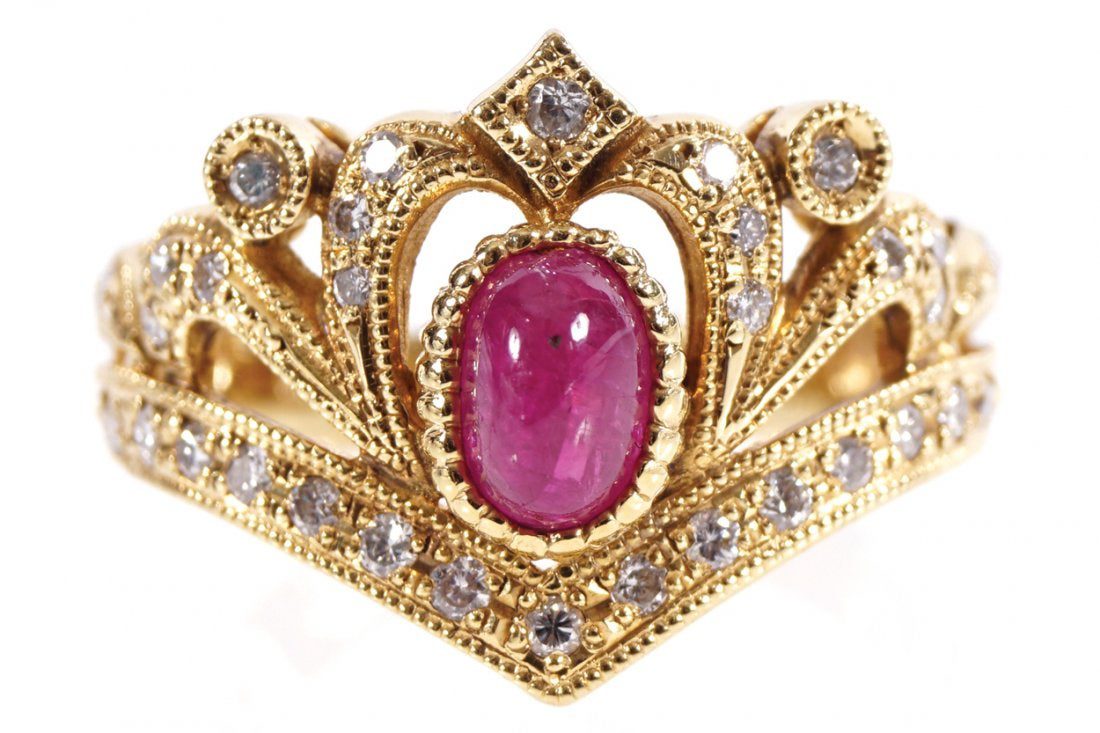
With such an extensive and diverse historical significance, it's no wonder the ruby has developed such a powerful mystique. The enduring appeal of this gemstone transcends mere beauty. Ruby owners throughout history have recognized the gem's exceptional qualities and prestigious reputation. The stone's legendary properties align with universal human desires for wealth, protection, and success. For those seeking a gem believed to increase prosperity, intimidate rivals, and provide supernatural protection, historical traditions consistently point to the ruby as the ultimate choice.
The folklore surrounding another red gemstone, garnet, shares many similarities with ruby symbolism. Before scientific classification of gem species, many cultures considered all red gemstones to be the same type of stone.
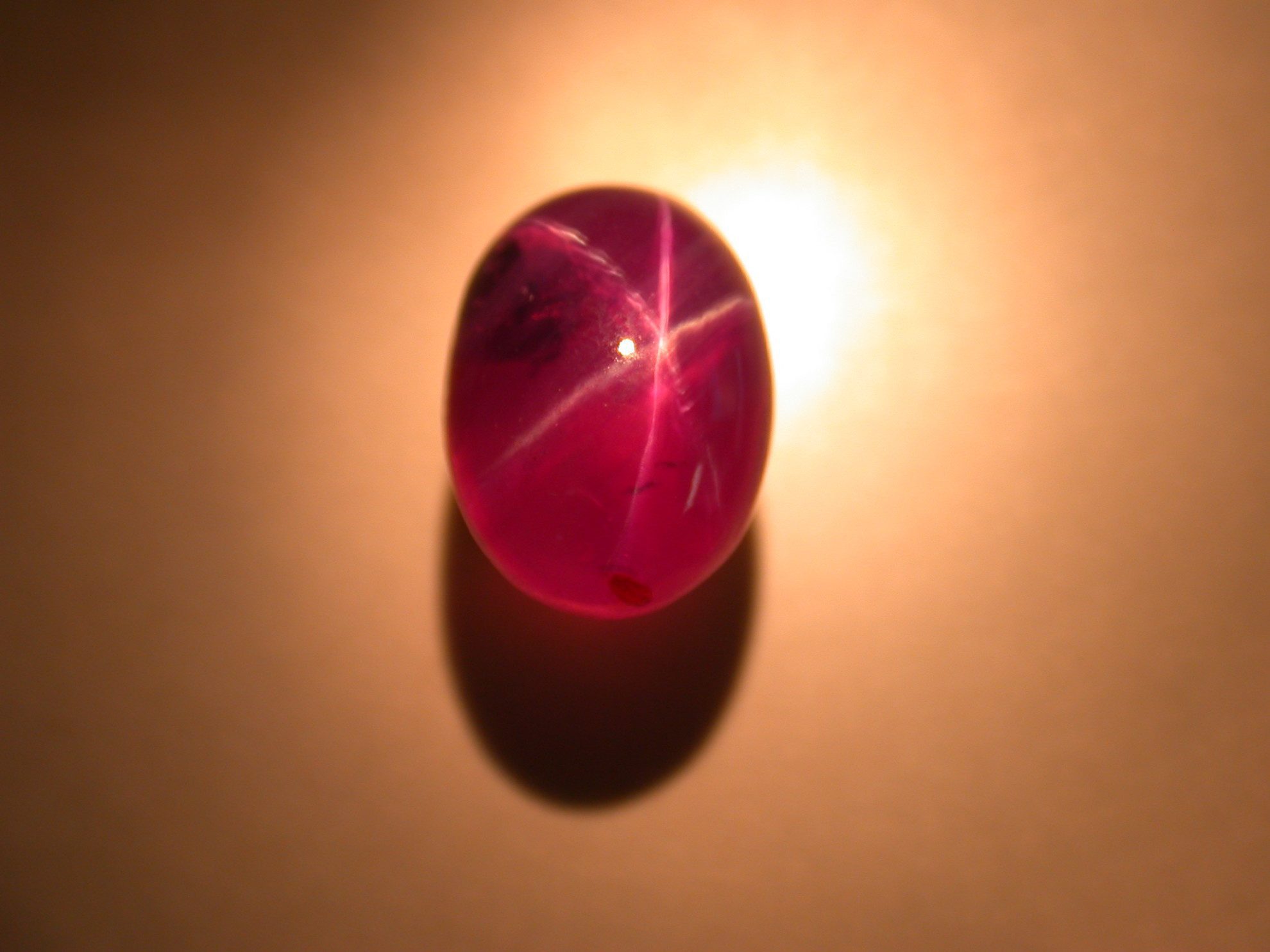
The ruby's rich symbolic history reveals why it continues to fascinate gem enthusiasts today:
According to traditional beliefs, wearing a ruby on the left side would allow the bearer to live peacefully, protecting them from dangers and territorial disputes.
The Burmese required rubies to be physically inserted into the flesh to gain full protection from weapons.
Yes, historical sources claimed that rubies could remedy bleeding and inflammation. Paracelsus reportedly used ruby to treat cancer ulcers.
Ruby's inner glow led to beliefs that it contained an inner fire that could heat water and shine through wrappings.
In Hindu culture, rubies are "the king of precious stones." Those who worship Krishna with rubies will be reborn as powerful emperors.



When you join the IGS community, you get trusted diamond & gemstone information when you need it.
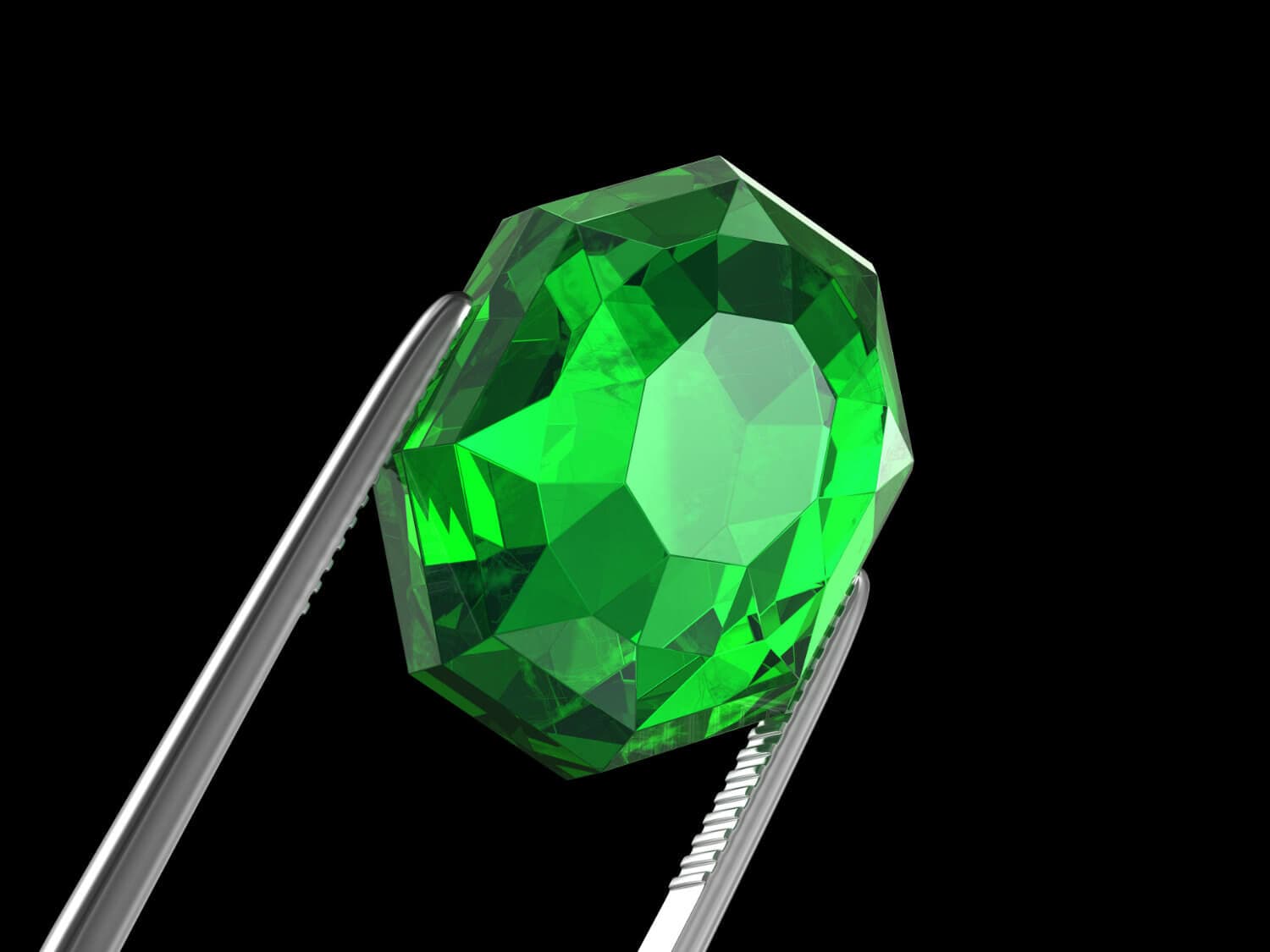
Ruby symbolism has captivated civilizations for millennia, with this blood-red gem earning its reputation as the "king of precious stones." Not surprisingly, ruby symbolism and lore have many associations with power and wealth. Possessing a ruby purportedly benefited and protected the owner's estates and assisted in the accumulation of wealth. Notably, this gem would help its owner acquire more gems.
This guide explores the historical meaning and mystical properties attributed to rubies throughout the ages. Here's what you'll discover:
As a protective talisman, ruby's mystical properties were believed to extend powerful safeguards to its owner. People traditionally wore this stone on the left side, nearest the heart, for maximum protective benefit. The beliefs surrounding ruby protection were extensive and profound. The wearer would enjoy a peaceful life free from territorial disputes or challenges to their status.
The blood-colored gemstone would shield its owner from various dangers and threats. Even the wearer's home would receive protection from destructive storms and elements, creating a comprehensive shield against both human and natural hazards.
The striking blood-red color of ruby naturally fostered strong symbolic connections to human blood. Warriors and those facing physical dangers were thought to share a special relationship with this gem. This connection manifested in significant ways across different cultures.
Ancient Burmese soldiers prized the ruby as their signature stone, believing it granted invulnerability in battle. True protection required more than simply wearing the stone—some warriors had rubies physically inserted into their flesh for immunity against spears, swords, and even gunfire. The Burmese military tradition involved surgically embedding ruby gemstones directly beneath the skin, particularly in areas considered vulnerable during combat such as the shoulders, chest, and upper arms. This ritual of ruby implantation was believed to create a permanent protective barrier, making the warrior's body impervious to weapons when the stone became integrated with their physical form. Historical sources claimed rubies and other red stones could heal bleeding wounds, reduce inflammation, and increase bodily warmth.
The ancient Indians shared similar beliefs about ruby's healing properties. They were convinced that ruby stones had the power to cure bleeding disorders and reduce various types of inflammation. Particularly large ruby specimens could bestow complete invulnerability upon those who carried them.
Medical applications of ruby extended into medieval Europe, where Paracelsus, the renowned 16th-century physician and alchemist, reportedly used ruby preparations in his medical practice. Paracelsus incorporated powdered ruby into specialized treatments for cancer ulcers. His medical philosophy connected the ruby's vibrant red color with its supposed ability to restore vitality and health to damaged tissues. This medicinal use of ruby reflects the broader medieval belief in gemstones' capacity to influence bodily health through their intrinsic properties and symbolic associations.
Ruby's internal radiance suggests an inner fire dwelling within the stone. This visual quality inspired several fascinating legends about the gem's luminous properties. A ruby placed in water was said to possess enough heat to bring the liquid to a boil. Even when hidden inside wrappings, people believed rubies would shine through and reveal their presence.
Historical accounts describe special rubies that could emit their own light, with one reportedly "shining like a torch." These stories of ruby's inner light represent the mystical qualities attributed to this gemstone throughout the ages.
All ruby varieties were thought to possess similar properties beyond their protective powers. These conscious gems were believed to help control negative thoughts and emotional impulses. They could dispel anger and heated emotions during conflicts and resolve disputes between opposing parties. Interestingly, darker rubies were classified as "male" stones while lighter specimens were considered "female."
When medieval people encountered gems with carved images, they didn't recognize these as human artistry. Instead, they believed such stones formed naturally with these designs and possessed extraordinary powers. For example, in the 13th-century work, The Book of Wings, Ragiel writes:
The beautiful and terrible figure of a dragon. If this is found on a ruby or any other stone of similar nature and virtue, it has the power to augment the goods of this world and makes the wearer joyous and healthy.
Some historical beliefs suggested spirits inhabited rare and beautiful gems. Mineralogist George Kunz notes this sentiment in the writings of Mme. Catulle Mendes, who described her jewelry as having feelings—her ruby would grow dull, her turquoise pale, and her aquamarines would appear tearful when neglected too long.
I have a ruby which grows dull, two turquoises which become pale as death, aquamarines which look like siren's eyes filled with tears, when I forget them too long. How sad I should feel if precious stones did not love to rest upon me!
In Hindu culture, the ruby holds supreme status as "the king of precious stones," considered more valuable than any other gem. The Mani Mala describes the Kalpa Tree, a symbolic divine offering, composed entirely of precious gems. This magnificent tree featured trunks and branches made of sapphires, diamonds, topazes, emeralds, and other precious gemstones. The Kalpa Tree's ultimate treasure was its ruby fruits, symbolizing the pinnacle of value.
Hindu temples traditionally receive ceremonial offerings of gems and jewelry. According to the Harita Smriti, "He who worships Krishna with rubies will be reborn as a powerful emperor. If with a small ruby, he will be born a king." This belief demonstrates the extraordinary spiritual value attributed to rubies in Hindu religious practice and their connection to divine power and royal destiny.
An eighth-century CE Arabic dream interpretation book by Achametis discusses the significance of dreaming about rubies. Kings who dreamed of ruby-set crowns could expect great joy, fortune, and increased fear from their enemies. For merchants and businesspeople, ruby dreams indicated commercial success and profitable ventures.
Farmers and agricultural workers who dreamed of rubies could anticipate bountiful harvests and productive seasons. These dream interpretations reflect the universal association of rubies with prosperity, success, and positive outcomes across different professions and social classes.
With such an extensive and diverse historical significance, it's no wonder the ruby has developed such a powerful mystique. The enduring appeal of this gemstone transcends mere beauty. Ruby owners throughout history have recognized the gem's exceptional qualities and prestigious reputation. The stone's legendary properties align with universal human desires for wealth, protection, and success. For those seeking a gem believed to increase prosperity, intimidate rivals, and provide supernatural protection, historical traditions consistently point to the ruby as the ultimate choice.
The folklore surrounding another red gemstone, garnet, shares many similarities with ruby symbolism. Before scientific classification of gem species, many cultures considered all red gemstones to be the same type of stone.
The ruby's rich symbolic history reveals why it continues to fascinate gem enthusiasts today:
According to traditional beliefs, wearing a ruby on the left side would allow the bearer to live peacefully, protecting them from dangers and territorial disputes.
The Burmese required rubies to be physically inserted into the flesh to gain full protection from weapons.
Yes, historical sources claimed that rubies could remedy bleeding and inflammation. Paracelsus reportedly used ruby to treat cancer ulcers.
Ruby's inner glow led to beliefs that it contained an inner fire that could heat water and shine through wrappings.
In Hindu culture, rubies are "the king of precious stones." Those who worship Krishna with rubies will be reborn as powerful emperors.