Explore the amethyst meaning and journey from ancient protection against drunkenness to spiritual symbol. Discover the legends, meanings, and cultural significance behind February's captivating purple birthstone.
8 Minute Read
The captivating purple amethyst has enchanted humanity for millennia with its mystical properties and rich symbolism. This comprehensive guide explores the fascinating world of amethyst meaning and symbolism across different cultures and time periods.
In this article, you'll learn:
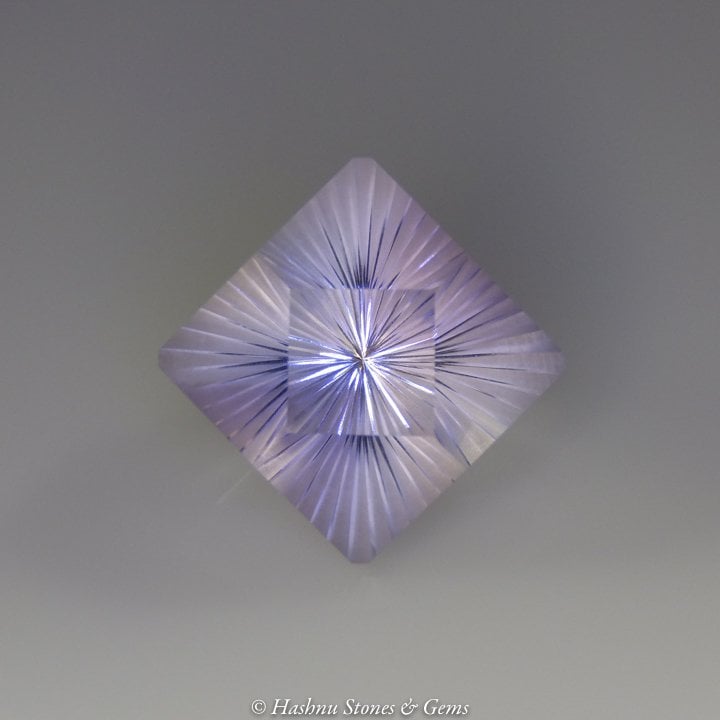
Amethyst has accumulated numerous folkloric associations spanning love, spirituality, and supernatural protection throughout its storied history. This revered purple gemstone carries deep amethyst crystal meaning across diverse cultures and civilizations.
From ancient Egypt to medieval Europe and beyond, its distinctive violet hue has inspired wonder. Consequently, it has earned a prominent place in both royal treasuries and spiritual practices.
One of the most enduring protective qualities associated with amethyst involves its purported ability to prevent drunkenness. A captivating myth featuring Bacchus, the Roman god of wine, popularized this belief through the following tale:

Long ago, a beautiful maiden was on her way to worship at the Temple of Diana. However, she had the misfortune of crossing paths with the god of wine, Bacchus. Angered since he'd just suffered some slight, he'd vowed to take revenge on the next person he met. He spied the maid and unleashed his two guardian tigers upon her. As the great beasts bounded towards the hapless lass, the goddess Diana intervened. To spare her such a terrible fate, she turned her into a pure, clear stone.
Immediately, remorse seized Bacchus. To atone for his actions, he poured his wine over the stone, staining the crystal a deep, violet hue. And so, the maiden Amethyst lent her name to the crystal.
Though presented as ancient mythology, this story actually dates only from the Renaissance period. The talented French poet Remy Belleau created it in 1576. It was part of an elaborate poem about gemstone beliefs and properties.
Nevertheless, the concept that amethyst could guard against drunkenness genuinely dates back to Ancient Greece. "Amethystos" means "not drunk" in Ancient Greek, revealing the etymological connection. Therefore, Greeks firmly believed carrying an amethyst allowed you to drink while maintaining sobriety. Additionally, some would place the stone directly in their mouth during festivities.
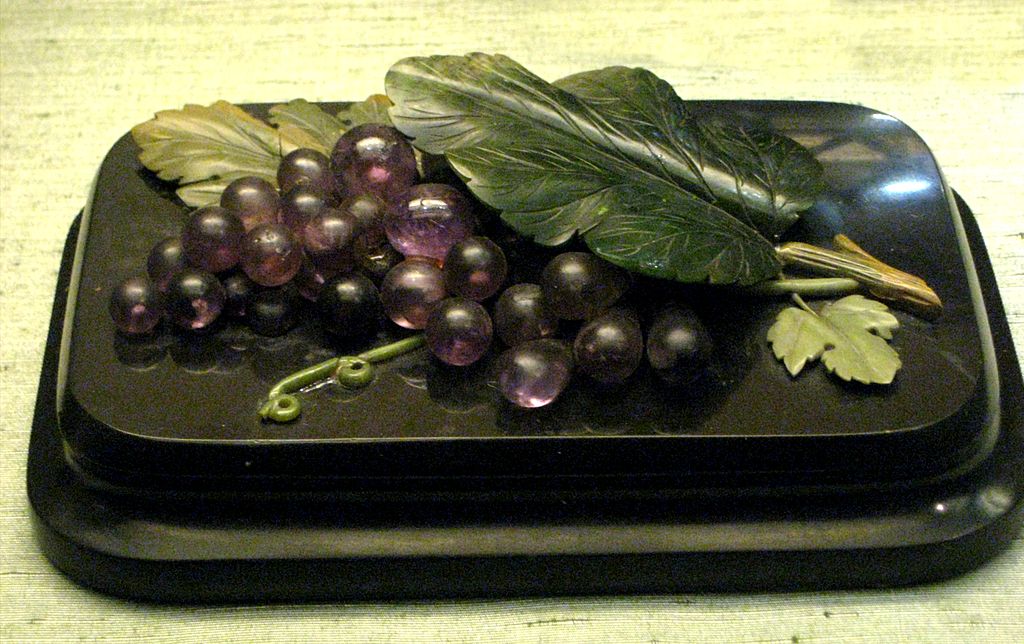
Perhaps this association with calming physical passions led early Christians to connect amethyst with Christ. The gem's rich purple colors represented spiritual purity and divine presence. Its purplish and reddish hues symbolized the purifying effects of suffering. Many religious scholars believed these colors alluded to Christ's wounds. As a result, amethysts were frequently used to aid wound healing throughout medieval Europe.
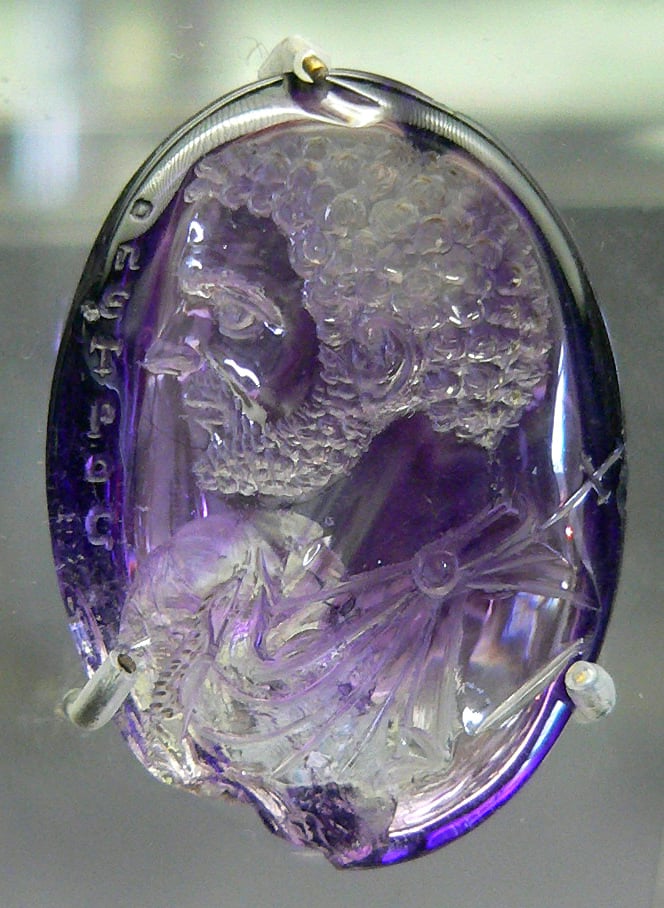
Numerous cultures find profound spiritual significance in amethyst crystal meaning. They attribute various metaphysical properties to this remarkable gemstone:
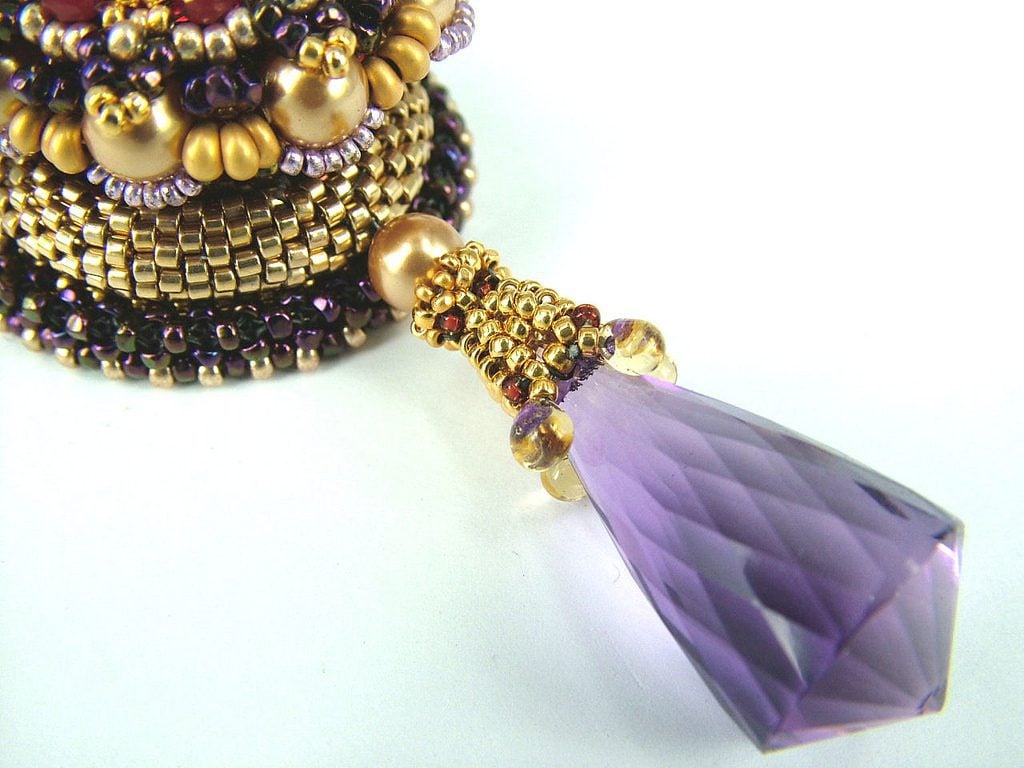
Ancient Egyptians incorporated amethysts into intricately designed amulets serving both as powerful prayer forms and reliable protection against various forms of harm and negative energy. While later Egyptian artisans created elaborate and aesthetically stunning pieces featuring detailed engravings and gold settings, early jewelry makers maintained more practical and symbolically focused designs. Initially, skilled lapidaries carved carnelian and beryl gems alongside amethysts into various animal shapes representing protective deities and forces.
These specialized devices likely functioned as protective fetishes carefully designed by early magicians and spiritual practitioners to ward off specific dangers and attract beneficial energies. In subsequent historical eras, an organized priesthood with established traditions produced these protective amulets according to sacred geometric principles.
People across diverse civilizations have valued and worked with amethysts for thousands of years, incorporating them into royal regalia, religious artifacts, and personal talismans. One particularly fascinating ages-old remedy from folk medicine claims that rubbing a moistened amethyst on facial blemishes will effectively cure them, demonstrating how amethyst symbolism extended from spiritual realms into practical applications for everyday healing. This tradition exemplifies how the amethyst's meaning transcended purely ornamental purposes to encompass therapeutic and protective functions in daily life.
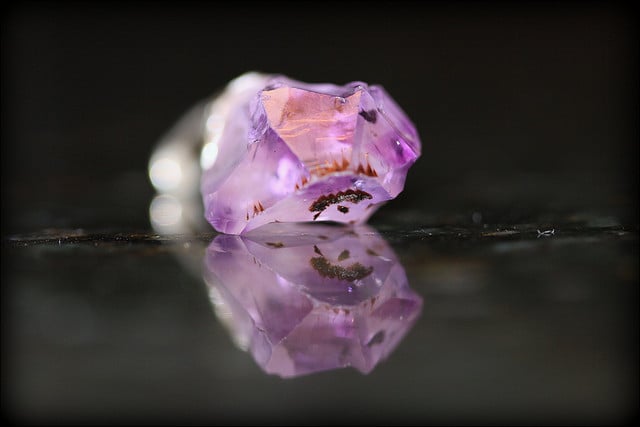
Amethyst symbolism encompasses numerous fascinating associations across astrological and calendrical systems. Traditionally ruled by the planet Jupiter, which represents expansion and wisdom, it serves as the zodiacal gem for those born under the sensitive and intuitive sign of Pisces.
Both traditional gemological authorities and modern commercial birthstone lists universally include amethyst as the official February birthstone, celebrating its connection to this winter month and those born during it.
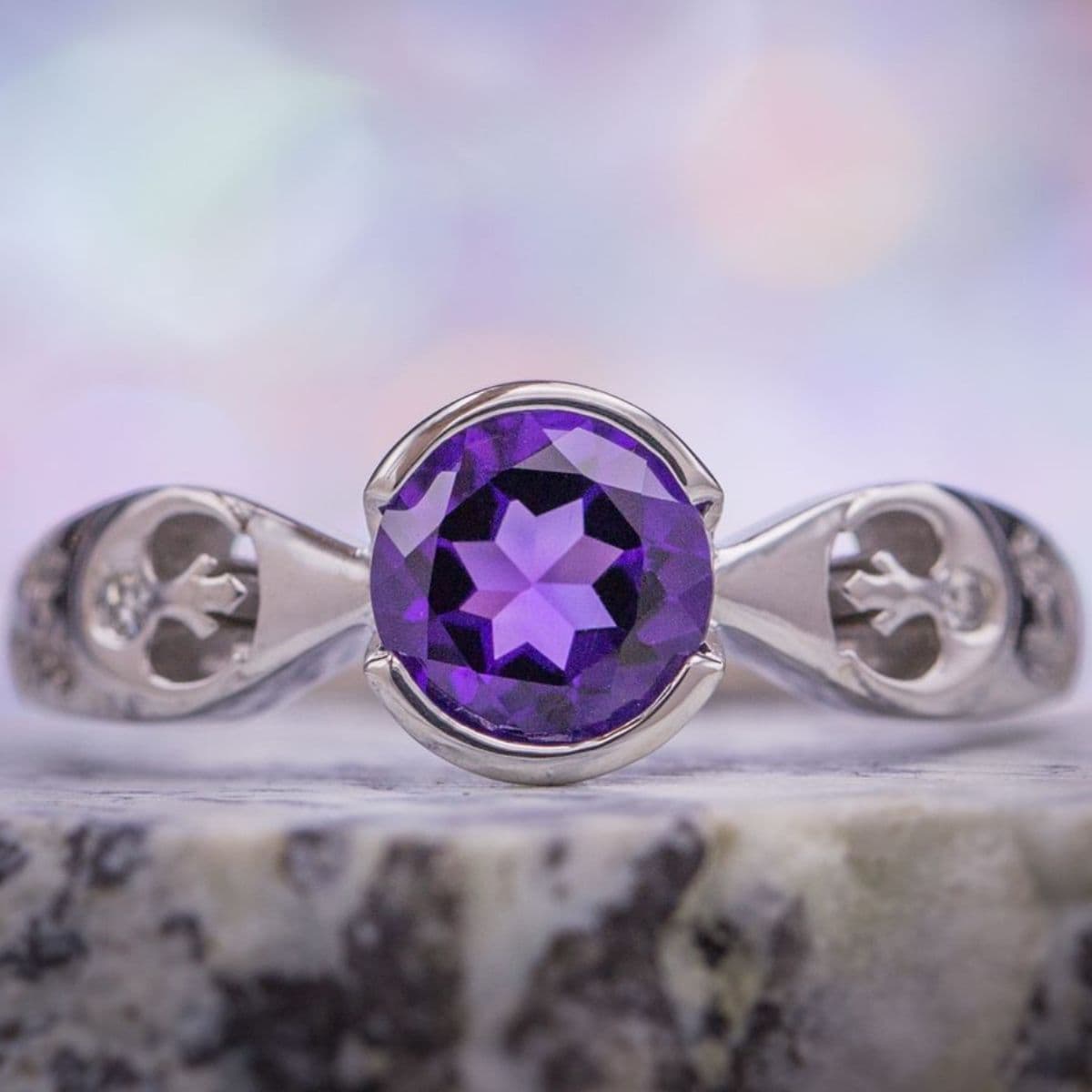
Regarding deeper February connections, a particularly romantic legend claims that St. Valentine himself wore an elaborately carved amethyst ring featuring Cupid's likeness, linking the stone to love and devotion. This pairing might initially seem unlikely or contradictory considering the gem's widespread reputation for calming passionate impulses and promoting clarity.
However, it's essential to remember that Medieval society highly valued chaste, pure love as the truest form of romantic connection, elevating spiritual bonds above purely physical attraction. Amethysts perfectly symbolized this elevated vision of love, representing both affection and spiritual discipline in perfect balance.
Since we began with a captivating tale, let's conclude with a timeless poem about amethyst composed by an unknown author who clearly understood its profound symbolic significance:
The Amethyst.
From passion and from care kept free
Shall Pisces' children ever be
Who wear so all the world may see
The Amethyst
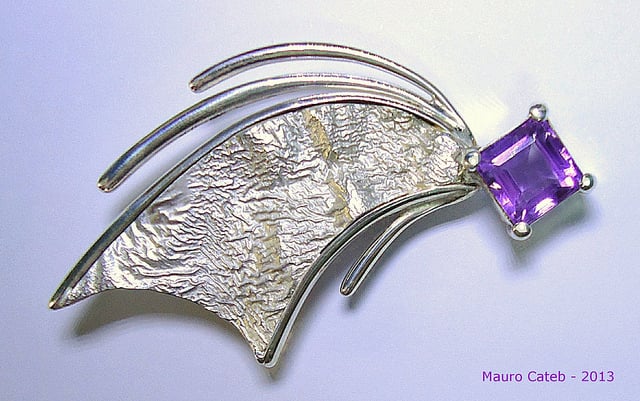
The name "amethyst" comes from the Ancient Greek word "amethystos," which literally means "not drunk." This etymology directly connects to the ancient belief that the stone could prevent intoxication and maintain sobriety, even when consuming alcohol.
Early Christians connected amethyst with Christ because of its purple coloration. They interpreted the gem's purple colors as representing spiritual purity, while its purplish and reddish hues symbolized the purifying effects of suffering. Many believed these colors alluded to Christ's wounds, which is why amethysts were used to aid wound healing in medieval times.
Ancient Egyptians incorporated amethysts into amulets that served both as forms of prayer and protection against harm. Early Egyptian jewelry makers created practical designs, with lapidaries carving amethysts into animal shapes that functioned as protective fetishes. In later periods, an organized priesthood took over the production of these protective amulets.
According to ancient folk remedies mentioned in the text, rubbing a moistened amethyst on pimples was believed to cure them. This represents one of the many practical applications of amethyst that extended beyond spiritual and ornamental purposes. However, modern dermatology does not confirm this effect.
Amethyst serves as the official birthstone for February in both traditional and modern birthstone lists. Additionally, the stone has connections to St. Valentine, who according to legend wore an amethyst ring carved with Cupid's likeness, further cementing its February associations.
Amethyst is ruled by the planet Jupiter (which represents expansion and wisdom) and serves as the zodiacal gem for those born under the sign of Pisces. This astrological connection reinforces its role as the February birthstone, as Pisces season falls partly in February.
While this pairing might seem contradictory considering amethyst's reputation for calming passions, Medieval society highly valued chaste love as the truest form of romantic connection. They elevated spiritual bonds above physical attraction, making amethyst the perfect symbol for this vision of pure love, representing both affection and spiritual discipline.




When you join the IGS community, you get trusted diamond & gemstone information when you need it.

The captivating purple amethyst has enchanted humanity for millennia with its mystical properties and rich symbolism. This comprehensive guide explores the fascinating world of amethyst meaning and symbolism across different cultures and time periods.
In this article, you'll learn:
Amethyst has accumulated numerous folkloric associations spanning love, spirituality, and supernatural protection throughout its storied history. This revered purple gemstone carries deep amethyst crystal meaning across diverse cultures and civilizations.
From ancient Egypt to medieval Europe and beyond, its distinctive violet hue has inspired wonder. Consequently, it has earned a prominent place in both royal treasuries and spiritual practices.
One of the most enduring protective qualities associated with amethyst involves its purported ability to prevent drunkenness. A captivating myth featuring Bacchus, the Roman god of wine, popularized this belief through the following tale:
Long ago, a beautiful maiden was on her way to worship at the Temple of Diana. However, she had the misfortune of crossing paths with the god of wine, Bacchus. Angered since he'd just suffered some slight, he'd vowed to take revenge on the next person he met. He spied the maid and unleashed his two guardian tigers upon her. As the great beasts bounded towards the hapless lass, the goddess Diana intervened. To spare her such a terrible fate, she turned her into a pure, clear stone.
Immediately, remorse seized Bacchus. To atone for his actions, he poured his wine over the stone, staining the crystal a deep, violet hue. And so, the maiden Amethyst lent her name to the crystal.
Though presented as ancient mythology, this story actually dates only from the Renaissance period. The talented French poet Remy Belleau created it in 1576. It was part of an elaborate poem about gemstone beliefs and properties.
Nevertheless, the concept that amethyst could guard against drunkenness genuinely dates back to Ancient Greece. "Amethystos" means "not drunk" in Ancient Greek, revealing the etymological connection. Therefore, Greeks firmly believed carrying an amethyst allowed you to drink while maintaining sobriety. Additionally, some would place the stone directly in their mouth during festivities.
Perhaps this association with calming physical passions led early Christians to connect amethyst with Christ. The gem's rich purple colors represented spiritual purity and divine presence. Its purplish and reddish hues symbolized the purifying effects of suffering. Many religious scholars believed these colors alluded to Christ's wounds. As a result, amethysts were frequently used to aid wound healing throughout medieval Europe.
Numerous cultures find profound spiritual significance in amethyst crystal meaning. They attribute various metaphysical properties to this remarkable gemstone:
Ancient Egyptians incorporated amethysts into intricately designed amulets serving both as powerful prayer forms and reliable protection against various forms of harm and negative energy. While later Egyptian artisans created elaborate and aesthetically stunning pieces featuring detailed engravings and gold settings, early jewelry makers maintained more practical and symbolically focused designs. Initially, skilled lapidaries carved carnelian and beryl gems alongside amethysts into various animal shapes representing protective deities and forces.
These specialized devices likely functioned as protective fetishes carefully designed by early magicians and spiritual practitioners to ward off specific dangers and attract beneficial energies. In subsequent historical eras, an organized priesthood with established traditions produced these protective amulets according to sacred geometric principles.
People across diverse civilizations have valued and worked with amethysts for thousands of years, incorporating them into royal regalia, religious artifacts, and personal talismans. One particularly fascinating ages-old remedy from folk medicine claims that rubbing a moistened amethyst on facial blemishes will effectively cure them, demonstrating how amethyst symbolism extended from spiritual realms into practical applications for everyday healing. This tradition exemplifies how the amethyst's meaning transcended purely ornamental purposes to encompass therapeutic and protective functions in daily life.
Amethyst symbolism encompasses numerous fascinating associations across astrological and calendrical systems. Traditionally ruled by the planet Jupiter, which represents expansion and wisdom, it serves as the zodiacal gem for those born under the sensitive and intuitive sign of Pisces.
Both traditional gemological authorities and modern commercial birthstone lists universally include amethyst as the official February birthstone, celebrating its connection to this winter month and those born during it.
Regarding deeper February connections, a particularly romantic legend claims that St. Valentine himself wore an elaborately carved amethyst ring featuring Cupid's likeness, linking the stone to love and devotion. This pairing might initially seem unlikely or contradictory considering the gem's widespread reputation for calming passionate impulses and promoting clarity.
However, it's essential to remember that Medieval society highly valued chaste, pure love as the truest form of romantic connection, elevating spiritual bonds above purely physical attraction. Amethysts perfectly symbolized this elevated vision of love, representing both affection and spiritual discipline in perfect balance.
Since we began with a captivating tale, let's conclude with a timeless poem about amethyst composed by an unknown author who clearly understood its profound symbolic significance:
The Amethyst.
From passion and from care kept free
Shall Pisces' children ever be
Who wear so all the world may see
The Amethyst
The name "amethyst" comes from the Ancient Greek word "amethystos," which literally means "not drunk." This etymology directly connects to the ancient belief that the stone could prevent intoxication and maintain sobriety, even when consuming alcohol.
Early Christians connected amethyst with Christ because of its purple coloration. They interpreted the gem's purple colors as representing spiritual purity, while its purplish and reddish hues symbolized the purifying effects of suffering. Many believed these colors alluded to Christ's wounds, which is why amethysts were used to aid wound healing in medieval times.
Ancient Egyptians incorporated amethysts into amulets that served both as forms of prayer and protection against harm. Early Egyptian jewelry makers created practical designs, with lapidaries carving amethysts into animal shapes that functioned as protective fetishes. In later periods, an organized priesthood took over the production of these protective amulets.
According to ancient folk remedies mentioned in the text, rubbing a moistened amethyst on pimples was believed to cure them. This represents one of the many practical applications of amethyst that extended beyond spiritual and ornamental purposes. However, modern dermatology does not confirm this effect.
Amethyst serves as the official birthstone for February in both traditional and modern birthstone lists. Additionally, the stone has connections to St. Valentine, who according to legend wore an amethyst ring carved with Cupid's likeness, further cementing its February associations.
Amethyst is ruled by the planet Jupiter (which represents expansion and wisdom) and serves as the zodiacal gem for those born under the sign of Pisces. This astrological connection reinforces its role as the February birthstone, as Pisces season falls partly in February.
While this pairing might seem contradictory considering amethyst's reputation for calming passions, Medieval society highly valued chaste love as the truest form of romantic connection. They elevated spiritual bonds above physical attraction, making amethyst the perfect symbol for this vision of pure love, representing both affection and spiritual discipline.