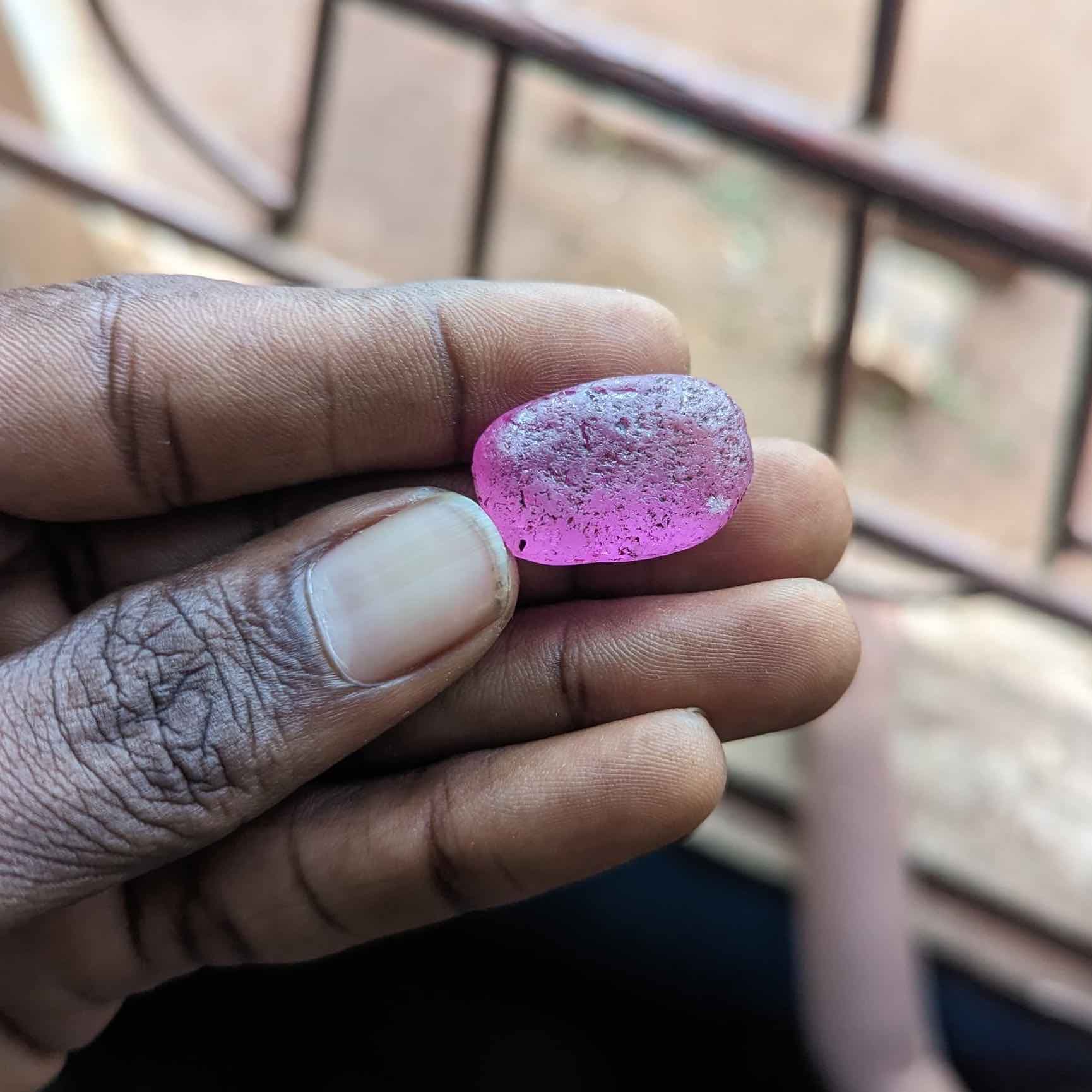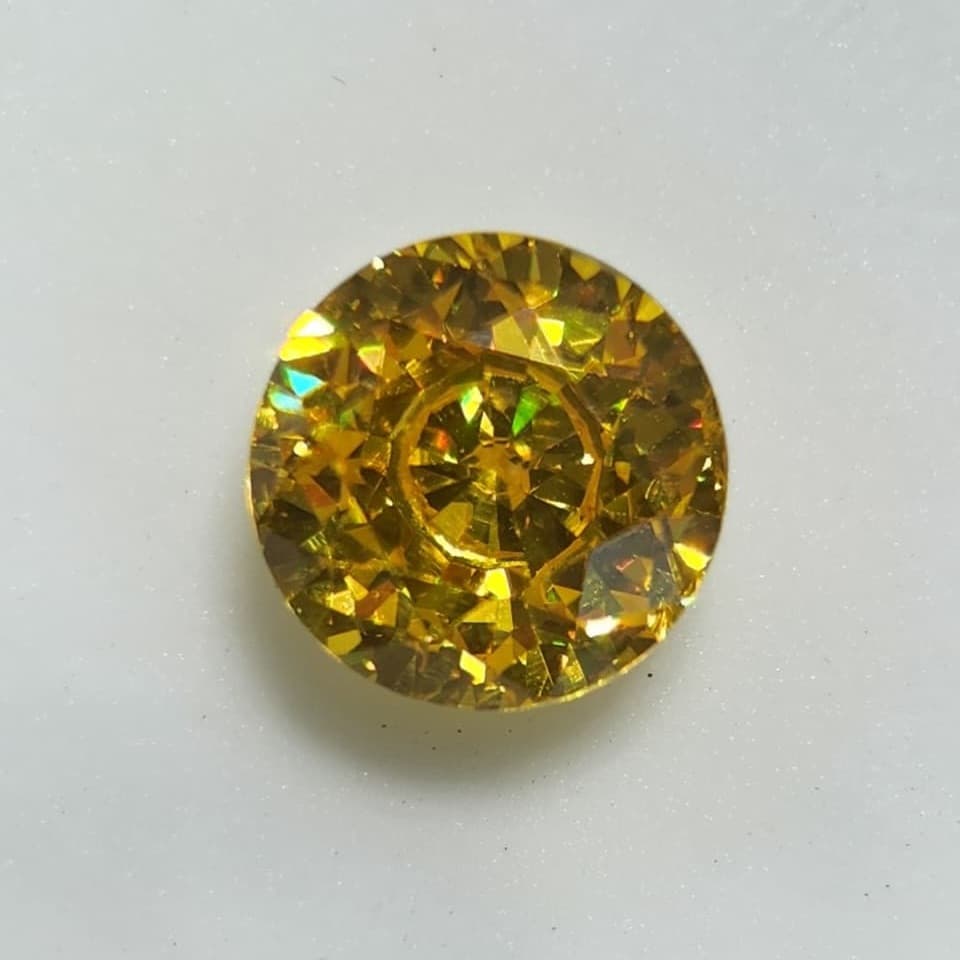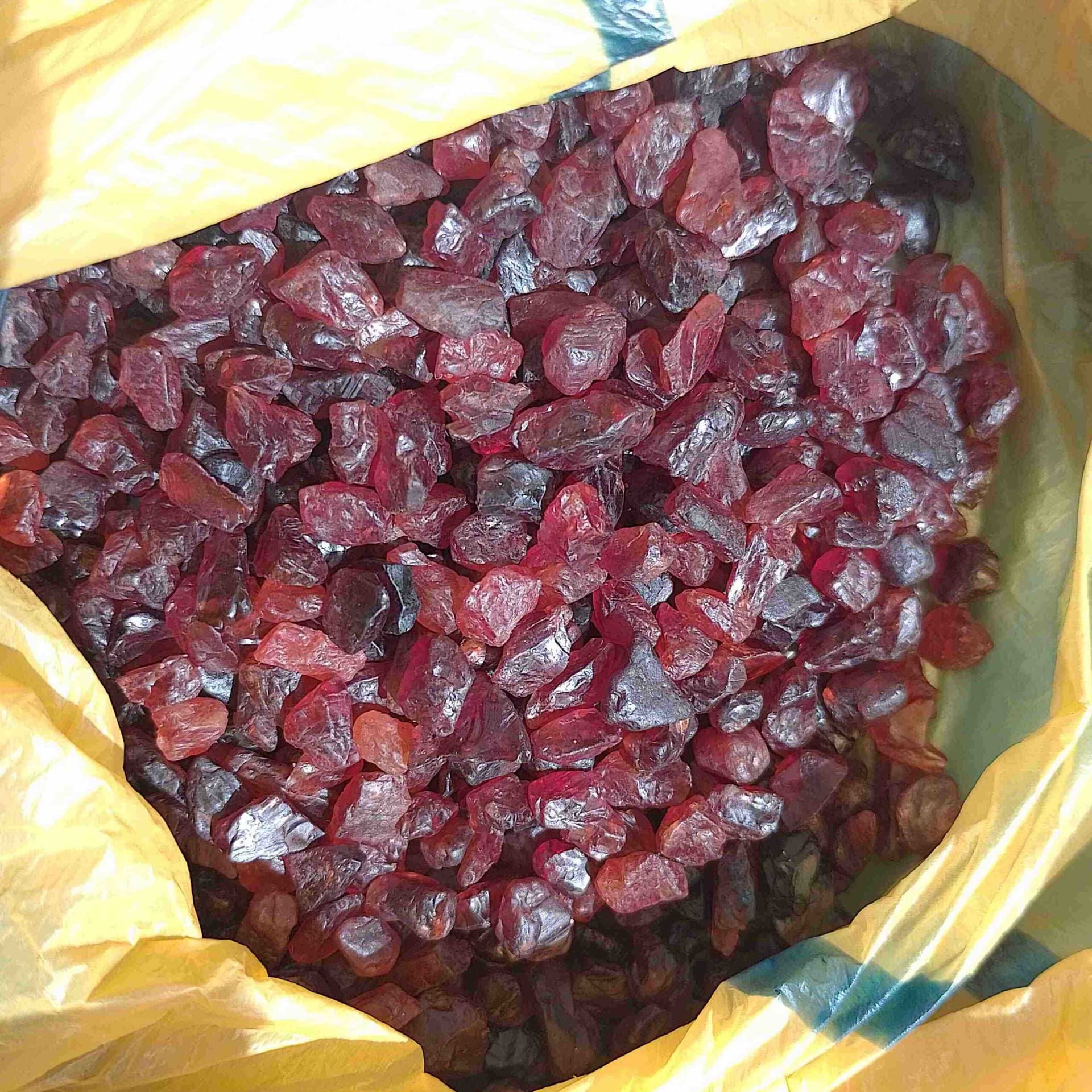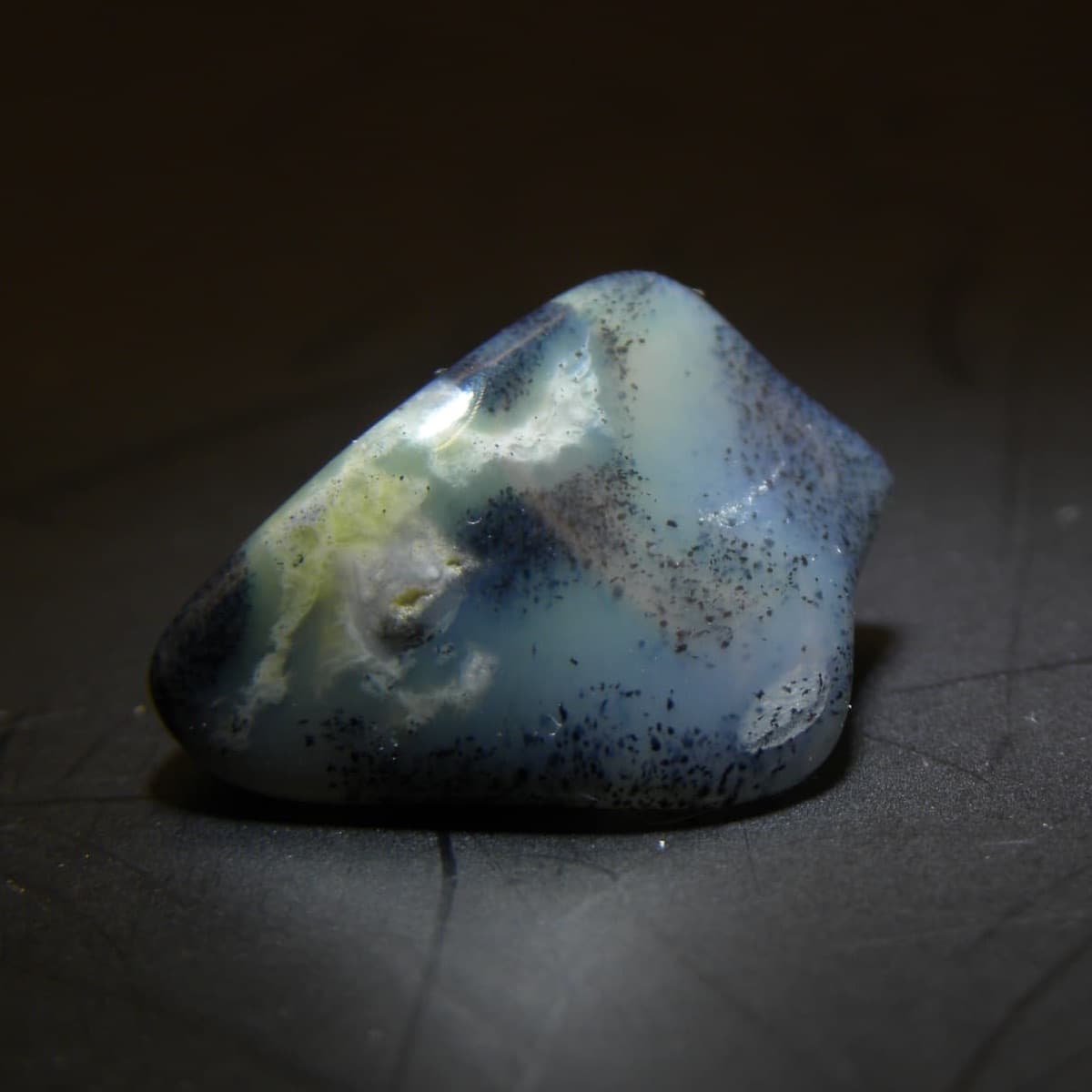
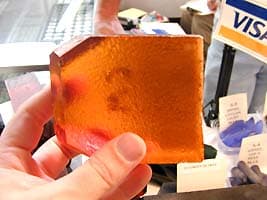
Telling synthetic rough from natural stones in a gem parcel can be challenging. These tips can help you find some telltale signs of lab-created material.
1 Minute Read
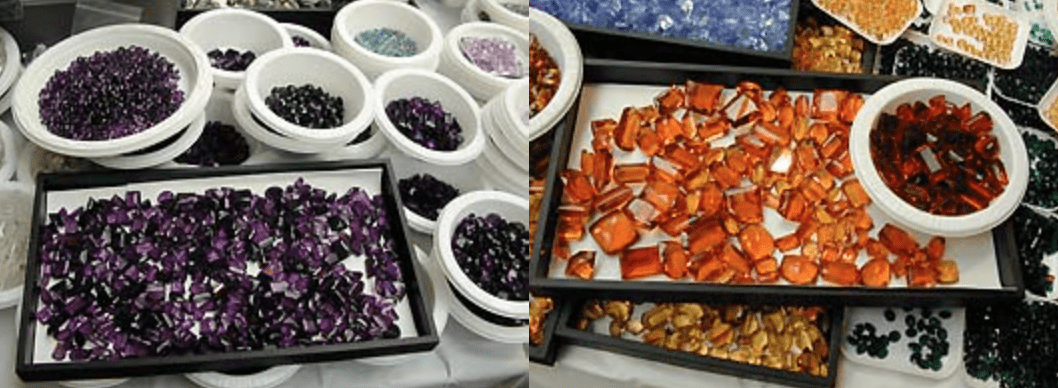
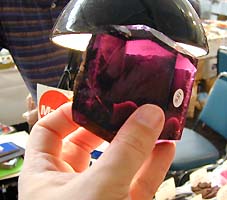
In my estimation, 10% to 30% of some supposedly natural gem parcels may be synthetic.
Most experienced gem dealers can spot synthetic rough or at least suspect something is off. Unfortunately, the average consumer may find it almost impossible to identify lab-made stones mixed with natural rough in a parcel.
Ultimately, whom you are dealing with is important in the gem trade. There are honest people and reputable dealers out there. There are some questionable individuals, too.
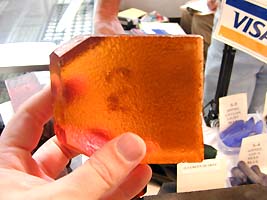
I've always thought that those who synthesize gemstones (especially emerald, tanzanite, diamond, ruby, and quartz) should be required by law to put a dye tag in their products. Only visible when viewed under a certain wavelength of light, the dye would be a clear indication of synthetic rough. I'm aware of only one ruby manufacturer that does this.
If all manufacturers of synthetic gems dye tagged their products, it would make no difference to the synthetic market. The fact is, most of these manufacturers choose not to make their product easily identifiable. Makes you wonder what their real market is, doesn't it?



When you join the IGS community, you get trusted diamond & gemstone information when you need it.
In my estimation, 10% to 30% of some supposedly natural gem parcels may be synthetic.
Most experienced gem dealers can spot synthetic rough or at least suspect something is off. Unfortunately, the average consumer may find it almost impossible to identify lab-made stones mixed with natural rough in a parcel.
Ultimately, whom you are dealing with is important in the gem trade. There are honest people and reputable dealers out there. There are some questionable individuals, too.
I've always thought that those who synthesize gemstones (especially emerald, tanzanite, diamond, ruby, and quartz) should be required by law to put a dye tag in their products. Only visible when viewed under a certain wavelength of light, the dye would be a clear indication of synthetic rough. I'm aware of only one ruby manufacturer that does this.
If all manufacturers of synthetic gems dye tagged their products, it would make no difference to the synthetic market. The fact is, most of these manufacturers choose not to make their product easily identifiable. Makes you wonder what their real market is, doesn't it?