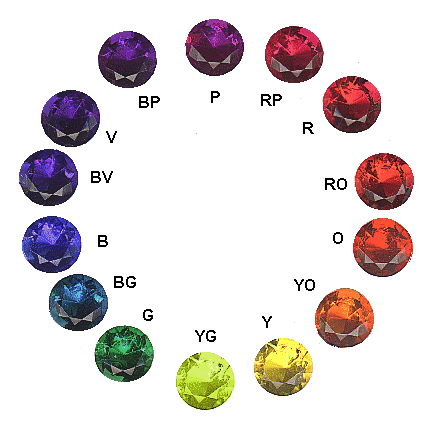
Accurately describing gem color is critical to determining a gemstone's value. Learn how to grade hue, tone, and saturation and avoid some common pitfalls.
20 Minute Read
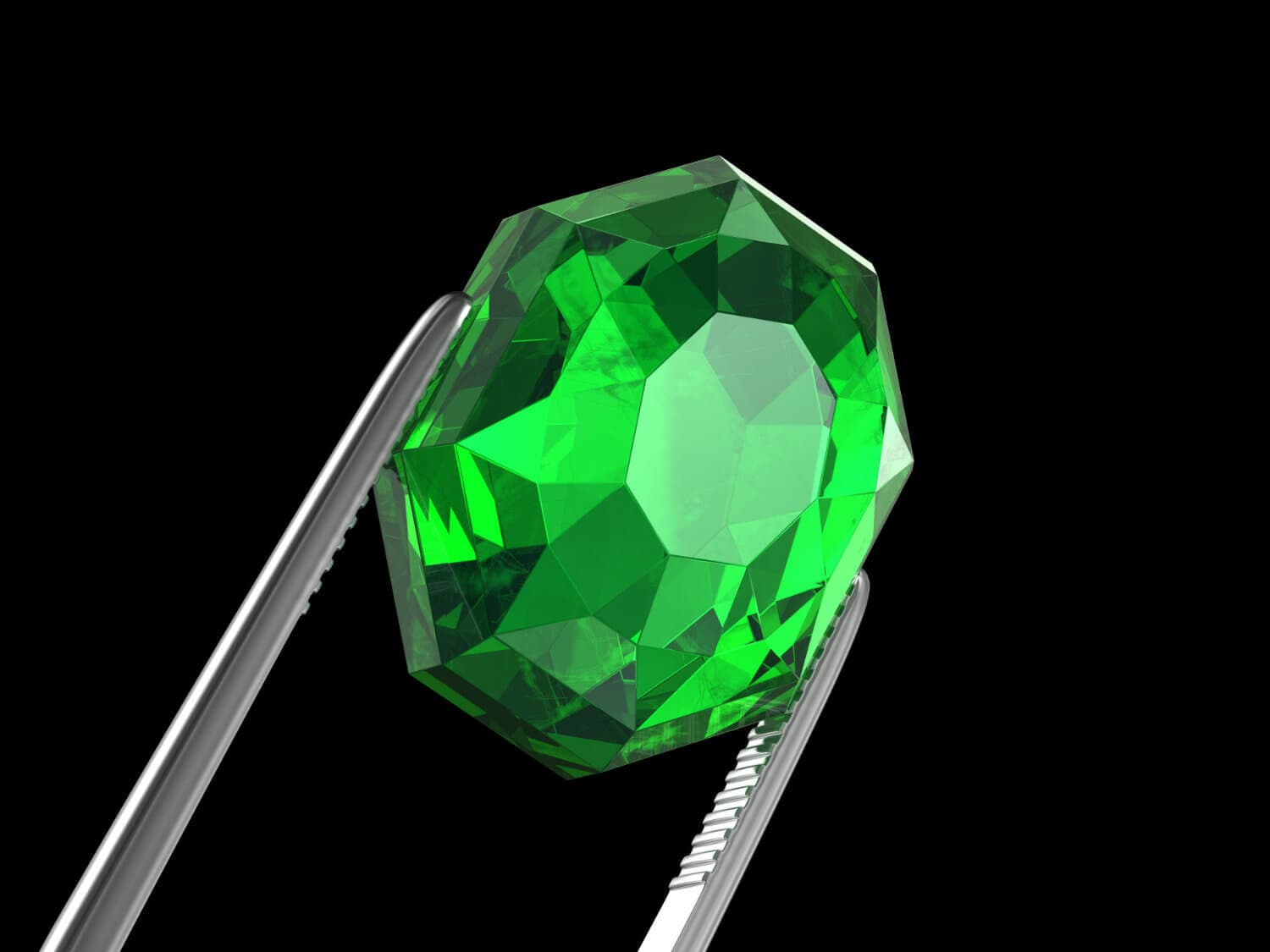
Gem color is one of the most important elements in gemstone grading. Subtle variations can make a substantial difference in value. Novice gemologists must learn to accurately describe colors. Many color description systems exist, since industries that deal with colors have developed highly refined methods. Some gemologists use the Munsell system, popular in the photographic industry.
The gem industry has also produced several systems. (Seemingly, every year someone comes out with a new method). However, only the Gemological Institute of America (GIA) system has gained anything close to widespread acceptance. Since it’s taught to all GIA students, this system has the largest user base. Still, the colored stone industry has resisted it as a standard. What’s the concern? Establishing a standard will change the existing value of many colored gems. For example, the value of all rubies with a certain tone and hue could decrease. This would be disastrous for everyone holding such stones. Colored stone grading is too complex for a simple system like the one used for diamonds.
There are many ways to describe and grade gem color. We’ll begin with one of the simplest, but most useful, methods.
…


When you join the IGS community, you get trusted diamond & gemstone information when you need it.
Gem color is one of the most important elements in gemstone grading. Subtle variations can make a substantial difference in value. Novice gemologists must learn to accurately describe colors. Many color description systems exist, since industries that deal with colors have developed highly refined methods. Some gemologists use the Munsell system, popular in the photographic industry.
The gem industry has also produced several systems. (Seemingly, every year someone comes out with a new method). However, only the Gemological Institute of America (GIA) system has gained anything close to widespread acceptance. Since it’s taught to all GIA students, this system has the largest user base. Still, the colored stone industry has resisted it as a standard. What’s the concern? Establishing a standard will change the existing value of many colored gems. For example, the value of all rubies with a certain tone and hue could decrease. This would be disastrous for everyone holding such stones. Colored stone grading is too complex for a simple system like the one used for diamonds.
There are many ways to describe and grade gem color. We’ll begin with one of the simplest, but most useful, methods.
…
Accurately describing gem color is critical to determining a gemstone's value. Learn how to grade hue, tone, and saturation and avoid some common pitfalls.

“I have never known or heard of an organization that offers so much for its members, and at such a low cost.”
— Ernest Roisch, Rainbow Rocks LTD
That's less than $0.01 per article. Get instant access to 1,700+ premium articles, courses, and gem pricing data.