
Discover how rare earth minerals power modern technology, from smartphones to wind turbines. Learn about these 17 critical elements, their global sources, and why they matter geopolitically.
10 Minute Read
Rare earth minerals contain some of the most critical elements for modern technology, yet remain largely unknown to the general public. These minerals, despite their name, aren't particularly rare in the Earth's crust. What makes them special is their scattered distribution and the complex processes required to extract them. Today, these elements sit at the intersection of technology, environment, and global politics, influencing everything from smartphone development to international trade relations.
In this article, you'll learn:

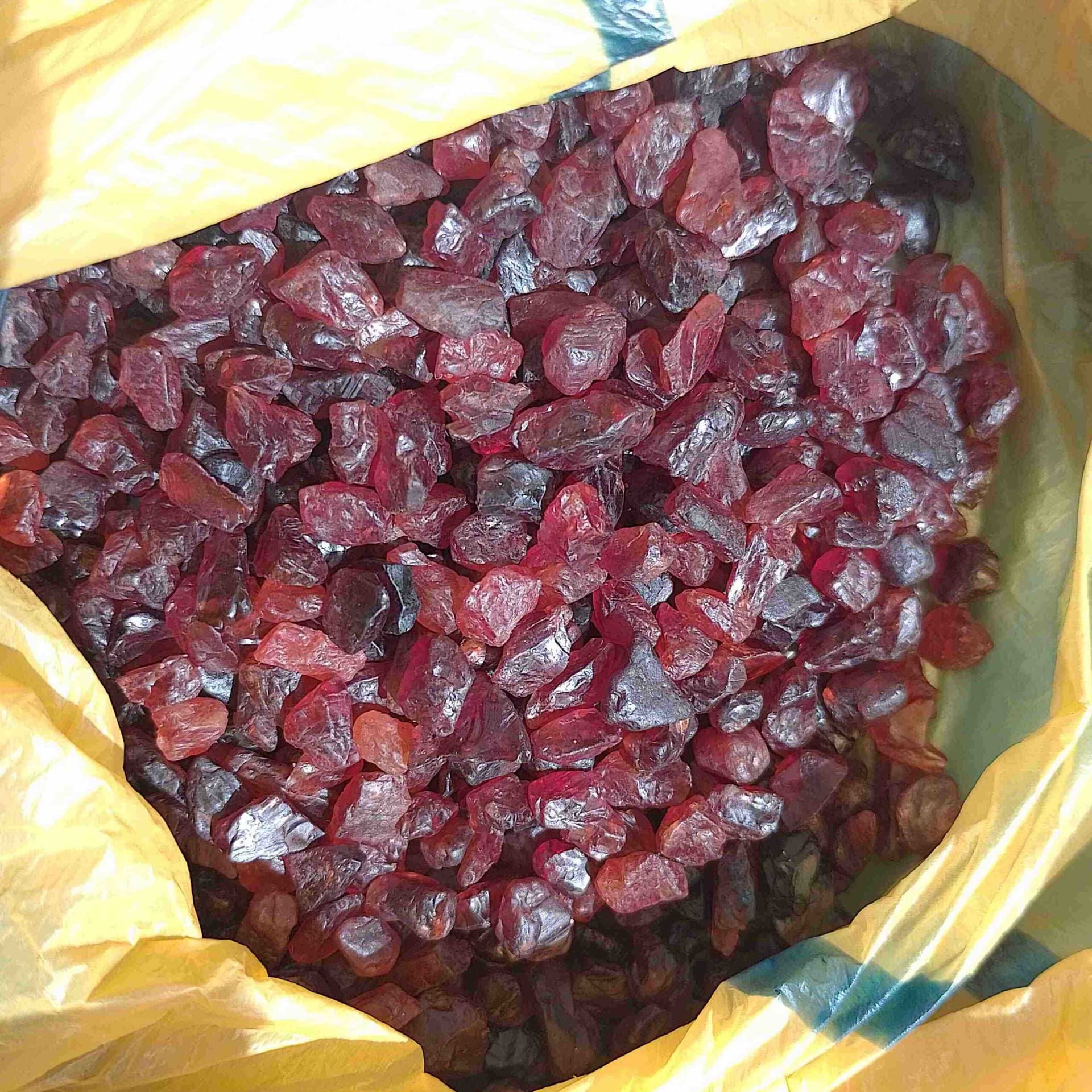
Rare earth minerals are naturally occurring substances that contain one or more of the 17 rare earth elements (REEs). Despite their name, most rare earths are relatively abundant in Earth's crust. Cerium, for example, is more common than copper. The challenge lies not in their scarcity but in finding deposits concentrated enough for economical extraction.
The 17 rare earth elements are typically divided into two groups:
These elements share similar chemical properties, which makes separating them difficult and costly. They typically occur together in mineral deposits like bastnäsite, monazite, and xenotime. Each mineral contains a different mix of rare earth elements, requiring specialized processing techniques for extraction.
Rare earth elements are crucial to countless technologies we rely on daily. Their unique properties enable many modern innovations that would be impossible without them. Let's explore how these elements touch nearly every aspect of contemporary life.
Rare earths form the backbone of our digital world. When you look at a vibrant display screen, you're seeing europium in action, which provides the rich red color in televisions and computer monitors. The crisp images in your camera likely come through a lens containing lanthanum, which improves optical quality by reducing distortion.
Inside your smartphone, rare earths work their magic in multiple ways. The vibration feature relies on small yet powerful neodymium magnets. The speakers use a combination of neodymium, praseodymium, and dysprosium to create strong magnetic fields that produce sound. Even the glass screen benefits from cerium oxide during the polishing process, giving it that smooth, flawless finish.
Medical imaging technology depends heavily on rare earths as well. Gadolinium dramatically improves the clarity of MRI scans by enhancing contrast in soft tissue images. This allows doctors to detect abnormalities that might otherwise remain hidden. Terbium activates phosphors used in X-ray intensifying screens, reducing the radiation dose needed for clear images.
Computer hard drives, headphones, microphones, and countless other electronic devices all incorporate rare earth elements. Yttrium is essential in LED production, creating the white light in energy-efficient bulbs. Erbium amplifies signals in fiber optic cables, enabling high-speed internet across vast distances.
The transition to renewable energy depends heavily on rare earths, making them ironically essential to our green future. Wind turbines harness the incredible magnetic strength of neodymium, praseodymium, and dysprosium to generate electricity efficiently. These elements create permanent magnets far stronger than conventional ones, allowing turbines to operate reliably for decades.
A single large wind turbine can contain over 700 pounds of rare earth materials in its generator. As wind farms multiply across landscapes worldwide, the demand for these elements continues to surge. The same magnetic properties make rare earths essential for electric vehicle motors, providing the power and efficiency needed for practical everyday use.
Solar panel production incorporates several rare earths. Cerium and lanthanum are used in polishing compounds for solar panel glass. Neodymium helps create specialized glass that maximizes energy absorption. Some advanced photovoltaic technologies use rare earths like ytterbium to improve conversion efficiency.
Energy storage systems also rely on these elements. Lanthanum is a key component in nickel-metal hydride batteries used in hybrid vehicles. Research into more efficient battery technologies frequently involves various rare earth compounds to improve performance and longevity.
Modern military systems depend extensively on rare earth elements, elevating these minerals to matters of national security. Precision-guided munitions use rare earth magnets in their steering mechanisms and gyroscopes. Night vision equipment incorporates rare earth phosphors that convert infrared light to visible images.
Military radar systems use rare earth elements like yttrium, lanthanum, and cerium in their components. These elements enhance radar sensitivity and performance under extreme conditions. Communication equipment relies on rare earth magnets in speakers and microphones, ensuring clear transmission even in chaotic environments.
Naval applications include rare earth magnets in propulsion systems and sonar equipment. Aircraft use rare earth components in everything from radar-absorbing coatings to engine parts designed to withstand extreme temperatures. Even nuclear submarines contain rare earth elements in their control systems.
The strategic importance of these materials explains why many countries classify rare earths as critical materials for national security. As weapons systems become increasingly sophisticated, their dependence on rare earth elements only grows deeper.

Beyond electronic and magnetic uses, rare earths serve as powerful catalysts in various industrial processes. Cerium oxide is a key component in automotive catalytic converters, helping to reduce harmful emissions. Lanthanum compounds catalyze petroleum refining, increasing efficiency and reducing energy requirements.
In chemical manufacturing, rare earth catalysts enable the production of plastics, synthetic fibers, and pharmaceuticals. These catalysts often allow reactions to proceed under milder conditions, saving energy and reducing waste. This catalytic function represents one of the largest industrial uses of rare earths by volume.
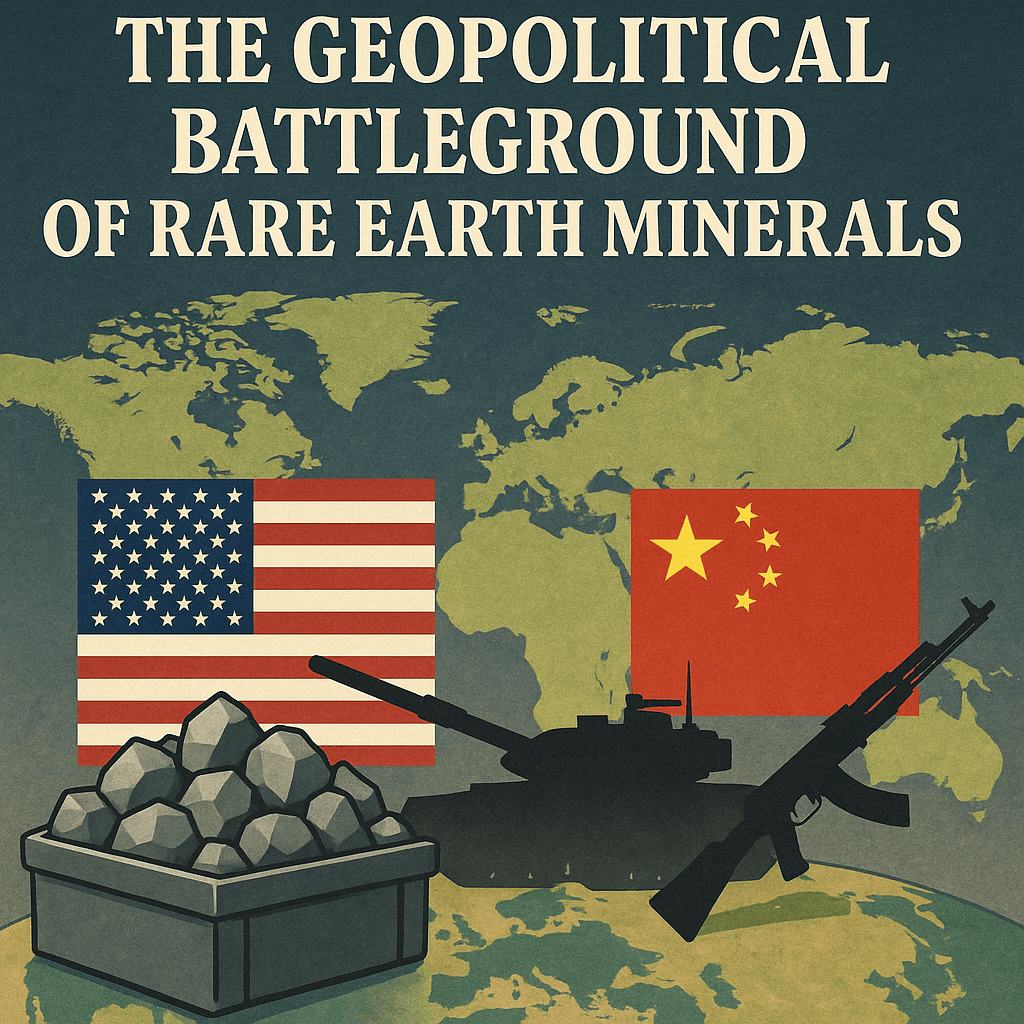
China dominates rare earth production and processing. This imbalance creates supply chain concerns for other nations dependent on these critical materials.
China controls approximately 60% of global rare earth production and over 85% of processing capacity. The Bayan Obo Mining District in Inner Mongolia holds the world's largest rare earth deposits, containing an estimated 70% of known global reserves. This concentration gives China enormous leverage in the global market.
China's monopoly didn't happen by accident. Through decades of strategic investment and less stringent environmental regulations, China developed extensive expertise in rare earth processing. The country recognized the strategic value of these materials long before Western nations fully appreciated their importance.
In 2010, China briefly restricted rare earth exports during a diplomatic dispute with Japan, highlighting the geopolitical leverage these resources provide. This action served as a wake-up call for many countries, spurring efforts to develop alternative sources and reduce dependence on Chinese supply.
Several countries are working to develop alternative sources to reduce China's market dominance:
New discoveries, such as the Per Gejer deposit in Sweden, may help diversify supply in the future. However, developing new mines and processing facilities requires years of work and substantial investment before production can begin.
Extracting rare earths involves complex, multi-stage processes with significant environmental implications that cannot be overlooked.
Rare earth mining typically follows these steps:
Because rare earths occur in low concentrations and are chemically similar, separation requires extensive chemical processing. A single processing facility may use hundreds of separation stages to achieve the necessary purity levels. This complexity adds to production costs and environmental challenges.
The similarity between rare earth elements makes separation particularly difficult. For example, neodymium and praseodymium differ by only one electron, requiring sophisticated chemical techniques to separate them efficiently. This challenge explains why processing expertise is as valuable as the raw materials themselves.
Rare earth mining and processing can create serious environmental problems that affect local communities and ecosystems:
In areas with less regulation, these issues can lead to severe environmental damage. The Chinese rare earth industry has caused significant pollution in mining regions, creating "cancer villages" and contaminated waterways that affect public health. The environmental cost of rare earth production remains one of the industry's biggest challenges.
Efforts to develop "cleaner" extraction methods continue, including bioleaching using bacteria and improved waste management techniques. These approaches aim to reduce the environmental footprint of rare earth production while maintaining economic viability.
Rare earth elements have become politically significant resources, affecting international relations and trade policies across multiple continents.
Nations dependent on rare earths face strategic vulnerabilities. The concentration of production and processing in China creates risks for industries worldwide. This concern has intensified as applications in defense and green technology expand, making access to rare earths a matter of national security.
Many countries now classify rare earths as critical materials. The United States, European Union, Japan, and Australia have launched initiatives to secure supply chains through:
These efforts represent a significant shift in how governments view mineral resources, treating them as strategic assets rather than mere commodities.
Several trends will shape the rare earth industry in coming years:
As countries race toward carbon neutrality, securing reliable rare earth supplies will become increasingly important. The nations that develop sustainable and secure rare earth supply chains will gain significant advantages in both economic development and national security.
Rare earth minerals play a crucial role in our modern world despite their relative obscurity in public awareness. These 17 elements enable countless technologies we rely on daily, from smartphones to wind turbines to defense systems. Their unique properties make them irreplaceable in many applications, creating both opportunities and challenges.
Key takeaways:
As technology advances and green energy expands, rare earth minerals will only grow in importance. Understanding these critical resources helps us appreciate the complex global systems that power our digital world and the geopolitical considerations that influence their production and distribution.




When you join the IGS community, you get trusted diamond & gemstone information when you need it.

Rare earth minerals contain some of the most critical elements for modern technology, yet remain largely unknown to the general public. These minerals, despite their name, aren't particularly rare in the Earth's crust. What makes them special is their scattered distribution and the complex processes required to extract them. Today, these elements sit at the intersection of technology, environment, and global politics, influencing everything from smartphone development to international trade relations.
In this article, you'll learn:
Rare earth minerals are naturally occurring substances that contain one or more of the 17 rare earth elements (REEs). Despite their name, most rare earths are relatively abundant in Earth's crust. Cerium, for example, is more common than copper. The challenge lies not in their scarcity but in finding deposits concentrated enough for economical extraction.
The 17 rare earth elements are typically divided into two groups:
These elements share similar chemical properties, which makes separating them difficult and costly. They typically occur together in mineral deposits like bastnäsite, monazite, and xenotime. Each mineral contains a different mix of rare earth elements, requiring specialized processing techniques for extraction.
Rare earth elements are crucial to countless technologies we rely on daily. Their unique properties enable many modern innovations that would be impossible without them. Let's explore how these elements touch nearly every aspect of contemporary life.
Rare earths form the backbone of our digital world. When you look at a vibrant display screen, you're seeing europium in action, which provides the rich red color in televisions and computer monitors. The crisp images in your camera likely come through a lens containing lanthanum, which improves optical quality by reducing distortion.
Inside your smartphone, rare earths work their magic in multiple ways. The vibration feature relies on small yet powerful neodymium magnets. The speakers use a combination of neodymium, praseodymium, and dysprosium to create strong magnetic fields that produce sound. Even the glass screen benefits from cerium oxide during the polishing process, giving it that smooth, flawless finish.
Medical imaging technology depends heavily on rare earths as well. Gadolinium dramatically improves the clarity of MRI scans by enhancing contrast in soft tissue images. This allows doctors to detect abnormalities that might otherwise remain hidden. Terbium activates phosphors used in X-ray intensifying screens, reducing the radiation dose needed for clear images.
Computer hard drives, headphones, microphones, and countless other electronic devices all incorporate rare earth elements. Yttrium is essential in LED production, creating the white light in energy-efficient bulbs. Erbium amplifies signals in fiber optic cables, enabling high-speed internet across vast distances.
The transition to renewable energy depends heavily on rare earths, making them ironically essential to our green future. Wind turbines harness the incredible magnetic strength of neodymium, praseodymium, and dysprosium to generate electricity efficiently. These elements create permanent magnets far stronger than conventional ones, allowing turbines to operate reliably for decades.
A single large wind turbine can contain over 700 pounds of rare earth materials in its generator. As wind farms multiply across landscapes worldwide, the demand for these elements continues to surge. The same magnetic properties make rare earths essential for electric vehicle motors, providing the power and efficiency needed for practical everyday use.
Solar panel production incorporates several rare earths. Cerium and lanthanum are used in polishing compounds for solar panel glass. Neodymium helps create specialized glass that maximizes energy absorption. Some advanced photovoltaic technologies use rare earths like ytterbium to improve conversion efficiency.
Energy storage systems also rely on these elements. Lanthanum is a key component in nickel-metal hydride batteries used in hybrid vehicles. Research into more efficient battery technologies frequently involves various rare earth compounds to improve performance and longevity.
Modern military systems depend extensively on rare earth elements, elevating these minerals to matters of national security. Precision-guided munitions use rare earth magnets in their steering mechanisms and gyroscopes. Night vision equipment incorporates rare earth phosphors that convert infrared light to visible images.
Military radar systems use rare earth elements like yttrium, lanthanum, and cerium in their components. These elements enhance radar sensitivity and performance under extreme conditions. Communication equipment relies on rare earth magnets in speakers and microphones, ensuring clear transmission even in chaotic environments.
Naval applications include rare earth magnets in propulsion systems and sonar equipment. Aircraft use rare earth components in everything from radar-absorbing coatings to engine parts designed to withstand extreme temperatures. Even nuclear submarines contain rare earth elements in their control systems.
The strategic importance of these materials explains why many countries classify rare earths as critical materials for national security. As weapons systems become increasingly sophisticated, their dependence on rare earth elements only grows deeper.
Beyond electronic and magnetic uses, rare earths serve as powerful catalysts in various industrial processes. Cerium oxide is a key component in automotive catalytic converters, helping to reduce harmful emissions. Lanthanum compounds catalyze petroleum refining, increasing efficiency and reducing energy requirements.
In chemical manufacturing, rare earth catalysts enable the production of plastics, synthetic fibers, and pharmaceuticals. These catalysts often allow reactions to proceed under milder conditions, saving energy and reducing waste. This catalytic function represents one of the largest industrial uses of rare earths by volume.
China dominates rare earth production and processing. This imbalance creates supply chain concerns for other nations dependent on these critical materials.
China controls approximately 60% of global rare earth production and over 85% of processing capacity. The Bayan Obo Mining District in Inner Mongolia holds the world's largest rare earth deposits, containing an estimated 70% of known global reserves. This concentration gives China enormous leverage in the global market.
China's monopoly didn't happen by accident. Through decades of strategic investment and less stringent environmental regulations, China developed extensive expertise in rare earth processing. The country recognized the strategic value of these materials long before Western nations fully appreciated their importance.
In 2010, China briefly restricted rare earth exports during a diplomatic dispute with Japan, highlighting the geopolitical leverage these resources provide. This action served as a wake-up call for many countries, spurring efforts to develop alternative sources and reduce dependence on Chinese supply.
Several countries are working to develop alternative sources to reduce China's market dominance:
New discoveries, such as the Per Gejer deposit in Sweden, may help diversify supply in the future. However, developing new mines and processing facilities requires years of work and substantial investment before production can begin.
Extracting rare earths involves complex, multi-stage processes with significant environmental implications that cannot be overlooked.
Rare earth mining typically follows these steps:
Because rare earths occur in low concentrations and are chemically similar, separation requires extensive chemical processing. A single processing facility may use hundreds of separation stages to achieve the necessary purity levels. This complexity adds to production costs and environmental challenges.
The similarity between rare earth elements makes separation particularly difficult. For example, neodymium and praseodymium differ by only one electron, requiring sophisticated chemical techniques to separate them efficiently. This challenge explains why processing expertise is as valuable as the raw materials themselves.
Rare earth mining and processing can create serious environmental problems that affect local communities and ecosystems:
In areas with less regulation, these issues can lead to severe environmental damage. The Chinese rare earth industry has caused significant pollution in mining regions, creating "cancer villages" and contaminated waterways that affect public health. The environmental cost of rare earth production remains one of the industry's biggest challenges.
Efforts to develop "cleaner" extraction methods continue, including bioleaching using bacteria and improved waste management techniques. These approaches aim to reduce the environmental footprint of rare earth production while maintaining economic viability.
Rare earth elements have become politically significant resources, affecting international relations and trade policies across multiple continents.
Nations dependent on rare earths face strategic vulnerabilities. The concentration of production and processing in China creates risks for industries worldwide. This concern has intensified as applications in defense and green technology expand, making access to rare earths a matter of national security.
Many countries now classify rare earths as critical materials. The United States, European Union, Japan, and Australia have launched initiatives to secure supply chains through:
These efforts represent a significant shift in how governments view mineral resources, treating them as strategic assets rather than mere commodities.
Several trends will shape the rare earth industry in coming years:
As countries race toward carbon neutrality, securing reliable rare earth supplies will become increasingly important. The nations that develop sustainable and secure rare earth supply chains will gain significant advantages in both economic development and national security.
Rare earth minerals play a crucial role in our modern world despite their relative obscurity in public awareness. These 17 elements enable countless technologies we rely on daily, from smartphones to wind turbines to defense systems. Their unique properties make them irreplaceable in many applications, creating both opportunities and challenges.
Key takeaways:
As technology advances and green energy expands, rare earth minerals will only grow in importance. Understanding these critical resources helps us appreciate the complex global systems that power our digital world and the geopolitical considerations that influence their production and distribution.