Appraising Turquoise: Challenges for Gemologists
What do gemologists need to know when appraising turquoise? Learn what are the main value factors to consider and the challenges you'll face.
6 Minute Read
Determining if Turquoise is Natural, Treated, or Synthetic
Unless you can definitively rule out treatment, assume any turquoise has received some form of treatment.
How Common is Treated Turquoise?
Less than 5% of mined turquoise qualifies as gem-quality without any modifications. That leaves 95% of the natural yield unsuitable for jewelry. Miners would rather not throw away all that material. Thus, approximately 98% of all turquoise on the market has received some treatment. These include impregnation or stabilization, dyeing, and the proprietary Zachery treatment. All these techniques can improve the appearance and durability of otherwise unusable turquoise. Unfortunately, identifying these treatments with standard gemological equipment is often very difficult.
Can You Detect Turquoise Treatments?
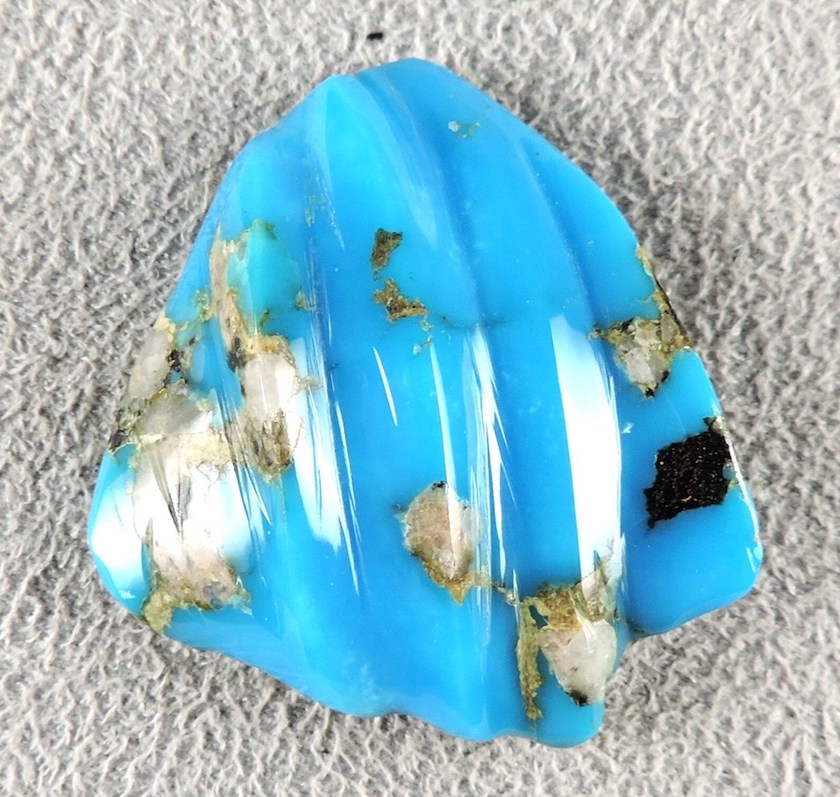
You might get lucky with a loose turquoise and detect a specific gravity lower than usual. This may indicate impregnation. You might also see damage
…Related Articles
Turquoise Value, Price, and Jewelry Information
Turquoise Buying Guide
Turquoise Color and the Color Turquoise
Turquoise Care Guide
Latest Articles

800 Years of Mogok: A Celebration in Tenuous Times
What is the Average Gemstone Faceting Yield?
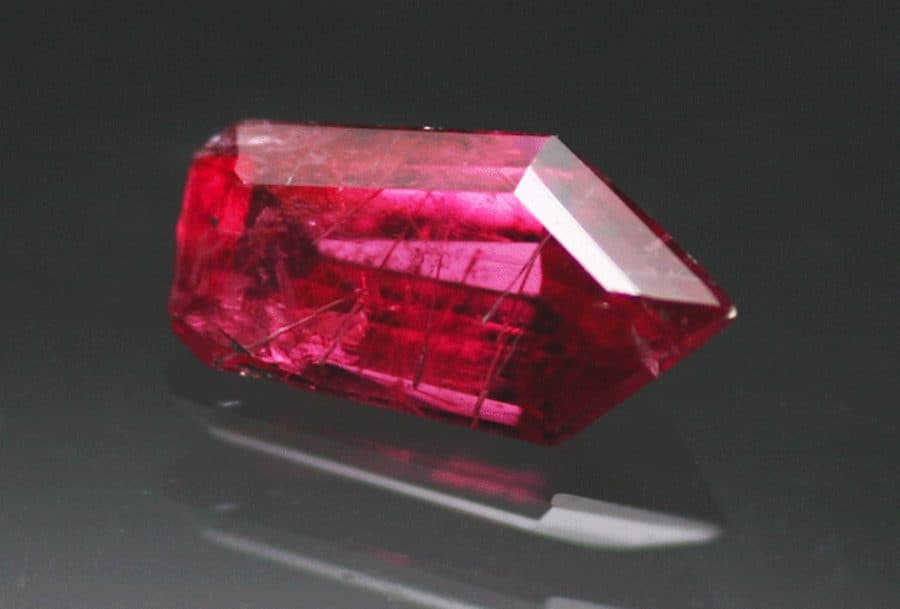
Pyroxmangite Value, Price, and Jewelry Information
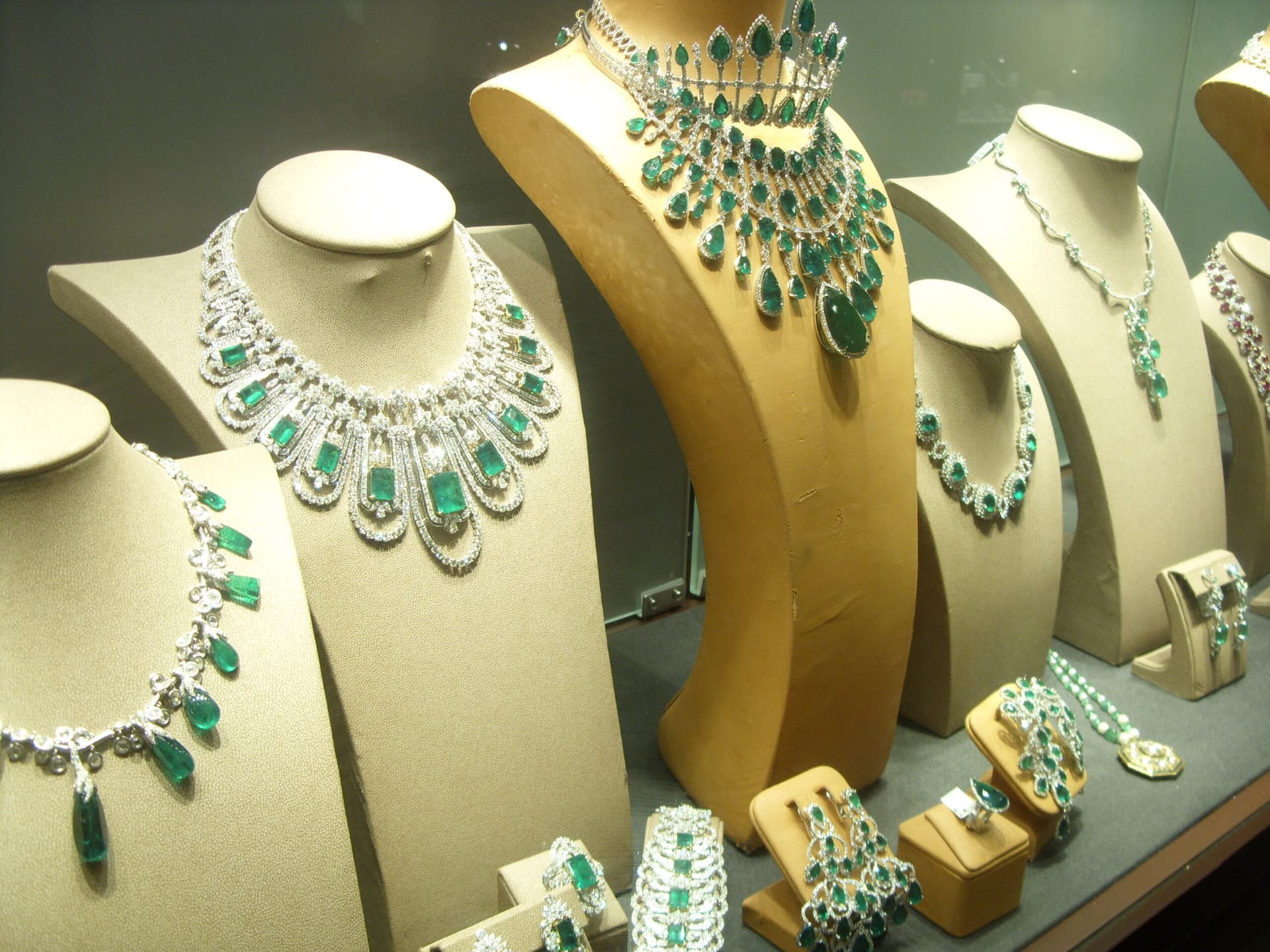
How to Identify Emerald Simulants and Synthetics
Never Stop Learning
When you join the IGS community, you get trusted diamond & gemstone information when you need it.