3 Minute Read
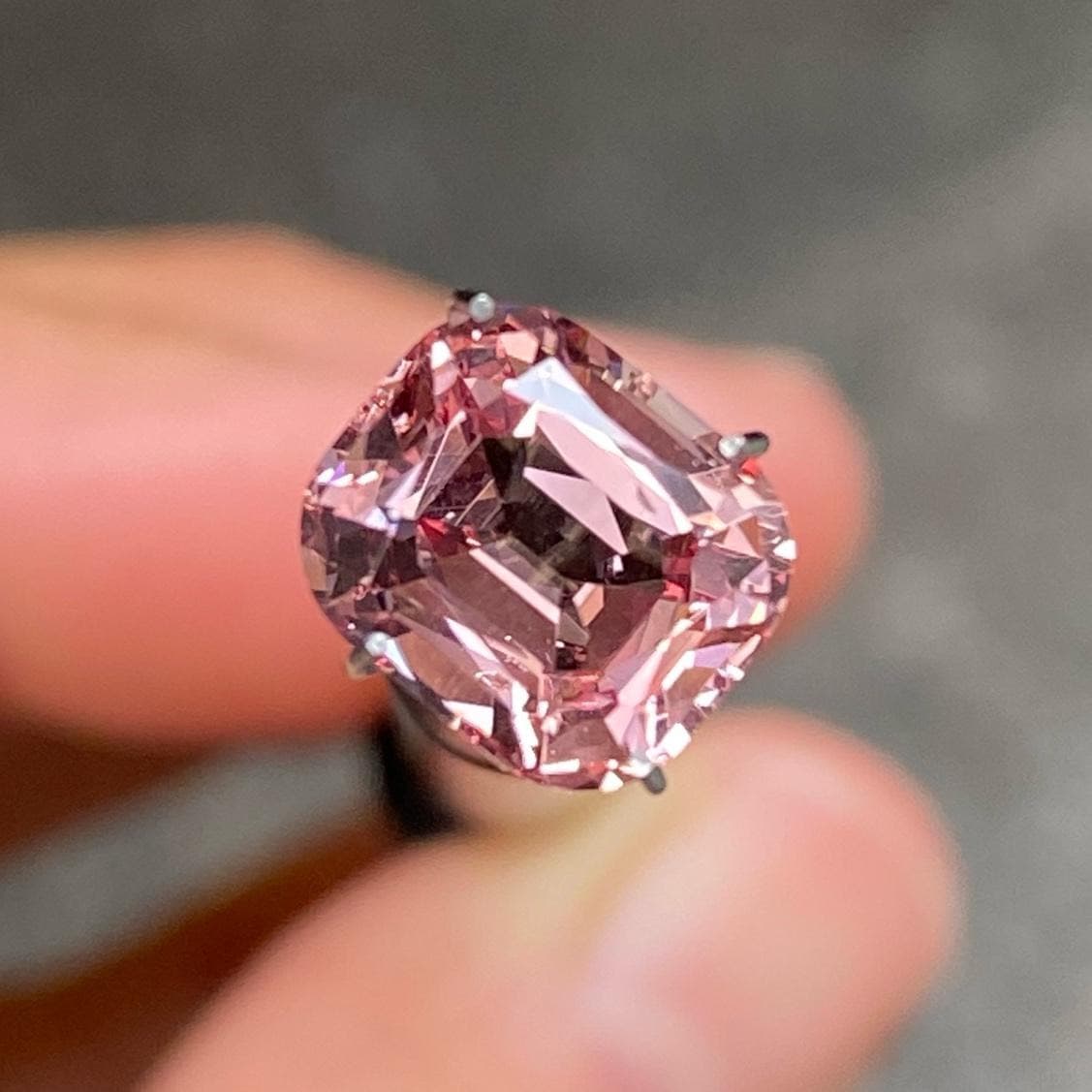
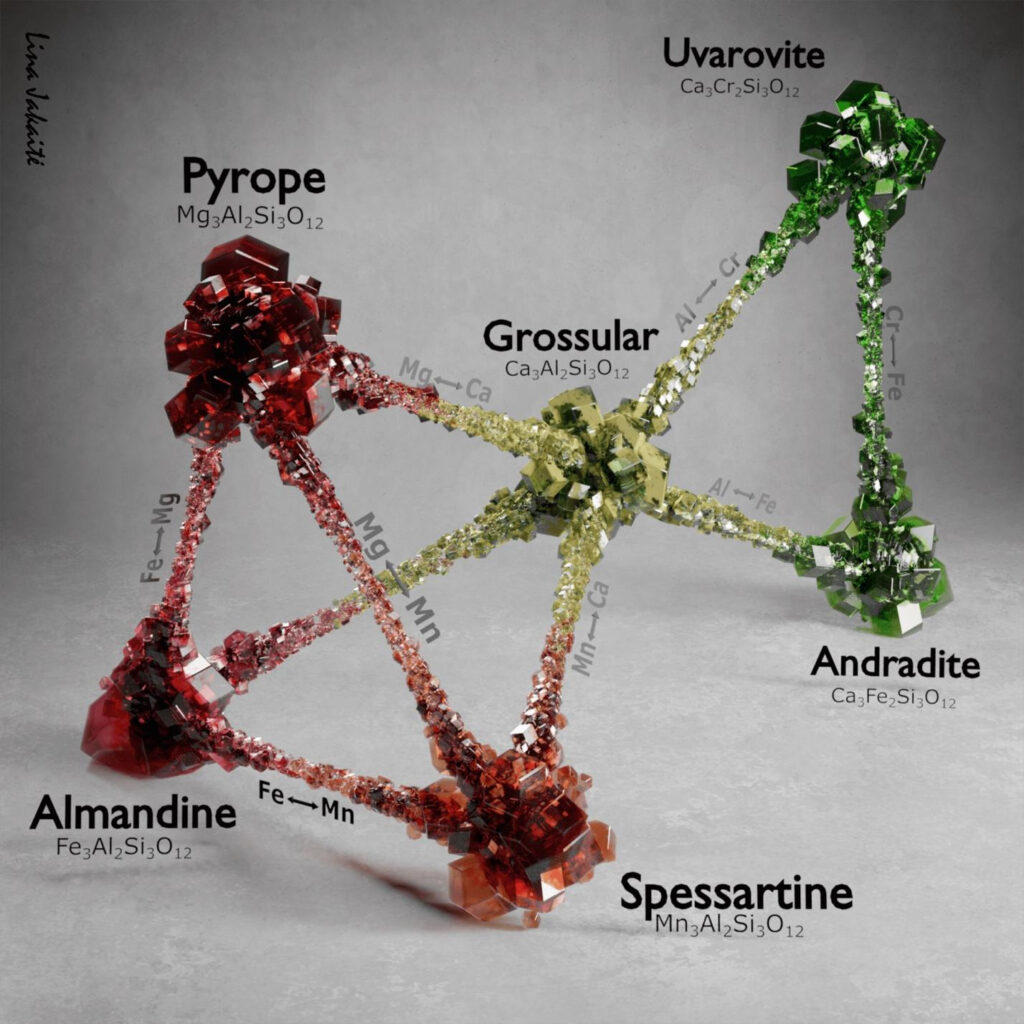
The garnet group is one of the most complex topics in all of gemology. In total, there are more than twenty accepted garnet species, but just six are important to the gem world: Pyrope, almandine, grossular, spessartine, andradite, and uvarovite. These six species do not exist in isolation, rather, they combine with each other to produce gems with many different colors and characteristics. One of these varieties comprised of pyrope, spessartine, and just a touch of almandine is known to the trade as Malaya/Malaia garnets.
The value of Malaya garnets varies greatly based on the traditional value characteristics of color, clarity, size, and cut. Smaller gems with paler colors might sell for just a few hundred dollars per carat while large, vibrantly colored stones are priced significantly higher.
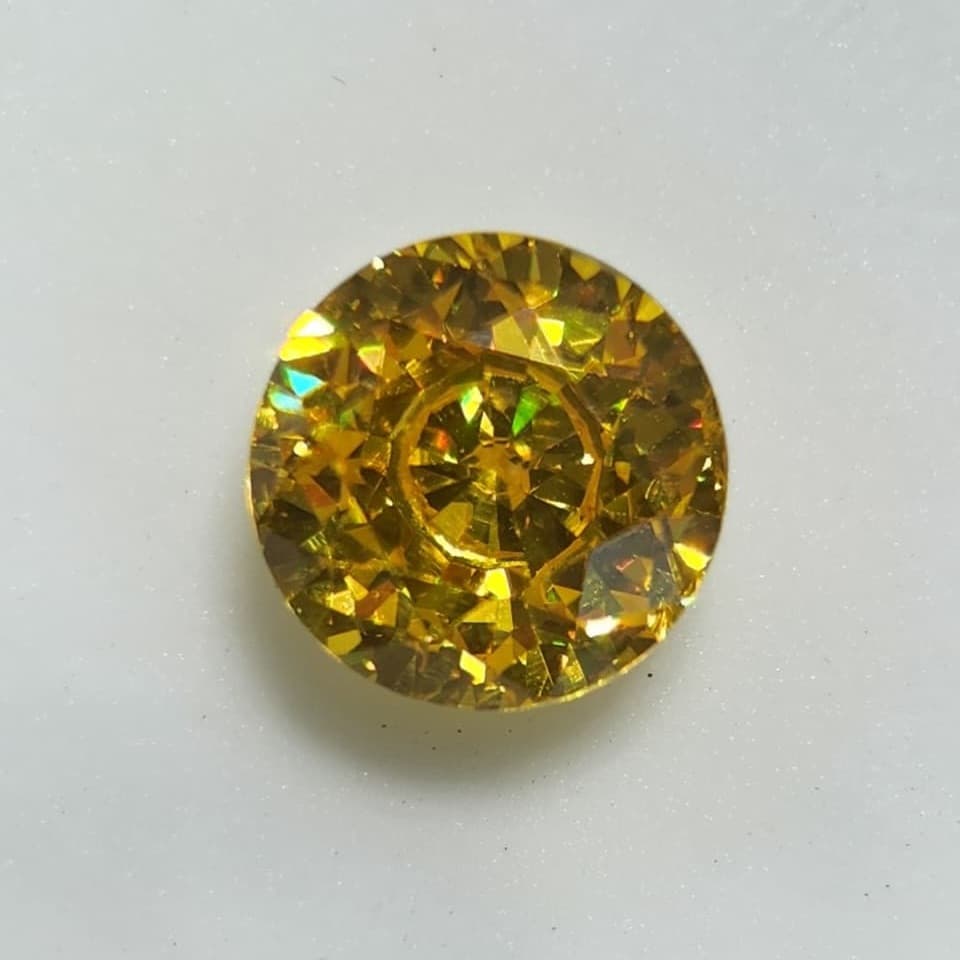
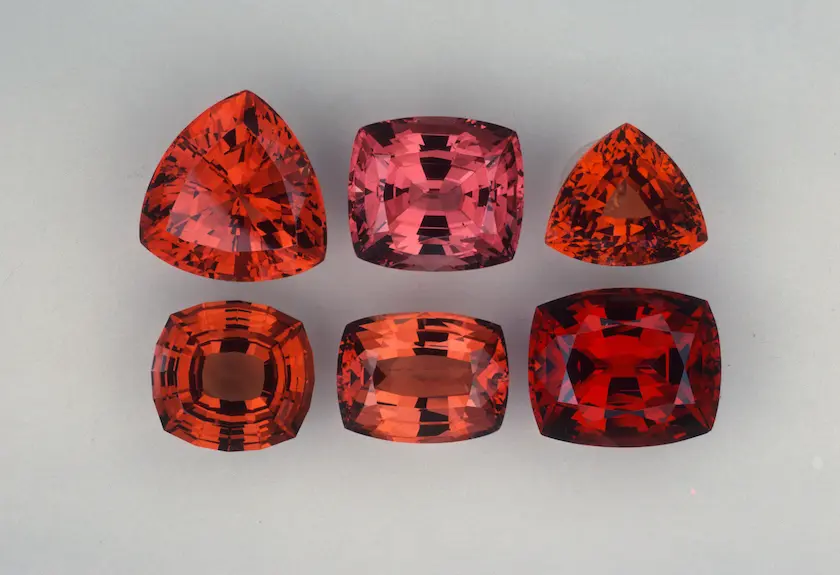
The acceptable color range for Malaya garnets is quite narrow. They have a pinkish orange to reddish orange color that can be similar to the ultra-valuable padparadscha sapphire. Gems with the highest price tags have vibrant, lively color. Any hint of brown will lower the per-carat values.
The original source of Malaya garnets was the Umba River Valley in Tanzania. Oddly, it took a while for demand of the gem to take hold, largely because local miners and gem dealers were focused on the popular purple rhodolite garnets also found at this site. In fact, the word "Malaya" is derived from a Swahili word that means "outcast", referencing the fact that these gems were commonly set aside. Yet, once word of this new garnet species spread amongst the trade around the year 1980, it quickly gained a devoted following.
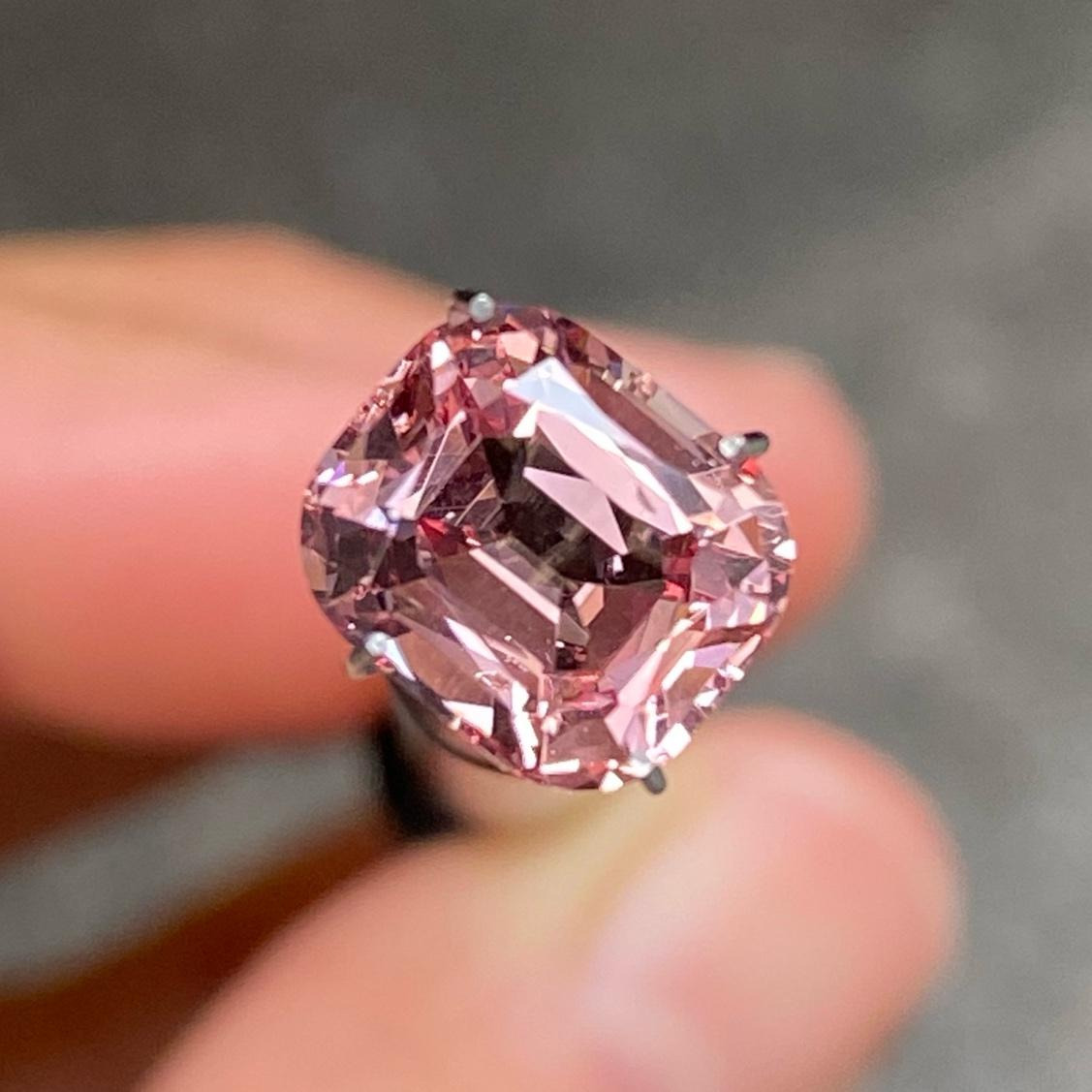
You might hear the color of Malaya garnets described as "sunset", "peach", "cinnamon". Whenever you see these non-standardized descriptors, always get a good look at the actual stone before making a purchase so that you are not surprised when you see the gem in person.
Like many gem-quality garnets, faceted Malaya stones usually weight a few carats or less. The benchmark most point to is four carats - anything greater than that is rare and highly valued.
Because weight is a concern, cutters will often set aside standard outlines and proportions in favor of custom cuts. Skilled cutters are able to maximize weight retention while creating a visually interesting shape.
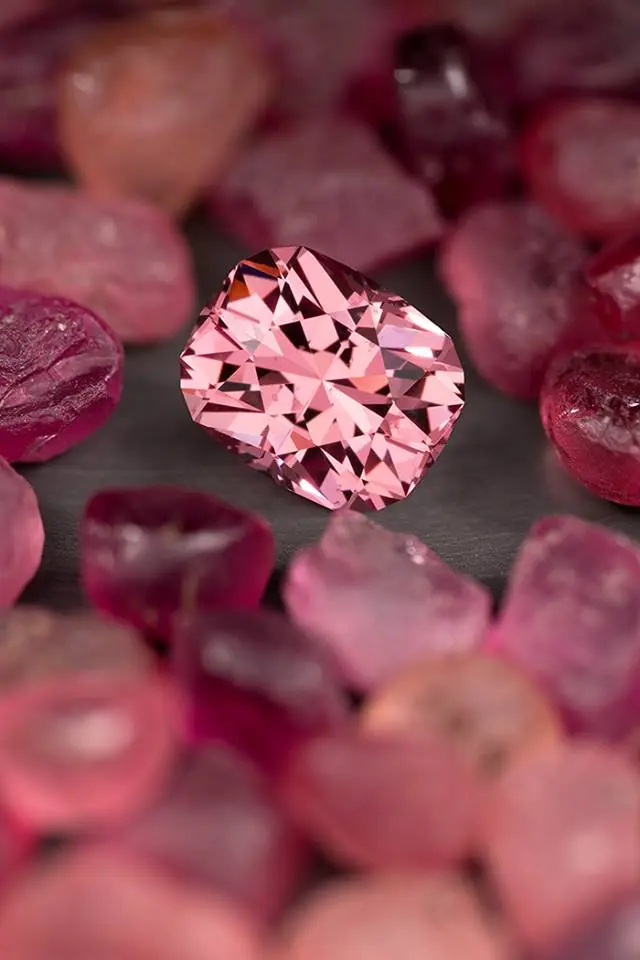
Again, good clarity and transparency are prized. Many Malaya garnets are eye-clean and perfectly clear, so stones with clarity features or cloudiness sell for much less.
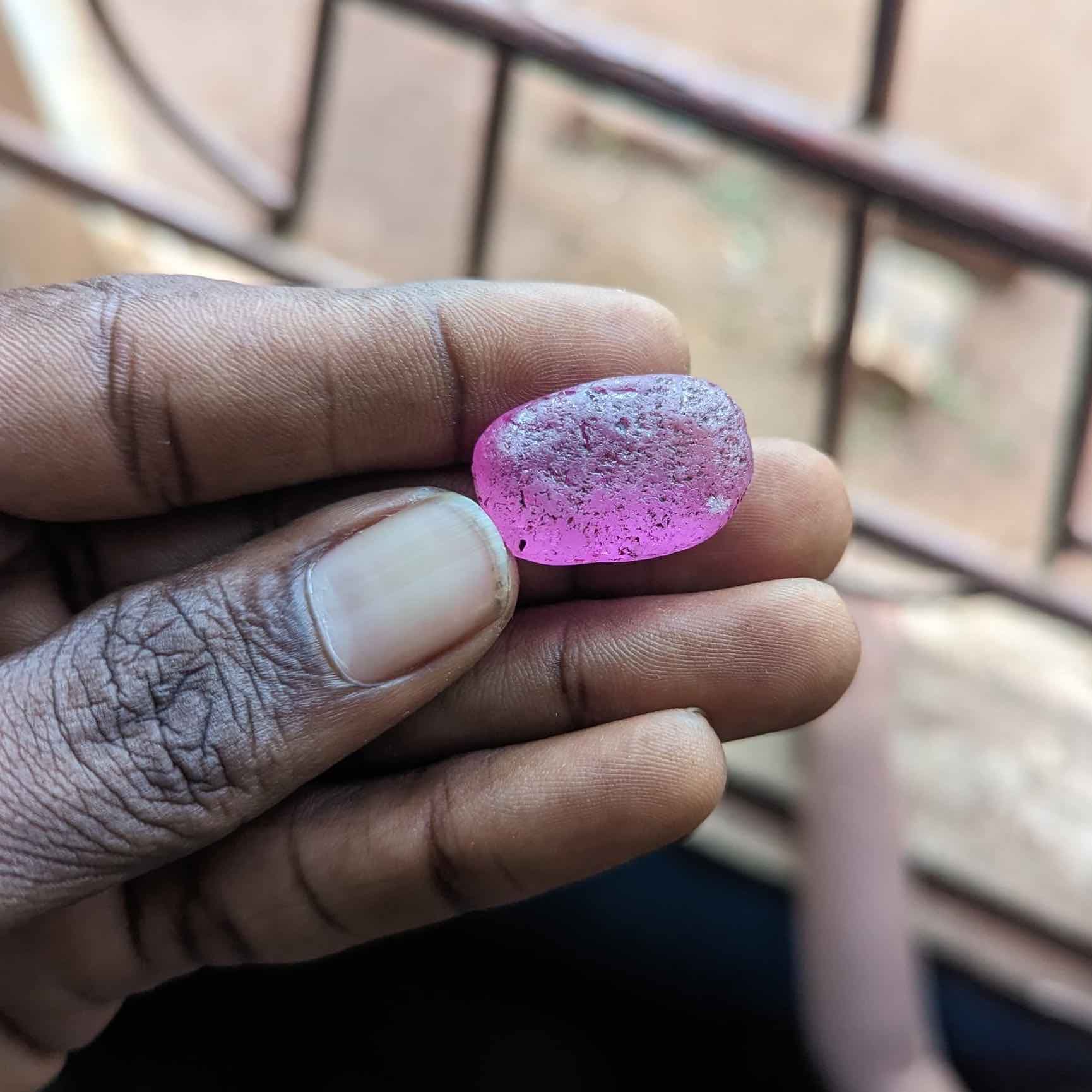
In early 2022, a new type of Malaya garnet with a gentle purplish-pink color was unearthed in Southern Tanzania which boasted a beautiful combination of two traits - color shift and strong red fluorescence under long-wave UV light. They also are magnetic and it has been reported that some gems from this location with the same color expression contain included blue apatite crystals.
Some Malaya garnets previously recovered from this region showed a color shift, but this powerful UV reactiveness which made gems glow from within was new. While these garnets are quite small, most weighing less than a carat when finished, their powerful luminosity led voters on social media to the name them "dragon garnets".
The gems on the market were found in alluvial deposits, with the primary source remaining undiscovered. Unfortunately, this means that the supply of dragon garnets is both tightly restricted and unpredictable. You can read more about them in this article in the Roskin Gem News Report.


When you join the IGS community, you get trusted diamond & gemstone information when you need it.
The garnet group is one of the most complex topics in all of gemology. In total, there are more than twenty accepted garnet species, but just six are important to the gem world: Pyrope, almandine, grossular, spessartine, andradite, and uvarovite. These six species do not exist in isolation, rather, they combine with each other to produce gems with many different colors and characteristics. One of these varieties comprised of pyrope, spessartine, and just a touch of almandine is known to the trade as Malaya/Malaia garnets.
The value of Malaya garnets varies greatly based on the traditional value characteristics of color, clarity, size, and cut. Smaller gems with paler colors might sell for just a few hundred dollars per carat while large, vibrantly colored stones are priced significantly higher.
The acceptable color range for Malaya garnets is quite narrow. They have a pinkish orange to reddish orange color that can be similar to the ultra-valuable padparadscha . Gems with the highest price tags have vibrant, lively color. Any hint of brown will lower the per-carat values.
The original source of Malaya garnets was the Umba River Valley in Tanzania. Oddly, it took a while for demand of the gem to take hold, largely because local miners and gem dealers were focused on the popular purple rhodolite garnets also found at this site. In fact, the word "Malaya" is derived from a Swahili word that means "outcast", referencing the fact that these gems were commonly set aside. Yet, once word of this new garnet species spread amongst the trade around the year 1980, it quickly gained a devoted following.
You might hear the color of Malaya garnets described as "sunset", "peach", "cinnamon". Whenever you see these non-standardized descriptors, always get a good look at the actual stone before making a purchase so that you are not surprised when you see the gem in person.
Like many gem-quality garnets, faceted Malaya stones usually weight a few carats or less. The benchmark most point to is four carats - anything greater than that is rare and highly valued.
Because weight is a concern, cutters will often set aside standard outlines and proportions in favor of custom cuts. Skilled cutters are able to maximize weight retention while creating a visually interesting shape.
Again, good clarity and transparency are prized. Many Malaya garnets are eye-clean and perfectly clear, so stones with clarity features or cloudiness sell for much less.
In early 2022, a new type of Malaya garnet with a gentle purplish-pink color was unearthed in Southern Tanzania which boasted a beautiful combination of two traits - color shift and strong red fluorescence under long-wave UV light. They also are magnetic and it has been reported that some gems from this location with the same color expression contain included blue apatite crystals.
Some Malaya garnets previously recovered from this region showed a color shift, but this powerful UV reactiveness which made gems glow from within was new. While these garnets are quite small, most weighing less than a carat when finished, their powerful luminosity led voters on social media to the name them "dragon garnets".
The gems on the market were found in alluvial deposits, with the primary source remaining undiscovered. Unfortunately, this means that the supply of dragon garnets is both tightly restricted and unpredictable. You can read more about them in this article in the Roskin Gem News Report.