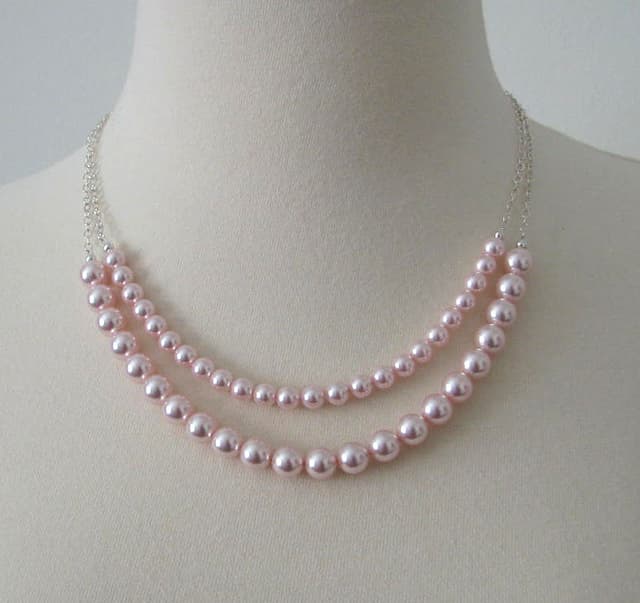
Opals and pearls have special setting, cleaning, and storage needs. Our opal and pearl care guide will help you keep your jewelry beautiful.
4 Minute Read
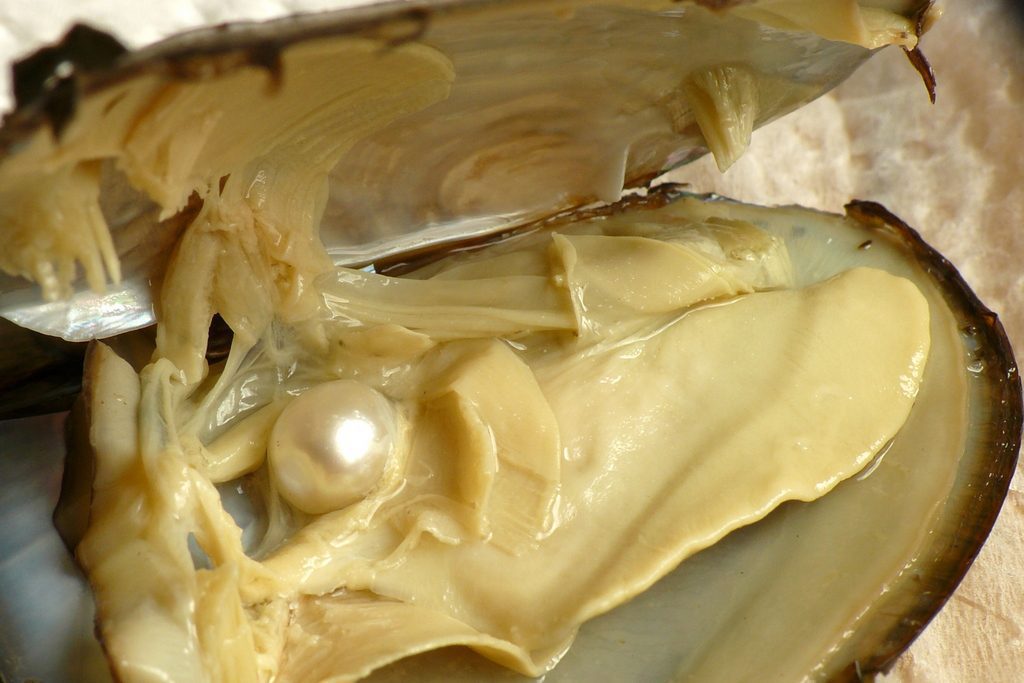
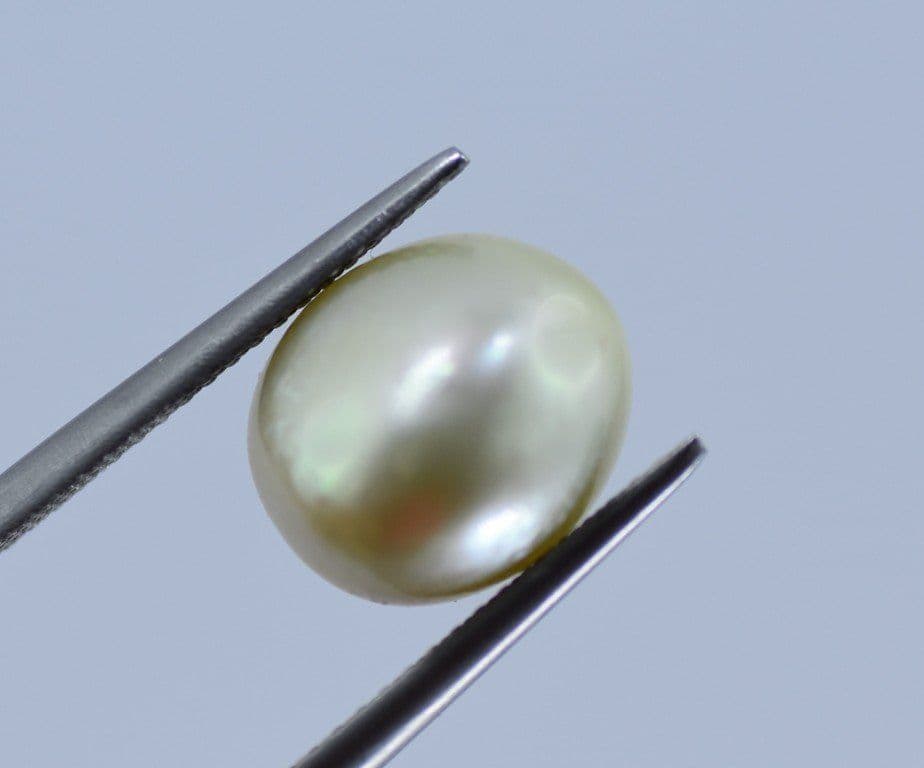
Pearls are formed by oysters and other mollusks secreting a mixture of aragonite, conchiolin, and water around irritants lodged in their bodies. This material is very vulnerable to acids (even perspiration) and ammonia (which is found in many cleaners). Pearls are also very vulnerable to scratching.
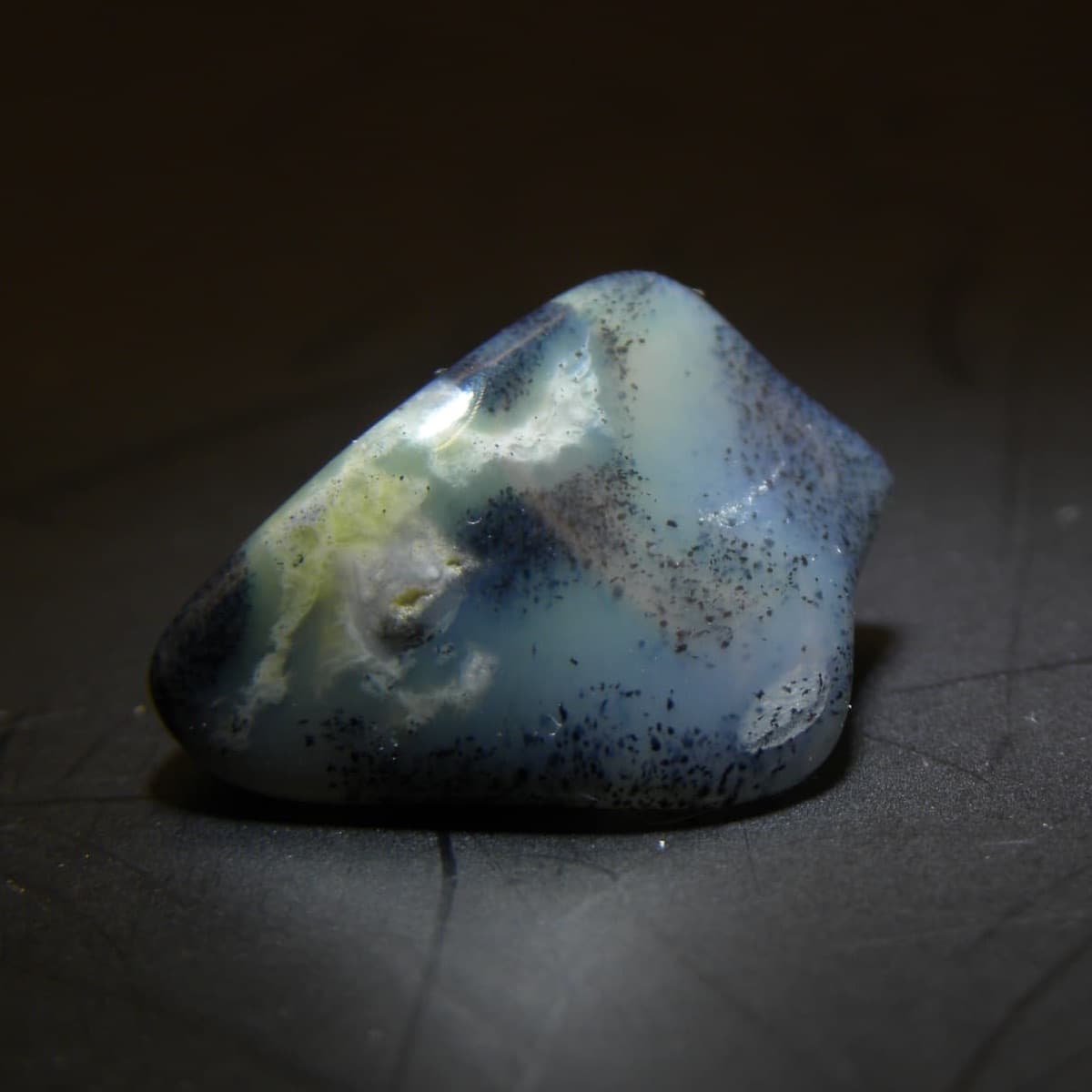
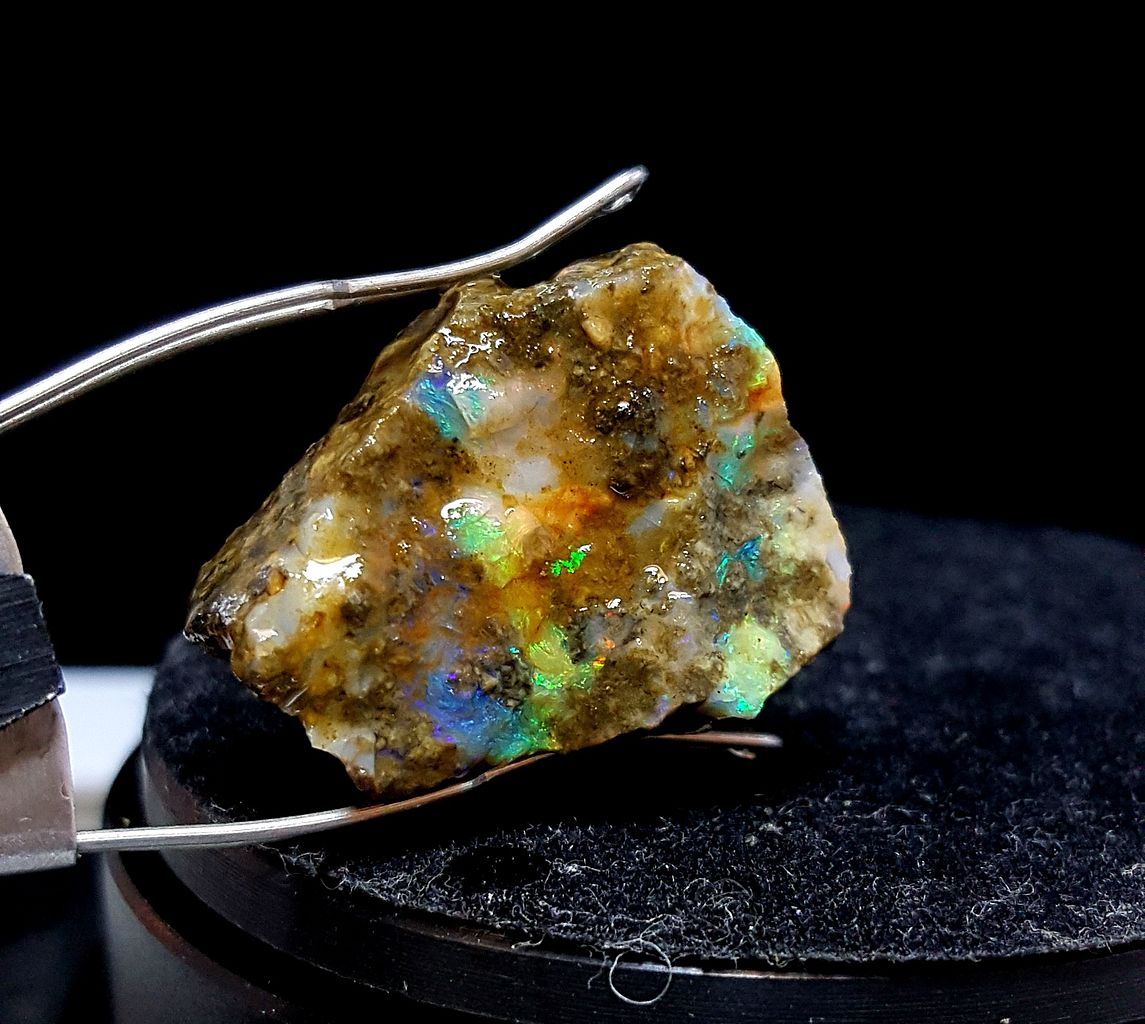
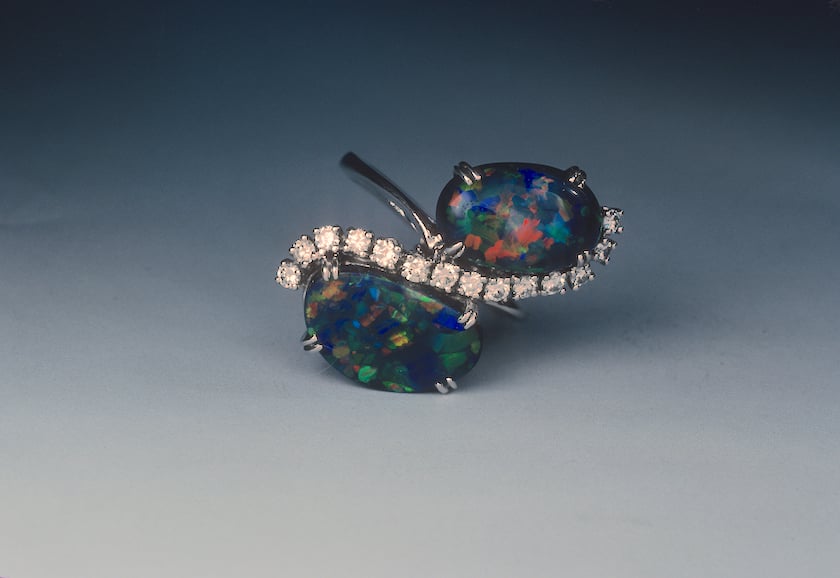
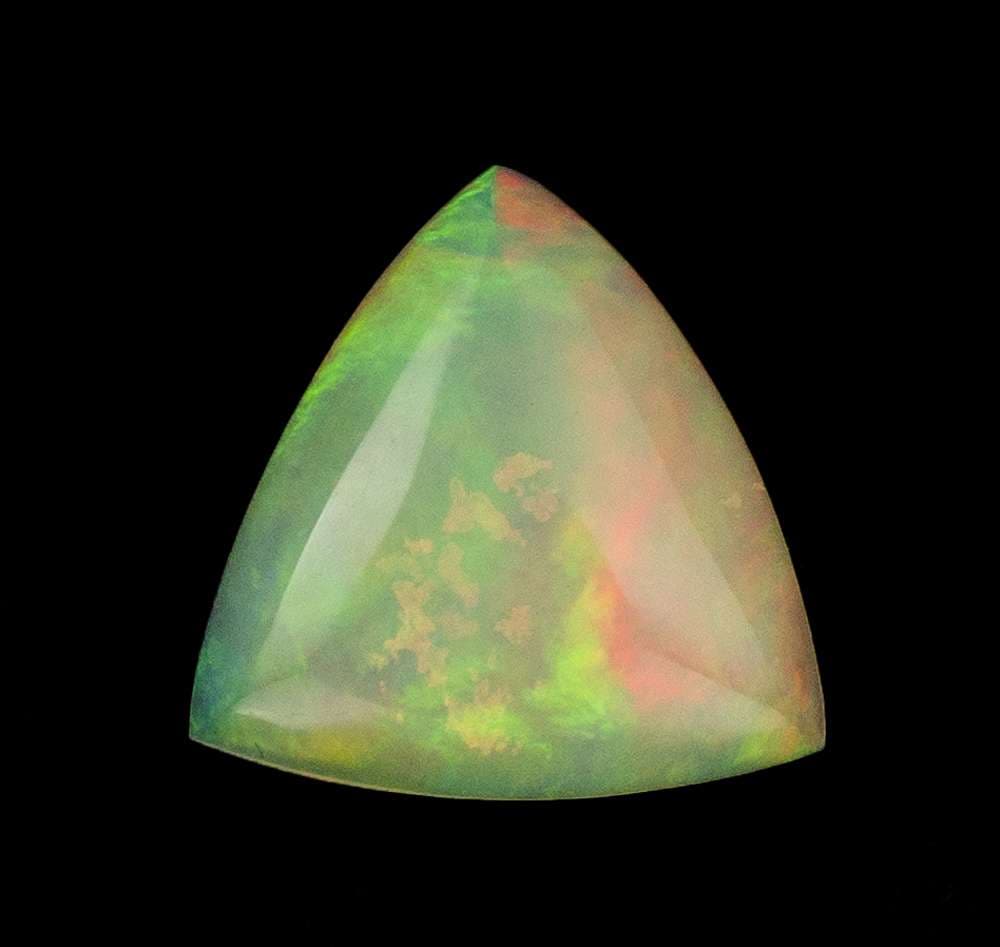
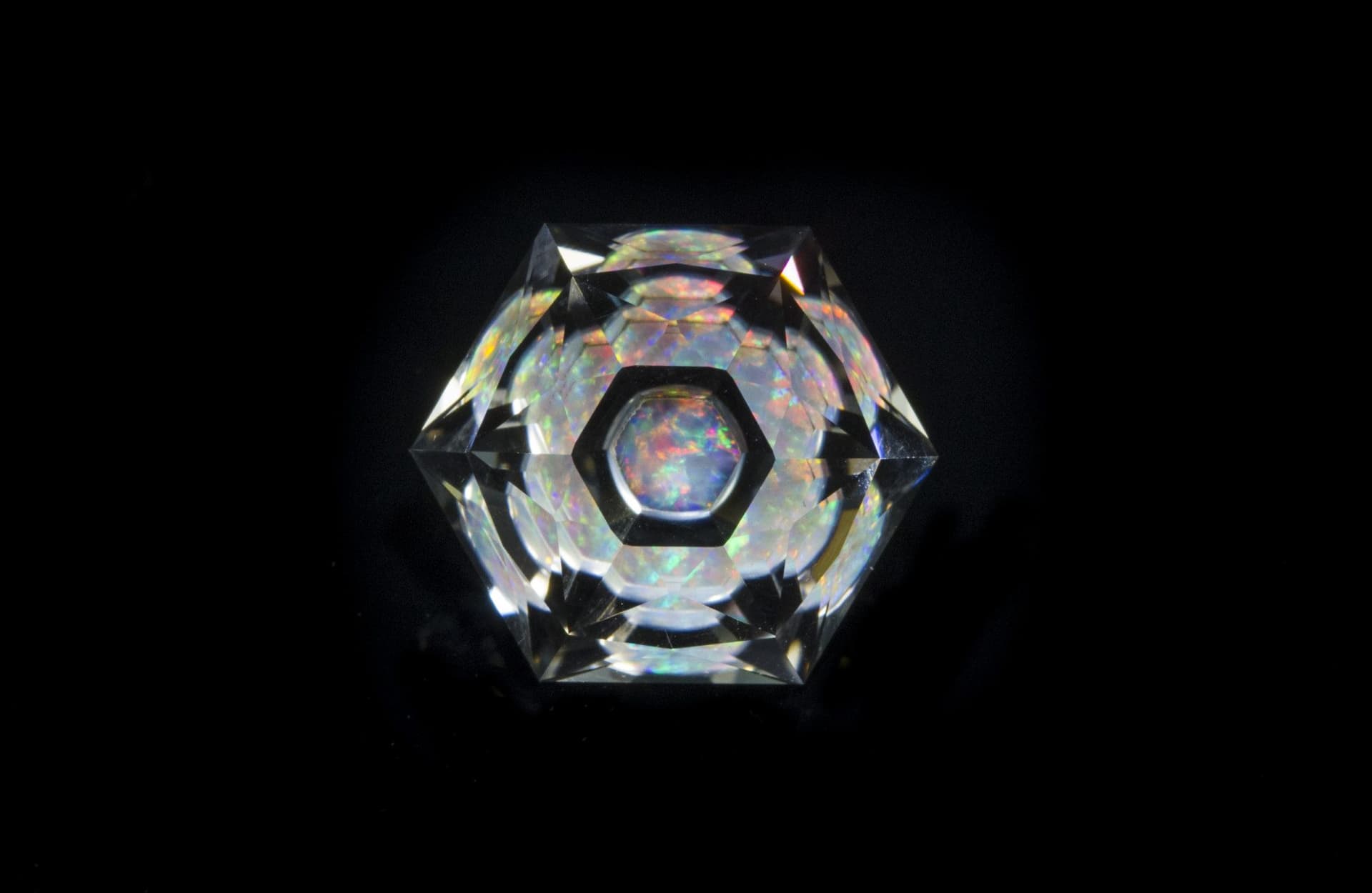
Opals are made of amorphous (non-crystalline) silica and can consist of up to 21% water. Although most opals used for jewelry are 1% to 6% water, they're still extremely sensitive to sudden changes in temperature. Like pearls, opals are vulnerable to scratching.
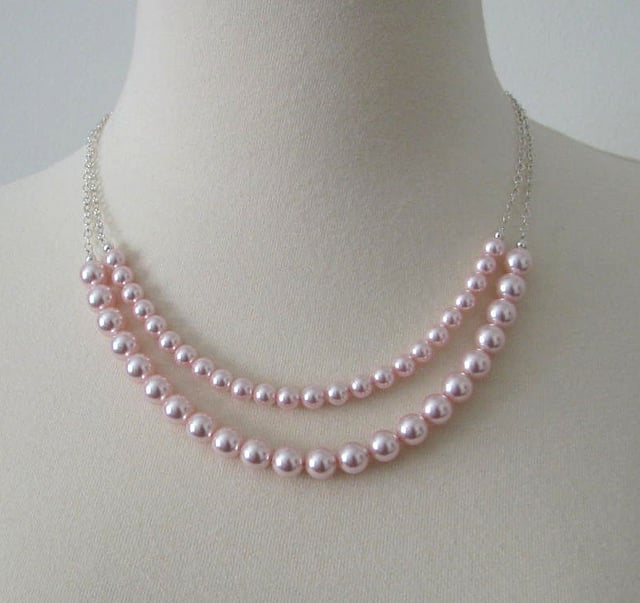
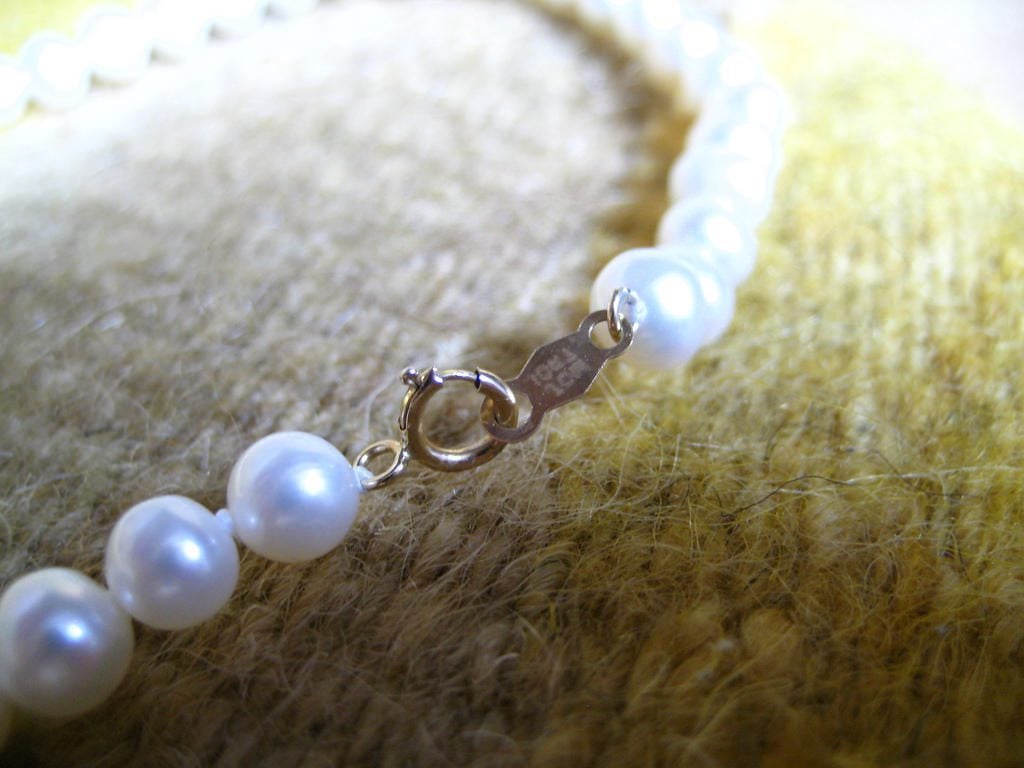
The right type of string and knotting on your pearl necklace can help protect it. If you have a pearl necklace with a nylon string, consider having it restrung with a silk string. Although silk may deteriorate more quickly than nylon, it attracts less dirt and grime and doesn't stretch. A knot between each pearl, or as many knots as possible along the string, will also help prevent the pearls from striking each other and keep grime from entering into the pearl drill holes.
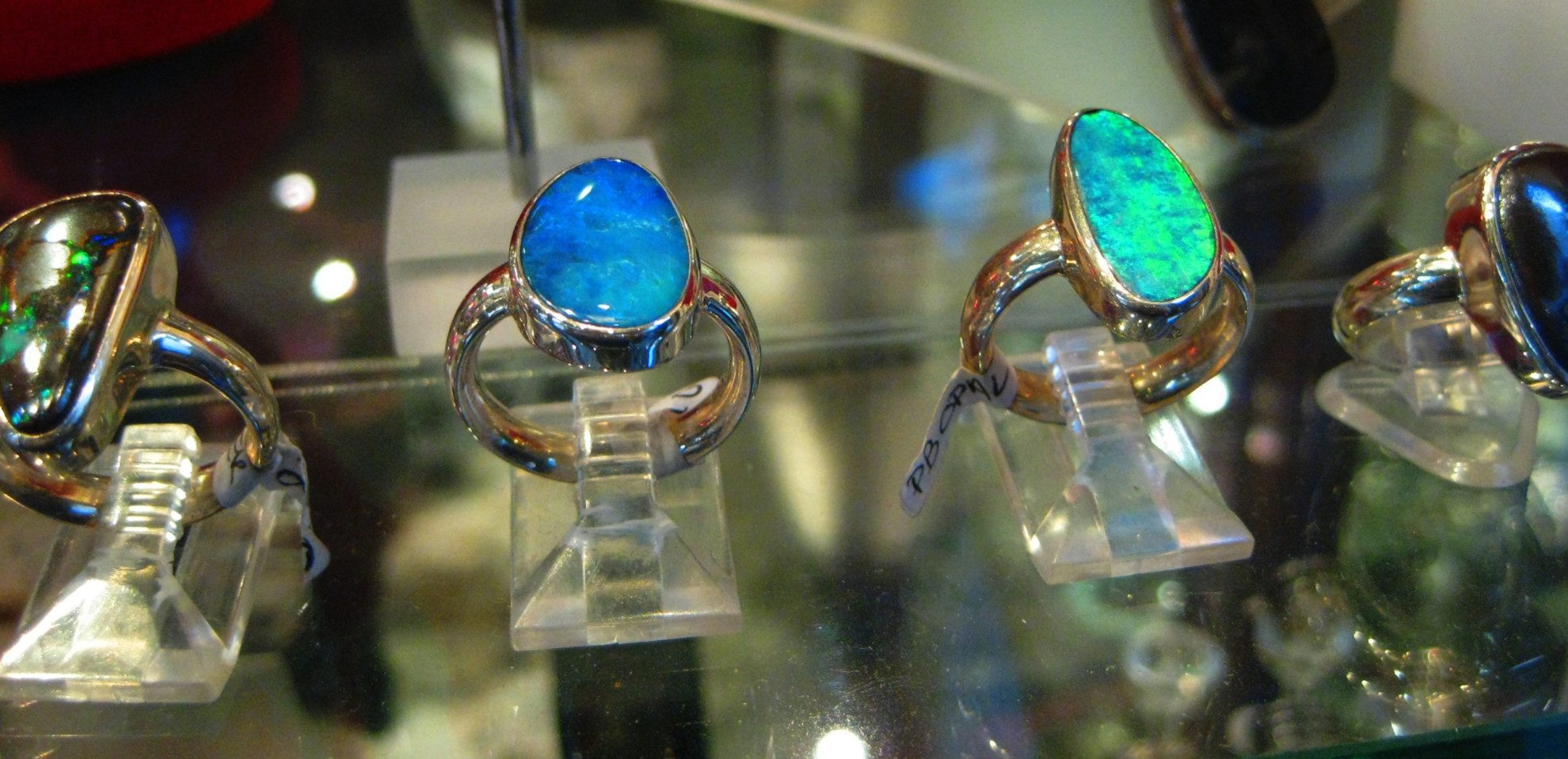
Opals are sensitive to shocks from contact as well as scratching, so they're more suitable for pieces like earrings, brooches, and pendants than rings. If you're considering an opal ring, choose a setting in which the metal comes over the opal. However, avoid settings that can put excessive pressure on the opal, such as bezel or prong settings. Keep in mind that an opal ring will likely need occasional polishing.
Never clean opal or pearl jewelry in mechanical cleaning systems, such as ultrasonic, steam, or boiling. Use only the methods recommended below.
Most opal jewelry and pearls in earrings or other pieces without drill holes can be cleaned with warm water, mild soap, and soft brush, just like many other gemstone jewelry pieces. Make sure you use mild soap only (no other cleaning solution) and a soft brush (not a toothbrush).
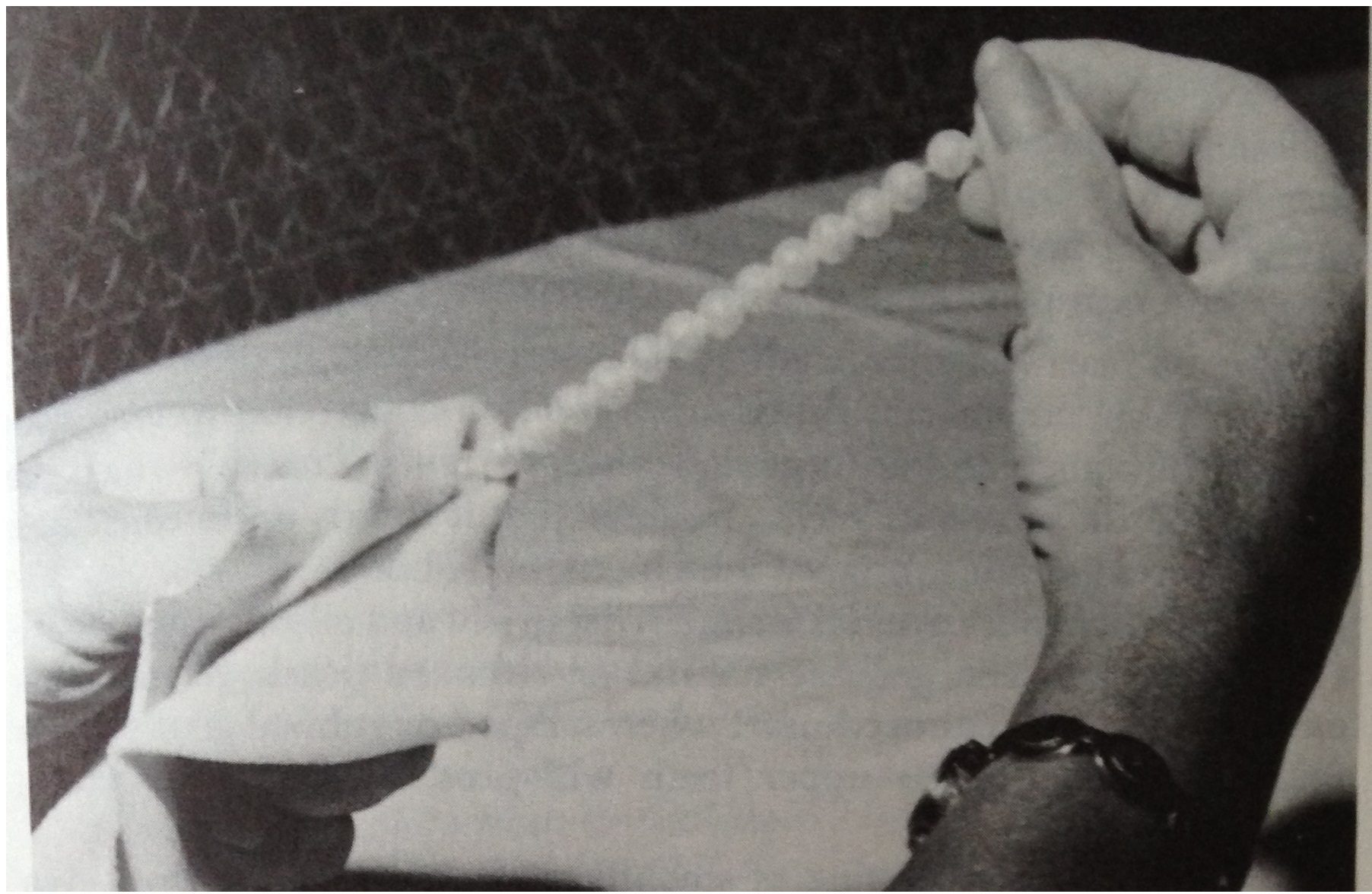
To avoid getting excess moisture in the drill holes, never immerse your necklace in the soap and water mixture. Follow these instructions.
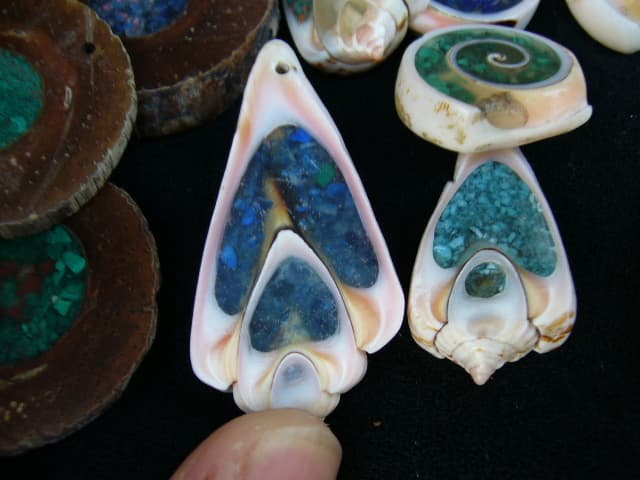
Like pearl necklaces, doublet or triplet opals (thin layers of opal glued to other gemstone layers) should never be soaked in soapy water. This might dissolve the glue holding the layers together. Clean opal doublets and triplets with a mesh rag dipped in warm, soapy water. Keep in mind that opals are sensitive to changes in temperature so keep the water close to room temperature.
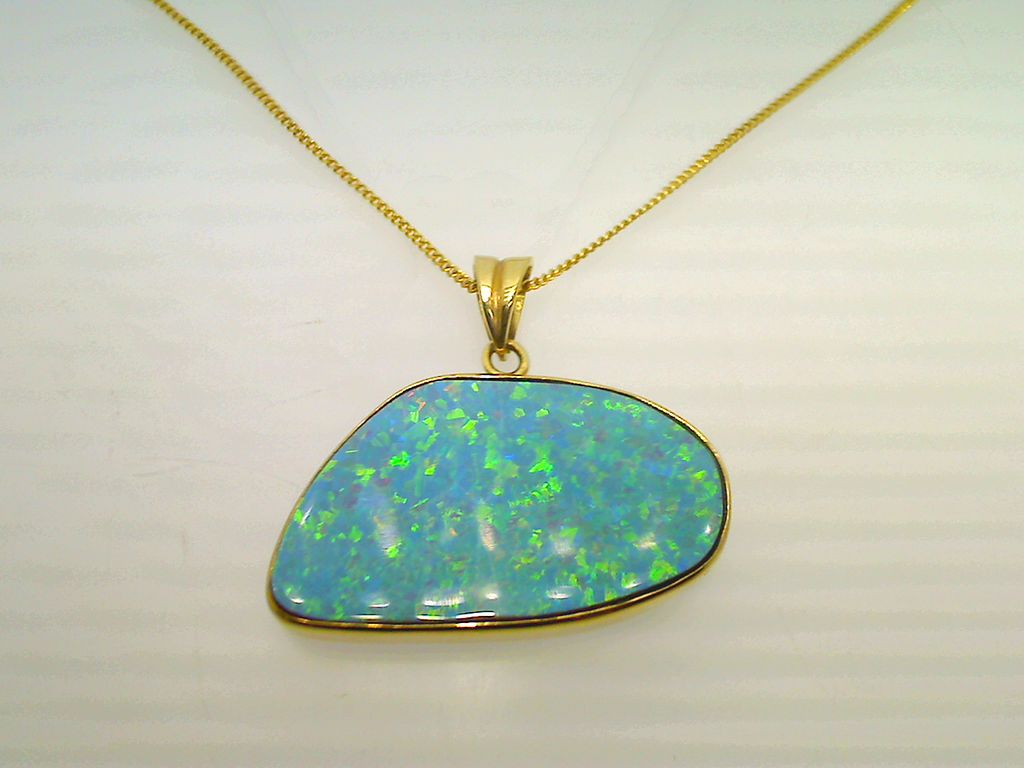
You might be tempted to simply wipe a bit of dirt off your opal or pearl jewelry. Don't do it. In terms of hardness, pearls range from 2.5 to 4. Opals range from 5.5 to 6.5. Most household dust is a 7 to 7.5 on the Mohs scale. That dirt could scratch your opal or pearl. Clean them as recommended above, instead.
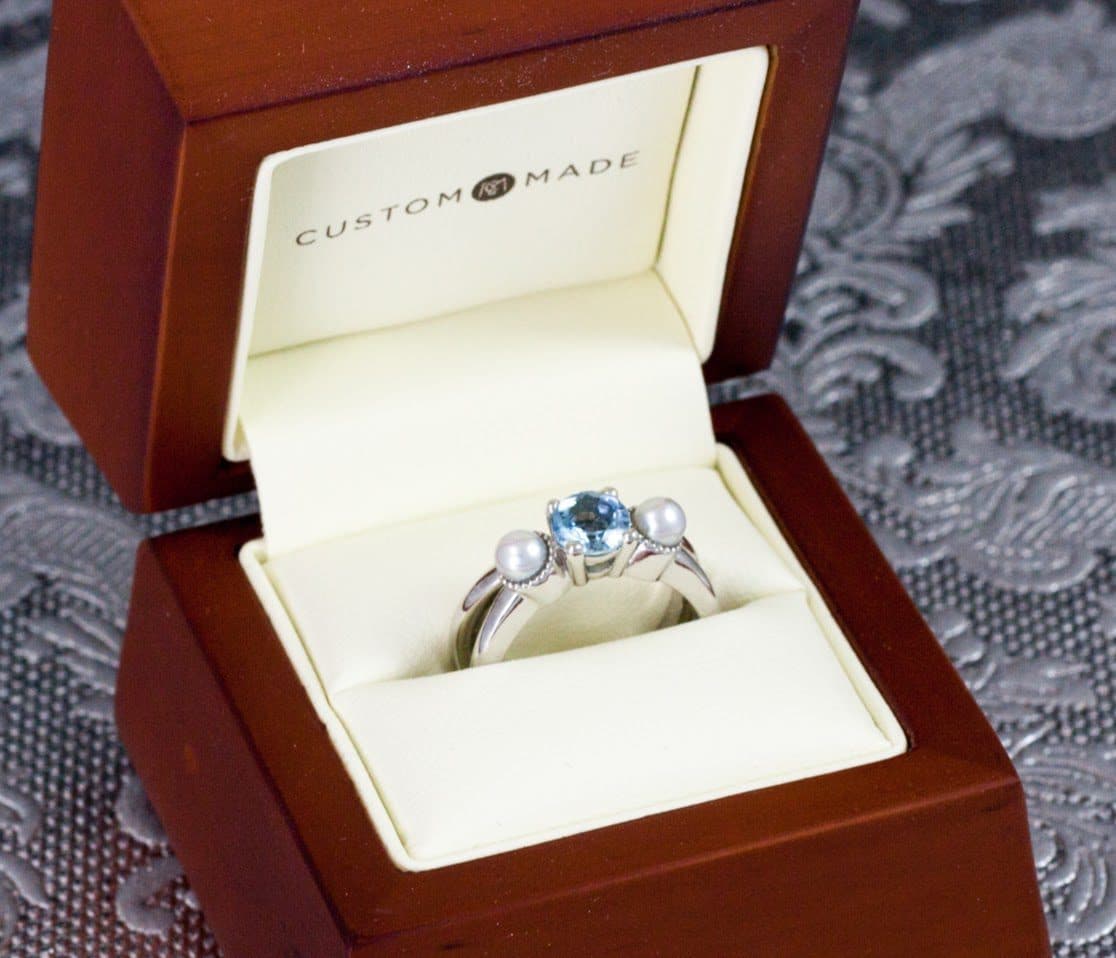
Opals and pearls are beautiful gems, but if they seem overly fussy to you, don't despair. You can take steps to keep you and your jewelry happy for many years.
A fractured or crazed opal may be beyond repair, but an expert gemologist or jeweler may be able to repair some damage to pearls by peeling the outer layers off, if the damage isn't very deep. (On an average cultured pearl, the outer nacre layer is only 0.08 to 1.22 mm thick).
How To Clean Your Gemstone Jewelry
Care Guide for Pearls and Opals

When you join the IGS community, you get trusted diamond & gemstone information when you need it.
Pearls are formed by oysters and other mollusks secreting a mixture of aragonite, conchiolin, and water around irritants lodged in their bodies. This material is very vulnerable to acids (even perspiration) and ammonia (which is found in many cleaners). Pearls are also very vulnerable to scratching.
Opals are made of amorphous (non-crystalline) silica and can consist of up to 21% water. Although most opals used for jewelry are 1% to 6% water, they're still extremely sensitive to sudden changes in temperature. Like pearls, opals are vulnerable to scratching.
The right type of string and knotting on your pearl necklace can help protect it. If you have a pearl necklace with a nylon string, consider having it restrung with a silk string. Although silk may deteriorate more quickly than nylon, it attracts less dirt and grime and doesn't stretch. A knot between each pearl, or as many knots as possible along the string, will also help prevent the pearls from striking each other and keep grime from entering into the pearl drill holes.
Opals are sensitive to shocks from contact as well as scratching, so they're more suitable for pieces like earrings, brooches, and pendants than rings. If you're considering an opal ring, choose a setting in which the metal comes over the opal. However, avoid settings that can put excessive pressure on the opal, such as bezel or prong settings. Keep in mind that an opal ring will likely need occasional polishing.
Never clean opal or pearl jewelry in mechanical cleaning systems, such as ultrasonic, steam, or boiling. Use only the methods recommended below.
Most opal jewelry and pearls in earrings or other pieces without drill holes can be cleaned with warm water, mild soap, and soft brush, just like many other gemstone jewelry pieces. Make sure you use mild soap only (no other cleaning solution) and a soft brush (not a toothbrush).
To avoid getting excess moisture in the drill holes, never immerse your necklace in the soap and water mixture. Follow these instructions.
Like pearl necklaces, doublet or triplet opals (thin layers of opal glued to other gemstone layers) should never be soaked in soapy water. This might dissolve the glue holding the layers together. Clean opal doublets and triplets with a mesh rag dipped in warm, soapy water. Keep in mind that opals are sensitive to changes in temperature so keep the water close to room temperature.
You might be tempted to simply wipe a bit of dirt off your opal or pearl jewelry. Don't do it. In terms of hardness, pearls range from 2.5 to 4. Opals range from 5.5 to 6.5. Most household dust is a 7 to 7.5 on the Mohs scale. That dirt could scratch your opal or pearl. Clean them as recommended above, instead.
Opals and pearls are beautiful gems, but if they seem overly fussy to you, don't despair. You can take steps to keep you and your jewelry happy for many years.
A fractured or crazed opal may be beyond repair, but an expert gemologist or jeweler may be able to repair some damage to pearls by peeling the outer layers off, if the damage isn't very deep. (On an average cultured pearl, the outer nacre layer is only 0.08 to 1.22 mm thick).
Care Guide for Pearls and Opals