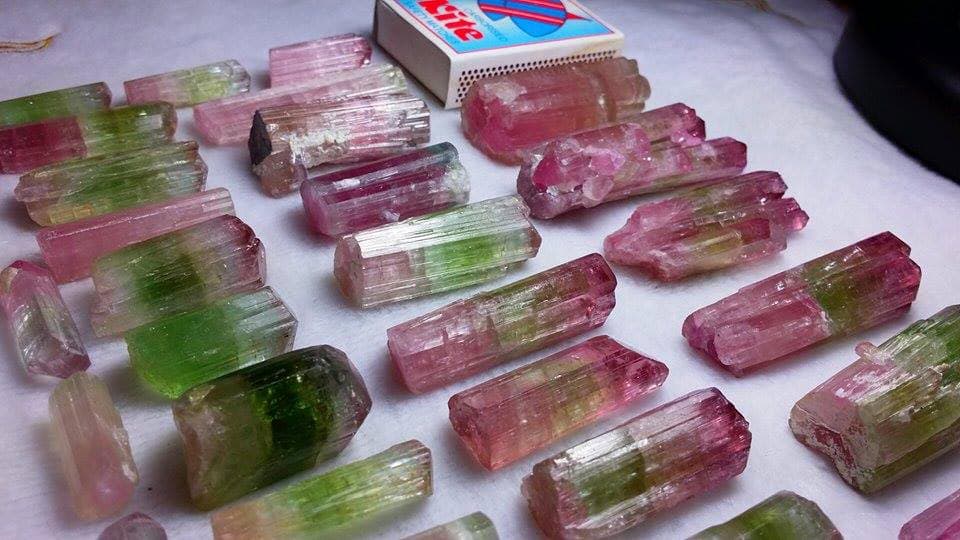
Disclosing enhancements to gems is a key duty for gemologists. Learn what are the hardest treatments to detect and how to report your findings clearly.
4 Minute Read
Gemologists in the business of selling gems need ways to declare gemstone enhancements without hurting sales. Try presenting the information as educational. (“Show off” your expertise). Or, you could make the disclosure after consummating the sale. (Weaker, but still satisfactory). For example, if you sold an emerald ring, tell your customer that the stone was oiled while explaining how to care for the ring.
In a sales situation, always present things in a positive light. You can say things like, “the oil is invisible and simply helps you see the emerald” or “I can’t tell if this aquamarine has been heat treated because the process is identical to what happens in nature.”
Of course, how you report gemstone treatments varies from situation to situation. We can’t cover all the varieties of written appraisals, certifications, grading forms, etc. However, the most important thing is to make the disclosure obvious and clear, not hidden in fine print or obscured by vague or misleading terminology. For example, stating that a glass-filled ruby is simply a treated ruby is totally unacceptable.
For International Gem Society…

When you join the IGS community, you get trusted diamond & gemstone information when you need it.
Gemologists in the business of selling gems need ways to declare gemstone enhancements without hurting sales. Try presenting the information as educational. (“Show off” your expertise). Or, you could make the disclosure after consummating the sale. (Weaker, but still satisfactory). For example, if you sold an emerald ring, tell your customer that the stone was oiled while explaining how to care for the ring.
In a sales situation, always present things in a positive light. You can say things like, “the oil is invisible and simply helps you see the emerald” or “I can’t tell if this aquamarine has been heat treated because the process is identical to what happens in nature.”
Of course, how you report gemstone treatments varies from situation to situation. We can’t cover all the varieties of written appraisals, certifications, grading forms, etc. However, the most important thing is to make the disclosure obvious and clear, not hidden in fine print or obscured by vague or misleading terminology. For example, stating that a glass-filled ruby is simply a treated is totally unacceptable.
For International Gem Society…

Disclosing enhancements to gems is a key duty for gemologists. Learn what are the hardest treatments to detect and how to report your findings clearly.

“I have never known or heard of an organization that offers so much for its members, and at such a low cost.”
— Ernest Roisch, Rainbow Rocks LTD
That's less than $0.01 per article. Get instant access to 1,700+ premium articles, courses, and gem pricing data.