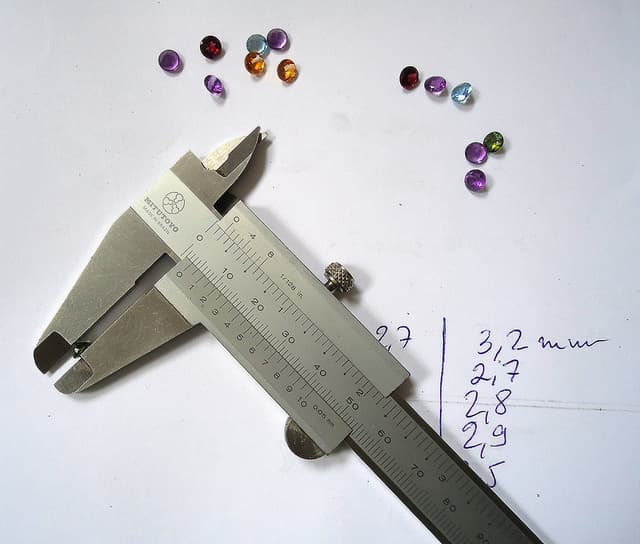
Are you a hobbyist or professional gemologist facing high equipment costs? Read our IGS series of articles that can help you build your own gemology tools.
2 Minute Read
One of the first problems student gemologists encounter is one advanced gemologists also face: high equipment costs. The variety and prices of modern gemology tools make them almost cost prohibitive for a hobbyist or someone not willing to make the financial investment. However, as an individual gemologist, you have the option to build your own gemology tools.
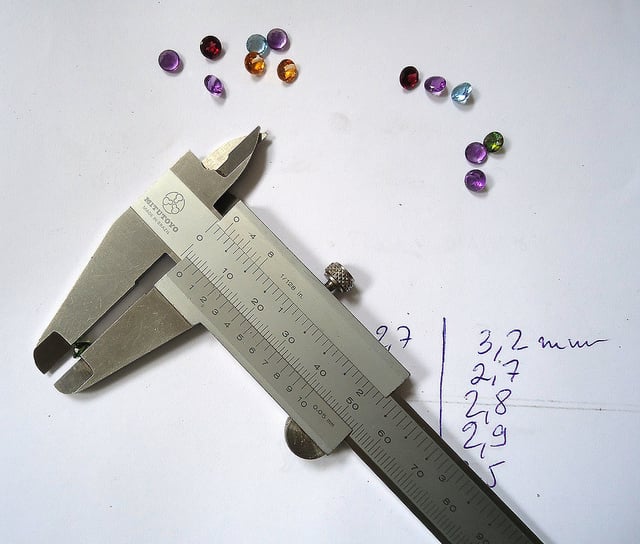
Even established gemology lab centers have recently closed due to the rising costs and lower revenues facing the industry. When the American Gem Trade Association (AGTA) closed its lab in 2009, Douglas K. Hucker, President of the AGTA, said in an email sent to subscribers:
[…] But with this extended economic downturn and the expense of operating a facility in New York, the Association can no longer devote the level of resources necessary to keep the laboratory operating. Our members and clients businesses are not functioning at a level necessary to sustain the GTC [Gemological Testing Center]. In the eleven years that the GTC was in operation it attained a stellar and unassailable reputation for integrity in its reports and research. This is a great loss for the AGTA and the industry.[…]
In other words, the maintenance costs of extremely complex equipment and specialists' salaries, when compared with the financial returns, led to the closing. Anne Sasso, in her 2007 Colored Stone magazine article, "Where Will The Future Of Gemology Take Us?", noted that a single piece of high-tech equipment could cost over $700,000, not including maintenance expenses and the need for facilities with controlled atmosphere 24 hours a day.
The individual gemologist may not need such special equipment but can still be constrained by the prices of small tools. Furthermore, some gemology tools are difficult to find for sale and may need to be built by the student. This series of articles from the International Gem Society can provide some guidance for building small but useful low-cost devices with "off-the-shelf" parts, as well as how to use some little used but effective techniques.
Before you starting building your own gemology tools, take this advice to heart:


When you join the IGS community, you get trusted diamond & gemstone information when you need it.
One of the first problems student gemologists encounter is one advanced gemologists also face: high equipment costs. The variety and prices of modern gemology tools make them almost cost prohibitive for a hobbyist or someone not willing to make the financial investment. However, as an individual gemologist, you have the option to build your own gemology tools.
Even established gemology lab centers have recently closed due to the rising costs and lower revenues facing the industry. When the American Gem Trade Association (AGTA) closed its lab in 2009, Douglas K. Hucker, President of the AGTA, said in an email sent to subscribers:
[…] But with this extended economic downturn and the expense of operating a facility in New York, the Association can no longer devote the level of resources necessary to keep the laboratory operating. Our members and clients businesses are not functioning at a level necessary to sustain the GTC [Gemological Testing Center]. In the eleven years that the GTC was in operation it attained a stellar and unassailable reputation for integrity in its reports and research. This is a great loss for the AGTA and the industry.[…]
In other words, the maintenance costs of extremely complex equipment and specialists' salaries, when compared with the financial returns, led to the closing. Anne Sasso, in her 2007 Colored Stone magazine article, "Where Will The Future Of Gemology Take Us?", noted that a single piece of high-tech equipment could cost over $700,000, not including maintenance expenses and the need for facilities with controlled atmosphere 24 hours a day.
The individual gemologist may not need such special equipment but can still be constrained by the prices of small tools. Furthermore, some gemology tools are difficult to find for sale and may need to be built by the student. This series of articles from the International Gem Society can provide some guidance for building small but useful low-cost devices with "off-the-shelf" parts, as well as how to use some little used but effective techniques.
Before you starting building your own gemology tools, take this advice to heart: