Is Coral Expensive?
7 Minute Read
Coral reefs are some of the most beautiful environments on Earth. Scientists say that healthy reefs are the most biodiverse ecosystems on Earth, with thousands of varieties of fish, aquatic plants, and other lifeforms. The literal backbones of these havens are the monumental calcium carbonate or protein-based structures made by numerous varieties of coral. Individual coral animals called polyps are tiny, but they live in large colonies that collectively create the formations of reefs that can stretch more than a thousand miles long. Humans have collected vibrantly colored coral and used it as jewelry for tens of thousands of years.
While coral reefs like the Great Barrier Reef in Australia are famous for their scope, they are neither infinite nor invulnerable. In fact, reefs are delicate ecosystems that have historically been overharvested. Fortunately, the negative impact of these practices was recognized before reefs disappeared entirely, and steps have been taken to protect the remaining coral ecosystems and allow them to recover. Among the laws and regulations monitoring the harvesting of coral is the Convention on International Trade in Endangered Species (CITES), which protects more than 40,000 species of animals and plants worldwide.
Now, some reefs have recuperated to the point where restricted harvesting is allowed. This means that there is a small influx of new material available on the jewelry market in addition to existing antique items. Here are the characteristics of coral that professionals consider to be the most important value factors.
There are Two Types of Coral Used in Jewelry, and They Have Their Own Value Characteristics
There are two different broad categories of coral, which are used in jewelry: calcareous coral and conchiolin coral. Calcareous coral creates its external skeleton by processing calcium carbonate into calcite, while conchiolin coral uses a protein base. These types of corals live in different environments and have their own unique appearances. Let's look at each separately.
Calcareous Coral
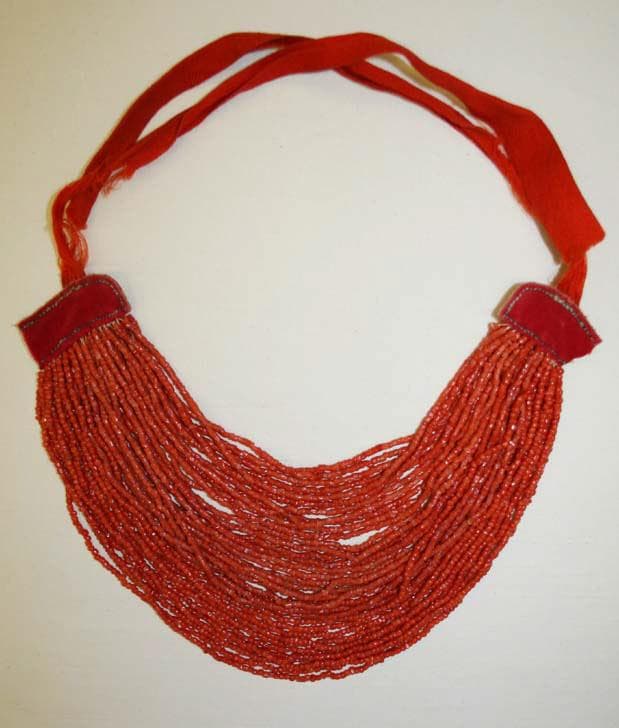
Calcareous coral grows in tree-like formations with branches that can be left in their original shape or drilled into beads. Larger chunks can be fashioned into cabochons, artistic carvings, or cameos. You will likely be able to see the wavy fibrous texture of the coral.
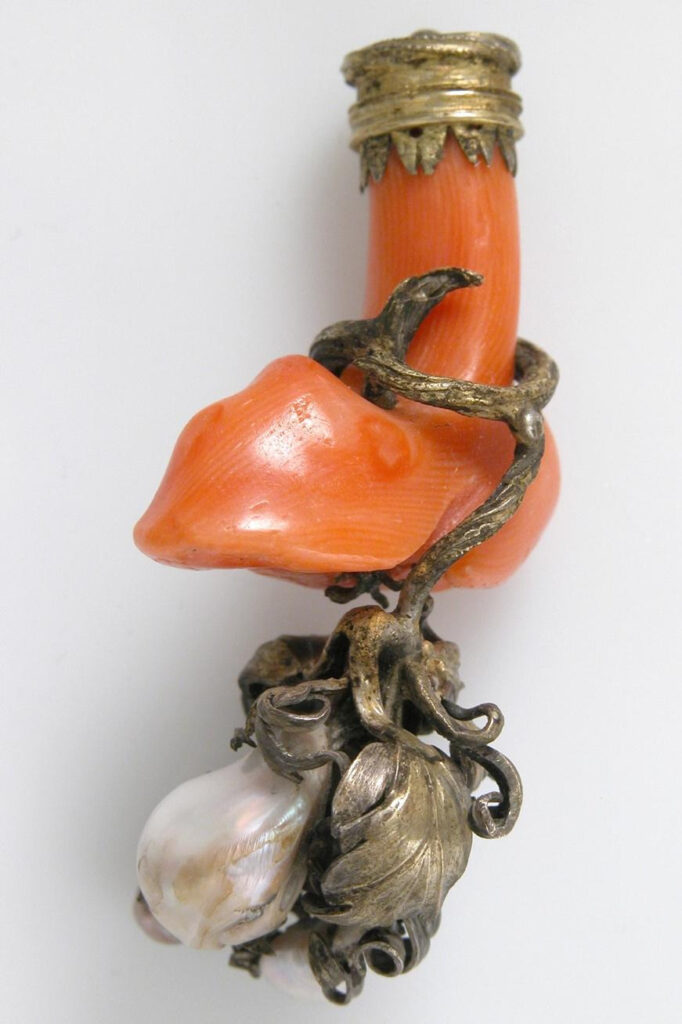
There is a wide range of colors that are found. Cooler hues include blue, purple, and a grayish violet that is called "lavender". Warm colors range from white to cream, pink, red, and orange.
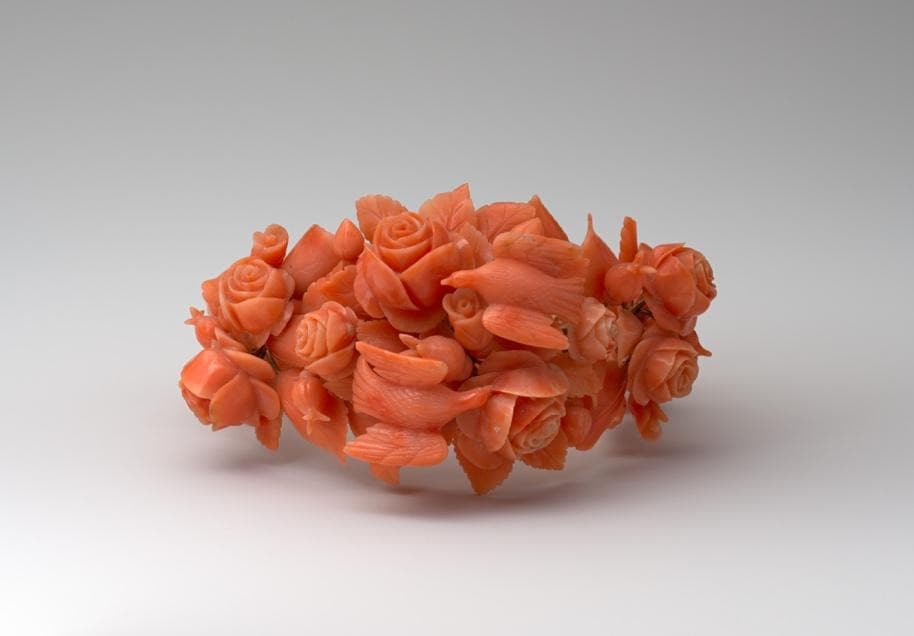
Red is the Most Valuable Hue of Calcareous Coral
The value of calcareous coral is primarily determined by its color. Because the exact shade matters so much in terms of value, you will see quite a few trade terms that reference specific hues. Naples, Italy, was historically home to the most skilled coral carvers in the world, so many of these descriptive terms are Italian words.
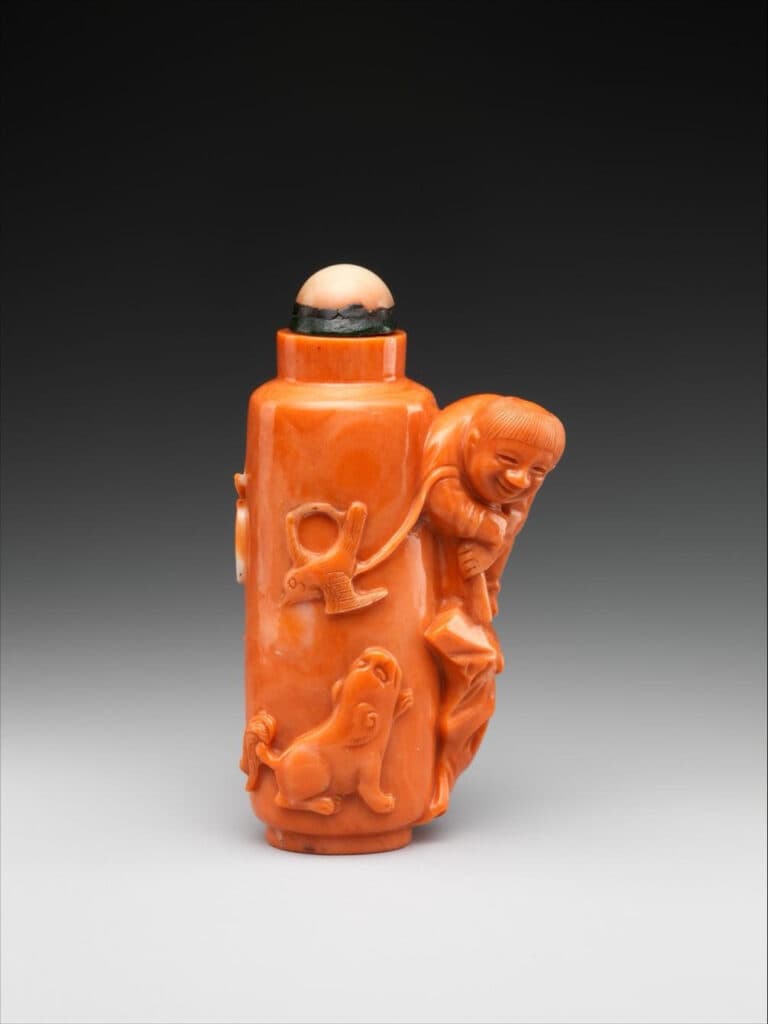
Collectors prize gems with a highly saturated red color called "rosso scuro", "carbonetto", and "arciscuro". English speakers may call these coral gems "oxblood". Ranking second in terms of value is a gentle yet saturated pink color called "pelle d'angelo," which translates as "angel's skin". English speakers have quite a few different options for the various shades of pink, including "salmon" and, simply, "pink".
The Best Calcareous Coral Comes from the Mediterranean Sea
Coral is created by living beings, so it should come as no surprise that different locations have evolved their own range of characteristics. The oldest calcareous coral used in jewelry came from the Mediterranean Sea, and that location still produces the most beautiful red material in the world. Contributing to the value of red coral is the fact that it is a rare occurrence. Most Mediterranean coral harvested from both the European and African coasts is white or light pink.
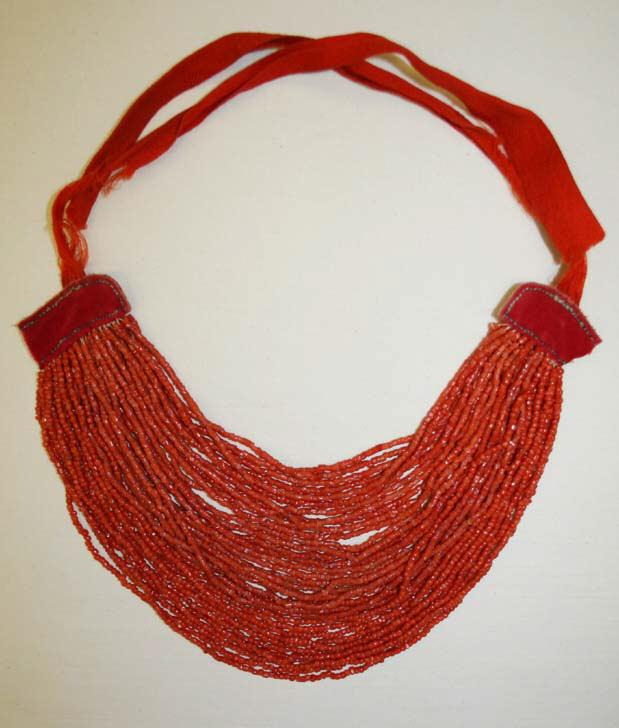
There are also calcareous coral reefs that grow off the coasts of the Philippines, Malaysia, and Japan. However, the quality of the coral harvested from these locations rarely matches that of their Mediterranean cousins. As such, coral from seas in the East is generally more affordable.
Color Treatment Reduces the Value of Calcareous Coral and Many Imitations Exist
As high-quality red and pink calcareous coral is rare, people sometimes resort to color treatments to increase the value of white, cream, and pale pink stones. Most commonly, dyes are used to create and deepen pink and red hues. These dyes are not permanent and can be removed using solvents like acetone. Treated red and pink gems are less valuable than naturally colored samples.
Also, experts warn that calcareous coral is one of the most imitated gemstone varieties. You will find plastic, glass, porcelain, dyed bone, and something called Gilson imitation coral, which is made from silica and calcite.
Conchiolin Coral
While calcareous coral creates its exoskeleton using inorganic minerals, conchiolin coral builds its reefs using proteins. You can find conchiolin coral in just a few remote places, specifically the coasts of Australia and the island of Tasmania, as well as Hawaii.
Conchiolin coral has a lower profile in terms of public awareness than calcareous coral because it only grows in limited quantities in relatively isolated locations. Mediterranean coral had the advantage of growing in a highly populated area with trade routes extending thousands of miles.
Black, Brown, and Gold Are the Colors of Conchiolin Coral
Conchiolin coral is black, dark brown, or a brownish yellow that is called gold. Black coral, sometimes called "akabar" or "king's" coral, is the more common of the two varieties and is found off the coasts of Queensland, Australia and Hawaii. Some of these gems will have a golden sheen under reflected lighting conditions. The rare golden coral grows around Tasmania and Hawaii. Following the predictable trend of rarity equaling higher value, high-quality golden coral can be more expensive than black.
Unlike the wavy texture of calcareous coral, conchiolin coral grows more like a tree with concentric circles, which can be visible to the naked eye.

Black Coral Can be Bleached to Achieve a More Valuable Golden Hue
It is possible to bleach black coral to achieve an attractive golden color. This treatment is permanent, but it does affect the texture of the coral, making it a bit coarser. As you would expect, treated golden coral is markedly less valuable than a natural product.
Both Coral Varieties are a Protected Natural Resource
There are numerous laws and international agreements that protect the world's coral population by restricting or prohibiting harvesting activity. This is essential as reefs are important ecosystems that are easily damaged.
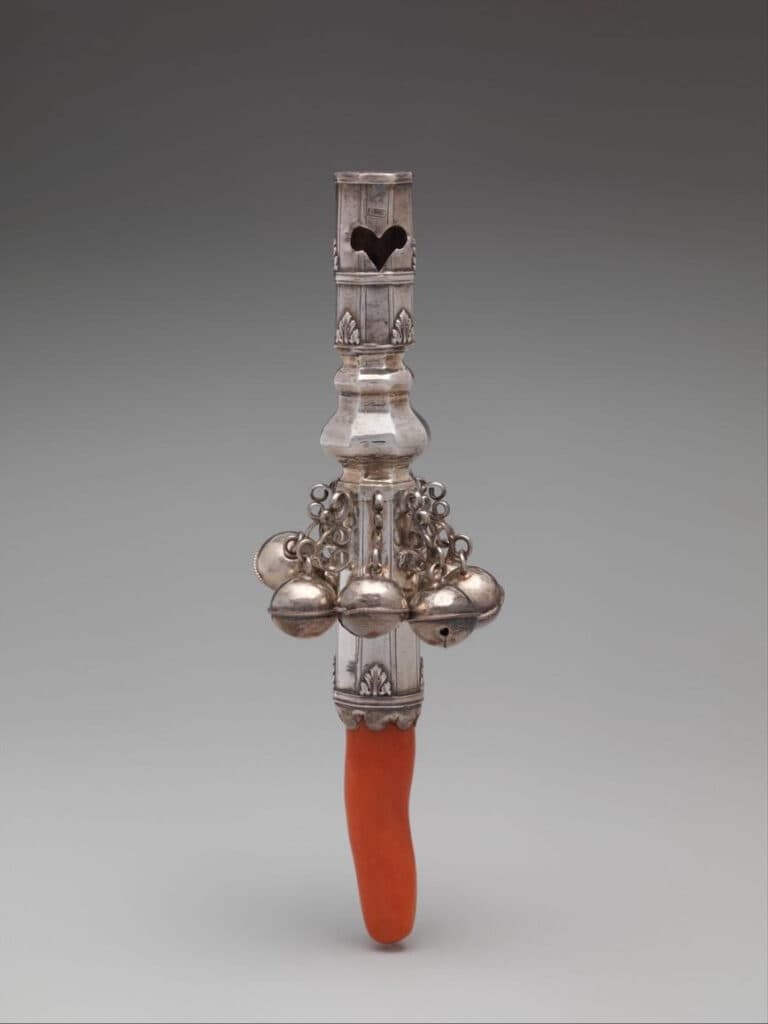
As a result of the supply chain being so tightly controlled, the creation of new coral jewelry is limited, and you won't find it in regular brick-and-mortar stores. Rather, most of the coral available for purchase is set in antique jewelry, harvested and processed before environmental laws were put in place. Such jewelry features beads and cabochons. The most expensive coral has been carved, often as cameos. The better the quality of the carving, the more expensive the item.

Calcareous and Conchiolin Coral Can Be Treated to Improve Durability
Corals are quite soft and don't score higher than a 4 on the Mohs scale. Lower-quality coral is particularly porous and fragile. Wax impregnation, a process that both increases hardness and protects the porous surface from absorbing external contaminants, is a popular durability-increasing treatment. Wax-impregnated coral, generally being of lower quality in the first place, is less valuable than higher-grade untreated coral.
Related Articles
Relationship Between the Price of Gold and the Price of Your Jewelry
Managing Your Time Horizon for Gem Buying and Selling

Evaluating Market Risk for Gemstones
Product Review, Opal Smart Chart
Latest Articles

800 Years of Mogok: A Celebration in Tenuous Times
What is the Average Gemstone Faceting Yield?
Pyroxmangite Value, Price, and Jewelry Information
How to Identify Emerald Simulants and Synthetics

Never Stop Learning
When you join the IGS community, you get trusted diamond & gemstone information when you need it.