8 Minute Read
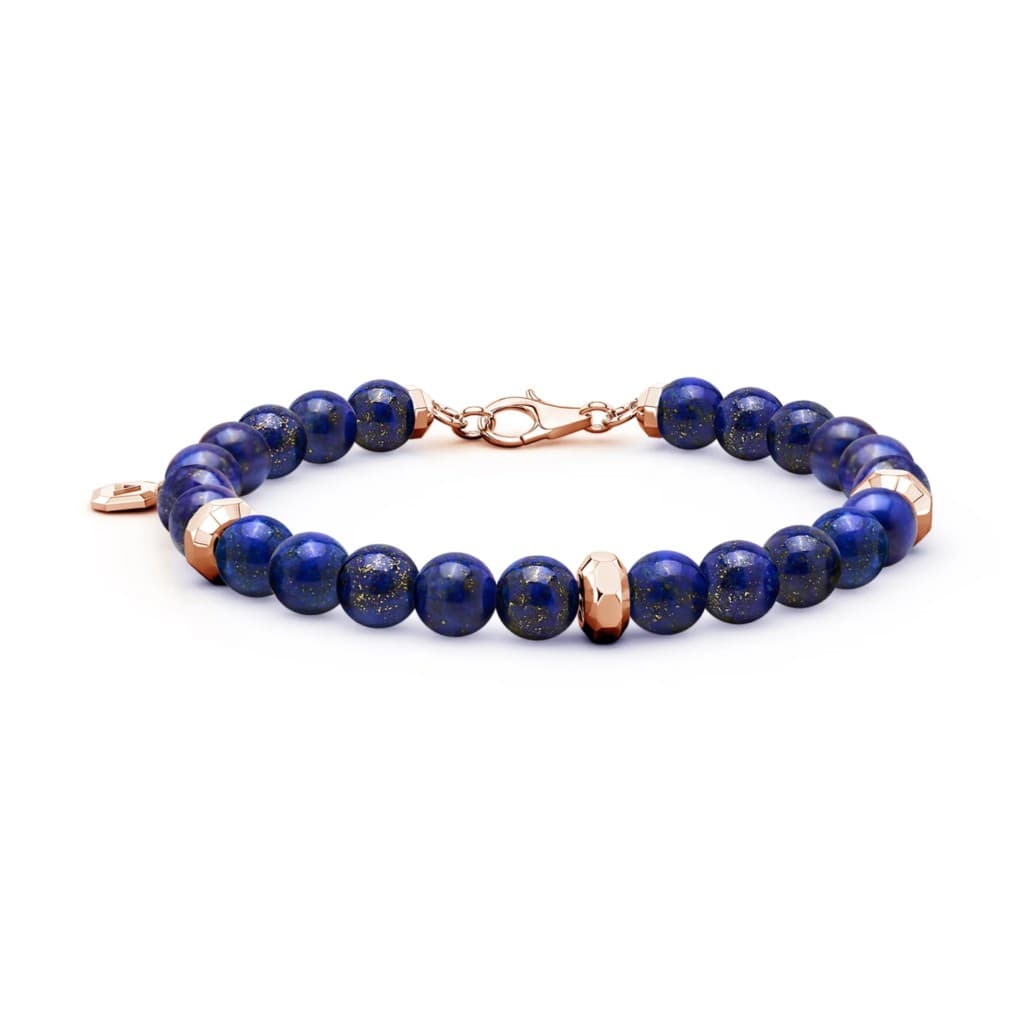
Opaque gemstones have a different kind of beauty than their sparkly transparent counterparts. They are solid and powerful, evaluated on the quality of their innate color expression that is not enhanced by mathematically perfected faceting techniques. Fine lapis lazuli is one of the most expensive opaque gemstones on the market.
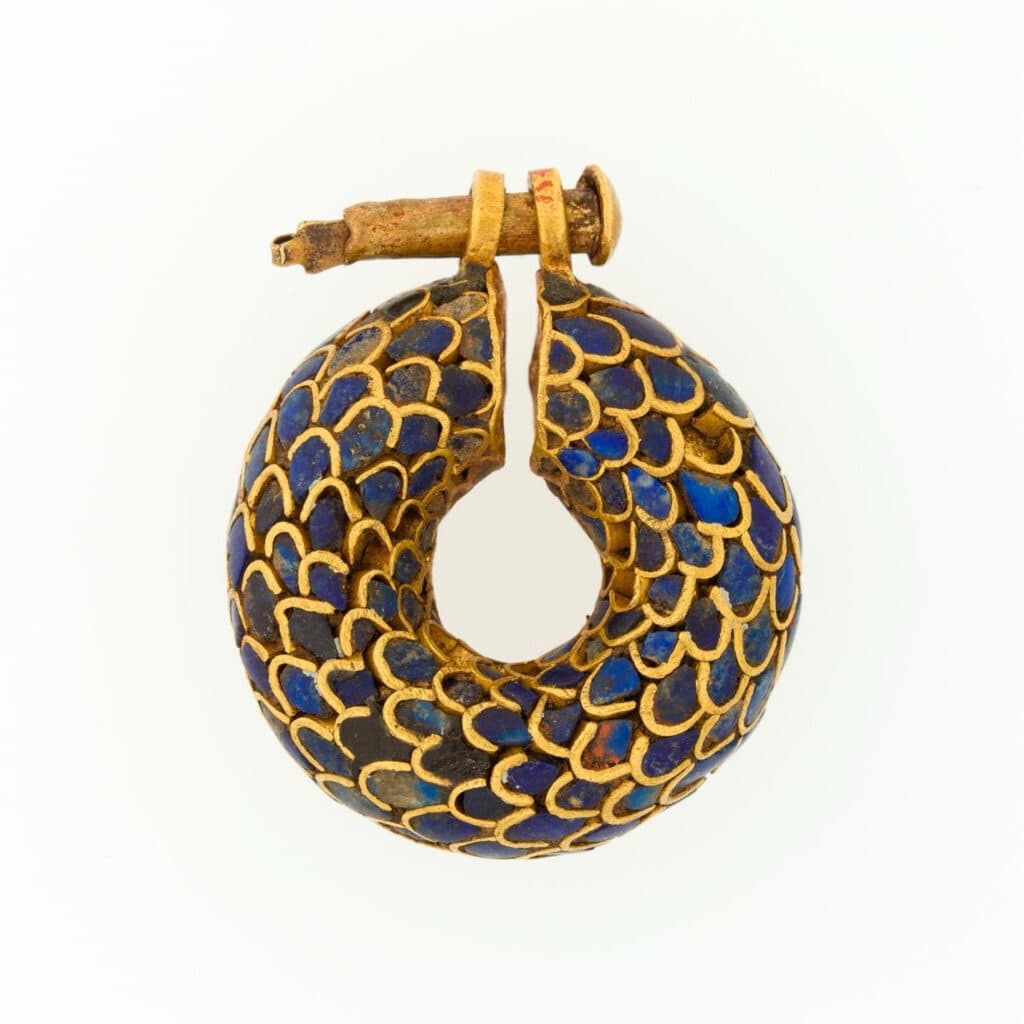
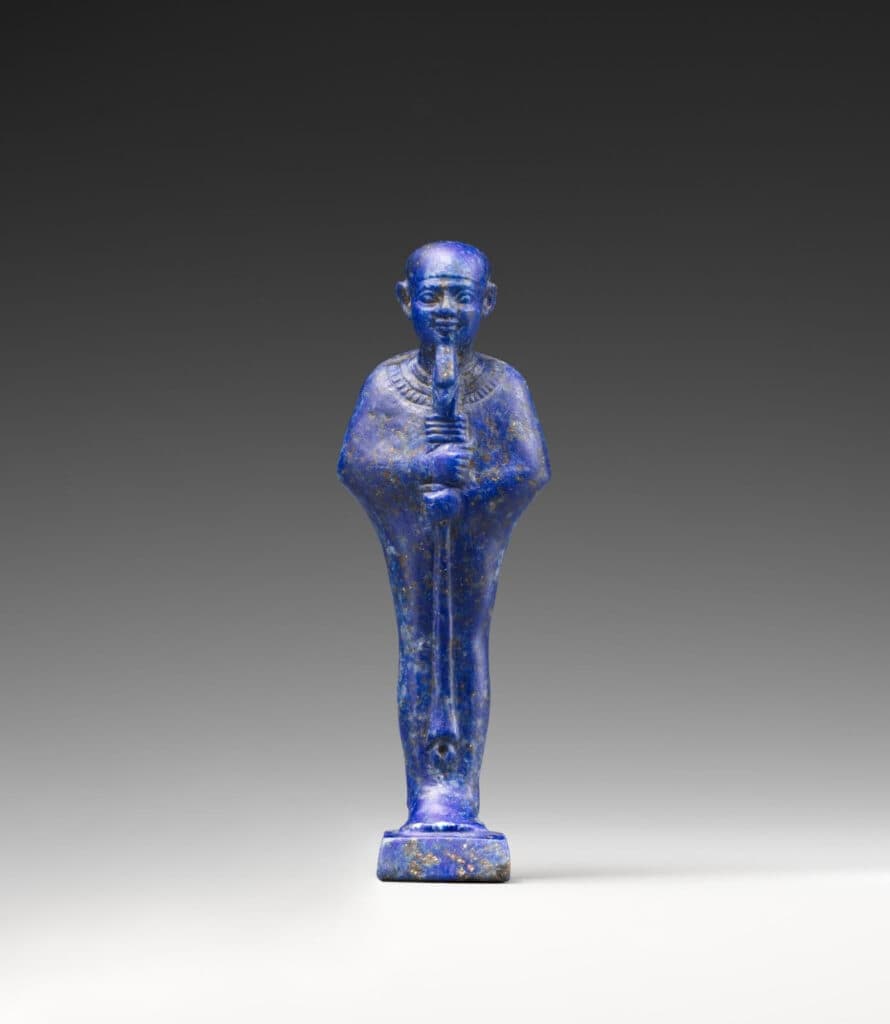
Archeological evidence shows that humans have mined lapis lazuli for more than 6,500 years and found multiple uses for it beyond simple physical adornment. Pulverized lapis was used to create a deep, very valuable pigment called "ultramarine" used for centuries by artists and illustrators for important projects. This dust was also added to ancient cosmetics. Larger lapis stones were carved into figurines while smaller pieces were set in vibrant mosaics. Wealthy consumers even commissioned ordinary objects like board games, hair combs, and bowls to be fashioned from the luxury material.
Today, lapis remains one of the most high-profile opaque gemstones. Let's explore what factors knowledgeable collectors value most.
Technically speaking, lapis lazuli is classified as a rock, which means that it is an aggregate of multiple mineral crystals bound together. The exact combination you see is extremely site specific, not only does the material from various deposits appear different, stones that grew adjacent to each other can have different mineral veins running through them.
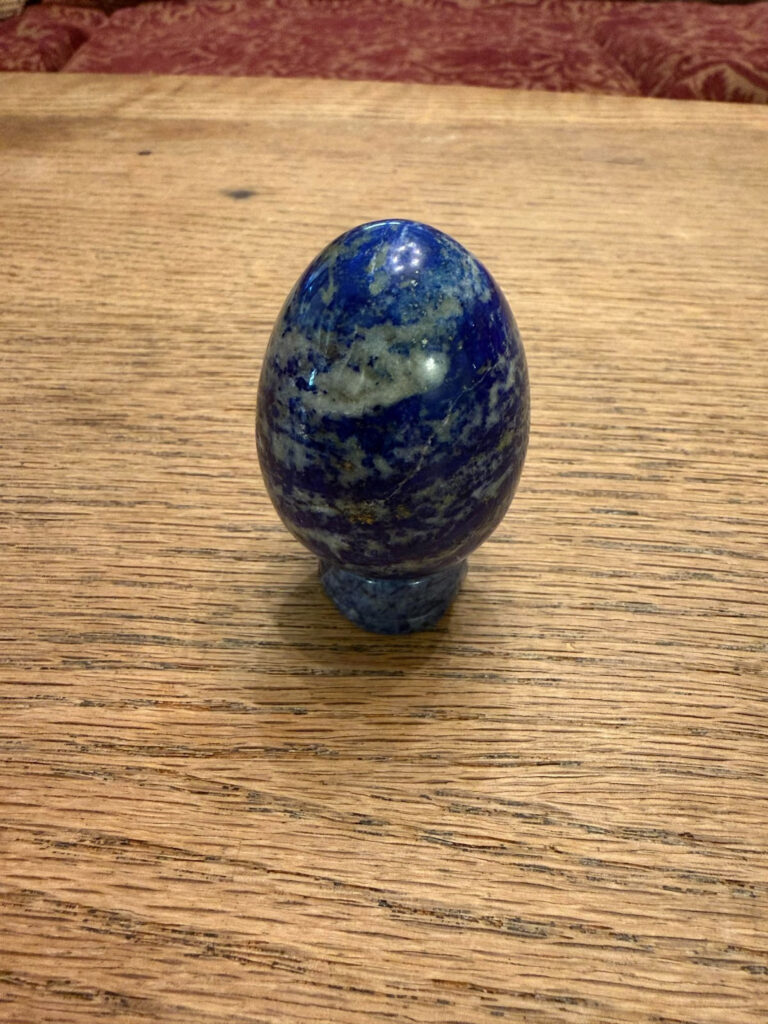
There are three primary minerals that combine to create lapis lazuli rocks: lazurite, calcite, and pyrite. If present, afghanite will create a paler blue color. You may also find other mineralogical ingredients mixed in such as feldspar, mica, amphibole, and diopside. Additionally, some lapis chunks contain bits of their host rock which is a whitish calcite material. With so many components, you can understand why valuing individual pieces of lapis requires thoughtful consideration.
The most expensive lapis has a very specific color which is a highly saturated violetish blue with medium to dark tone. Lapis lazuli gets its characteristic blue color from lazurite - the more of that mineral is present, the deeper the blue hue. Collectors look for gems which have this ideal blue color evenly distributed throughout the gem. Gems that have a greenish tint are less expensive, as are paler blue stones with a chalky appearance.
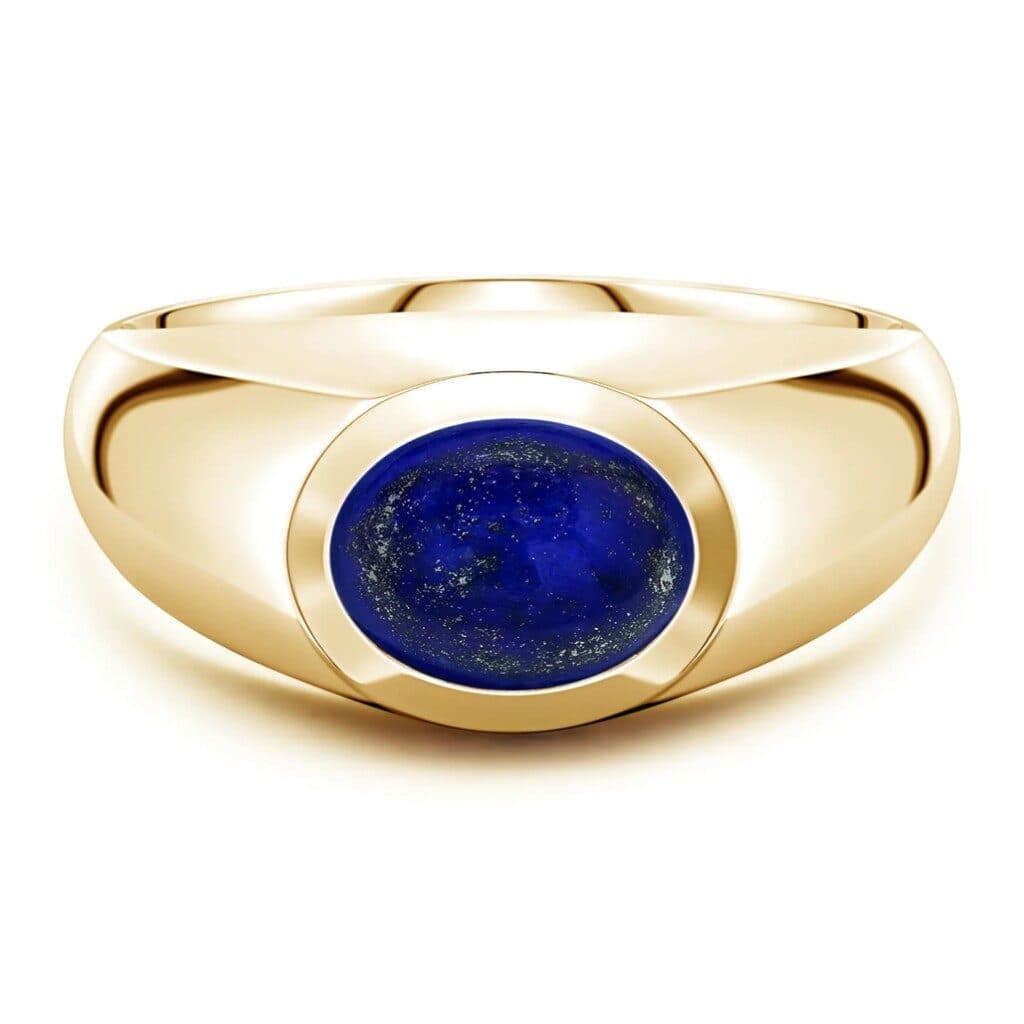
When shopping for lapis, you may find the blue color referred to by a number of different descriptors including "royal", "marine", "midnight", "denim", and "indigo". With so many terms at play, it is important that you see the stone firsthand, or at least a high-quality image, before making an important purchase.
Finding lapis stones that are a pure blue is extremely rare which contributes to their value. Most stones contain bits of their host rock and other minerals.
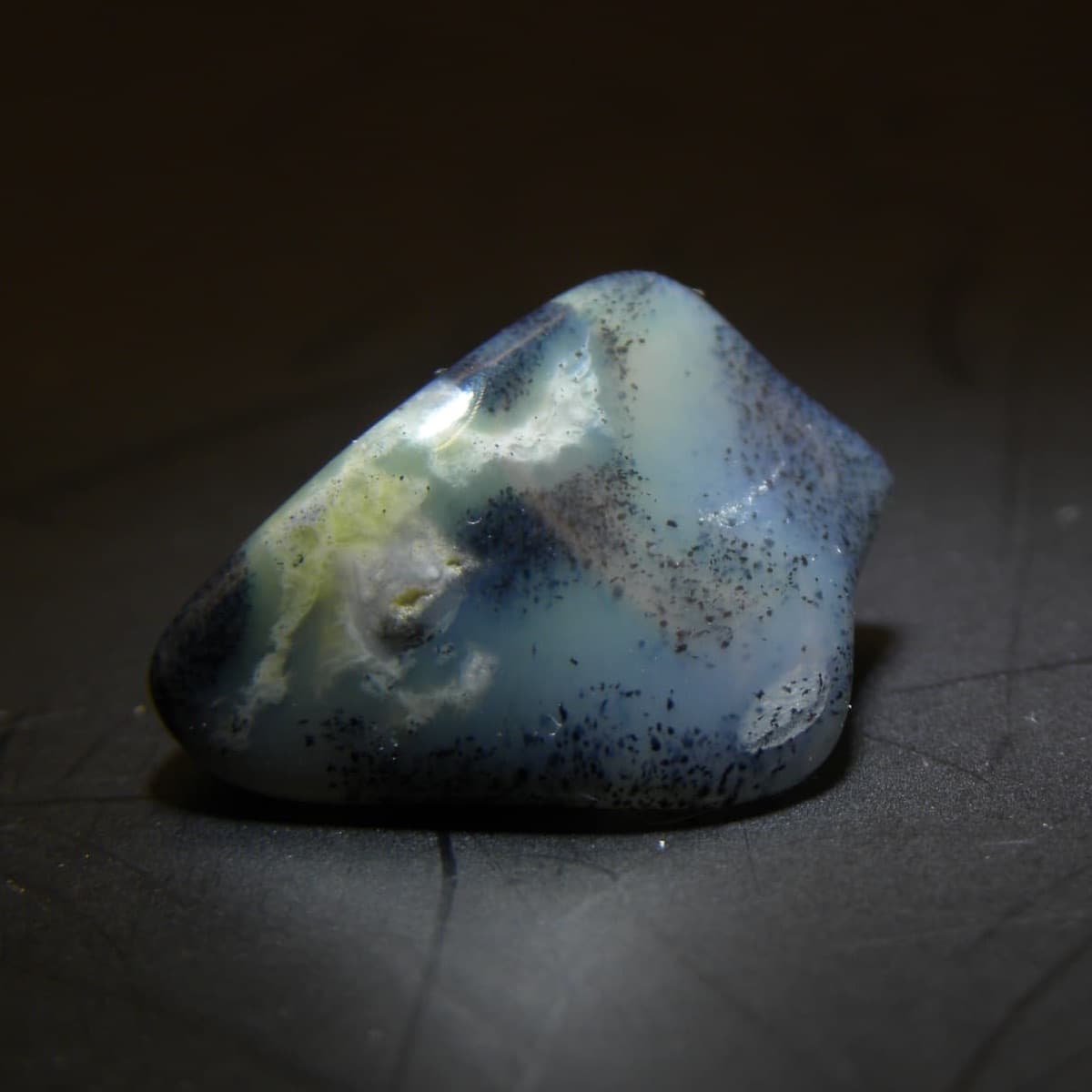
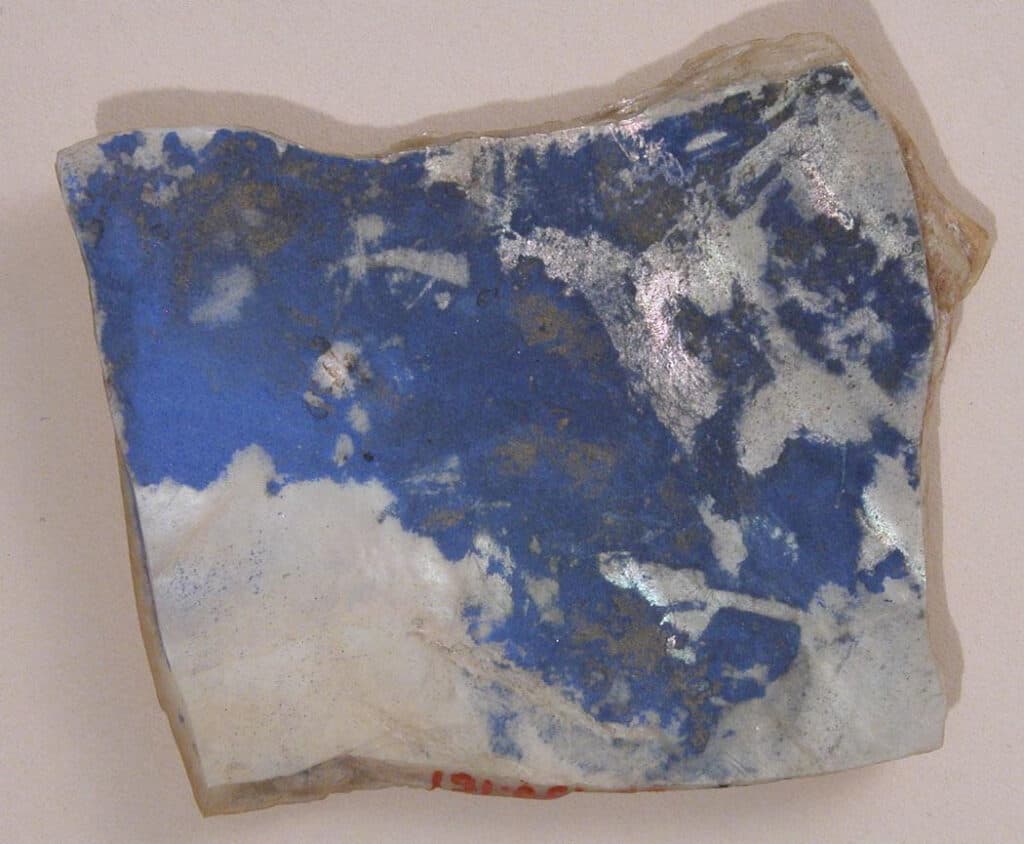
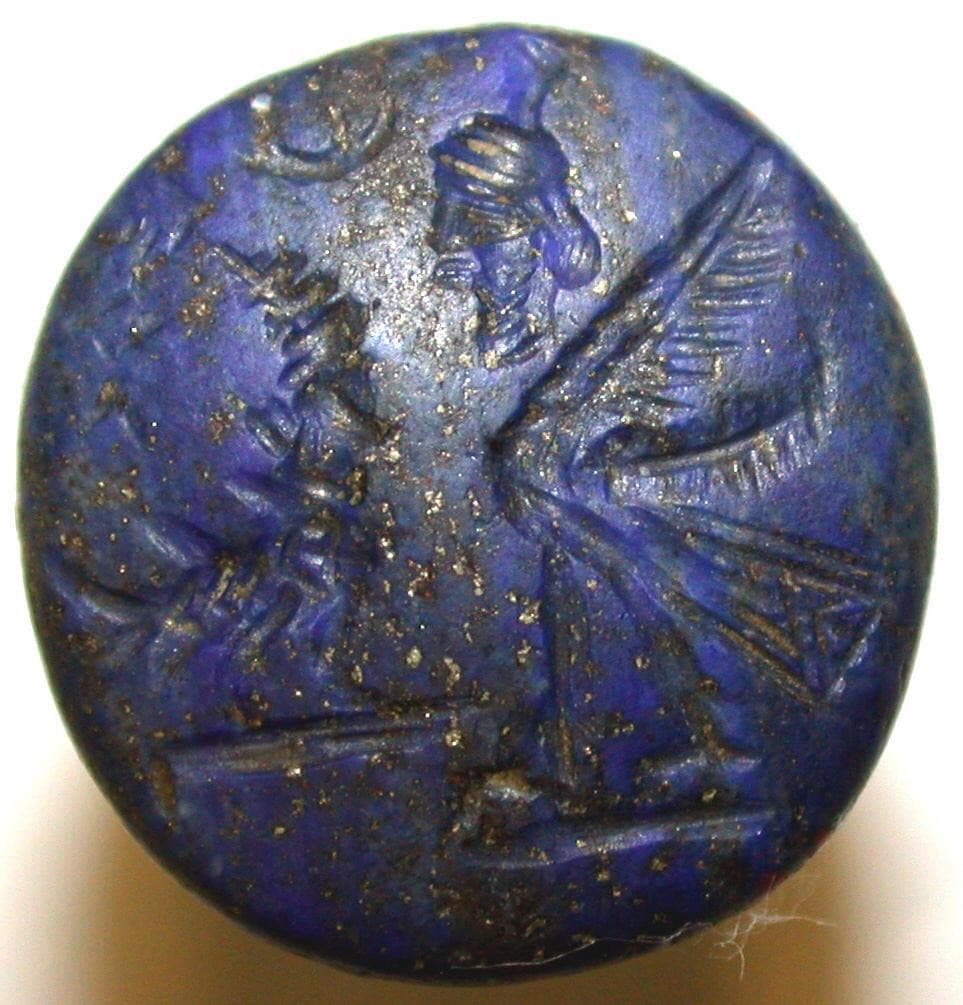
A common inclusion which negatively impacts clarity is the calcite host rock in which the lapis grew. This looks like white clumps or veins running through the gem, and the presence of any amount lowers value. The other common inclusion is pyrite which appears as small metallic flecks. Some buyers prefer gems that have a few glittery specs sprinkled throughout, so it will not lower value unless there is an excessive amount clumped together unattractively.
As lapis is an aggregate rock with a mix of mineral components, it should come as no surprise that the different deposits around the world are associated with specific traits which have their own value ranges. Locations like Angola, Canada, the US state of Colorado, and Pakistan are contributors to the global supply chain, but there are three places which are especially famous for their lapis: Afghanistan, Russia/Siberia, and Chile.
There are three trade names associated with the Afghan deposit which describe the range of stones housed there.

A note of caution, the usage of the above terms is not standardized. Some use the geographic names to specify that their gems are from that location. Others use them as trade names to describe color. When in doubt, don't be scared to ask specifically how a term is being used.
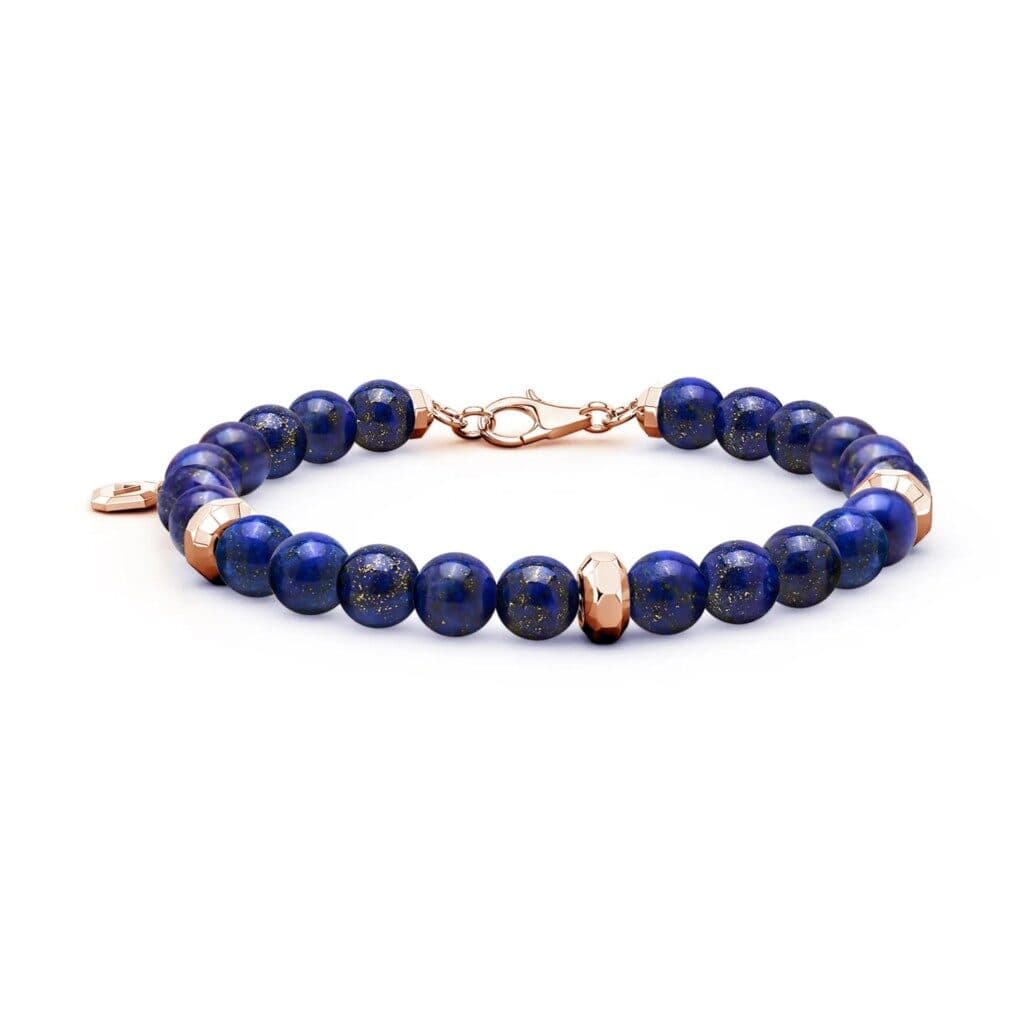
Miners commonly extract lapis as large boulders, so there is no rarity of large gems on the market. This means that carat weight does not have a sizable influence on value. There are plenty of beads, cabochons, and flat tablets to be found in all shapes and sizes, and you will find that it is the quality of the color that matters far more than heft.
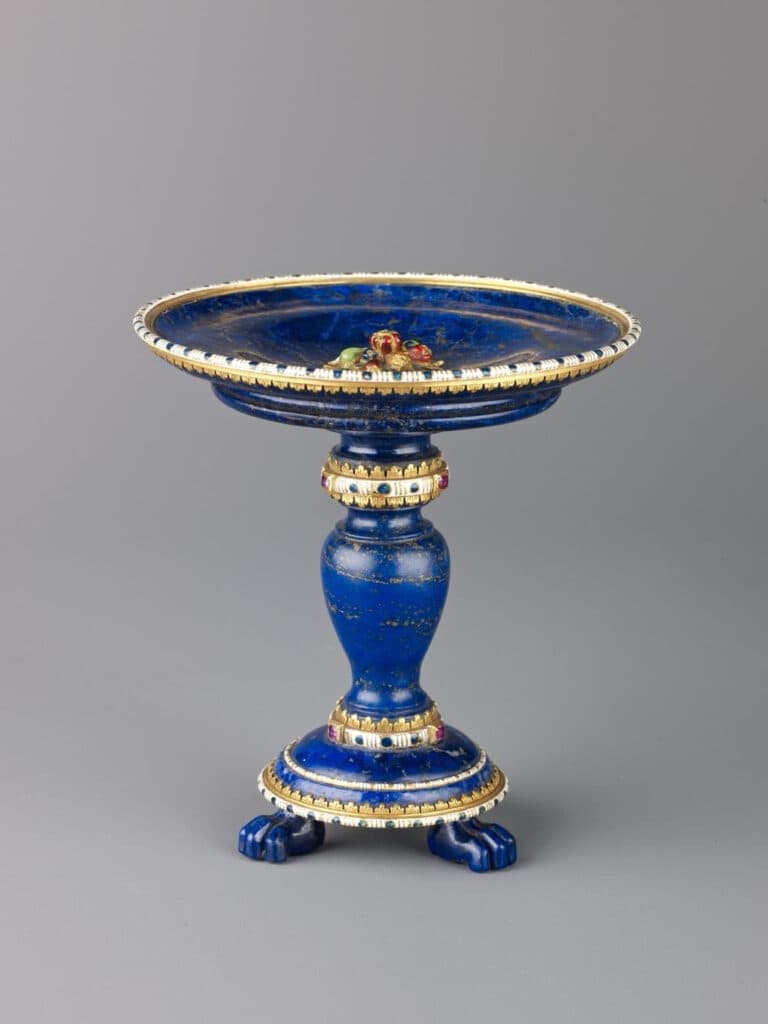
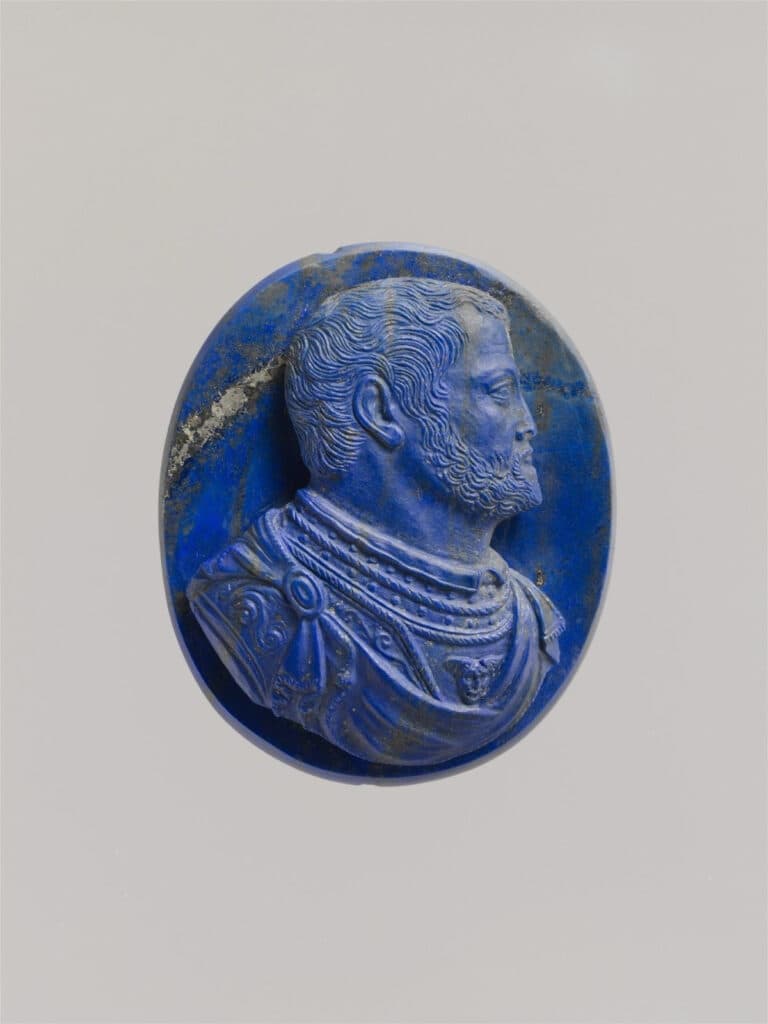
Lapis that has been carved is a different story. Both the skill of the cutter and the complexity of their design will most certainly affect value. Cabochons that have intricate details on their curved domes or tablets with delicate decorative motifs on their surfaces are more expensive than plain specimens. Such impressive pieces of art are often set in high-value metals alongside other gemstones, adding even more value to finished jewelry.
The value of Afghan lapis has sometimes been turbulent since the 1980s due to various social and political events. Fortunately, the international market stabilized when good-quality material from the Blue Wrinkle Mine in Colorado became readily available. The deposit was discovered back in 1939, but the modern period of active mining activity began in 1998. Less than a year later, two new colors were announced - "cornflower" which was a gentle blue and a dark blue-black.
There are a number of ways to make a low-quality lapis look more like the ideal. Unfortunately, none of these treatments are permanent and, since they hide the true nature of the stone, they subtract from the value.
Stones containing calcite and general uneven coloration can be dyed to produce a better blue. Sometimes this means coloring the whole gem, but it is also possible to apply dye only to problem areas. Gems with a strong green component can be exposed to low-grade heating which reduces the undesirable hue and enhances blue. These stones can then subsequently be dyed. In both cases, simple exposure to common solvents like nail polish remover and alcohol will dissolve the artificial color. To guard against this, dyed lapis is sometimes coated with a wax or plastic material. However, these will also degenerate over time and both solvents and heat will speed along the process.
Undyed lapis that has a pitted surface or dull appearance may be impregnated with wax or oil to increase its uniformity and shine. Unfortunately, this treatment is also only a temporary fix.
To best maintain the look of treated lapis jewelry, be sure to remove it when handling any household chemicals. Only use room temperature soapy water with a soft cloth to clean the surface of stones. Ultrasonic cleaners and steamer machines should always be avoided.

When you join the IGS community, you get trusted diamond & gemstone information when you need it.
Opaque gemstones have a different kind of beauty than their sparkly transparent counterparts. They are solid and powerful, evaluated on the quality of their innate color expression that is not enhanced by mathematically perfected faceting techniques. Fine lapis lazuli is one of the most expensive opaque gemstones on the market.
Archeological evidence shows that humans have mined lapis lazuli for more than 6,500 years and found multiple uses for it beyond simple physical adornment. Pulverized lapis was used to create a deep, very valuable pigment called "ultramarine" used for centuries by artists and illustrators for important projects. This dust was also added to ancient cosmetics. Larger lapis stones were carved into figurines while smaller pieces were set in vibrant mosaics. Wealthy consumers even commissioned ordinary objects like board games, hair combs, and bowls to be fashioned from the luxury material.
Today, lapis remains one of the most high-profile opaque gemstones. Let's explore what factors knowledgeable collectors value most.
Technically speaking, lapis lazuli is classified as a rock, which means that it is an aggregate of multiple mineral crystals bound together. The exact combination you see is extremely site specific, not only does the material from various deposits appear different, stones that grew adjacent to each other can have different mineral veins running through them.
There are three primary minerals that combine to create lapis lazuli rocks: lazurite, calcite, and pyrite. If present, afghanite will create a paler blue color. You may also find other mineralogical ingredients mixed in such as feldspar, mica, amphibole, and diopside. Additionally, some lapis chunks contain bits of their host rock which is a whitish calcite material. With so many components, you can understand why valuing individual pieces of lapis requires thoughtful consideration.
The most expensive lapis has a very specific color which is a highly saturated violetish blue with medium to dark tone. Lapis lazuli gets its characteristic blue color from lazurite - the more of that mineral is present, the deeper the blue hue. Collectors look for gems which have this ideal blue color evenly distributed throughout the gem. Gems that have a greenish tint are less expensive, as are paler blue stones with a chalky appearance.
When shopping for lapis, you may find the blue color referred to by a number of different descriptors including "royal", "marine", "midnight", "denim", and "indigo". With so many terms at play, it is important that you see the stone firsthand, or at least a high-quality image, before making an important purchase.
Finding lapis stones that are a pure blue is extremely rare which contributes to their value. Most stones contain bits of their host rock and other minerals.
A common inclusion which negatively impacts clarity is the calcite host rock in which the lapis grew. This looks like white clumps or veins running through the gem, and the presence of any amount lowers value. The other common inclusion is pyrite which appears as small metallic flecks. Some buyers prefer gems that have a few glittery specs sprinkled throughout, so it will not lower value unless there is an excessive amount clumped together unattractively.
As lapis is an aggregate rock with a mix of mineral components, it should come as no surprise that the different deposits around the world are associated with specific traits which have their own value ranges. Locations like Angola, Canada, the US state of Colorado, and Pakistan are contributors to the global supply chain, but there are three places which are especially famous for their lapis: Afghanistan, Russia/Siberia, and Chile.
There are three trade names associated with the Afghan deposit which describe the range of stones housed there.
A note of caution, the usage of the above terms is not standardized. Some use the geographic names to specify that their gems are from that location. Others use them as trade names to describe color. When in doubt, don't be scared to ask specifically how a term is being used.
Miners commonly extract lapis as large boulders, so there is no rarity of large gems on the market. This means that carat weight does not have a sizable influence on value. There are plenty of beads, cabochons, and flat tablets to be found in all shapes and sizes, and you will find that it is the quality of the color that matters far more than heft.
Lapis that has been carved is a different story. Both the skill of the cutter and the complexity of their design will most certainly affect value. Cabochons that have intricate details on their curved domes or tablets with delicate decorative motifs on their surfaces are more expensive than plain specimens. Such impressive pieces of art are often set in high-value metals alongside other gemstones, adding even more value to finished jewelry.
The value of Afghan lapis has sometimes been turbulent since the 1980s due to various social and political events. Fortunately, the international market stabilized when good-quality material from the Blue Wrinkle Mine in Colorado became readily available. The deposit was discovered back in 1939, but the modern period of active mining activity began in 1998. Less than a year later, two new colors were announced - "cornflower" which was a gentle blue and a dark blue-black.
There are a number of ways to make a low-quality lapis look more like the ideal. Unfortunately, none of these treatments are permanent and, since they hide the true nature of the stone, they subtract from the value.
Stones containing calcite and general uneven coloration can be dyed to produce a better blue. Sometimes this means coloring the whole gem, but it is also possible to apply dye only to problem areas. Gems with a strong green component can be exposed to low-grade heating which reduces the undesirable hue and enhances blue. These stones can then subsequently be dyed. In both cases, simple exposure to common solvents like nail polish remover and alcohol will dissolve the artificial color. To guard against this, dyed lapis is sometimes coated with a wax or plastic material. However, these will also degenerate over time and both solvents and heat will speed along the process.
Undyed lapis that has a pitted surface or dull appearance may be impregnated with wax or oil to increase its uniformity and shine. Unfortunately, this treatment is also only a temporary fix.
To best maintain the look of treated lapis jewelry, be sure to remove it when handling any household chemicals. Only use room temperature soapy water with a soft cloth to clean the surface of stones. Ultrasonic cleaners and steamer machines should always be avoided.