6 Minute Read
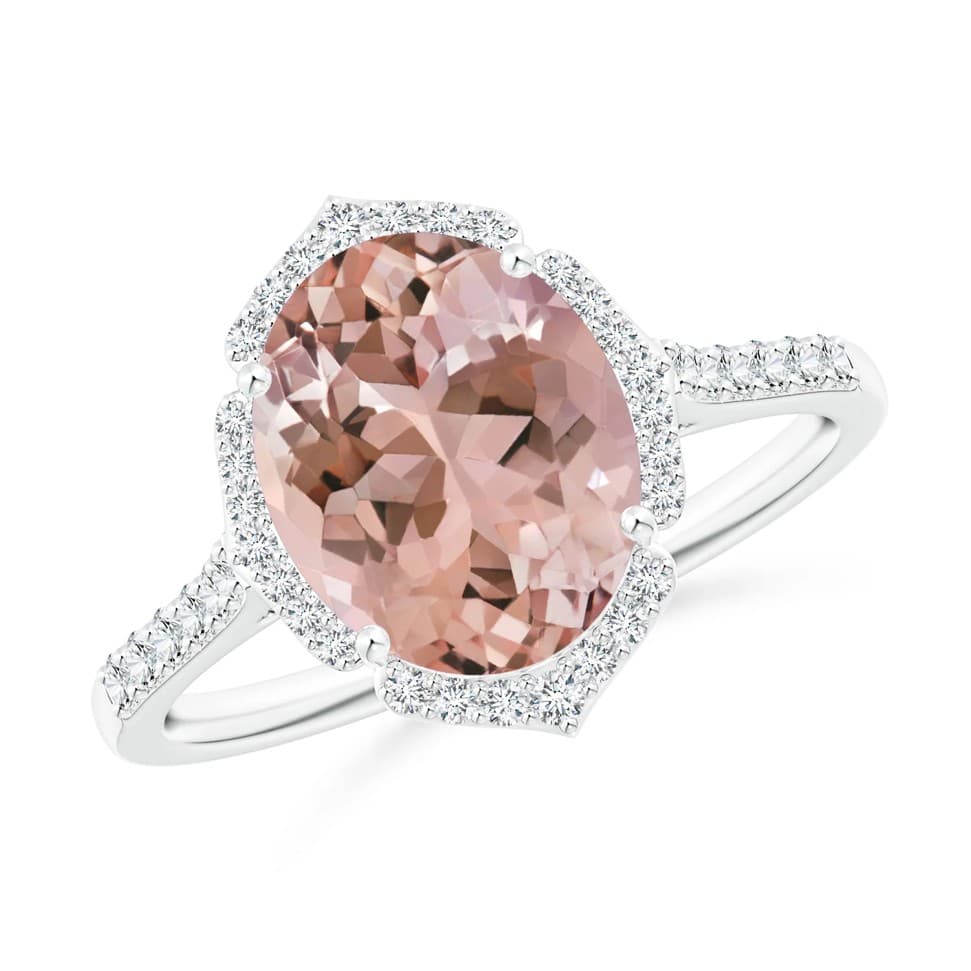
The beryl gem group contains quite a few famous species including emerald and aquamarine. However, not all beryl gems are well-known to the general public. Morganite is a gently tinted pleochroic beryl variety which sports a pink or orange pink color from one angle and a bluish pink appearance from another.
The first recorded discovery of morganite was announced in 1911 when Tiffany & Co.'s colored gemstone specialist George Kunz identified the new species mined in Madagascar. Kunz named this new gem for the famed financier J.P. Morgan who was a generous supporter of the field of gemology. Today, faceted morganite gems are available in many different sizes and shapes, yet there has not been a concerted marketing push advertising the attributes of this pretty and durable gem. This works to the advantage of those who are familiar morganite because the relative anonymity keeps per-carat values from ballooning upwards.
Cutting raw pleochroic gems of any species always requires thoughtful consideration that is mindful of what attributes the end consumer is drawn to. Most buyers of morganite gems prefer the pure pink and blended orange pink hues over the bluish pink. Thus, the vast majority of faceted morganites are oriented to show off the lighter pink hues.
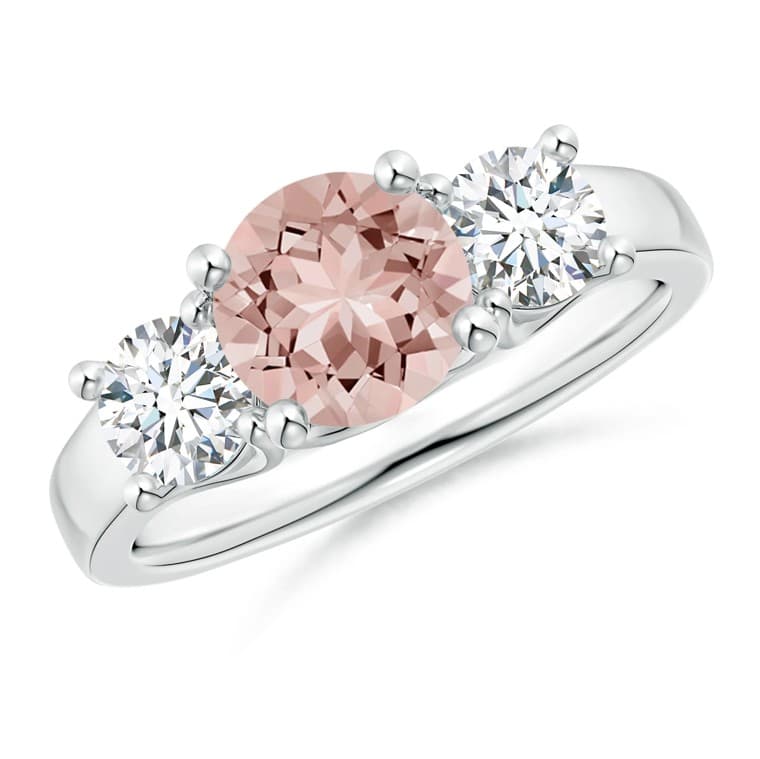
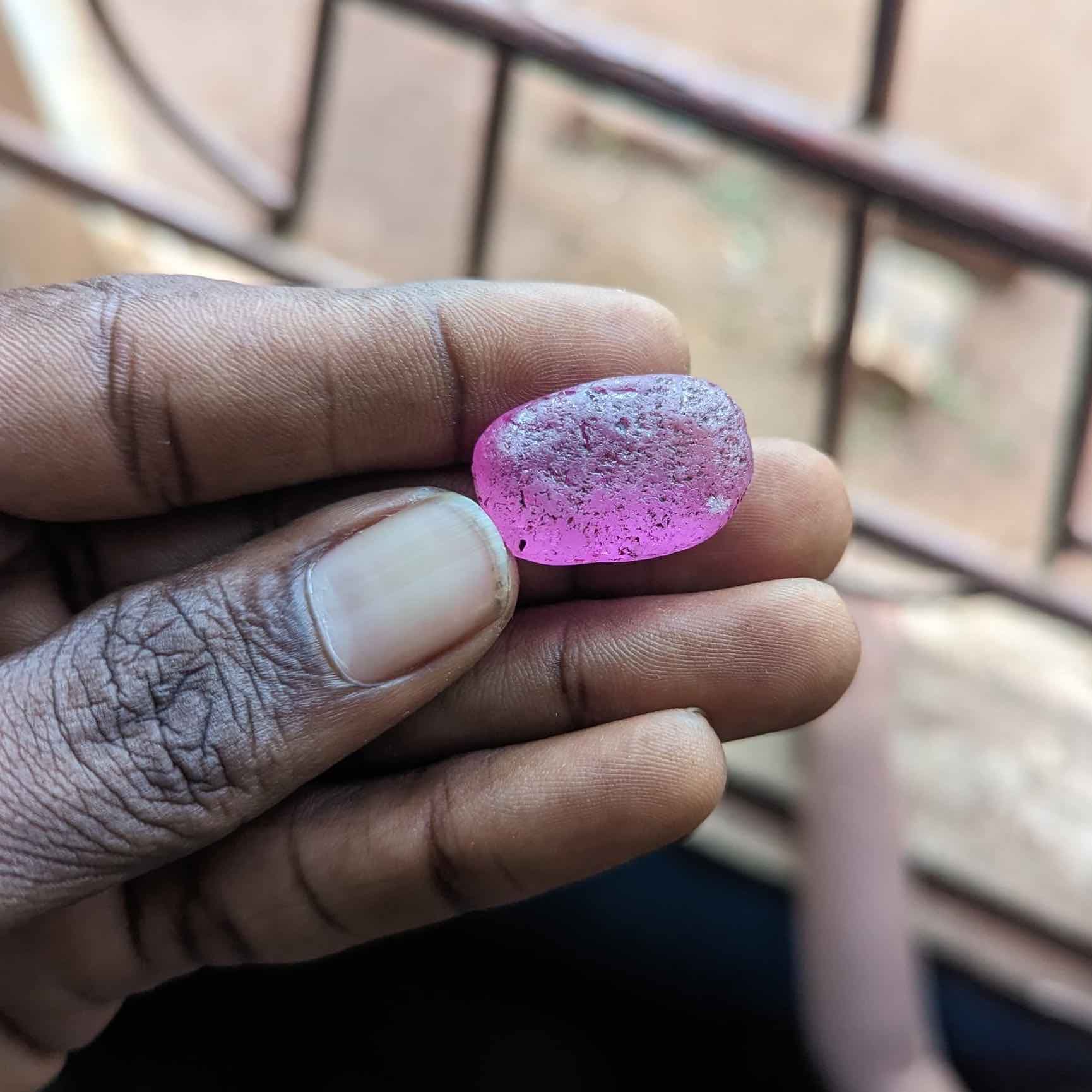
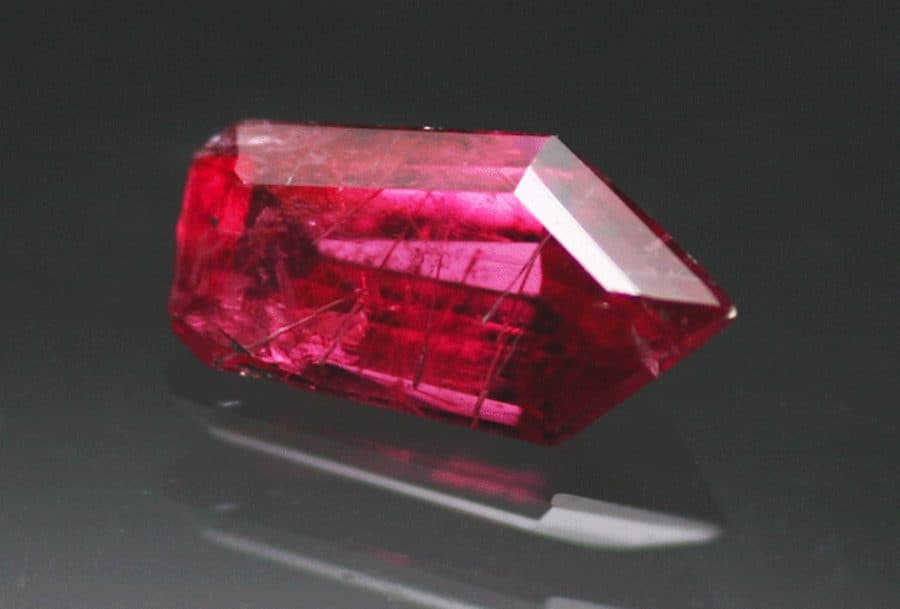
The full potential color range when looking at the pink orientation is quite narrow, spanning from pure pink to orange-pink. Although this range is tight, knowledgeable buyers are very picky about the exact shade they prefer. Some gravitate towards rosy pinks with just a hint of orange. Others seek gems with a more orangy color often called "salmon". That being said, pricing trends clearly show that the most valuable morganite is a saturated pure pink color some describe as "magenta".
In addition to being the most valuable color, well-saturated pure pink is also rare. Fortunately, morganite is one of several gemstones species which responds very well to heat treatment. When exposed to higher temperatures, yellow and orange hues are greatly reduced, even eliminated entirely. The crystal structure is so unaffected by heat that it is often impossible to tell if a stone has been treated after the fact. Typically, when viewing a selection of morganite, you can assume that the gems have been treated and this has been factored into the final valuation. Rest assured, the effects of heat treatment are stable and permanent.
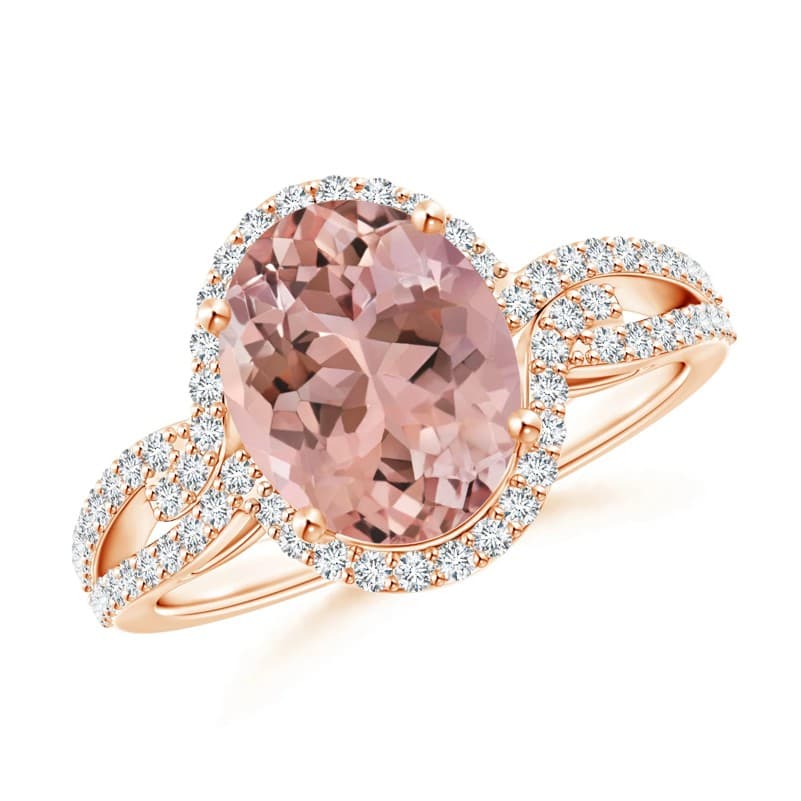
Just because you can't tell if a morganite has been heated doesn't mean that it isn't something sellers keep track of. While many prefer pure pink color and don't mind that the appearance of the gem has been altered, there is a dedicated subset of morganite buyers who prize untreated stones both for their color and because such gems are in their natural state.
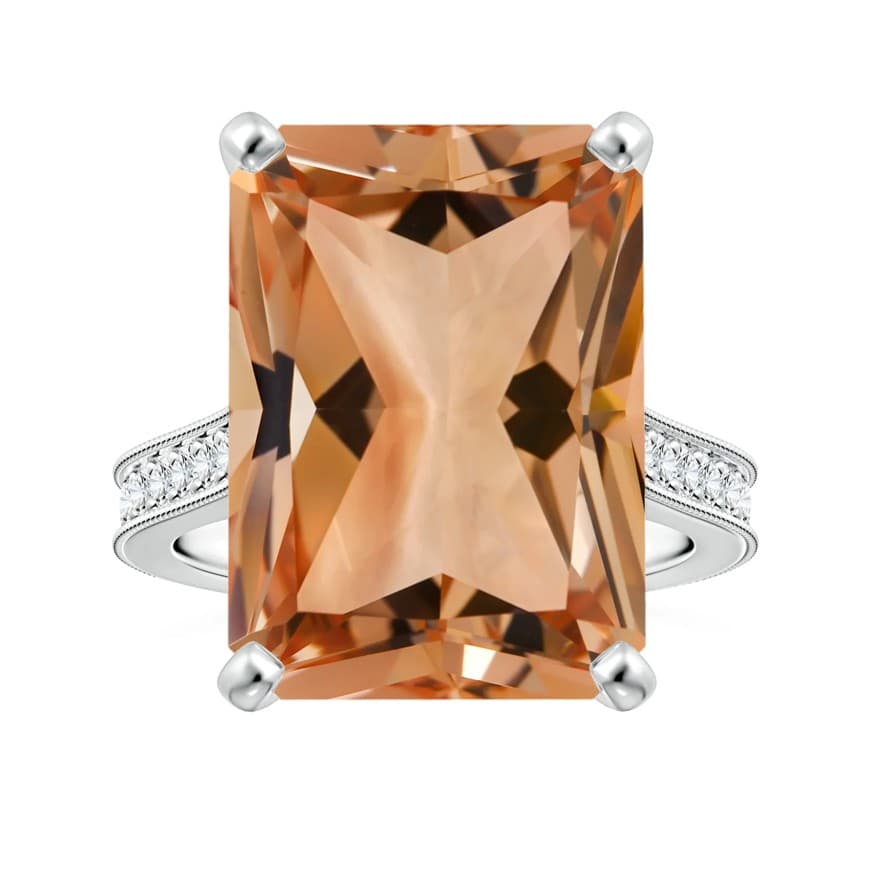
As always, how you feel about the issue of treatments is up to you. The important thing is that sellers disclose whether their inventory has been treated so that any purchases that you make are based on accurate information.
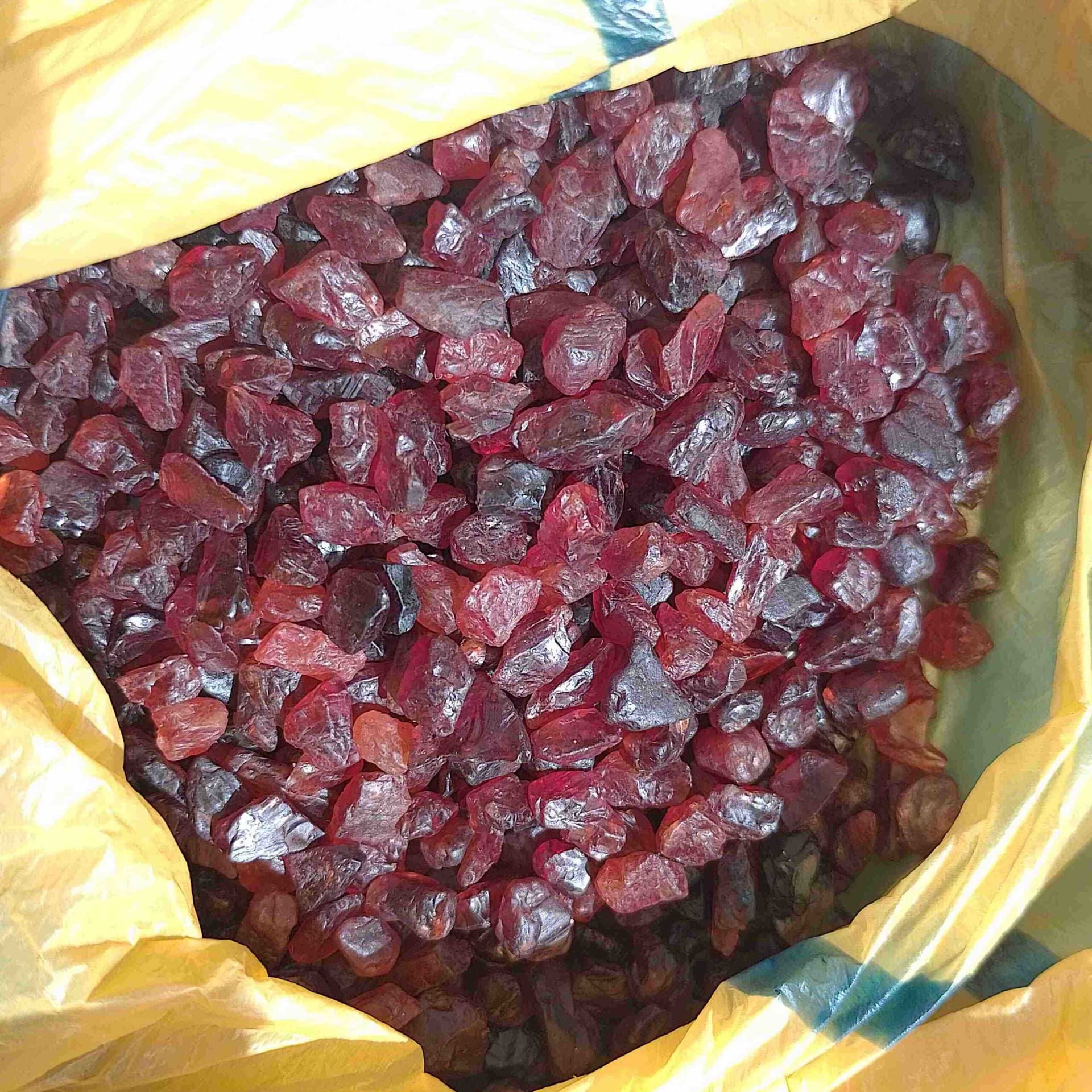
Raws morganite crystals coming out of the ground can be quite large, some weighing as much as 10 kilograms. While such gems are impressive to look at in a museum setting, jewelers can only set gems that are a reasonable size that is neither too heavy nor too bulky to be practical. In fact, the value of faceted morganite drops at weights exceeding twenty carats because they are too big for the majority of jewelry designs.
As large morganite crystals are not uncommon, carat weight alone does not significantly influence value. However, the color of morganite is concentrated by the depth of the stone. If, for example, a single crystal with uniform color is cut as one large gem and one smaller one, the color of the bigger stone would be darker and more saturated, thus more expensive, than the smaller one. So, technically speaking, your money goes towards purchasing the better color, not the carat weight.
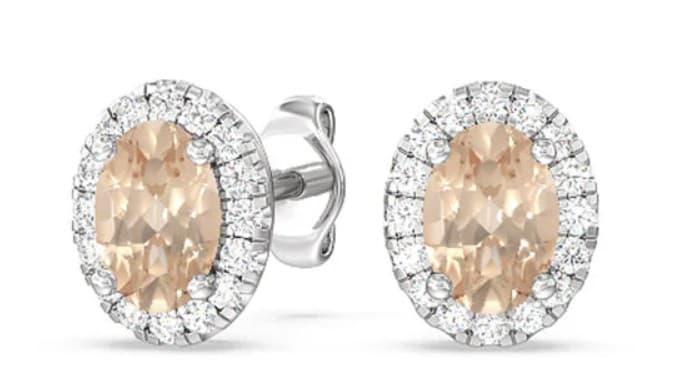
After color and whether or not it is the result of heat treatment, the next value characteristic people consider when evaluating morganite is clarity. Like its cousin aquamarine, morganite crystals are generally eye-clean, meaning you can't see any clarity features without magnification. This is true even of the largest crystals. As a result, gems with noticeable clarity features are sorted into lower pricing tiers.
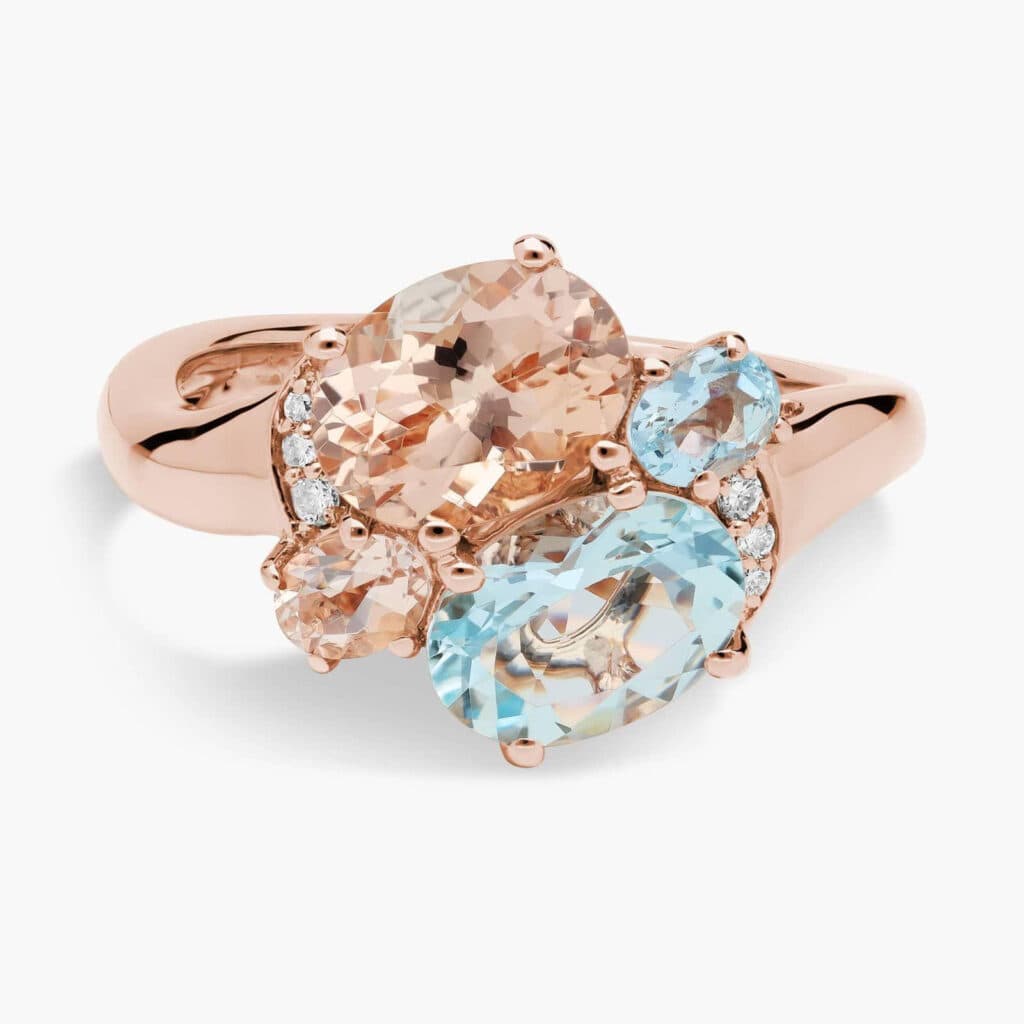
When presented with an included morganite crystal, cutters will often opt to invest less of their time into processing the stone, knowing that no matter how they facet it, it will sell at a discount. Accordingly, you will see lots of plain cabochons, simple carvings, and beads.
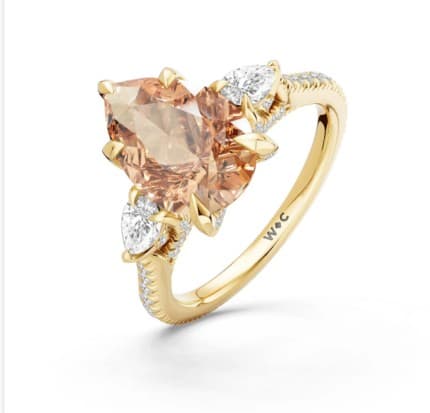
We spoke before about how cutters play with proportions to maximize the color expression. Because there isn't a rigid standard for proportions or faceting of morganite like there is for diamonds, cutters can take some liberties. In addition to the traditional shapes like rounds, ovals, and cushions, you can find lots of stones with unorthodox forms like elongated step-cuts and hearts with elaborate facets.
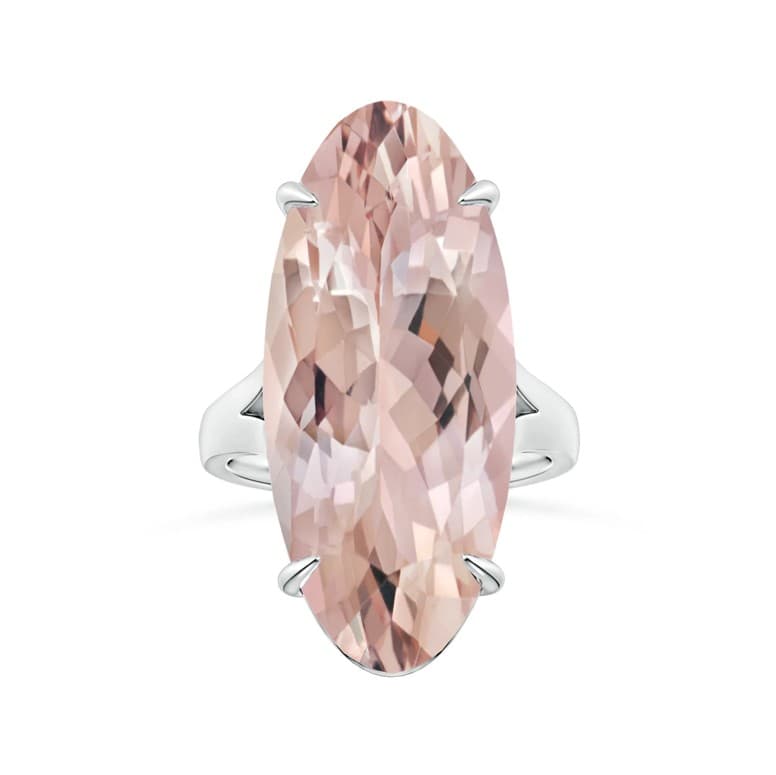
This process can be further exaggerated by skilled carvers who turn raw morganites into fantastical shapes with unconventional faceting arrangements. Some of the best artists even create one-of-a-kind pieces of art. When the skill of the cutter transforms a morganite crystal into something extraordinary, you can expect to pay a premium for that stone.

Morganite is classified as an allochromatic gem, meaning that its color comes from trace elements, specifically manganese. As you might expect, the various morganite deposit around the globe do have specific chemical makeups. While there is certainly overlap in the appearance of some morganite, some deposits are linked with certain traits.
The original source from Madagascar remains the gold standard with crystals sporting that deep magenta hue that fetches the highest price. Unfortunately, that deposit is largely mined out. Currently, Brazil is the leading source of morganite and the raw crystal recovered there are known for their large size.
Synthetic gemstones are attractive to buyers for their lower per-carat values paired with high-quality characteristics. The supply for fine morganite is steady and keeps up with the demand, so values are relatively affordable and stable. This means that the need for a lab-grown option is low. Yet, you will see some of these on the market. For those shopping for morganites with highly saturated colors on a budget, manmade gems are a great choice.


When you join the IGS community, you get trusted diamond & gemstone information when you need it.
The beryl gem group contains quite a few famous species including emerald and aquamarine. However, not all beryl gems are well-known to the general public. Morganite is a gently tinted pleochroic beryl variety which sports a pink or orange pink color from one angle and a bluish pink appearance from another.
The first recorded discovery of morganite was announced in 1911 when Tiffany & Co.'s colored gemstone specialist George Kunz identified the new species mined in Madagascar. Kunz named this new gem for the famed financier J.P. Morgan who was a generous supporter of the field of gemology. Today, faceted morganite gems are available in many different sizes and shapes, yet there has not been a concerted marketing push advertising the attributes of this pretty and durable gem. This works to the advantage of those who are familiar morganite because the relative anonymity keeps per-carat values from ballooning upwards.
Cutting raw pleochroic gems of any species always requires thoughtful consideration that is mindful of what attributes the end consumer is drawn to. Most buyers of morganite gems prefer the pure pink and blended orange pink hues over the bluish pink. Thus, the vast majority of faceted morganites are oriented to show off the lighter pink hues.
The full potential color range when looking at the pink orientation is quite narrow, spanning from pure pink to orange-pink. Although this range is tight, knowledgeable buyers are very picky about the exact shade they prefer. Some gravitate towards rosy pinks with just a hint of orange. Others seek gems with a more orangy color often called "salmon". That being said, pricing trends clearly show that the most valuable morganite is a saturated pure pink color some describe as "magenta".
In addition to being the most valuable color, well-saturated pure pink is also rare. Fortunately, morganite is one of several gemstones species which responds very well to heat treatment. When exposed to higher temperatures, yellow and orange hues are greatly reduced, even eliminated entirely. The crystal structure is so unaffected by heat that it is often impossible to tell if a stone has been treated after the fact. Typically, when viewing a selection of morganite, you can assume that the gems have been treated and this has been factored into the final valuation. Rest assured, the effects of heat treatment are stable and permanent.
Just because you can't tell if a morganite has been heated doesn't mean that it isn't something sellers keep track of. While many prefer pure pink color and don't mind that the appearance of the gem has been altered, there is a dedicated subset of morganite buyers who prize untreated stones both for their color and because such gems are in their natural state.
As always, how you feel about the issue of treatments is up to you. The important thing is that sellers disclose whether their inventory has been treated so that any purchases that you make are based on accurate information.
Raws morganite crystals coming out of the ground can be quite large, some weighing as much as 10 kilograms. While such gems are impressive to look at in a museum setting, jewelers can only set gems that are a reasonable size that is neither too heavy nor too bulky to be practical. In fact, the value of faceted morganite drops at weights exceeding twenty carats because they are too big for the majority of jewelry designs.
As large morganite crystals are not uncommon, carat weight alone does not significantly influence value. However, the color of morganite is concentrated by the depth of the stone. If, for example, a single crystal with uniform color is cut as one large gem and one smaller one, the color of the bigger stone would be darker and more saturated, thus more expensive, than the smaller one. So, technically speaking, your money goes towards purchasing the better color, not the carat weight.
After color and whether or not it is the result of heat treatment, the next value characteristic people consider when evaluating morganite is clarity. Like its cousin aquamarine, morganite crystals are generally eye-clean, meaning you can't see any clarity features without magnification. This is true even of the largest crystals. As a result, gems with noticeable clarity features are sorted into lower pricing tiers.
When presented with an included morganite crystal, cutters will often opt to invest less of their time into processing the stone, knowing that no matter how they facet it, it will sell at a discount. Accordingly, you will see lots of plain cabochons, simple carvings, and beads.
We spoke before about how cutters play with proportions to maximize the color expression. Because there isn't a rigid standard for proportions or faceting of morganite like there is for diamonds, cutters can take some liberties. In addition to the traditional shapes like rounds, ovals, and cushions, you can find lots of stones with unorthodox forms like elongated step-cuts and hearts with elaborate facets.
This process can be further exaggerated by skilled carvers who turn raw morganites into fantastical shapes with unconventional faceting arrangements. Some of the best artists even create one-of-a-kind pieces of art. When the skill of the cutter transforms a morganite crystal into something extraordinary, you can expect to pay a premium for that stone.
Morganite is classified as an allochromatic gem, meaning that its color comes from trace elements, specifically manganese. As you might expect, the various morganite deposit around the globe do have specific chemical makeups. While there is certainly overlap in the appearance of some morganite, some deposits are linked with certain traits.
The original source from Madagascar remains the gold standard with crystals sporting that deep magenta hue that fetches the highest price. Unfortunately, that deposit is largely mined out. Currently, Brazil is the leading source of morganite and the raw crystal recovered there are known for their large size.
Synthetic gemstones are attractive to buyers for their lower per-carat values paired with high-quality characteristics. The supply for fine morganite is steady and keeps up with the demand, so values are relatively affordable and stable. This means that the need for a lab-grown option is low. Yet, you will see some of these on the market. For those shopping for morganites with highly saturated colors on a budget, manmade gems are a great choice.