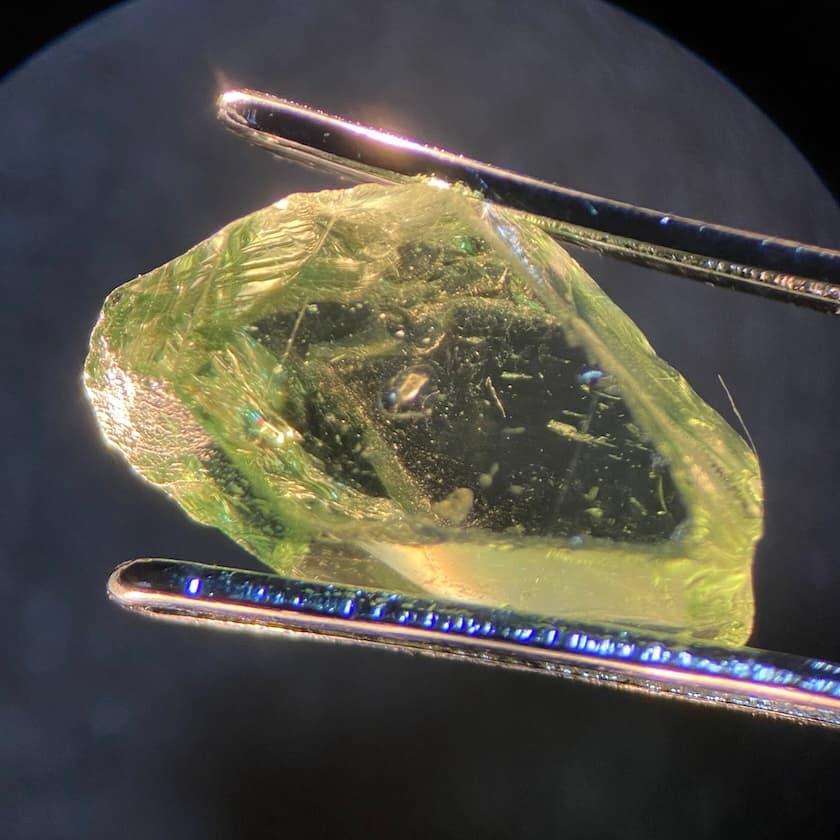
Silicates include well-known minerals such as zircon, topaz, and garnet. Learn how to identify minerals from two silicate sub-groups.
16 Minute Read
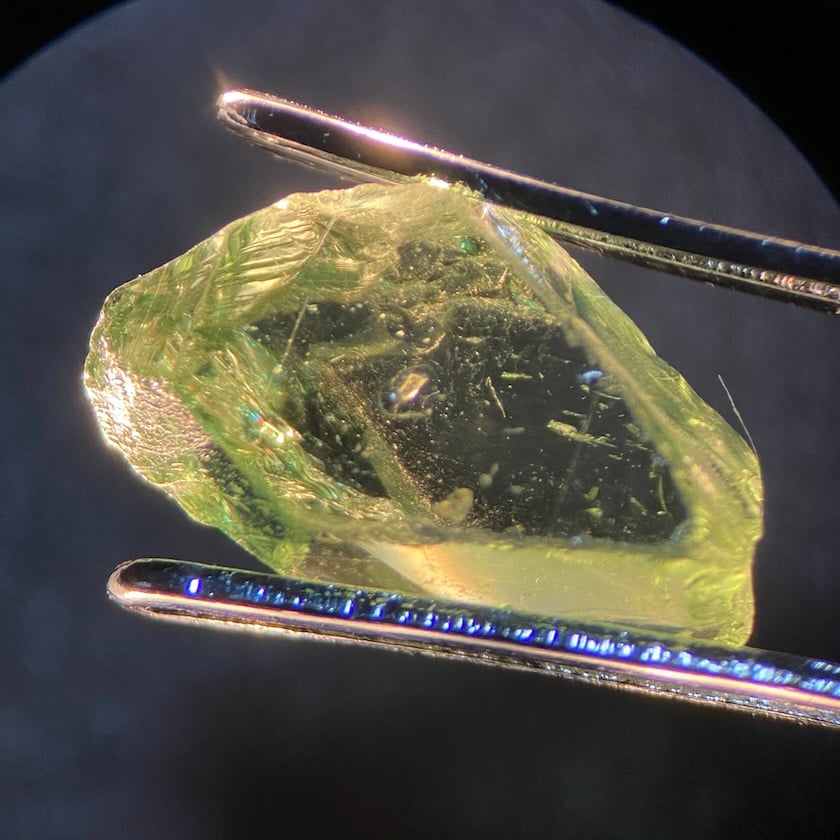
Silicates are the principal constituents of the Earth’s crust and mantle. The majority of minerals that make up rocks are silicates, such as olivines, garnets, pyroxenes, amphiboles, micas, feldspars, clay minerals, and quartzes. Therefore, it is essential for mineralogists to understand silicate minerals.
Silicate minerals are abundant in igneous rocks because silicon and oxygen are the most prevalent elements in the Earth’s crust. Additionally, these minerals often contain other elements such as Al, Fe, Mg, Ca, Na, and K.
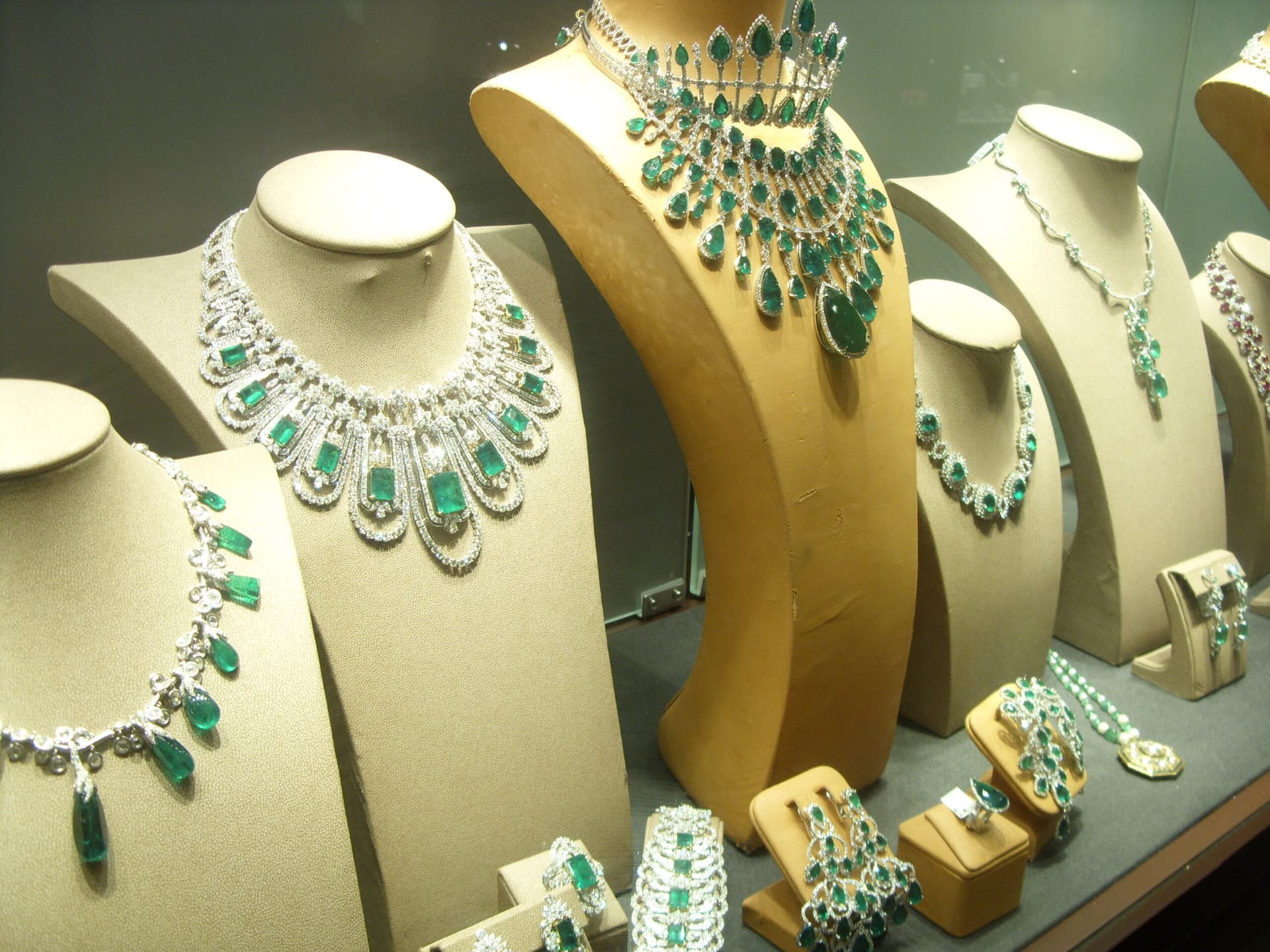
There are more reasons to study silicates than just their abundance. Silicates comprise a significant part of the soil. They are widely used to produce modern construction materials like brick, cement, ceramic, and glass. Some silicates make useful thermal and electrical insulators, complex nano filters, and water treatment absorbers. Additionally, many gem-quality silicates are used in the jewelry industry.
Silicate minerals can be divided into six groups based on crystal chemistry. By learning the basic principles of silicate structures, we can understand what is happening inside these minerals just by looking at their chemical formulas.
The crystal
…


When you join the IGS community, you get trusted diamond & gemstone information when you need it.
Silicates are the principal constituents of the Earth’s crust and mantle. The majority of minerals that make up rocks are silicates, such as olivines, garnets, pyroxenes, amphiboles, micas, feldspars, clay minerals, and quartzes. Therefore, it is essential for mineralogists to understand silicate minerals.
…Silicate minerals are abundant in igneous rocks because silicon and oxygen are the most prevalent elements in the Earth’s crust. Additionally, these minerals often contain other elements such as Al, Fe, Mg, Ca, Na, and K.
There are more reasons to study silicates than just their abundance. Silicates comprise a significant part of the soil. They are widely used to produce modern construction materials like brick, cement, ceramic, and glass. Some silicates make useful thermal and electrical insulators, complex nano filters, and water treatment absorbers. Additionally, many gem-quality silicates are used in the jewelry industry.
Silicate minerals can be divided into six groups based on crystal chemistry. By learning the basic principles of silicate structures, we can understand what is happening inside these minerals just by looking at their chemical formulas.
The crystal

Silicates include well-known minerals such as zircon, topaz, and garnet. Learn how to identify minerals from two silicate sub-groups.
“I have never known or heard of an organization that offers so much for its members, and at such a low cost.”
— Ernest Roisch, Rainbow Rocks LTD
That's less than $0.01 per article. Get instant access to 1,700+ premium articles, courses, and gem pricing data.