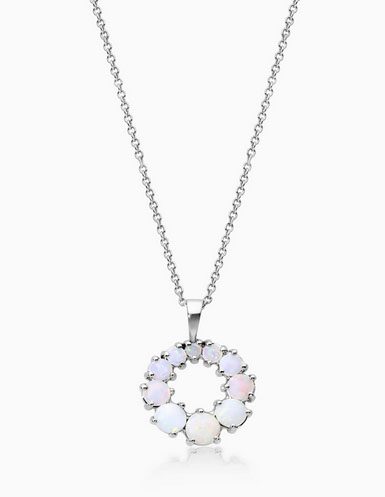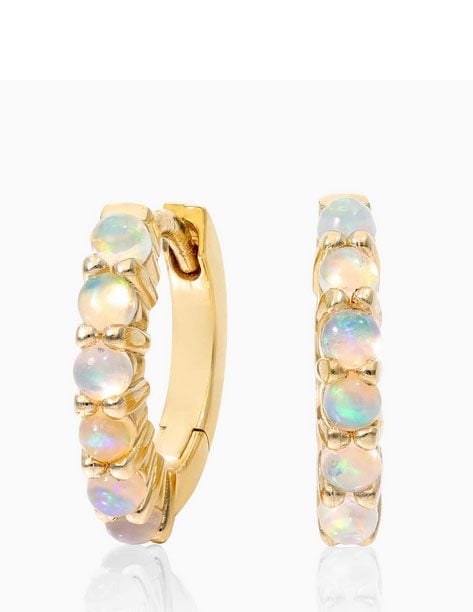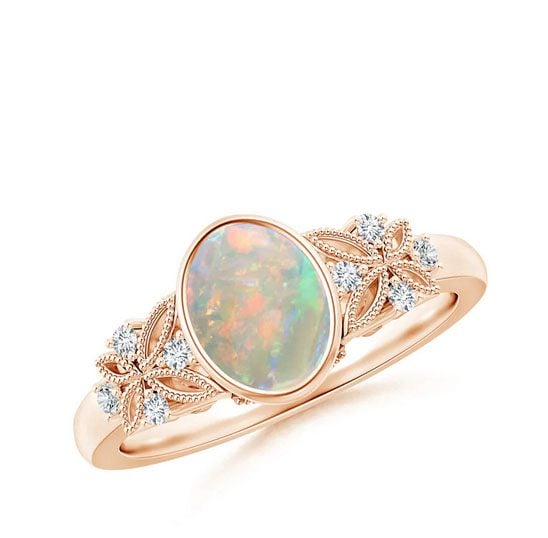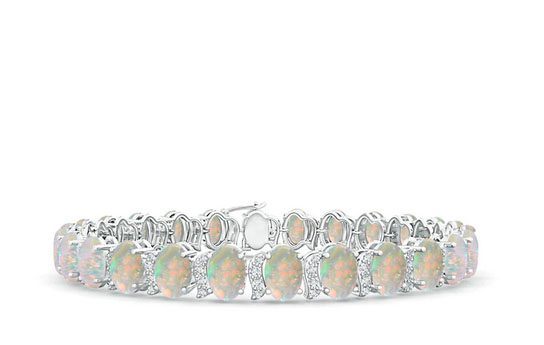
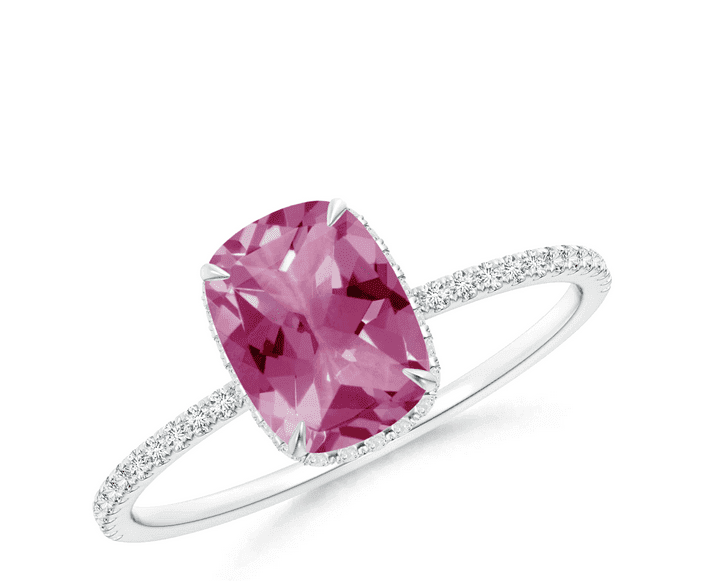
Discover the beauty and meaning of October birthstones: pink tourmaline and opal. Learn about their unique characteristics, origins, durability, and how to select the perfect October birthstone jewelry.
16 Minute Read
Those born in October are fortunate to have two stunning birthstones to choose from: pink tourmaline (the modern October birthstone) and opal (the traditional October birthstone). This comprehensive guide will help you understand these beautiful gemstones better and make informed decisions when purchasing October birthstone jewelry.
In this article, you'll learn:
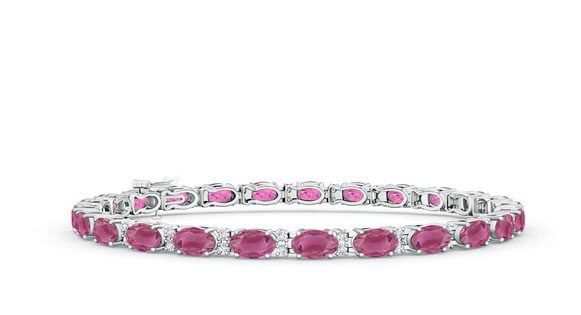
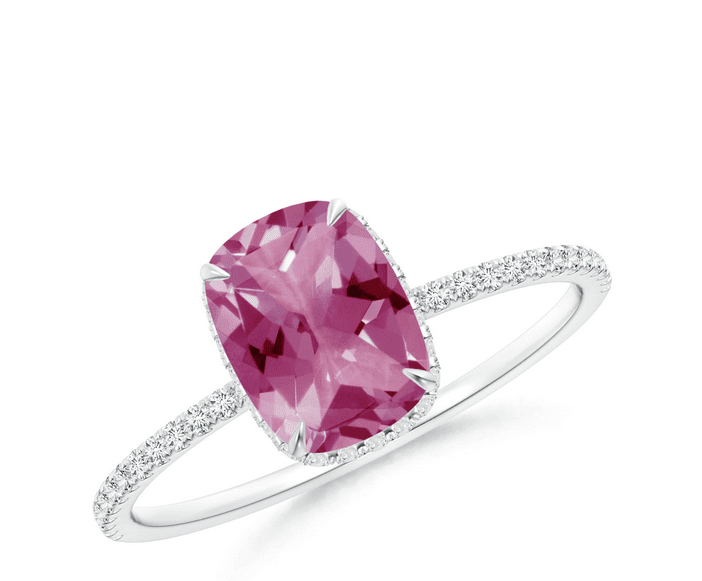
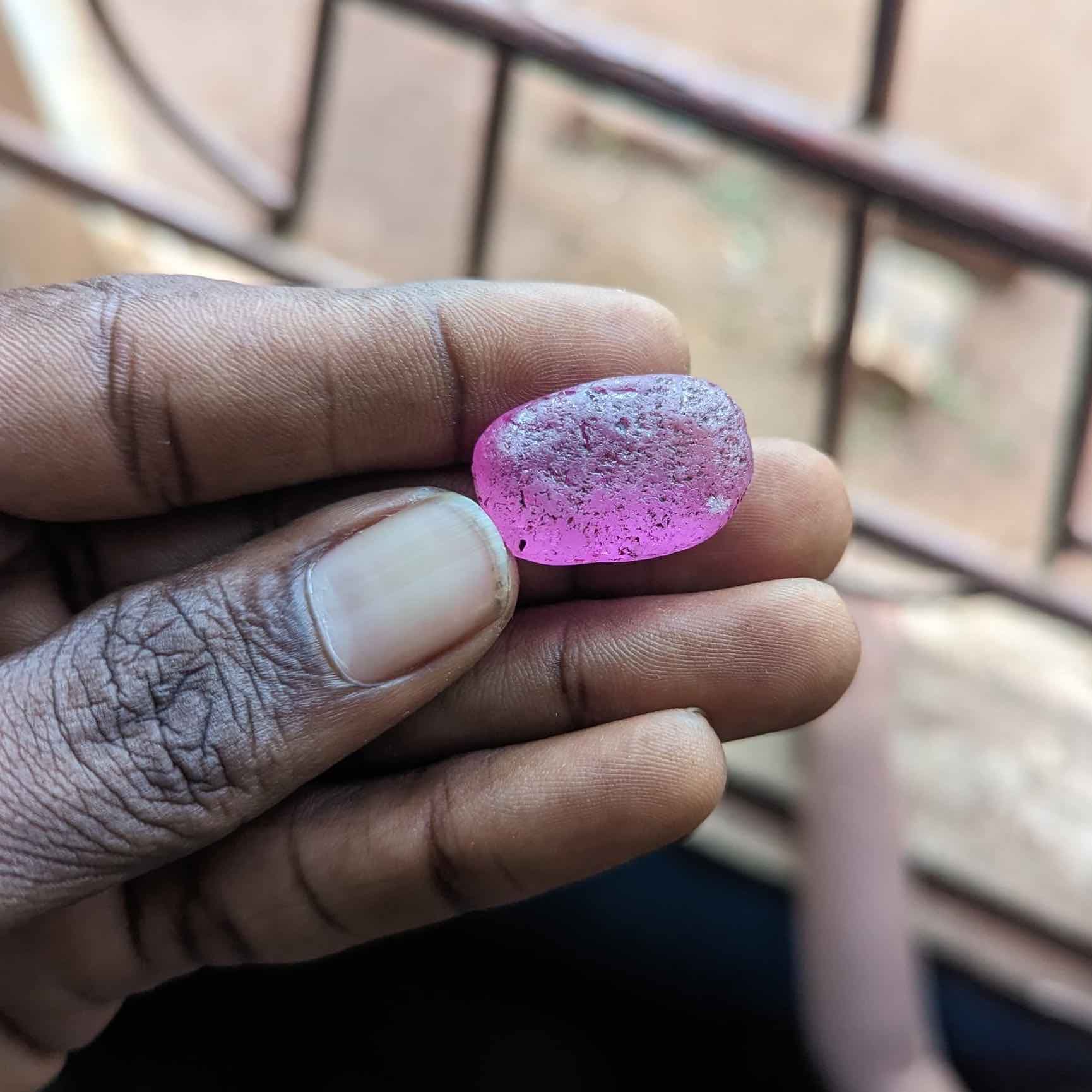
Pink tourmaline stands as the modern birthstone for October, captivating jewelry lovers with its breathtaking beauty and impressive range of pink hues. This gemstone has a fascinating history that dates back centuries.
In the late 1800s, Chinese Empress Dowager Tzu-Hsi developed such a passion for pink tourmaline that she purchased nearly the entire production from a California mine. Her love for this October birthstone continued even after death—she was laid to rest on a pink tourmaline pillow, while the remainder of her extensive collection was transformed into exquisite carvings.
Pink tourmaline occurs naturally and contains a diverse variety of elements. Most tourmalines found in jewelry consist primarily of a mineral called elbaite. This October birthstone forms in distinctive prism-like crystals with long hexagonal structures that display remarkable beauty when exposed to light.
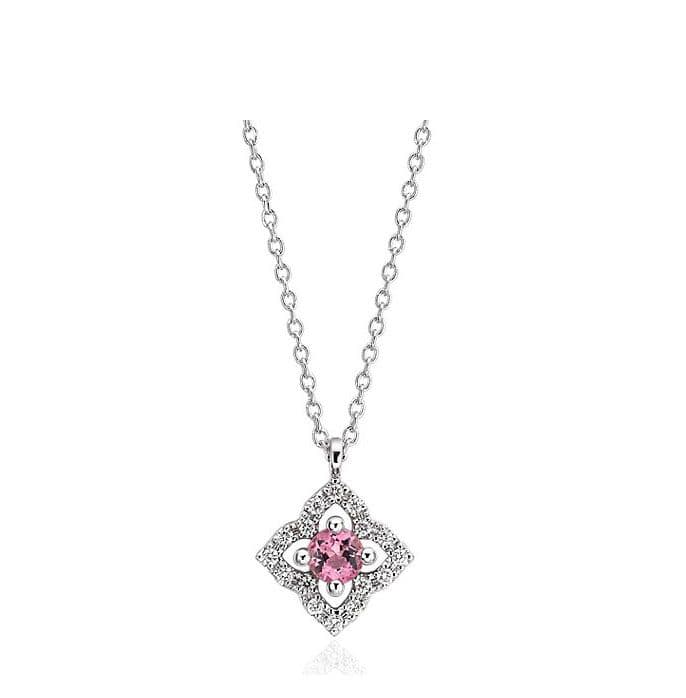
Pink tourmaline showcases a striking pink hue with numerous variations throughout the color spectrum. However, what makes tourmaline particularly special among October birthstones is its occurrence in many different colors. Some tourmaline crystals even form with multiple colors, known as watermelon tourmaline.
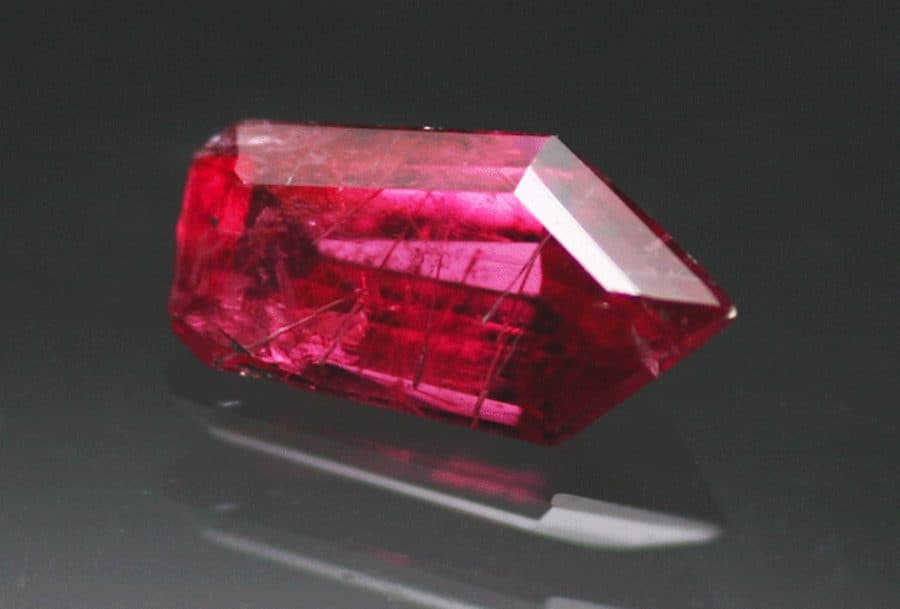
The name "tourmaline" originates from the Sinhalese word turamali, meaning "stone of mixed color." The most common color combination is green and pink, known as watermaline tourmaline, making them a unique option for an engagement ring.Tourmaline with more raspberry or purple tones are classified as rubellite, adding another beautiful variety to the October birthstone family.
Pink tourmaline measures 7-7.5 on the Mohs hardness scale, making this October birthstone quite durable for everyday wear. While suitable for regular use in jewelry, excessive heat can damage pink tourmaline.
For cleaning this October birthstone, simple soap and water are sufficient to maintain its shine. Avoid using harsh chemicals when cleaning pink tourmaline jewelry to prevent damage.
Fine quality pink tourmaline October birthstones come from several locations around the world, including:
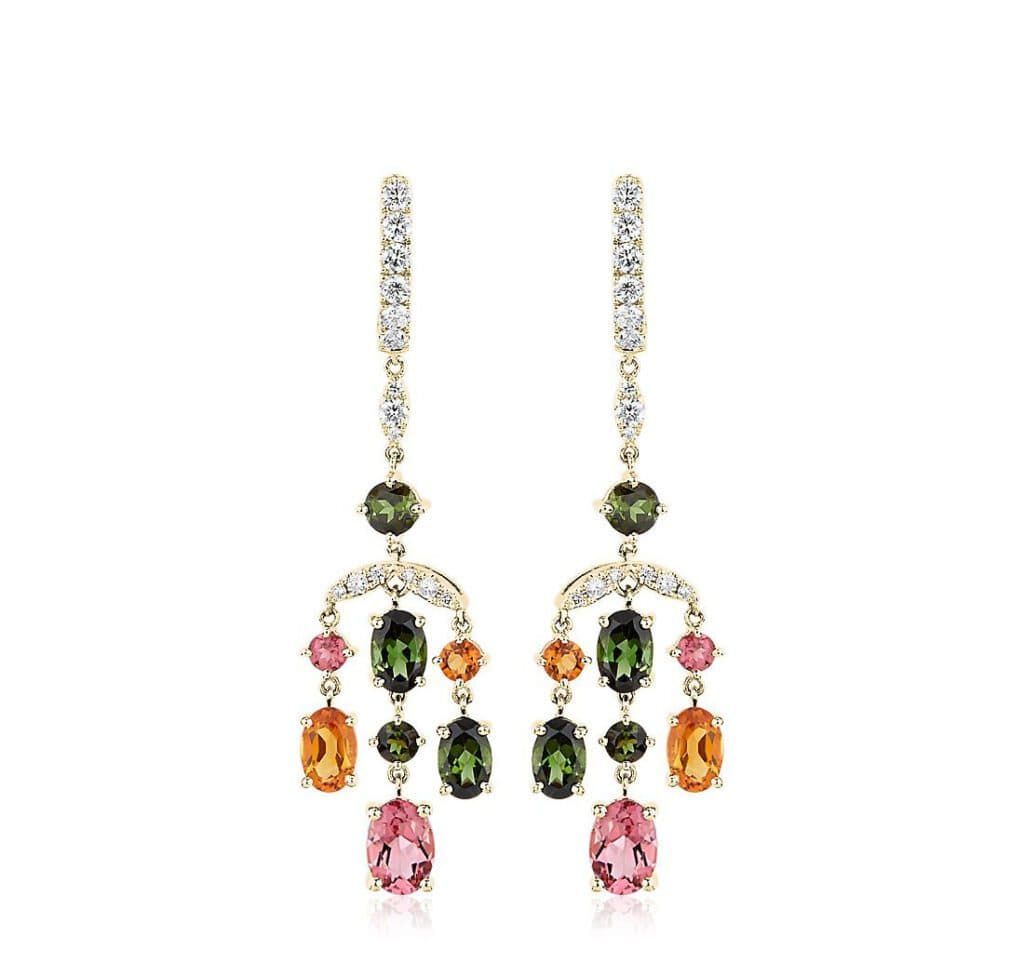
If you are considering purchasing pink tourmaline jewelry, it is preferable to obtain it from some of select retail brick-and-mortar stores and online retailers like Angara and Blue Nile. Between these options, Angara offers the most extensive selection of pink tourmaline jewelry online.
Most pink tourmaline stones undergo heat treatment unless the product description specifically states otherwise. If you're searching for an unheated stone or a larger specimen, CustomMade can source a stone specifically tailored to your preferences.
Need to recharge after a hard day at work? Trying to resolve relationship problems? Wearing pink tourmaline is said to help. If you suffer from arthritis or have a spinal injury, this stone is believed to bring some relief. Some of its other supposed benefits include relieving skin and nail problems.
The price of pink tourmaline varies depending on size, clarity, saturation and color. The most expensive tourmaline is the Paraiba variety, a neon blue-green stone with traces of copper. Rubellites are tourmalines, which boast saturated, deep pinks and red colors without any traces of brown. These stones make great jewelry pieces and are highly prized.
The word tourmaline is derived from a Sinhalese word, turamali, meaning "stone of mixed color." Pink tourmaline is also known as the perfect expression of love and compassion, traditionally exchanged between couples to mark the 8th wedding anniversary.
Pink tourmaline is treasured for its supposed healing properties. Wearing this stone is believed to help relieve anxiety, depression, and other mood disorders. Some people recommend pink tourmaline for dealing with emotional trauma, for it is believed to uplift a downcast heart. For maximum benefit during meditation, place pink tourmaline on your heart to relieve anxiety, lighten a dark mood, or boost creative energy.
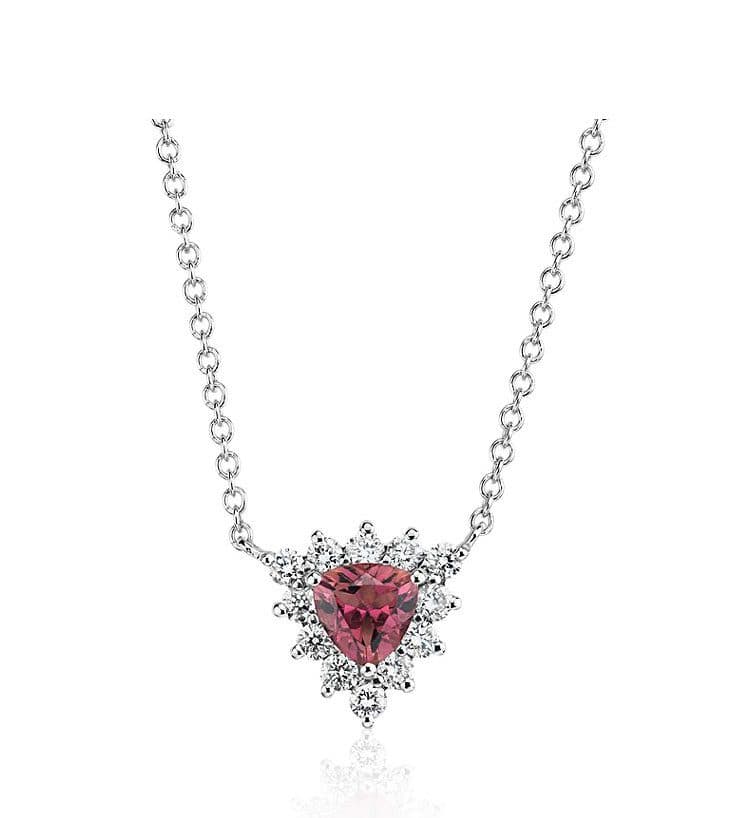
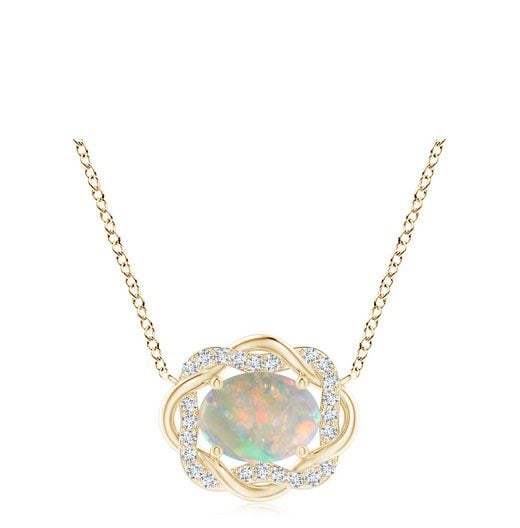
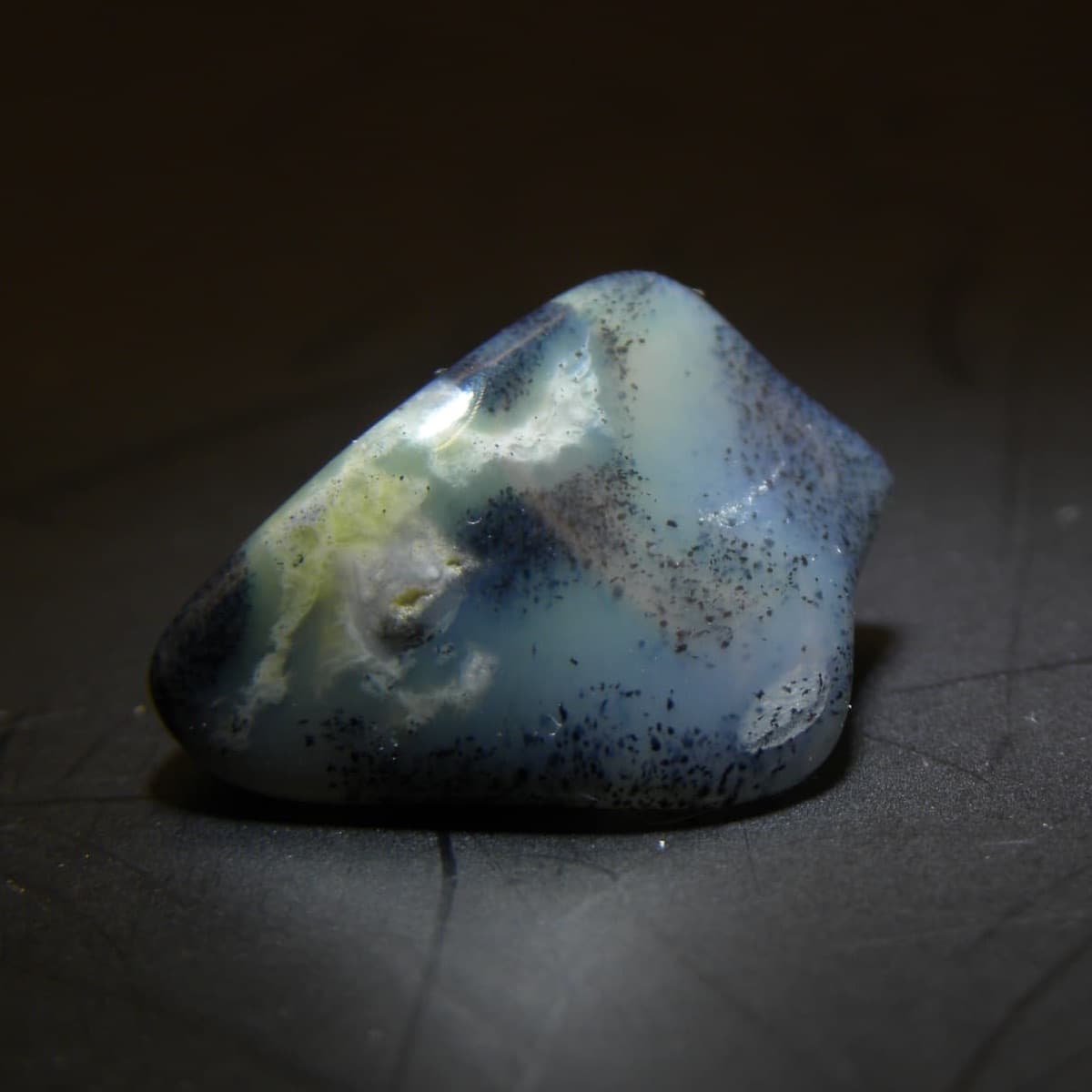
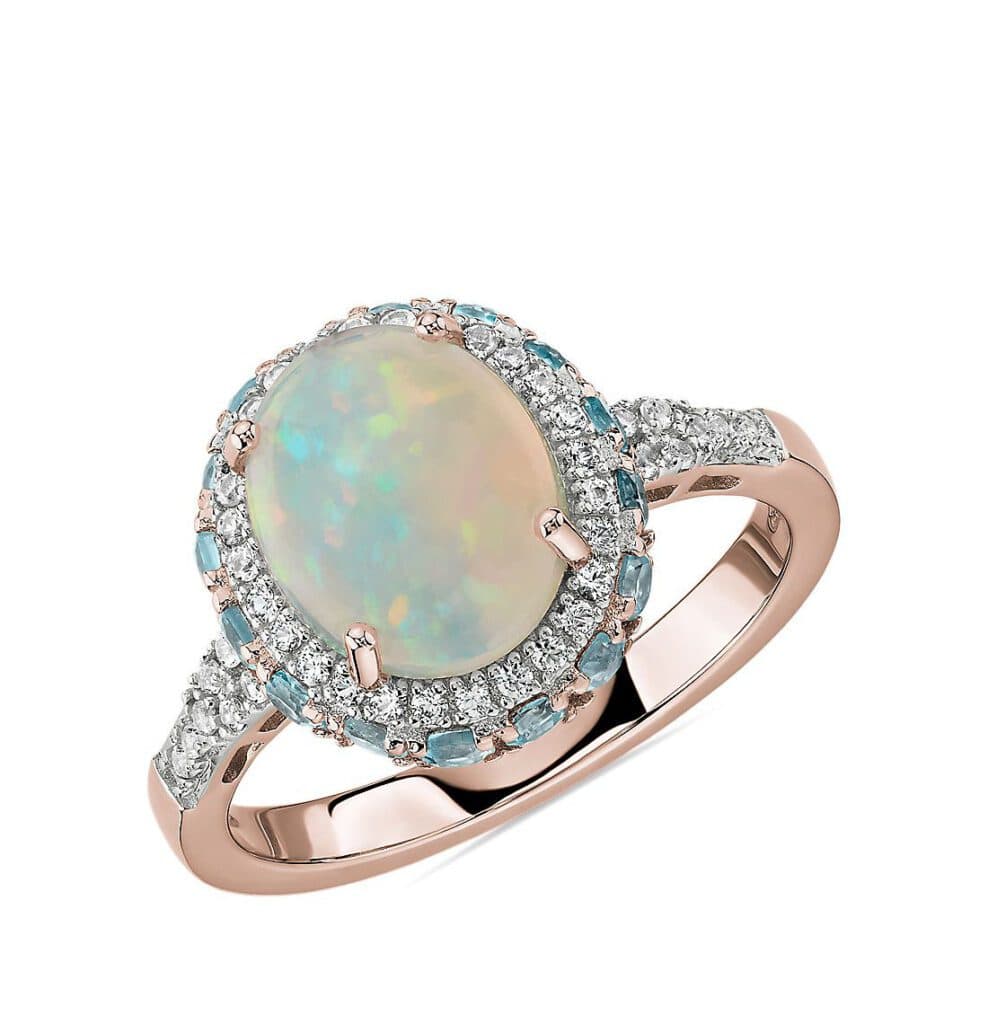
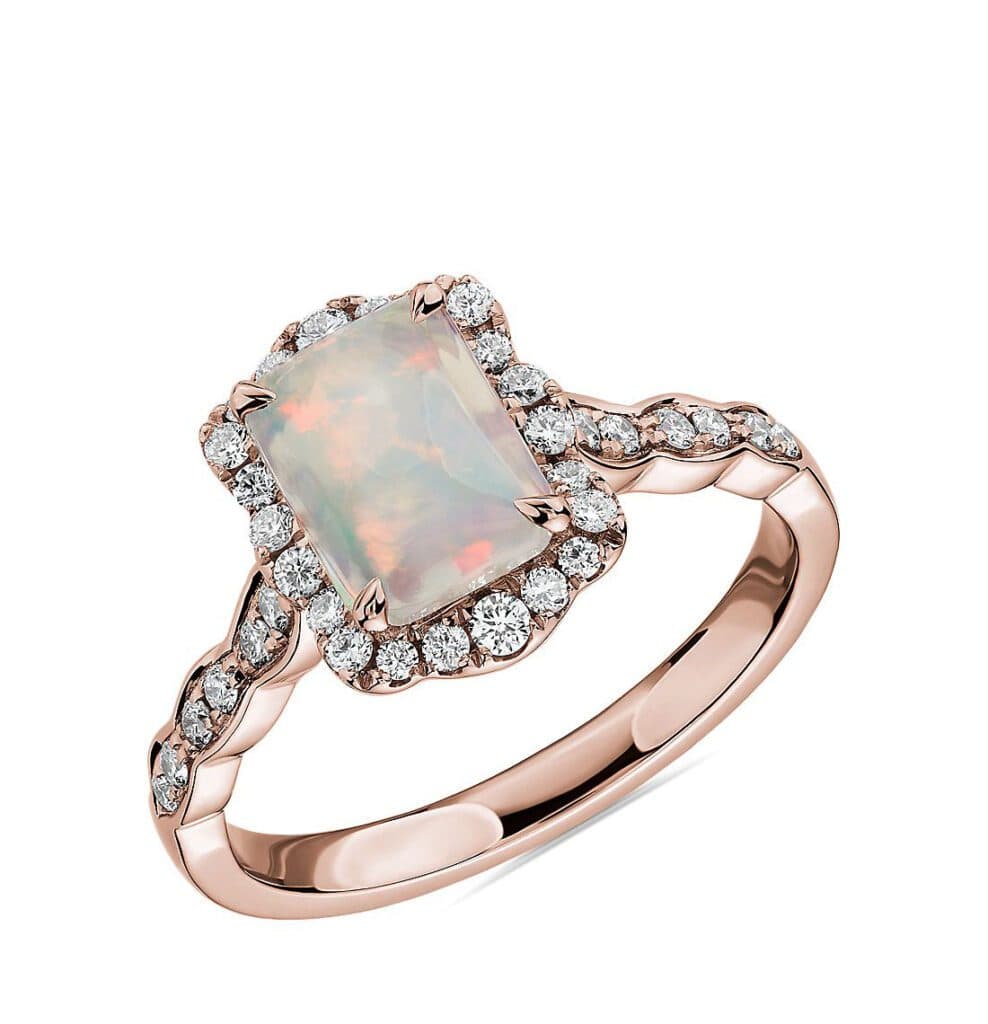
The traditional birthstone representing October is opal. This October birthstone comes in many varieties with different colored base hues including white, red, purple, and black. Many consider Opals "phenomenal" gems that often display a "play-of-color" effect—a pattern of colored flashes distributed throughout the stone. These flashes can appear blue, green, orange, or red, with individual stones showing none, some, or all of these colors simultaneously.
Opals displaying play-of-color patterns are sometimes marketed as "precious" opal, while those without this effect are termed "common" or "potch" opal. Opals with abundant play-of-color distributed evenly across their surface typically command higher values than stones with less play-of-color restricted to certain regions or stones lacking the effect entirely.
Several theories exist regarding the origins of the name "opal." Some believe it derives from the Sanskrit word upala, simply meaning "precious stone." Alternative origins include the Greek word opallios (translating to "to see a change in color") and the Latin term opalus (often interpreted as "precious jewel"). Regardless of its etymological origins, the unique beauty of this October birthstone remains undisputed.
In addition to being the birthstone for October, opal traditionally commemorates 14th wedding anniversaries.
Opal as an October birthstone offers a versatile appearance combining different base colors, various play-of-color effects, and varying transparencies. The base color of opals can include:
Play-of-color flashes can display many different colors including red (often considered most desirable), blue, green, and orange. Transparency isn't a color but describes light transmission through the stone. Opal transparency ranges from:
Today, experts recognize many opal varieties with several major categories encompassing these distinct types. Each category features a unique combination of factors that determine desirability. What makes one opal category special may not apply to opals in different categories. Below are the most popular types of October birthstone opals available:
This category commands the highest price-per-carat values among opals. As expected, black opal must appear to have a black base color when viewed face-up, though the actual color may be a very dark shade of grey, brown, blue, or green. While opaque stones often showcase play-of-color best, translucent stones also qualify. Black opal must display some degree of play-of-color. The dark background allows play-of-color effects to appear particularly bright and spectacular, with the finest examples being truly extraordinary.
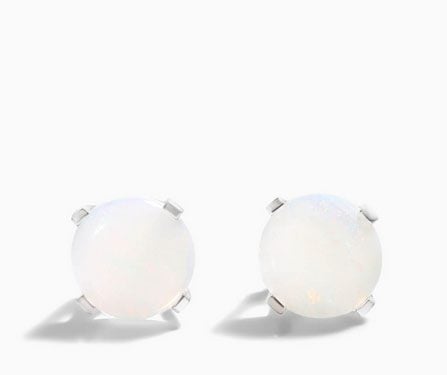
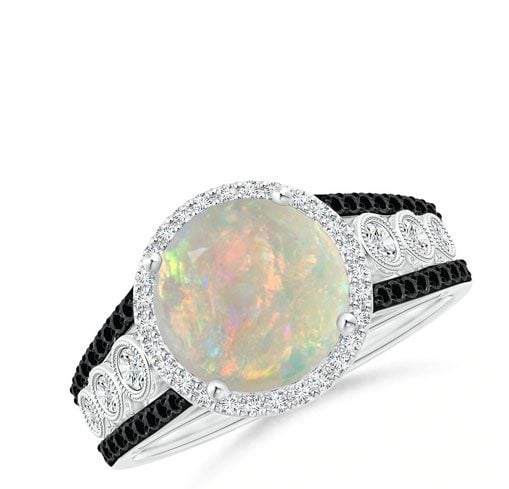
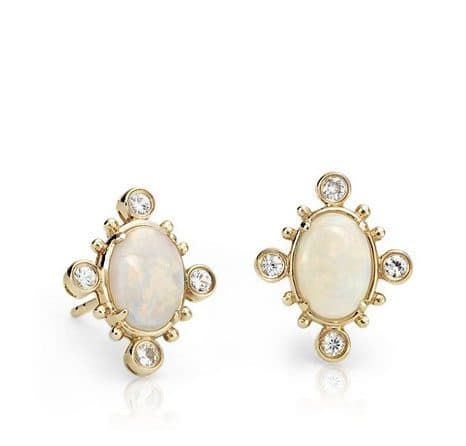
Contrasting with black opal, white opal features a light background color ranging from pure white to medium grey. These October birthstones are translucent and must display at least some play-of-color. White opals are relatively common and constitute a large portion of the opal market.
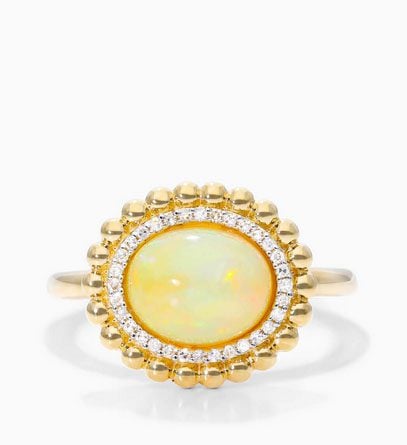
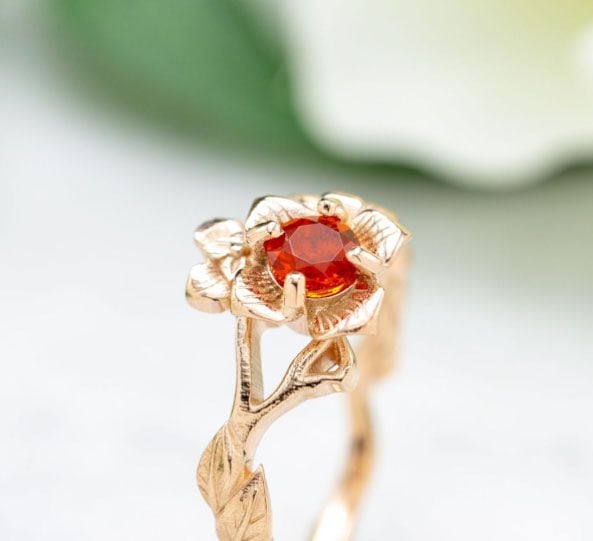
The majority of fire opals originate in Mexico, and they represent relatively recent additions to the global market. Significant sources of fire opal emerged only in the mid-nineteenth century, and availability remains limited. These vibrant October birthstones feature red, orange, or yellow backgrounds, with transparent specimens being most sought-after. Fire opal's value derives from the evenness and vibrancy of its base color, and some specimens lack play-of-color entirely. Since play-of-color is not a major value factor, fire opal stands as the only opal category exempt from the traditional precious vs. potch classification system.
Crystal opals are renowned for their transparency and superior play-of-color effects. They may display a light background hue, but their bright and varied color flashes distinguish them. The finest crystal opals can be highly valuable and appear in fine jewelry designs.
Similar to crystal opals, water opals may be colorless or have light base colors including white, blue, green, purple, or brownish tones. They can be transparent, though some are translucent. Unlike crystal opals, water opals may or may not exhibit play-of-color. When present, these colored flashes appear subtler than in other opal varieties and often don't cover the entire gem surface. Due to their subdued appearance, water opals (sometimes called "jelly opals") offer an affordable option among October birthstones.
Boulder opals uniquely combine precious opal with portions of the host rock where the opal naturally formed. These host rock fragments, called "matrix," create patterns that, when balanced with good play-of-color, are highly desirable. While matrix patterns can be beautiful themselves, they also significantly enhance the stone's durability. Since opal is relatively soft, stones cut to retain some host rock may prove more resilient.
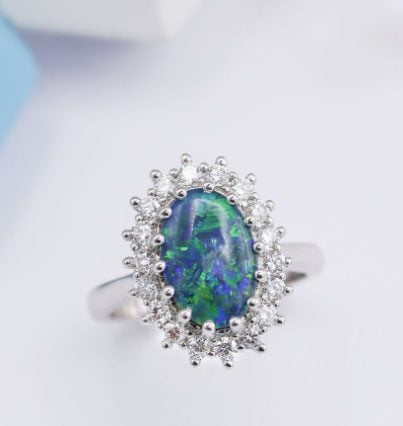
Assembled opals represent a human-created opal "sandwich." Opal doublets incorporate a genuine opal layer attached to a backing (often dark glass, plastic, or other black material). Opal triplets feature an additional domed top layer of colorless material like quartz or glass. Like the host rock in boulder opals, these non-opal components add stability to thin, fragile opal pieces that might otherwise be unsuitable for jewelry. Assembled opals generally cost less than unaltered varieties but can still offer beautiful options for October birthstone jewelry.
Humans have marveled at opal's hypnotic colors for centuries. In the first century C.E., Pliny the Elder described the dazzling colors of this October birthstone in his famous work Natural History. Despite this long fascination, scientists only recently understood opal's internal structure and what creates its unique play-of-color effect.
Opals differ from most gemstones in lacking a regularly ordered crystal lattice. Instead, they comprise millions of tiny silicon orbs stacked upon each other—a discovery made by Australian scientists in the 1960s who examined opals under 30,000X magnification.
Technically, play-of-color results from light moving through the alignment of silica spheres, which is unique to each stone, making every opal one-of-a-kind. Beyond silica sphere alignment, specific chemicals within opal contribute to both background color and the hues in play-of-color flashes.
Opal's structure also contains significant water, ranging from approximately 3% to 20% depending on type. This high water content results from opal's formation process—silicon-rich sand periodically wetted and dried, as occurs in deserts with monsoon conditions.
The dynamic appearance of opal has inspired numerous associations across cultures throughout centuries. Opal's most distinctive characteristic—its sparkling play of color—influences much of its lore, particularly relating to eyes and vision.
The current belief that opals promote ocular health stems from ancient Greeks who believed this October birthstone could help wearers see into the future. Today, people wear opals to expand their minds and enhance intuition. An old European belief viewed this connection between opal and sight differently, claiming opals could bend light and make wearers invisible—leading to concerns about thieves using opals to improve their stealth abilities.
The bright, dynamic nature of play-of-color creates an intuitive connection to sky, stars, and lightning. Many cultures attribute powerful connections between opals and the natural world. Some Arab nations believed opals literally fell from the sky. Currently, some believe this unique October birthstone grants wearers confidence to express their true personality.
Today, many wear opals as protective talismans against evil. Others believe keeping an opal close or dreaming of the gemstone brings tremendous luck. Perhaps due to the shimmering transparency some opal categories achieve, some people believe that opal encourages creativity. Finally, possibly derived from the ancient Roman tradition calling opals the "Cupid Stone," modern wearers hope opals will foster romance and passion.
Perhaps most significantly, a belief dating back centuries attributes to opal all positive benefits associated with every colored gemstone species. The theory suggests that if opal can display all potential gemstone colors, it must embody powers associated with those gems. Thus, wearing this October birthstone potentially offers:
The word upala, possibly the root of our modern term opal, originates from India—the first source of opals for Western nations. Currently, multiple sources provide opal worldwide, though the conditions necessary for opal formation are both highly specific and rare. Opal requires not only silica-rich rock or soil but also a combination of very wet and very dry conditions.
Active opal mines exist in several South American countries:
Mexico serves as the world's primary source of fire opal. Madagascar, which produces many gemstone species, also contains opal deposits. Ethiopia, an ancient opal source, provides many different opal colors. However, approximately 95% of gem-quality opal comes from Australia. Black opal primarily comes from Lightning Ridge in eastern Australia, while all boulder opal originates from Queensland's Winton area.
Opal remains relatively soft because its structure consists of stacked silica spheres, rather than being a traditional mineral with atomic-level bonds. Different opal types offer varying levels of resilience, but all rank between 5 and 6.5 on the Mohs Hardness Scale. This means opals may scratch or break if dropped or struck. Opals are highly sensitive to excessive heat and sudden temperature changes, which can cause dullness, cracking, or internal fracturing called "crazing."
Additionally, opal treated with oils, waxes, or plastics to enhance appearance can suffer from improper cleaning techniques. The safest way to clean opal jewelry is with mild soapy water and a soft cloth. After cleaning, gently pat dry your opals to minimize moisture exposure. Store your opal October birthstone away from direct sunlight in a safe environment.
Though opal is relatively soft, you can enjoy your opal jewelry for many years with proper care. You can confidently wear earrings and pendants anytime since they face minimal risk of damage. For rings or bracelets, remove them before engaging in particularly active or dirty environments.
When selecting an opal for purchase, consider these important factors that determine value in each category:
Regarding play-of-color patterns, descriptions commonly reference three types:
While harlequin patterns typically cost most and pinfire patterns least, choose the pattern that most appeals to your personal taste!
Opal is an unusual gemstone in that it is comprised of millions of tiny silicon spheres which are balanced on top of each other. If these spheres lay in a particular alignment that allows light to pass through at the proper angle, the famous play-of-color phenomenon occurs. As the exact alignment of the silica spheres differs in every stone, each is truly unique.
Opals can be colored in two ways: their background color and the color(s) shown by their play-of-color effect. Different types of opals can have background colors like black, brown, green, blue, purple, red, orange, yellow, and white. Play-of-color flashes can be red, orange, green, or blue. Depending on the type of opal, different background colors may be more desirable than others. In terms of play-of-color, red and orange are generally considered to be more valuable than blue or green. However, the best opals show a balanced pattern of many, if not all, of the possible colors.
Due to the fact that there are so many varieties of opal, and that each category encompasses a range of commercial-grade stones up to the finest examples, you can find opals in any price range. Like black and crystal opals, certain opal types tend to be found in high-end jewelry and can be very valuable. Other opal varieties, like the white or water opals, are far more financially reasonable. However, keep in mind that there are exceptional examples in every category. Assembled opals are usually very affordable and often have the advantage of added durability.
Opals have long been connected specifically with sight and eye health. Today, they are also worn as protective jewelry which has the power to both repel evil and attract good fortune. Also, opals are believed to be romantic stones associated with love and passion. Fortunately, the October birthstone has been credited with providing the wearer with all of the positive benefits of each and every colored gemstone variety because it can exhibit so many colors. In short, there is nothing that opal cannot do to help your mind, body, and spirit.


When you join the IGS community, you get trusted diamond & gemstone information when you need it.
Those born in October are fortunate to have two stunning birthstones to choose from: pink tourmaline (the modern October birthstone) and opal (the traditional October birthstone). This comprehensive guide will help you understand these beautiful gemstones better and make informed decisions when purchasing October birthstone jewelry.
In this article, you'll learn:
Pink tourmaline stands as the modern for October, captivating jewelry lovers with its breathtaking beauty and impressive range of pink hues. This gemstone has a fascinating history that dates back centuries.
In the late 1800s, Chinese Empress Dowager Tzu-Hsi developed such a passion for pink tourmaline that she purchased nearly the entire production from a California mine. Her love for this October birthstone continued even after death—she was laid to rest on a pink tourmaline pillow, while the remainder of her extensive collection was transformed into exquisite carvings.
Pink tourmaline occurs naturally and contains a diverse variety of elements. Most tourmalines found in jewelry consist primarily of a mineral called elbaite. This October birthstone forms in distinctive prism-like crystals with long hexagonal structures that display remarkable beauty when exposed to light.
Pink tourmaline showcases a striking pink hue with numerous variations throughout the color spectrum. However, what makes tourmaline particularly special among October birthstones is its occurrence in many different colors. Some tourmaline crystals even form with multiple colors, known as watermelon tourmaline.
The name "tourmaline" originates from the Sinhalese word turamali, meaning "stone of mixed color." The most common color combination is green and pink, known as watermaline tourmaline, making them a unique option for an engagement ring.Tourmaline with more raspberry or purple tones are classified as rubellite, adding another beautiful variety to the October birthstone family.
Pink tourmaline measures 7-7.5 on the Mohs hardness scale, making this October birthstone quite durable for everyday wear. While suitable for regular use in jewelry, excessive heat can damage pink tourmaline.
For cleaning this October birthstone, simple soap and water are sufficient to maintain its shine. Avoid using harsh chemicals when cleaning pink tourmaline jewelry to prevent damage.
Fine quality pink tourmaline October birthstones come from several locations around the world, including:
If you are considering purchasing pink tourmaline jewelry, it is preferable to obtain it from some of select retail brick-and-mortar stores and online retailers like Angara and Blue Nile. Between these options, Angara offers the most extensive selection of pink tourmaline jewelry online.
Most pink tourmaline stones undergo heat treatment unless the product description specifically states otherwise. If you're searching for an unheated stone or a larger specimen, CustomMade can source a stone specifically tailored to your preferences.
Need to recharge after a hard day at work? Trying to resolve relationship problems? Wearing pink tourmaline is said to help. If you suffer from arthritis or have a spinal injury, this stone is believed to bring some relief. Some of its other supposed benefits include relieving skin and nail problems.
The price of pink tourmaline varies depending on size, clarity, saturation and color. The most expensive tourmaline is the Paraiba variety, a neon blue-green stone with traces of copper. Rubellites are tourmalines, which boast saturated, deep pinks and red colors without any traces of brown. These stones make great jewelry pieces and are highly prized.
The word tourmaline is derived from a Sinhalese word, turamali, meaning "stone of mixed color." Pink tourmaline is also known as the perfect expression of love and compassion, traditionally exchanged between couples to mark the 8th wedding anniversary.
Pink tourmaline is treasured for its supposed healing properties. Wearing this stone is believed to help relieve anxiety, depression, and other mood disorders. Some people recommend pink tourmaline for dealing with emotional trauma, for it is believed to uplift a downcast heart. For maximum benefit during meditation, place pink tourmaline on your heart to relieve anxiety, lighten a dark mood, or boost creative energy.
The traditional birthstone representing October is opal. This October birthstone comes in many varieties with different colored base hues including white, red, purple, and black. Many consider Opals "phenomenal" gems that often display a "play-of-color" effect—a pattern of colored flashes distributed throughout the stone. These flashes can appear blue, green, orange, or red, with individual stones showing none, some, or all of these colors simultaneously.
Opals displaying play-of-color patterns are sometimes marketed as "precious" opal, while those without this effect are termed "common" or "potch" opal. Opals with abundant play-of-color distributed evenly across their surface typically command higher values than stones with less play-of-color restricted to certain regions or stones lacking the effect entirely.
Several theories exist regarding the origins of the name "opal." Some believe it derives from the Sanskrit word upala, simply meaning "precious stone." Alternative origins include the Greek word opallios (translating to "to see a change in color") and the Latin term opalus (often interpreted as "precious jewel"). Regardless of its etymological origins, the unique beauty of this October birthstone remains undisputed.
In addition to being the birthstone for October, opal traditionally commemorates 14th wedding anniversaries.
Opal as an October birthstone offers a versatile appearance combining different base colors, various play-of-color effects, and varying transparencies. The base color of opals can include:
Play-of-color flashes can display many different colors including red (often considered most desirable), blue, green, and orange. Transparency isn't a color but describes light transmission through the stone. Opal transparency ranges from:
Today, experts recognize many opal varieties with several major categories encompassing these distinct types. Each category features a unique combination of factors that determine desirability. What makes one opal category special may not apply to opals in different categories. Below are the most popular types of October birthstone opals available:
This category commands the highest price-per-carat values among opals. As expected, black opal must appear to have a black base color when viewed face-up, though the actual color may be a very dark shade of grey, brown, blue, or green. While opaque stones often showcase play-of-color best, translucent stones also qualify. Black opal must display some degree of play-of-color. The dark background allows play-of-color effects to appear particularly bright and spectacular, with the finest examples being truly extraordinary.
Contrasting with black opal, white opal features a light background color ranging from pure white to medium grey. These October birthstones are translucent and must display at least some play-of-color. White opals are relatively common and constitute a large portion of the opal market.
The majority of fire opals originate in Mexico, and they represent relatively recent additions to the global market. Significant sources of fire opal emerged only in the mid-nineteenth century, and availability remains limited. These vibrant October birthstones feature red, orange, or yellow backgrounds, with transparent specimens being most sought-after. Fire opal's value derives from the evenness and vibrancy of its base color, and some specimens lack play-of-color entirely. Since play-of-color is not a major value factor, fire opal stands as the only opal category exempt from the traditional precious vs. potch classification system.
Crystal opals are renowned for their transparency and superior play-of-color effects. They may display a light background hue, but their bright and varied color flashes distinguish them. The finest crystal opals can be highly valuable and appear in fine jewelry designs.
Similar to crystal opals, water opals may be colorless or have light base colors including white, blue, green, purple, or brownish tones. They can be transparent, though some are translucent. Unlike crystal opals, water opals may or may not exhibit play-of-color. When present, these colored flashes appear subtler than in other opal varieties and often don't cover the entire gem surface. Due to their subdued appearance, water opals (sometimes called "jelly opals") offer an affordable option among October birthstones.
Boulder opals uniquely combine precious opal with portions of the host rock where the opal naturally formed. These host rock fragments, called "matrix," create patterns that, when balanced with good play-of-color, are highly desirable. While matrix patterns can be beautiful themselves, they also significantly enhance the stone's durability. Since opal is relatively soft, stones cut to retain some host rock may prove more resilient.
Assembled opals represent a human-created opal "sandwich." Opal doublets incorporate a genuine opal layer attached to a backing (often dark glass, plastic, or other black material). Opal triplets feature an additional domed top layer of colorless material like quartz or glass. Like the host rock in boulder opals, these non-opal components add stability to thin, fragile opal pieces that might otherwise be unsuitable for jewelry. Assembled opals generally cost less than unaltered varieties but can still offer beautiful options for October birthstone jewelry.
Humans have marveled at opal's hypnotic colors for centuries. In the first century C.E., Pliny the Elder described the dazzling colors of this October birthstone in his famous work Natural History. Despite this long fascination, scientists only recently understood opal's internal structure and what creates its unique play-of-color effect.
Opals differ from most gemstones in lacking a regularly ordered crystal lattice. Instead, they comprise millions of tiny silicon orbs stacked upon each other—a discovery made by Australian scientists in the 1960s who examined opals under 30,000X magnification.
Technically, play-of-color results from light moving through the alignment of silica spheres, which is unique to each stone, making every opal one-of-a-kind. Beyond silica sphere alignment, specific chemicals within opal contribute to both background color and the hues in play-of-color flashes.
Opal's structure also contains significant water, ranging from approximately 3% to 20% depending on type. This high water content results from opal's formation process—silicon-rich sand periodically wetted and dried, as occurs in deserts with monsoon conditions.
The dynamic appearance of opal has inspired numerous associations across cultures throughout centuries. Opal's most distinctive characteristic—its sparkling play of color—influences much of its lore, particularly relating to eyes and vision.
The current belief that opals promote ocular health stems from ancient Greeks who believed this October birthstone could help wearers see into the future. Today, people wear opals to expand their minds and enhance intuition. An old European belief viewed this connection between opal and sight differently, claiming opals could bend light and make wearers invisible—leading to concerns about thieves using opals to improve their stealth abilities.
The bright, dynamic nature of play-of-color creates an intuitive connection to sky, stars, and lightning. Many cultures attribute powerful connections between opals and the natural world. Some Arab nations believed opals literally fell from the sky. Currently, some believe this unique October birthstone grants wearers confidence to express their true personality.
Today, many wear opals as protective talismans against evil. Others believe keeping an opal close or dreaming of the gemstone brings tremendous luck. Perhaps due to the shimmering transparency some opal categories achieve, some people believe that opal encourages creativity. Finally, possibly derived from the ancient Roman tradition calling opals the "Cupid Stone," modern wearers hope opals will foster romance and passion.
Perhaps most significantly, a belief dating back centuries attributes to opal all positive benefits associated with every colored gemstone species. The theory suggests that if opal can display all potential gemstone colors, it must embody powers associated with those gems. Thus, wearing this October birthstone potentially offers:
The word upala, possibly the root of our modern term opal, originates from India—the first source of opals for Western nations. Currently, multiple sources provide opal worldwide, though the conditions necessary for opal formation are both highly specific and rare. Opal requires not only silica-rich rock or soil but also a combination of very wet and very dry conditions.
Active opal mines exist in several South American countries:
Mexico serves as the world's primary source of fire opal. Madagascar, which produces many gemstone species, also contains opal deposits. Ethiopia, an ancient opal source, provides many different opal colors. However, approximately 95% of gem-quality opal comes from Australia. Black opal primarily comes from Lightning Ridge in eastern Australia, while all boulder opal originates from Queensland's Winton area.
Opal remains relatively soft because its structure consists of stacked silica spheres, rather than being a traditional mineral with atomic-level bonds. Different opal types offer varying levels of resilience, but all rank between 5 and 6.5 on the Mohs Hardness Scale. This means opals may scratch or break if dropped or struck. Opals are highly sensitive to excessive heat and sudden temperature changes, which can cause dullness, cracking, or internal fracturing called "crazing."
Additionally, opal treated with oils, waxes, or plastics to enhance appearance can suffer from improper cleaning techniques. The safest way to clean opal jewelry is with mild soapy water and a soft cloth. After cleaning, gently pat dry your opals to minimize moisture exposure. Store your opal October birthstone away from direct sunlight in a safe environment.
Though opal is relatively soft, you can enjoy your opal jewelry for many years with proper care. You can confidently wear earrings and pendants anytime since they face minimal risk of damage. For rings or bracelets, remove them before engaging in particularly active or dirty environments.
When selecting an opal for purchase, consider these important factors that determine value in each category:
Regarding play-of-color patterns, descriptions commonly reference three types:
While harlequin patterns typically cost most and pinfire patterns least, choose the pattern that most appeals to your personal taste!
Opal is an unusual gemstone in that it is comprised of millions of tiny silicon spheres which are balanced on top of each other. If these spheres lay in a particular alignment that allows light to pass through at the proper angle, the famous play-of-color phenomenon occurs. As the exact alignment of the silica spheres differs in every stone, each is truly unique.
Opals can be colored in two ways: their background color and the color(s) shown by their play-of-color effect. Different types of opals can have background colors like black, brown, green, blue, purple, red, orange, yellow, and white. Play-of-color flashes can be red, orange, green, or blue. Depending on the type of opal, different background colors may be more desirable than others. In terms of play-of-color, red and orange are generally considered to be more valuable than blue or green. However, the best opals show a balanced pattern of many, if not all, of the possible colors.
Due to the fact that there are so many varieties of opal, and that each category encompasses a range of commercial-grade stones up to the finest examples, you can find opals in any price range. Like black and crystal opals, certain opal types tend to be found in high-end jewelry and can be very valuable. Other opal varieties, like the white or water opals, are far more financially reasonable. However, keep in mind that there are exceptional examples in every category. Assembled opals are usually very affordable and often have the advantage of added durability.
Opals have long been connected specifically with sight and eye health. Today, they are also worn as protective jewelry which has the power to both repel evil and attract good fortune. Also, opals are believed to be romantic stones associated with love and passion. Fortunately, the October birthstone has been credited with providing the wearer with all of the positive benefits of each and every colored gemstone variety because it can exhibit so many colors. In short, there is nothing that opal cannot do to help your mind, body, and spirit.