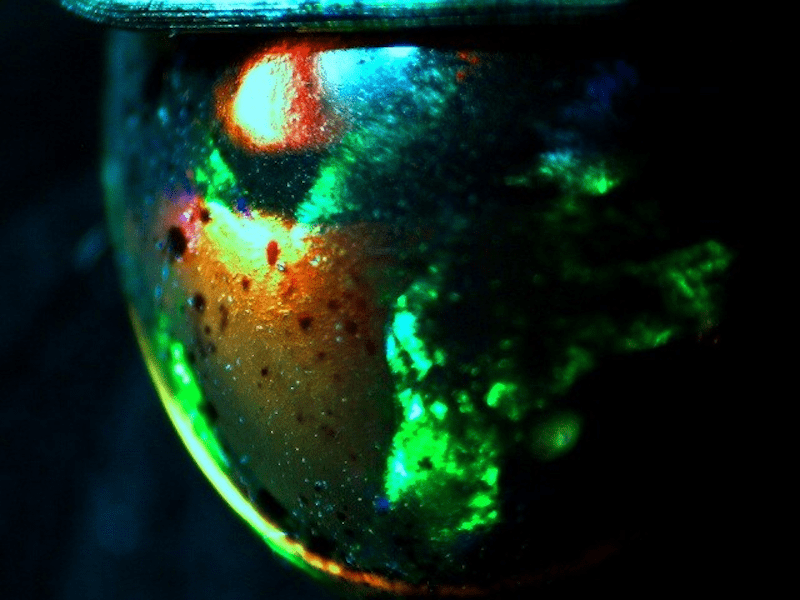
With so many opal treatments on the market, it’s important to understand the different enhancement processes. Read on to learn how to detect treated opals.
7 Minute Read
Many kinds of gemstones frequently receive treatments or enhancements to improve their appearance or stability. With the demand for attractive, affordable opals growing, vendors are finding new ways to treat lower-quality opals to improve their salability, too. Treated opals can be quite beautiful, but problems arise when unscrupulous or uninformed sellers don’t disclose these treatments.
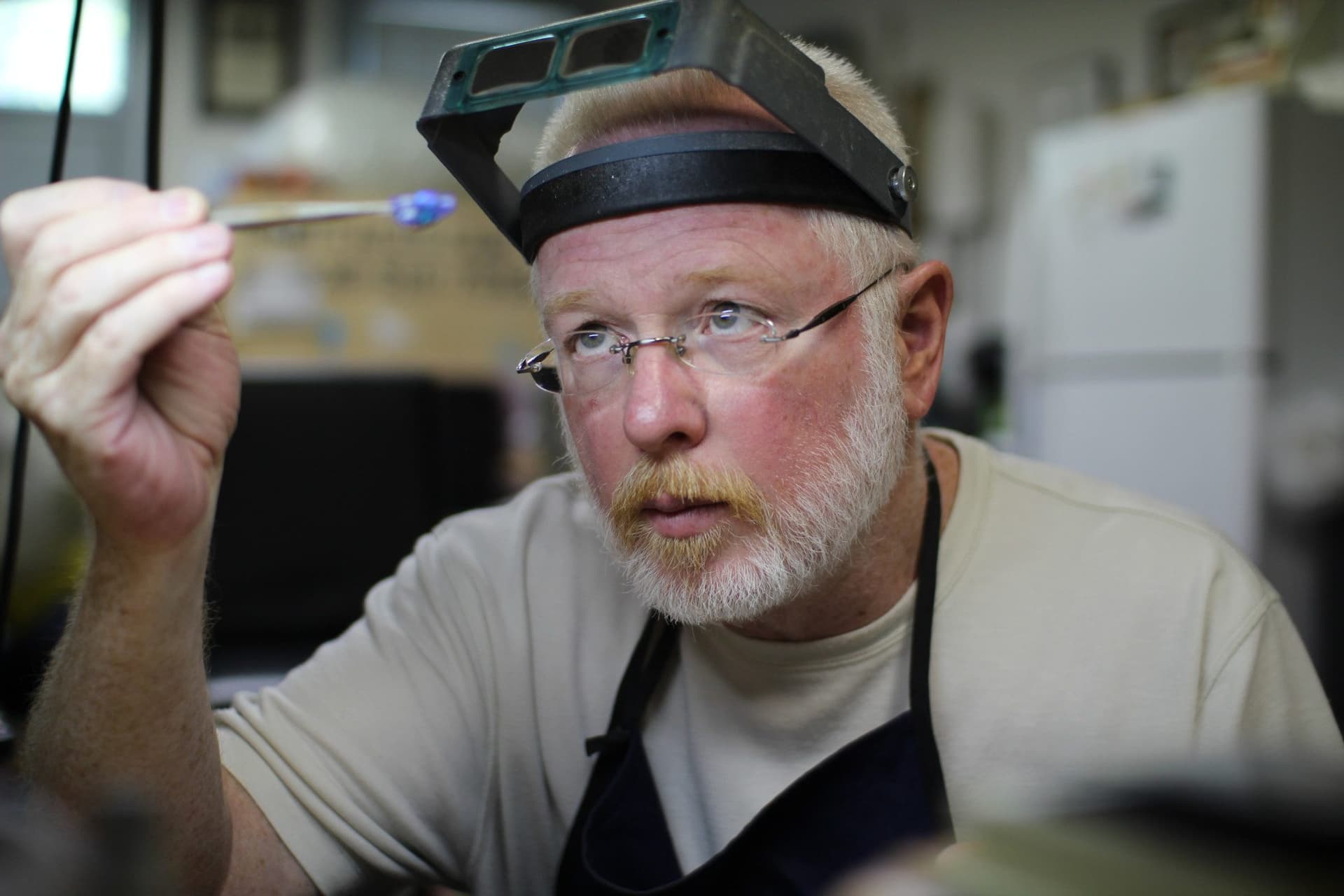
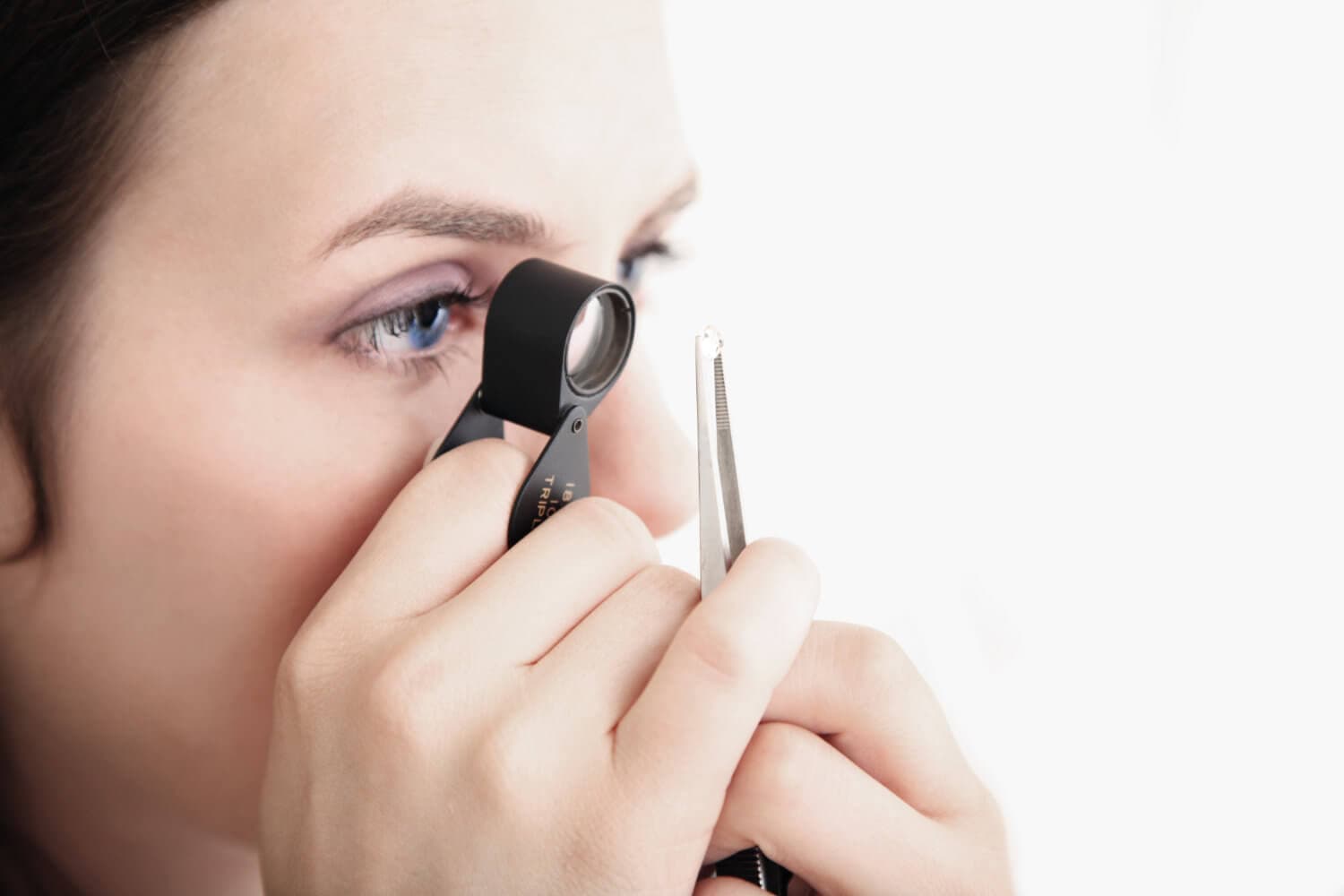
The first thing you’ll need to do is determine what type of opal you have. All you’ll need is a 10X loupe, a flashlight, and some water.
When considering opal treatments, hydrophane opals are your biggest concern. This type of opal is porous, which means it’s susceptible to all sorts of procedures that simply wouldn’t work on other types.
If you suspect your opal has undergone treatment, you should test it to see if it’s a hydrophane. To do this, look at your gem through a loupe in transmitted light. (A flashlight shining through the stone will do just fine). Next, place a drop of water on the stone’s surface. A non-porous opal will appear the same after the drop evaporates, but a hydrophane opal will absorb the drop. If you can see the outline…

When you join the IGS community, you get trusted diamond & gemstone information when you need it.
Many kinds of gemstones frequently receive treatments or enhancements to improve their appearance or stability. With the demand for attractive, affordable opals growing, vendors are finding new ways to treat lower-quality opals to improve their salability, too. Treated opals can be quite beautiful, but problems arise when unscrupulous or uninformed sellers don’t disclose these treatments.
The first thing you’ll need to do is determine what type of opal you have. All you’ll need is a 10X loupe, a flashlight, and some water.
When considering opal treatments, hydrophane opals are your biggest concern. This type of opal is porous, which means it’s susceptible to all sorts of procedures that simply wouldn’t work on other types.
If you suspect your opal has undergone treatment, you should test it to see if it’s a hydrophane. To do this, look at your gem through a loupe in transmitted light. (A flashlight shining through the stone will do just fine). Next, place a drop of water on the stone’s surface. A non-porous opal will appear the same after the drop evaporates, but a hydrophane opal will absorb the drop. If you can see the outline…

With so many opal treatments on the market, it’s important to understand the different enhancement processes. Read on to learn how to detect treated opals.


“I have never known or heard of an organization that offers so much for its members, and at such a low cost.”
— Ernest Roisch, Rainbow Rocks LTD
That's less than $0.01 per article. Get instant access to 1,700+ premium articles, courses, and gem pricing data.