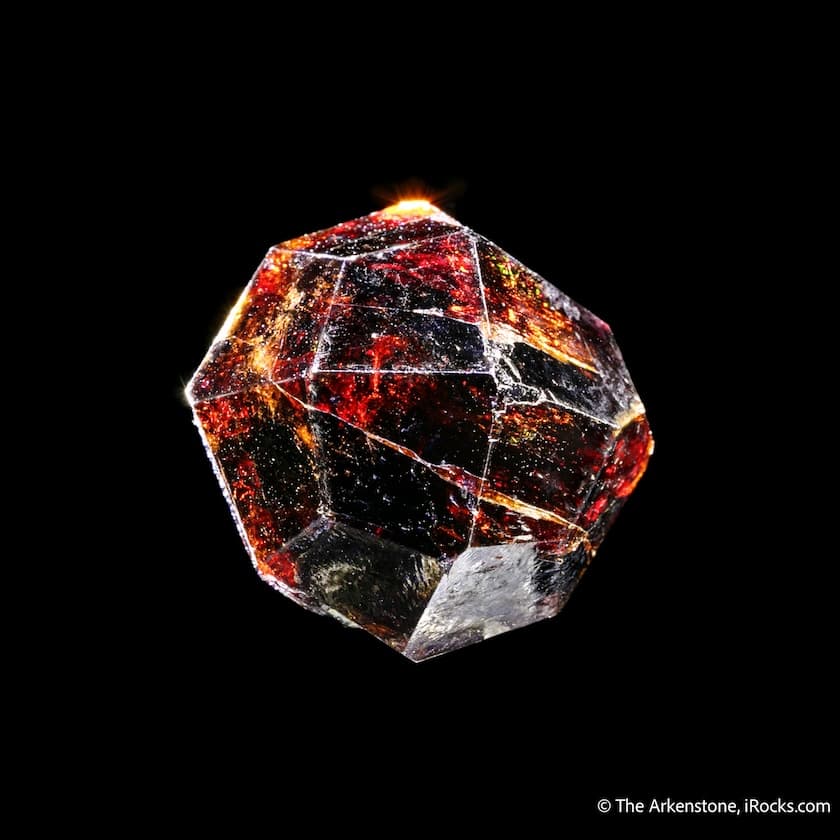
Crystallography is the study of crystalline solids and their properties. Learn how mineralogists use this to identify minerals.
13 Minute Read
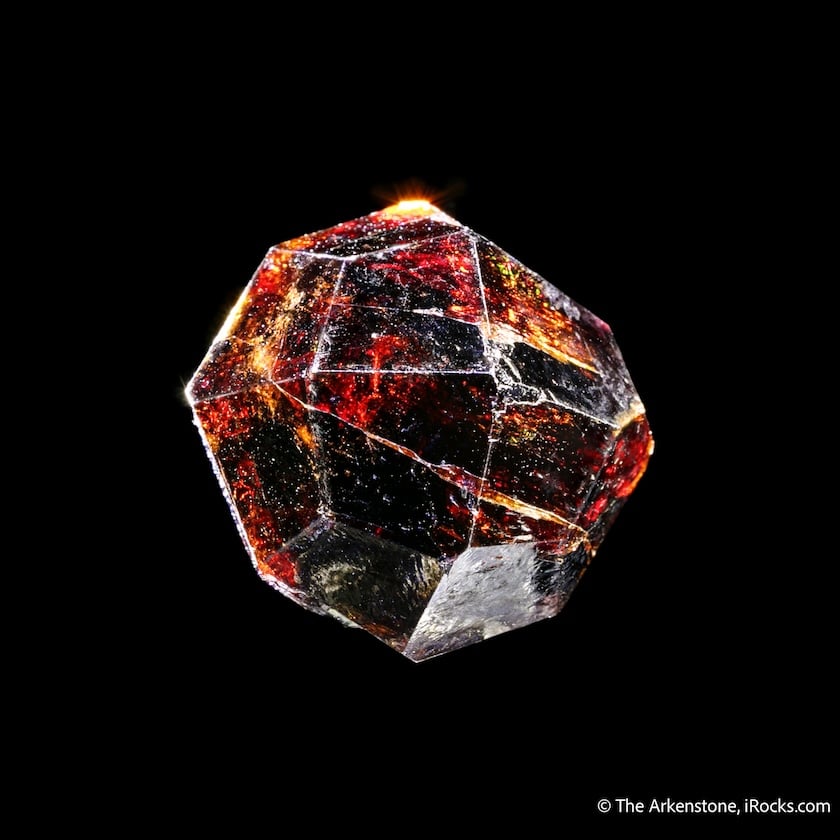
What is crystallography?

Crystallography is concerned with the laws governing the crystalline state of solid materials, with the arrangement of atoms in crystals, and with their physical and chemical properties, their synthesis and their growth. (Borchardt-Ott, 2011)
Mineralogists study crystallography because they study minerals, which are, by definition, naturally occurring crystalline materials. Many gemstones are also minerals, so gemologists have an interest in crystallography, too.
People have been interested in crystals for millennia, but here we will discuss the scientific study of crystalline materials and their properties.
Crystallography began as the study and description of the external appearances of crystals. This is known as morphology. Researchers measured the angles between the faces of crystals and created organized principles about crystal shapes based on their findings.
A six-cornered snowflake inspired the German astronomer and mathematician Johannes Kepler (1571-1630) to consider the material’s inner structure, which always resulted in six-rayed snowflakes. He compared the arrangement of particles within matter to how vendors stack fruits
…
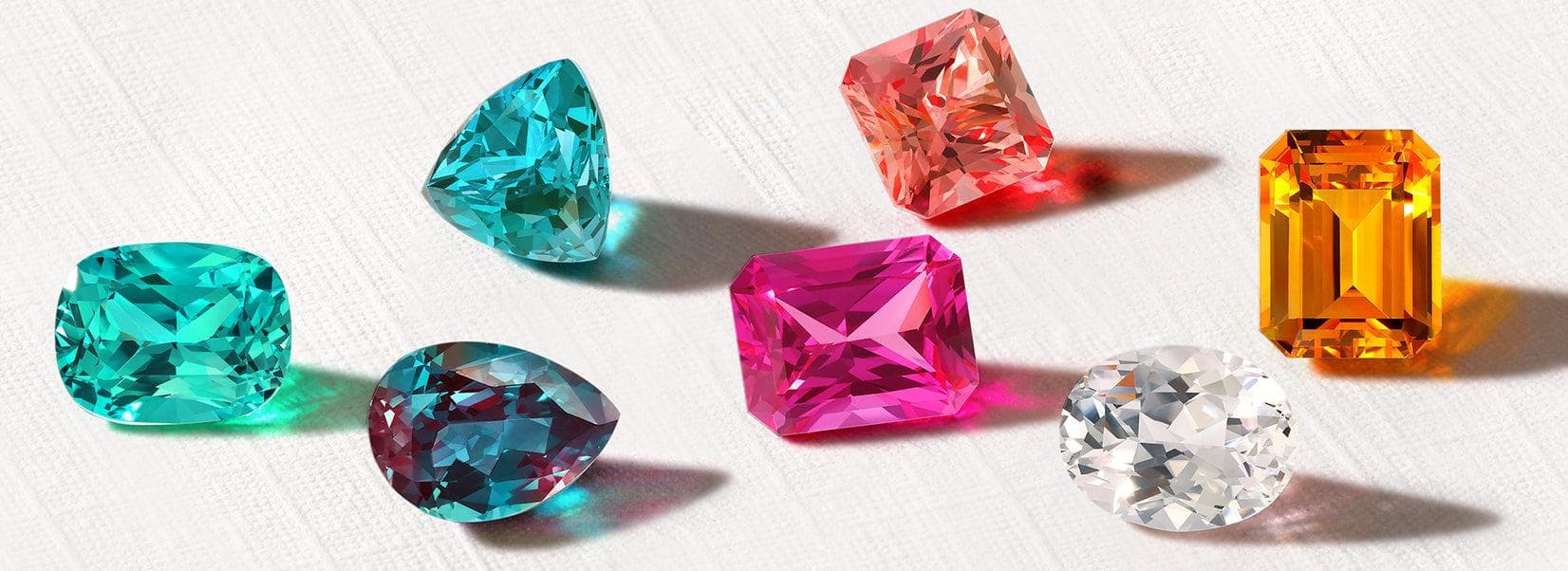
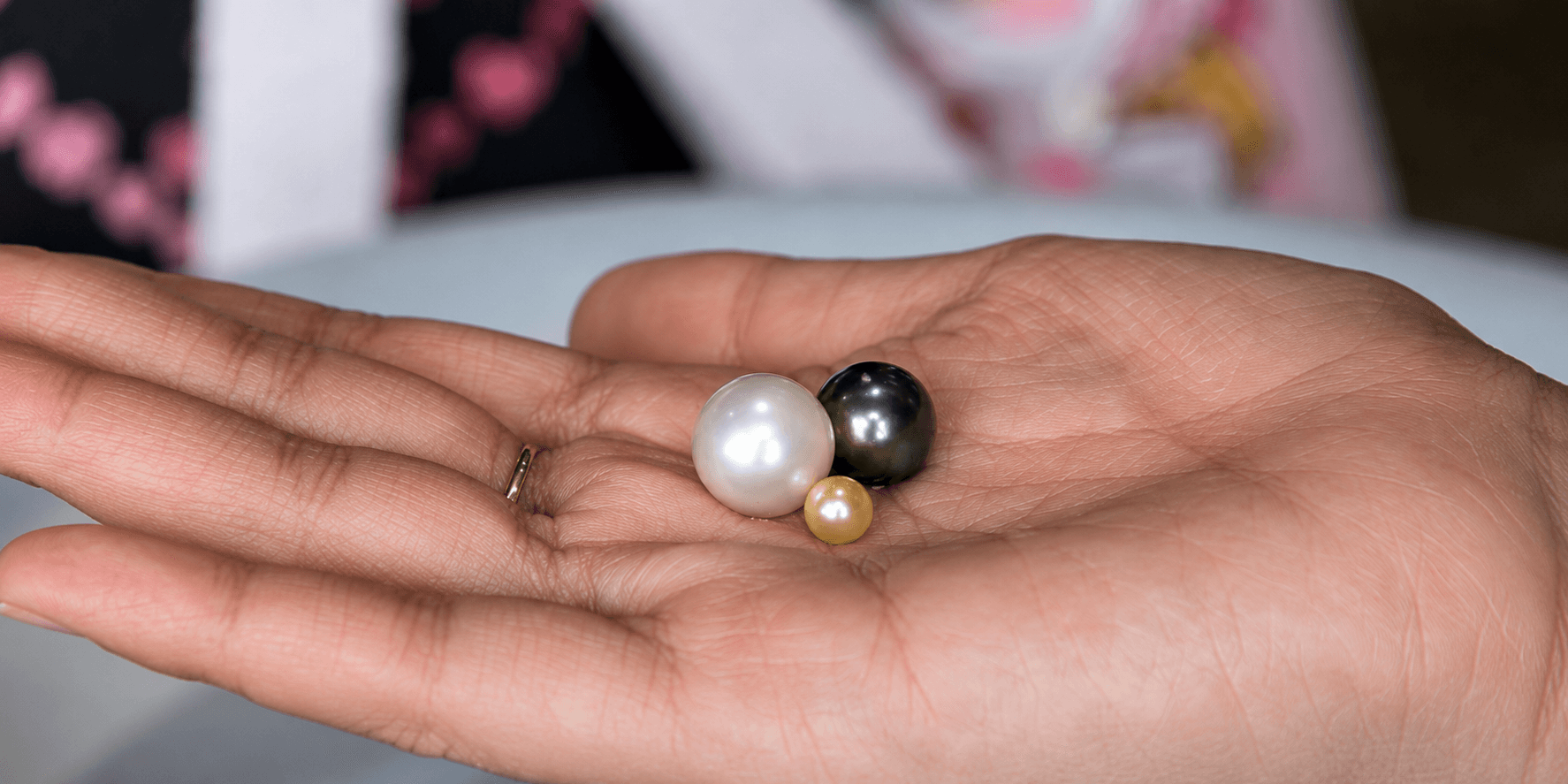



When you join the IGS community, you get trusted diamond & gemstone information when you need it.
What is crystallography?
Crystallography is concerned with the laws governing the crystalline state of solid materials, with the arrangement of atoms in crystals, and with their physical and chemical properties, their synthesis and their growth. (Borchardt-Ott, 2011)
Mineralogists study crystallography because they study minerals, which are, by definition, naturally occurring crystalline materials. Many gemstones are also minerals, so gemologists have an interest in crystallography, too.
People have been interested in crystals for millennia, but here we will discuss the scientific study of crystalline materials and their properties.
…Crystallography began as the study and description of the external appearances of crystals. This is known as morphology. Researchers measured the angles between the faces of crystals and created organized principles about crystal shapes based on their findings.
A six-cornered snowflake inspired the German astronomer and mathematician Johannes Kepler (1571-1630) to consider the material’s inner structure, which always resulted in six-rayed snowflakes. He compared the arrangement of particles within matter to how vendors stack fruits

Crystallography is the study of crystalline solids and their properties. Learn how mineralogists use this to identify minerals.


“I have never known or heard of an organization that offers so much for its members, and at such a low cost.”
— Ernest Roisch, Rainbow Rocks LTD
That's less than $0.01 per article. Get instant access to 1,700+ premium articles, courses, and gem pricing data.