Introduction to Destructive Mineral TestsIntroduction to Destructive Mineral Tests

Mineralogy Certification Course

Introduction to Destructive Mineral Tests
HomeCoursesMineralogy Certification CourseIntroduction to Destructive Mineral Tests
By Donald Clark, CSM IMG, updated on
Why do  mineralogists have an easier time identifying specimens than gemologists? Because they can more readily conduct destructive gemstone testing. Mineralogists can scratch minerals to test their hardness, check their reaction to acids, and even put them in a torch's flame to identify them. It is only with care and caution that gemologists should conduct these tests.
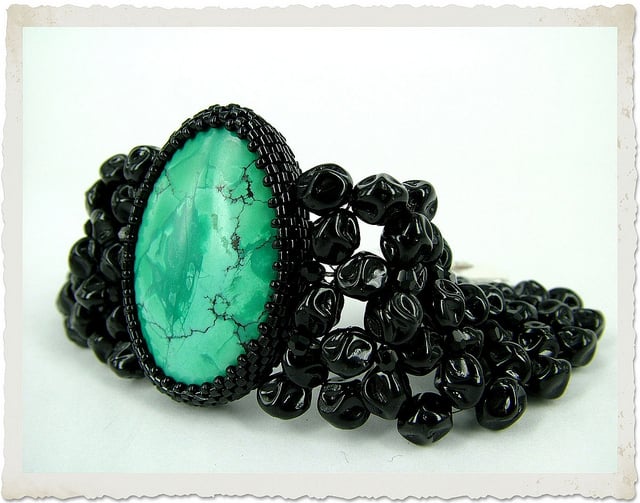
Cuff with turquoise stones - destructive gemstone testing
Turquoise stones are sometimes coated with thin layers of wax to improve their appearance. A hot point test on a tiny, inconspicuous spot can make any wax present bead like perspiration on the stone without actually touching its surface or damaging it. Destructive gemstone testing, like a hot point test, is a "last resort" for gemologists trying to make a difficult gem or treatment identification. When done carefully by a professional, these tests shouldn't lessen the value of a gem or jewelry piece. Turquoise cuff with vintage beads. Jewelry and photo by Melissa Ingram. Licensed under CC By 2.0.

Destructive tests are informative but, obviously, they can damage specimens and reduce their value, if the specimen is being held for value. Otherwise, mineralogists are not as concerned about destructive testing as gemologists.

For gem identification, gemologists normally use complex optical and microscopic examinations to identify unknown gemstones without damaging them. Unfortunately, standard gemological tests occasionally fall short of positive identification. In these cases, gemologists must resort to destructive gemstone testing. With great care, however, these tests can be conducted in a limited manner without diminishing the value of the stone.

Destructive Gemstone Testing Series

Our five-part series on destructive tests offers concise explanations of the principal procedures.
scratch test - quartz vs calcite
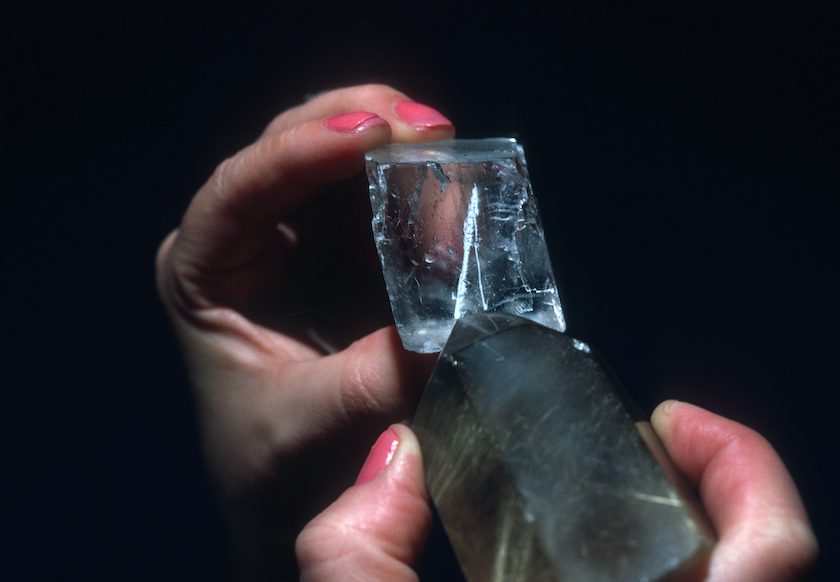
A material with a Mohs hardness of 7 will scratch any material with a lower hardness. For example, this quartz (7) scratches a piece of calcite (3). Photo © Joel E. Arem, PhD, FGA. Used with permission.

Editor's Note: The original article has been updated and adapted for the Mineralogy Certification course.

Never Stop Learning

When you join the IGS community, you get trusted diamond & gemstone information when you need it.
Become a Member

Get Gemology Insights

Get started with the International Gem Society’s free guide to gemstone identification. Join our weekly newsletter & get a free copy of the Gem ID Checklist!