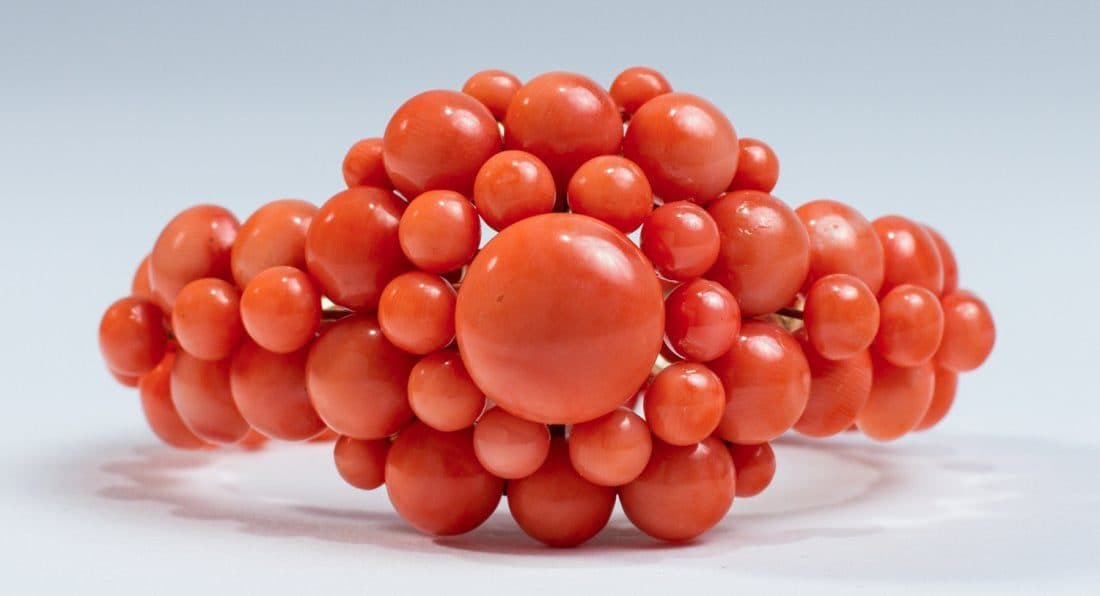
Gemologists use the hot point test to determine if a piece is a plastic imitation or coated in wax. Learn more about this destructive test here.
2 Minute Read
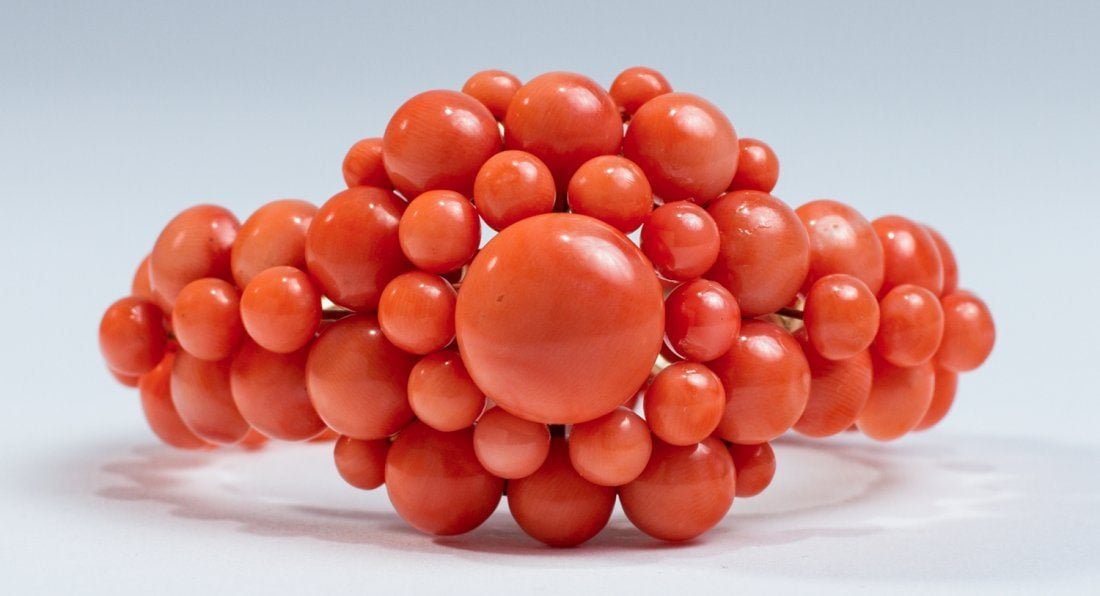
Keep in mind that hot point testing is a destructive procedure. Gemologists should conduct this test on finished gems only as a last resort for identification.
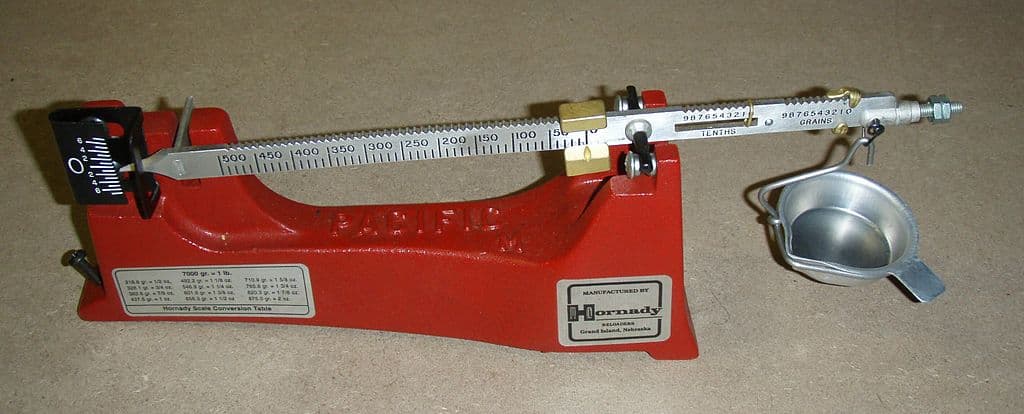
You can purchase electrically heated hot points or you can make your own. Just insert the blunt end of a needle into a cork. To use, simply heat the needle over a small flame until the tip turns a dull red.
Do not use heavy liquids on a gem before hot point testing. In fact, it’s not a good idea to use heavy liquids for specific gravity testing on any porous stone. They will sweat out with heat and are very toxic to breathe.

When you join the IGS community, you get trusted diamond & gemstone information when you need it.
Keep in mind that hot point testing is a destructive procedure. Gemologists should conduct this test on finished gems only as a last resort for identification.
You can purchase electrically heated hot points or you can make your own. Just insert the blunt end of a needle into a cork. To use, simply heat the needle over a small flame until the tip turns a dull red.
Do not use heavy liquids on a gem before hot point testing. In fact, it’s not a good idea to use heavy liquids for on any porous stone. They will sweat out with heat and are very toxic to breathe.
…
Gemologists use the hot point test to determine if a piece is a plastic imitation or coated in wax. Learn more about this destructive test here.


“I have never known or heard of an organization that offers so much for its members, and at such a low cost.”
— Ernest Roisch, Rainbow Rocks LTD
That's less than $0.01 per article. Get instant access to 1,700+ premium articles, courses, and gem pricing data.