Lab-Grown Diamond Production Methods
While natural diamonds form deep in the Earth over millions of years, lab-grown or synthetic diamonds are formed in laboratories in weeks. Nevertheless,…
While natural diamonds form deep in the Earth over millions of years, lab-grown or synthetic diamonds are formed in laboratories in weeks. Nevertheless,…
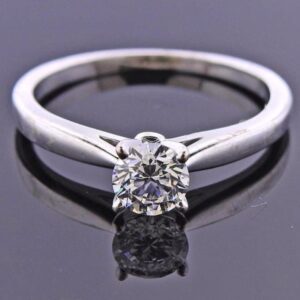
Today, lab-grown or synthetic diamonds are evaluated by the same grading standards used for natural diamonds. All diamonds can receive precise…
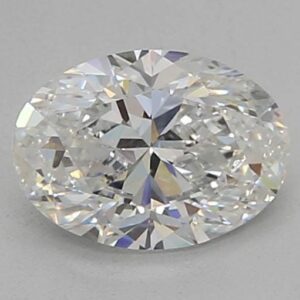
What are the major factors behind lab-grown diamond pricing? Learn how synthetic diamond pricing differs from that of natural diamonds.
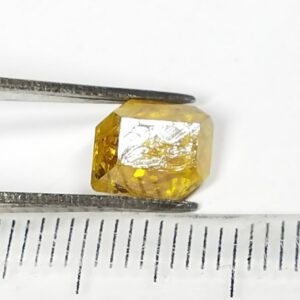
Lab-grown diamond production methods simulate the natural conditions that produce diamonds deep underground. Learn how the HPTP and CVD processes…

Polished and sliced datolite nodules can show off very attractive colors. Datolite is a popular collector’s mineral, but faceted and cabbed…
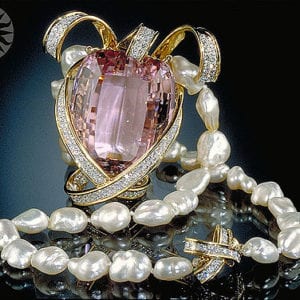
Cutting kunzite and other gemstones with easy cleavage is challenging. These tips can help you facet this beautiful and valuable gem.
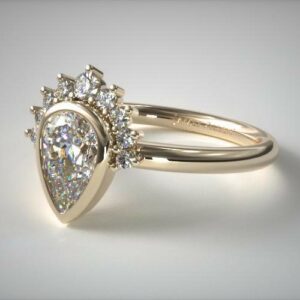
Platinum and gold are the two of the best types of metal for an engagement ring. But they aren’t the only choices. This guide explores other metal…
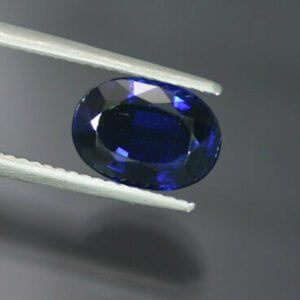
Kyanite’s physical properties make it very difficult to facet. However, it’s a popular collector’s gem, especially in sapphire-blue…
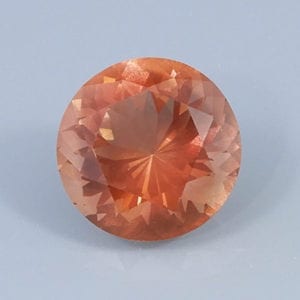
How can a custom gem faceter compete with commercial cutting houses? Learn how cut stone sizes, gem quality, and expert cutting can make a difference.…
 IGS Become Member