8 Minute Read
The mineral species corundum is tremendously important in the world of gemology. It gives us sapphires in all possible colors, including red, which we call "ruby". You can access our value reference guides for blue sapphire, fancy color sapphire, and ruby. Yet, corundum does so much more than give us a rainbow of transparent gems! It can also exhibit two phenomenal effects: asterism and color change.
The primary value characteristic for both phenomenal gem varieties is the quality of the phenomena themselves. These stones are rare, so buyers want their gems to display their uniqueness as beautifully as possible. As such, each effect has its own value range that needs to be examined individually.
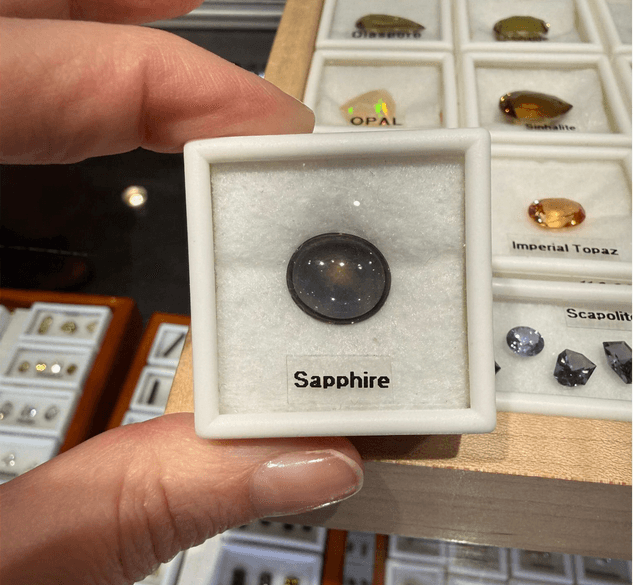
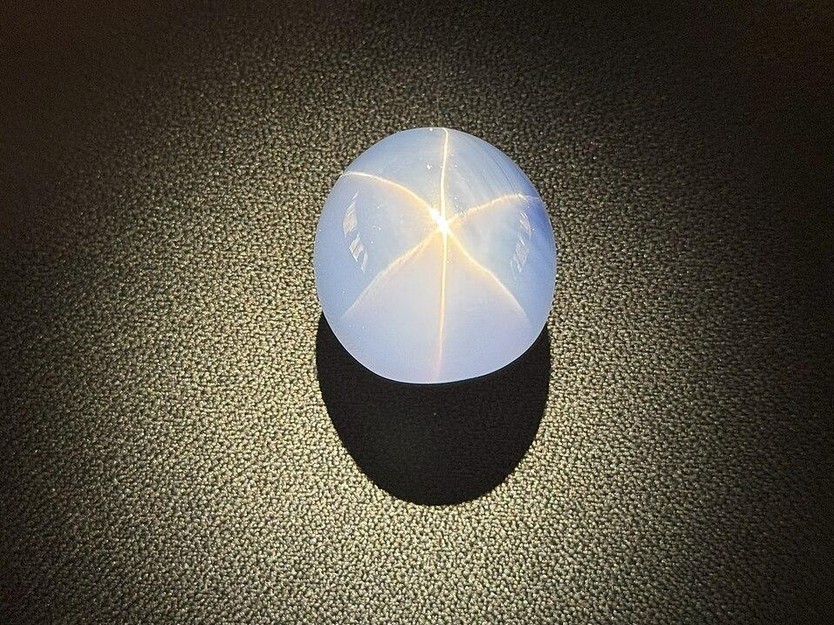
Asterism describes gemstones that have reflective bands that seem to sweep light across the surface of the gems. When a gem has just a single band creating what is commonly known as a "cat's eye", the technical descriptive term is "chatoyancy". Should there be multiple bands that intersect, gems are called "star" sapphires and rubies. Most stars in corundum have a total of three bands, which create a six-rayed star. It is also possible to have two bands resulting in a four-rayed star and, very rarely, six bands making an impressive twelve-rayed star. An interesting note: the vast majority of star corundum comes from Sri Lanka. Conservative estimates state that it is about 75%, but others argue that the number is significantly higher.
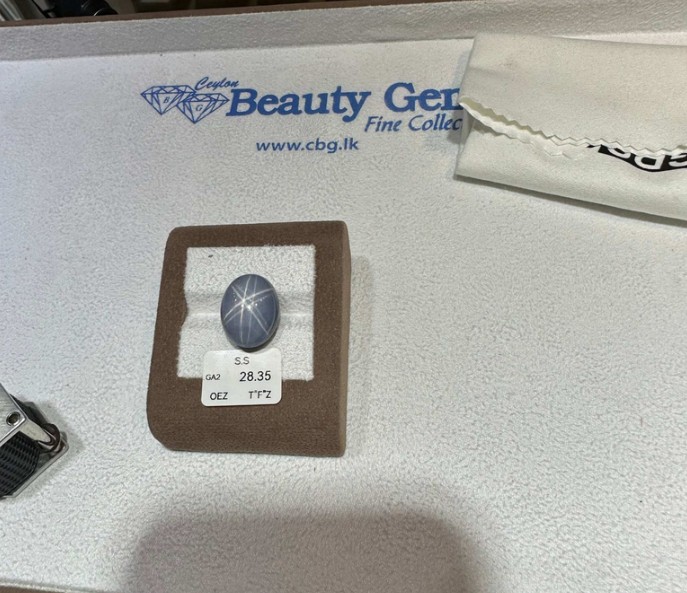
If you read our value guides for sapphire and ruby, you will see that gems with eye-clean clarity are valued significantly higher than gems with noticeable inclusions. For cat's eye, star sapphires and rubies, this is not the case. The phenomenal bands are made by a multitude of microscopic, needle-like inclusions that are perfectly aligned alongside each other. When light hits these inclusions, they reflect it back. Gemologists call this type of inclusion "silk". The silk in chatoyant corundum all lies in the same direction, creating a single reflective band. When the silk lines up in multiple directions, you get a multi-rayed star.
With so much silk present, corundum with asterism is not eye-clean. However, bear in mind that there are degrees of transparency. The most valuable star corundum is semi-transparent with just enough silk to make bold rays. Too much silk results in gems becoming cloudy and their bodycolor dulled. Not enough silk, and the bands are unimpressive.
The best gems should have only silk as a visible inclusion. Any included crystals, fractures, or irregularities on the surface that can be seen with the naked eye reduce value.
It is the quality of the bands that most strongly affects the value of corundum with asterism. Collectors look specifically for bands that are bright and sharply defined. Such severe bands are rare because they require that silk be present in the proper quantity and precisely organized. Silk that is not so aligned gives a more diffuse band. Further, when there are multiple bands, all should have the same visual intensity and be of identical length so that the effect of the star is even.
Interestingly, you won't see too many low-quality star corundum gems because such stones are valued significantly less than transparent, non-phenomenal corundum. As a result, corundum with poorly expressed asterism is usually heat treated to dissolve the silk and improve bodycolor.
Lastly, bands should be dynamic, a trait known to gemologists as "movement", with light running fluidly across the surface of the gem.
For many transparent gemstones, the cut can be difficult to evaluate. Not so for corundum with asterism! Gems with asterism are fashioned into cabochons, which sounds like it should be simple enough, but, in reality, requires specialized knowledge. Gems are oriented so that the phenomenon is equally expressed no matter the angle from which the stone is viewed. Should there be multiple rays, the center of the star must be perfectly centered at the top of the cabochon. Any misalignments causing asymmetry will cause the value to drop dramatically.
There are also some proportional benchmarks for cutters to keep in mind. Typically, the height of the dome should be two-thirds of the width of the base. If the dome is lower than that, the asterism will disappear on the sides. Too high, and the shape impedes the movement of the phenomenon, and the stone becomes impractical for use in jewelry.
Star corundum can have bodycolors that are red, blue, black, purple, yellow, and gray, and the color is judged similarly to non-phenomenal corundum. Bodycolors that are vividly expressed and have strong contrast against the bright bands sit at the top of the value range.
When you compare the value of the best stones of each color, star rubies with a pure red hue stand out as the priciest variety. A large part of the reason that fine star rubies are so expensive is that they are rare. It is extremely uncommon to find red star corundum without modifying hues of purple, pink, or brown.
After reds, blue star sapphires are the second most valuable variety, but it turns out that second place is far from first. The best blue star sapphires are a fraction of the best star rubies. In fact, blue gems can be valued at one-tenth the cost of a similar red stone. This disparity comes down to rarity. Not only are blue star sapphires with fine color much more common than star rubies, but they also grow to be significantly bigger in size. Collectors look for a bodycolor of vivid pure blue or violetish blue, and there is a relatively large number of star blue sapphires weighing in excess of a hundred carats. These giant wonders of nature can fetch thousands of dollars per carat.
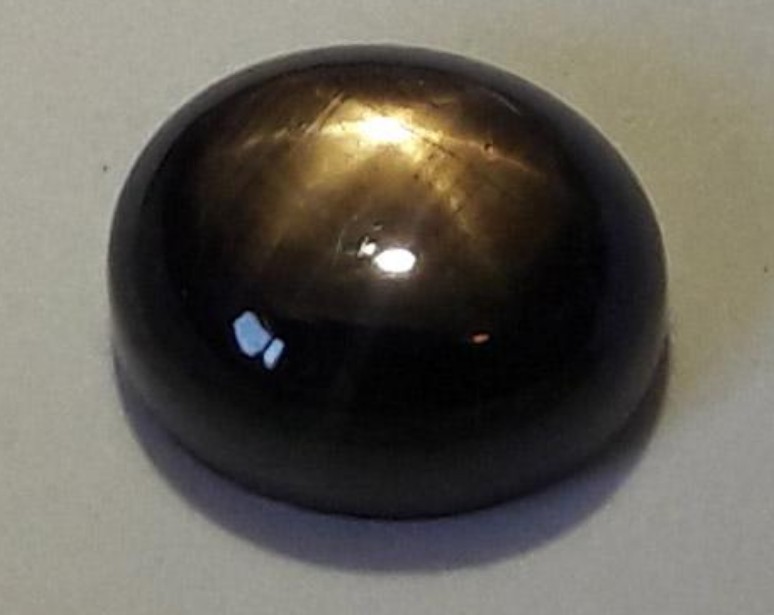
The color that is consistently valued lowest is black. This might seem strange because a powerful contrast between bodycolor and the band color usually equals higher value, and nothing contrasts more than white against black. Thailand and Australia have quite a bit of this material and it may sell for just dollars per carat. However, if you like the look of black star sapphire, keep an eye out for stones that have rare golden bands. These exceptionally beautiful gems are sometimes called "golden stars" and have greater value than black sapphires with white bands, but are still very affordable.
Sapphires are one of several gemstone species that can appear to have a different bodycolor when illuminated by different lighting conditions, a phenomenon called "color-change". Not all colors of sapphire can achieve this effect. Specifically, color-change sapphires shift between blue or violet in daylight to warmer violetish purple to reddish purple under incandescent light. Rarely, you will also find sapphires that are green with natural lighting conditions, which morph dramatically to a reddish-brown color. What these stones have in common is unusually high amounts of vanadium in their chemical structure.
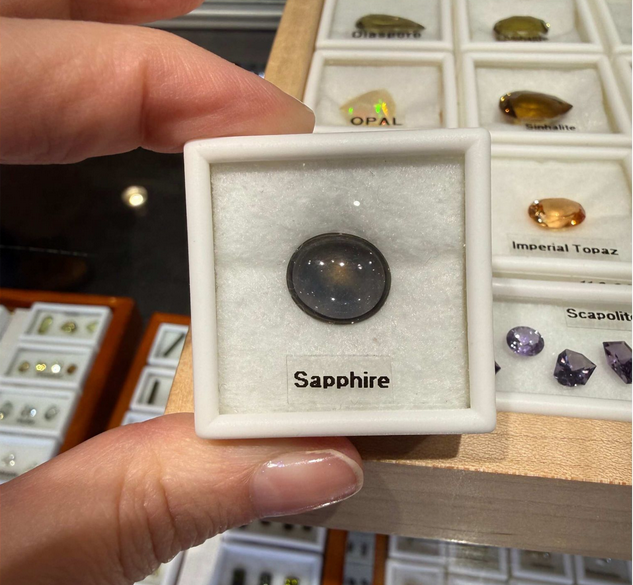
As with asterism, the value of color-change sapphires is dictated by the quality of their two colors. The best color-change sapphires have two distinct bodycolors, while lower-quality stones will not have as impressive overall color change, and you might see both color options blending into each other simultaneously. Gemologists rate the color shift as strong, moderate, or weak.
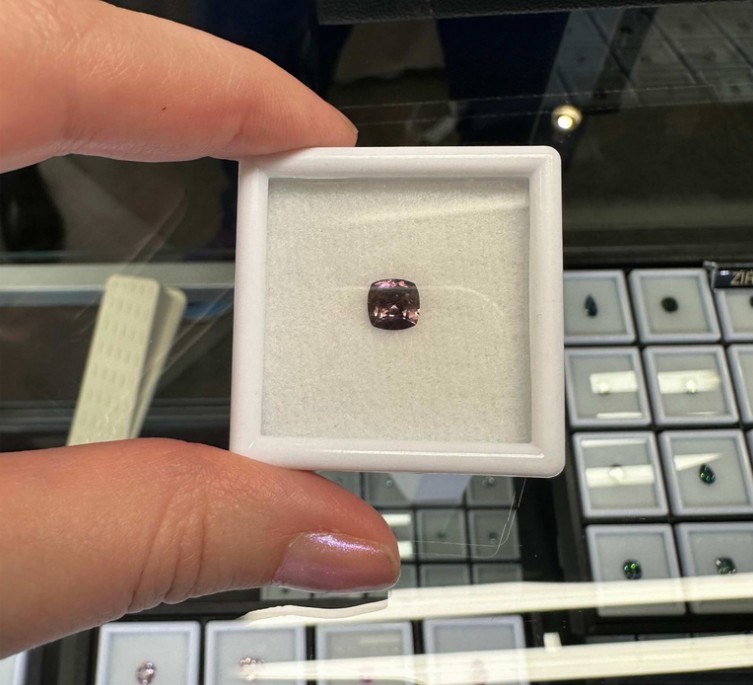
The other famous gemstone variety that displays the color-change phenomenon is alexandrite. Alexandrite is a rare gemstone that rarely grows larger than several carats. Typically, you will find phenomenal sapphire to be just a fraction of the value of a similar alexandrite, making it the favored option for many designers and consumers.
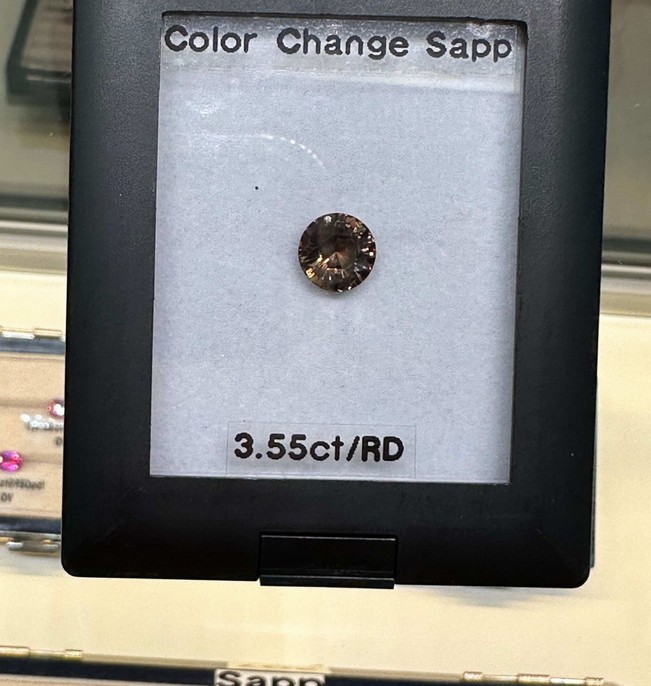
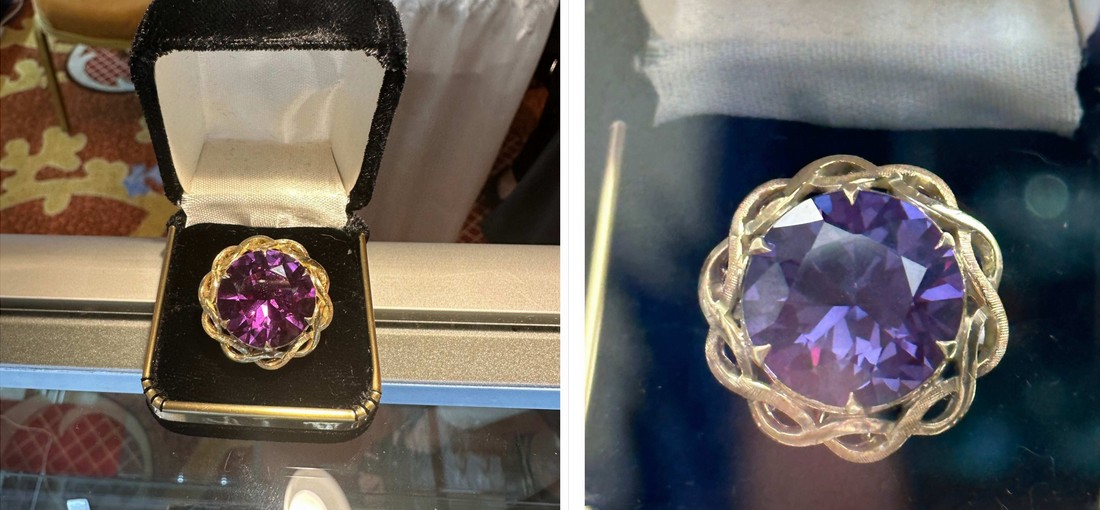
Both star and color-change corundum varieties have low-value man-made alternatives. Synthetic color-change sapphires came first in the early twentieth century, and they were an immediate success. Jewelers set gems that shifted from a blue, gray, or green color to a vibrant reddish purple, pink, or violet shade under incandescent light. Manufacturers were able to grow crystals to huge sizes, and large faceted stones were often set in oversized cocktail rings beginning in the 1920s. Due to their flamboyant colors, synthetic color-change sapphires are usually easy to spot, even without magnification.
Synthetic star sapphires were first created in 1947 by Union Carbide's Linde Division and are commonly referred to as "Linde star sapphires". Although production of these gems halted in 1974, they have an interesting place in history. In the decades following their initial synthesis, many working-class individuals (men and women) who, for the first time, were offered the opportunity to ascend the ranks of their profession and earn a higher wage, chose to wear Linde sapphire jewelry. If you peruse vintage and estate jewelry stores, you can still find valuable pieces with Linde star sapphires set in high karat gold with other natural gems, including diamonds.
Linde star sapphires are also often easy to spot because they pair a perfectly uniform color with an unrealistically sharp, perfectly centered, six-rayed star.



When you join the IGS community, you get trusted diamond & gemstone information when you need it.
The mineral species corundum is tremendously important in the world of gemology. It gives us sapphires in all possible colors, including red, which we call "ruby". You can access our value reference guides for blue sapphire, fancy color sapphire, and ruby. Yet, corundum does so much more than give us a rainbow of transparent gems! It can also exhibit two phenomenal effects: asterism and color change.
The primary value characteristic for both phenomenal gem varieties is the quality of the phenomena themselves. These stones are rare, so buyers want their gems to display their uniqueness as beautifully as possible. As such, each effect has its own value range that needs to be examined individually.
Asterism describes gemstones that have reflective bands that seem to sweep light across the surface of the gems. When a gem has just a single band creating what is commonly known as a "cat's eye", the technical descriptive term is "chatoyancy". Should there be multiple bands that intersect, gems are called "star" sapphires and rubies. Most stars in corundum have a total of three bands, which create a six-rayed star. It is also possible to have two bands resulting in a four-rayed star and, very rarely, six bands making an impressive twelve-rayed star. An interesting note: the vast majority of star corundum comes from Sri Lanka. Conservative estimates state that it is about 75%, but others argue that the number is significantly higher.
If you read our value guides for sapphire and ruby, you will see that gems with eye-clean clarity are valued significantly higher than gems with noticeable inclusions. For cat's eye, star sapphires and rubies, this is not the case. The phenomenal bands are made by a multitude of microscopic, needle-like inclusions that are perfectly aligned alongside each other. When light hits these inclusions, they reflect it back. Gemologists call this type of inclusion "silk". The silk in chatoyant corundum all lies in the same direction, creating a single reflective band. When the silk lines up in multiple directions, you get a multi-rayed star.
With so much silk present, corundum with asterism is not eye-clean. However, bear in mind that there are degrees of transparency. The most valuable star corundum is semi-transparent with just enough silk to make bold rays. Too much silk results in gems becoming cloudy and their bodycolor dulled. Not enough silk, and the bands are unimpressive.
The best gems should have only silk as a visible inclusion. Any included crystals, fractures, or irregularities on the surface that can be seen with the naked eye reduce value.
It is the quality of the bands that most strongly affects the value of corundum with asterism. Collectors look specifically for bands that are bright and sharply defined. Such severe bands are rare because they require that silk be present in the proper quantity and precisely organized. Silk that is not so aligned gives a more diffuse band. Further, when there are multiple bands, all should have the same visual intensity and be of identical length so that the effect of the star is even.
Interestingly, you won't see too many low-quality star corundum gems because such stones are valued significantly less than transparent, non-phenomenal corundum. As a result, corundum with poorly expressed asterism is usually heat treated to dissolve the silk and improve bodycolor.
Lastly, bands should be dynamic, a trait known to gemologists as "movement", with light running fluidly across the surface of the gem.
For many transparent gemstones, the cut can be difficult to evaluate. Not so for corundum with asterism! Gems with asterism are fashioned into cabochons, which sounds like it should be simple enough, but, in reality, requires specialized knowledge. Gems are oriented so that the phenomenon is equally expressed no matter the angle from which the stone is viewed. Should there be multiple rays, the center of the star must be perfectly centered at the top of the cabochon. Any misalignments causing asymmetry will cause the value to drop dramatically.
There are also some proportional benchmarks for cutters to keep in mind. Typically, the height of the dome should be two-thirds of the width of the base. If the dome is lower than that, the asterism will disappear on the sides. Too high, and the shape impedes the movement of the phenomenon, and the stone becomes impractical for use in jewelry.
Star corundum can have bodycolors that are red, blue, black, purple, yellow, and gray, and the color is judged similarly to non-phenomenal corundum. Bodycolors that are vividly expressed and have strong contrast against the bright bands sit at the top of the value range.
When you compare the value of the best stones of each color, star rubies with a pure red hue stand out as the priciest variety. A large part of the reason that fine star rubies are so expensive is that they are rare. It is extremely uncommon to find red star corundum without modifying hues of purple, pink, or brown.
After reds, blue star sapphires are the second most valuable variety, but it turns out that second place is far from first. The best blue star sapphires are a fraction of the best star rubies. In fact, blue gems can be valued at one-tenth the cost of a similar red stone. This disparity comes down to rarity. Not only are blue star sapphires with fine color much more common than star rubies, but they also grow to be significantly bigger in size. Collectors look for a bodycolor of vivid pure blue or violetish blue, and there is a relatively large number of star blue sapphires weighing in excess of a hundred carats. These giant wonders of nature can fetch thousands of dollars per carat.
The color that is consistently valued lowest is black. This might seem strange because a powerful contrast between bodycolor and the band color usually equals higher value, and nothing contrasts more than white against black. Thailand and Australia have quite a bit of this material and it may sell for just dollars per carat. However, if you like the look of black star sapphire, keep an eye out for stones that have rare golden bands. These exceptionally beautiful gems are sometimes called "golden stars" and have greater value than black sapphires with white bands, but are still very affordable.
Sapphires are one of several gemstone species that can appear to have a different bodycolor when illuminated by different lighting conditions, a phenomenon called "color-change". Not all colors of sapphire can achieve this effect. Specifically, color-change sapphires shift between blue or violet in daylight to warmer violetish purple to reddish purple under incandescent light. Rarely, you will also find sapphires that are green with natural lighting conditions, which morph dramatically to a reddish-brown color. What these stones have in common is unusually high amounts of vanadium in their chemical structure.
As with asterism, the value of color-change sapphires is dictated by the quality of their two colors. The best color-change sapphires have two distinct bodycolors, while lower-quality stones will not have as impressive overall color change, and you might see both color options blending into each other simultaneously. Gemologists rate the color shift as strong, moderate, or weak.
The other famous gemstone variety that displays the color-change phenomenon is alexandrite. Alexandrite is a rare gemstone that rarely grows larger than several carats. Typically, you will find phenomenal sapphire to be just a fraction of the value of a similar alexandrite, making it the favored option for many designers and consumers.
Both star and color-change corundum varieties have low-value man-made alternatives. Synthetic color-change sapphires came first in the early twentieth century, and they were an immediate success. Jewelers set gems that shifted from a blue, gray, or green color to a vibrant reddish purple, pink, or violet shade under incandescent light. Manufacturers were able to grow crystals to huge sizes, and large faceted stones were often set in oversized cocktail rings beginning in the 1920s. Due to their flamboyant colors, synthetic color-change sapphires are usually easy to spot, even without magnification.
Synthetic star sapphires were first created in 1947 by Union Carbide's Linde Division and are commonly referred to as "Linde star sapphires". Although production of these gems halted in 1974, they have an interesting place in history. In the decades following their initial synthesis, many working-class individuals (men and women) who, for the first time, were offered the opportunity to ascend the ranks of their profession and earn a higher wage, chose to wear Linde sapphire jewelry. If you peruse vintage and estate jewelry stores, you can still find valuable pieces with Linde star sapphires set in high karat gold with other natural gems, including diamonds.
Linde star sapphires are also often easy to spot because they pair a perfectly uniform color with an unrealistically sharp, perfectly centered, six-rayed star.