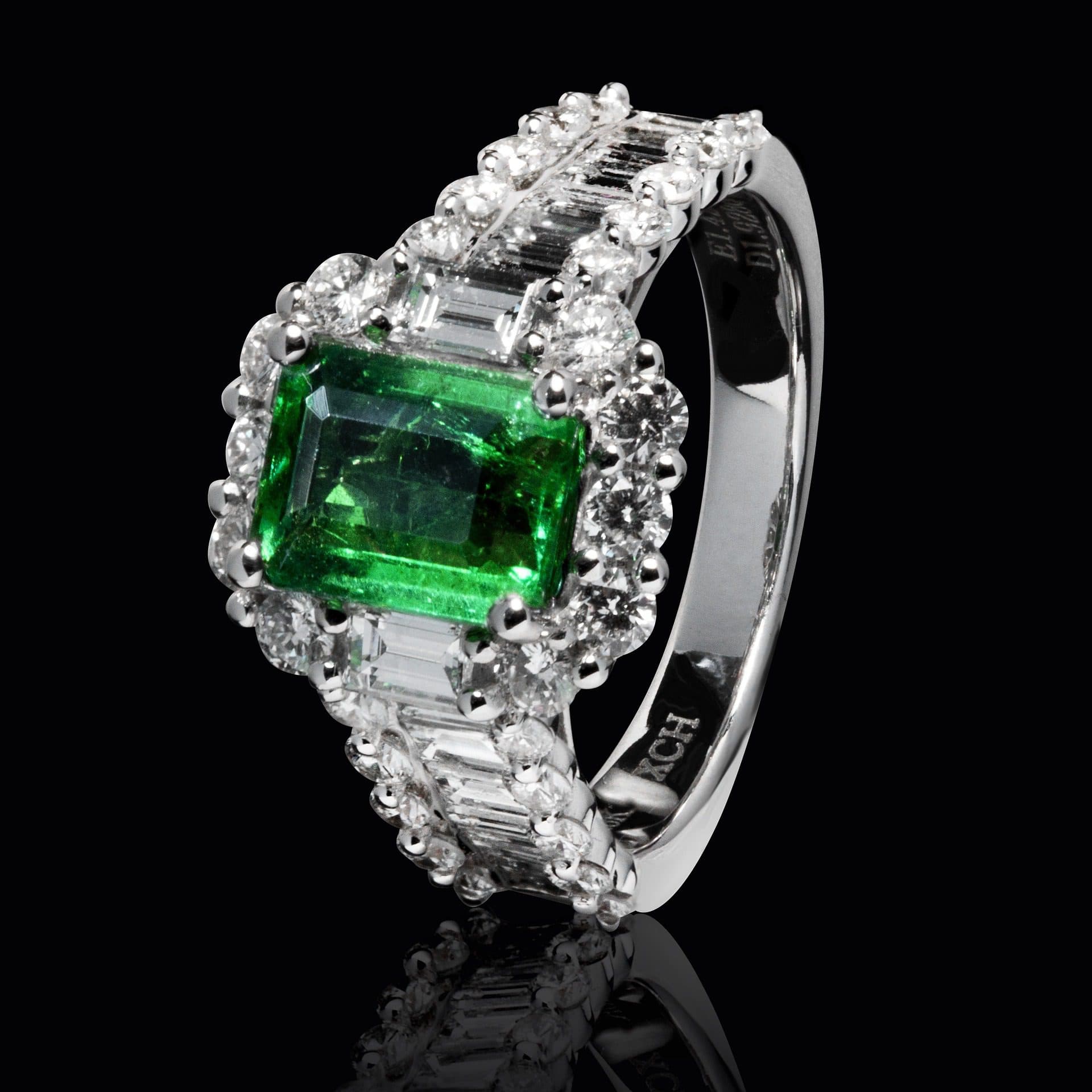
How do emeralds form? Learn how the emerald growth process works and why it makes these gems rare, green, and very fragile.
3 Minute Read
Emerald is a variety of the mineral beryl. Specifically, it’s the green variety that gets its color from impurities of chromium, vanadium, or both. Beryl with poorly saturated green color is called “green beryl.” Other varieties of beryl include aquamarine, morganite, heliodor, and the extremely rare red beryl.
Beryl grows in hexagonal crystals, and some beryl crystals can grow quite large. This mineral can form in hydrothermal veins or in magmatic pegmatites. With beryllium, aluminum, silicon, and oxygen at the right temperature and pressure, this mineral can form, assuming there’s enough space.
When beryl is pure, it’s actually colorless. Trace elements add color to the mineral. So, emeralds form when there’s enough chromium and vanadium where a beryl crystal grows.
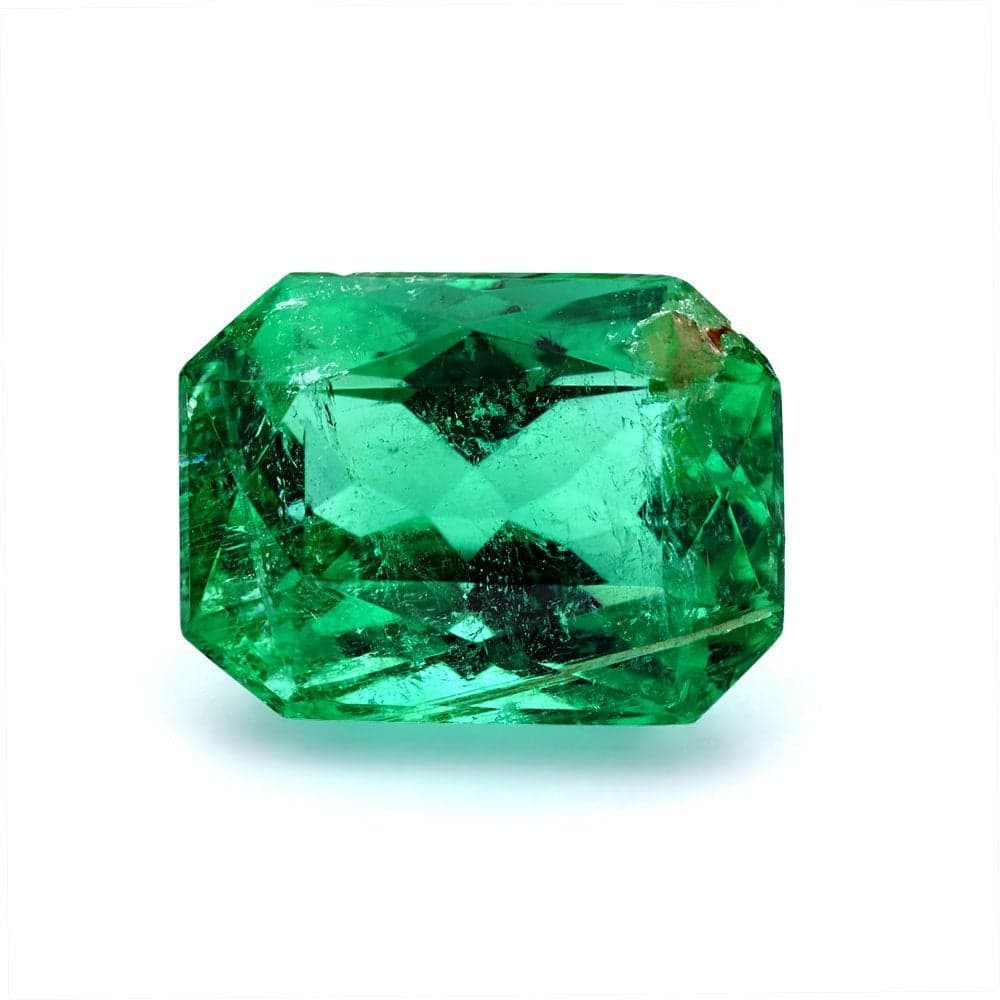
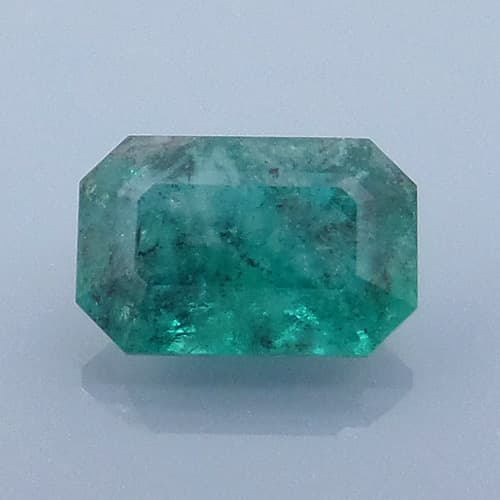
These emerald specimens formed in different environments. The Colombian emerald comes from relatively low-temperature hydrothermal fields, while the Zambian emeralds formed in association with pegmatites. Photos © Rob Lavinsky, www.iRocks.com. Used with permission.
Geologically speaking, emeralds are extremely unusual. Their chemistry combines rare elements from entirely different depths of the Earth, which means that there aren’t many places where they can form.
When the Earth was…


When you join the IGS community, you get trusted diamond & gemstone information when you need it.
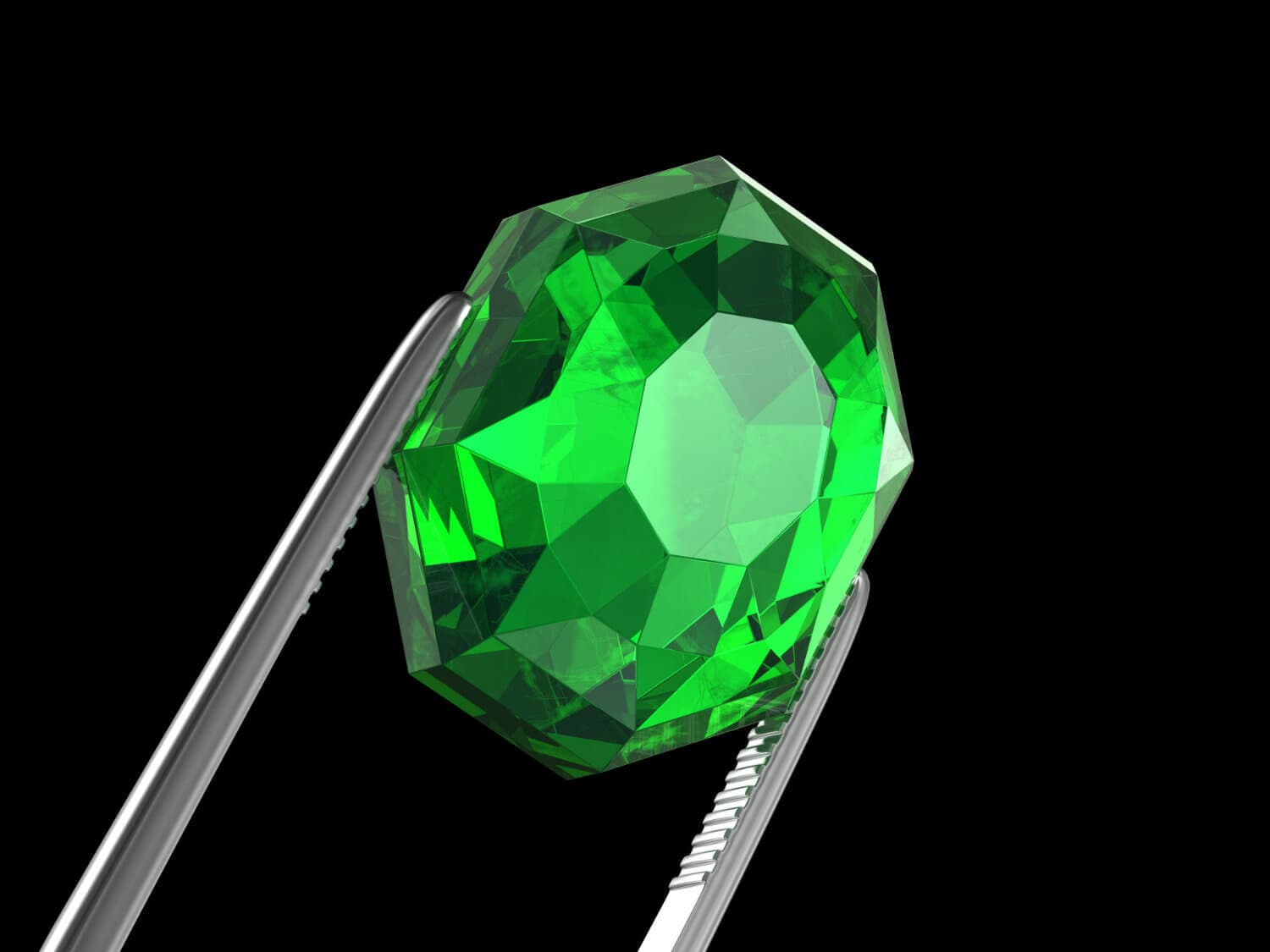
Emerald is a variety of the mineral beryl. Specifically, it’s the green variety that gets its color from impurities of chromium, vanadium, or both. Beryl with poorly saturated green color is called “green beryl.” Other varieties of beryl include aquamarine, morganite, heliodor, and the extremely rare red beryl.
Beryl grows in hexagonal crystals, and some beryl crystals can grow quite large. This mineral can form in hydrothermal veins or in magmatic pegmatites. With beryllium, aluminum, silicon, and oxygen at the right temperature and pressure, this mineral can form, assuming there’s enough space.
When beryl is pure, it’s actually colorless. Trace elements add color to the mineral. So, emeralds form when there’s enough chromium and vanadium where a beryl crystal grows.
These emerald specimens formed in different environments. The Colombian emerald comes from relatively low-temperature hydrothermal fields, while the Zambian emeralds formed in association with pegmatites. Photos © Rob Lavinsky, www.iRocks.com. Used with permission.
Geologically speaking, emeralds are extremely unusual. Their chemistry combines rare elements from entirely different depths of the Earth, which means that there aren’t many places where they can form.
When the Earth was…

How do emeralds form? Learn how the emerald growth process works and why it makes these gems rare, green, and very fragile.


“I have never known or heard of an organization that offers so much for its members, and at such a low cost.”
— Ernest Roisch, Rainbow Rocks LTD
That's less than $0.01 per article. Get instant access to 1,700+ premium articles, courses, and gem pricing data.