7 Minute Read
The feldspar group is one of the most abundant classes of minerals on Earth and there are several varieties that are considered gemstones. Interestingly, none of them are considered mainstream options.
There are two feldspar gemstones that have a much higher public profile than the others -moonstone and sunstone. Both gems have their own IGS Value Guide. But what about the other gem-quality feldspars? Have you heard of labradorite, rainbow moonstone, or amazonite? How about transparent yellow and colorless labradorite? Let's examine these other, lesser-known varieties to learn what characteristics matter the most when it comes to assigning value.
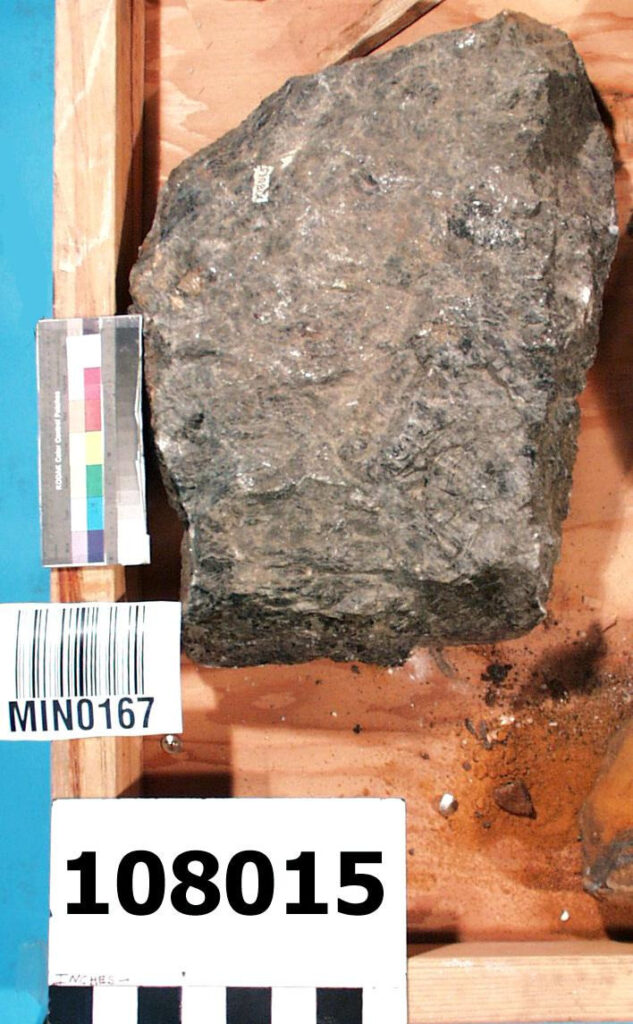
The term "feldspar" refers to a mineral group. Within this group there are many species, four of which contain one or more gemstones: labradorite, orthoclase, oligoclase, and microcline. Orthoclase is the species that regular moonstone belongs to which you can read about here. Both the oligoclase and labradorite species have a version of sunstone which are explored in this article.
This guide will look at the remaining gemstones within the orthoclase and labradorite species as well as the microcline species.
Of the four feldspar species we are discussing, labradorite contains the most independent gemstone varieties. In addition to regular labradorite, there is also the rainbow moonstone and a transparent yellow or colorless variety that does not have a trade name.
Labradorite gets its name from the original deposit in Labrador, Canada, which was discovered sometime around the year 1770. In the following years, other sources of gem-quality labradorite were identified around the world, some of which contained stones with distinctive characteristics.
Labradorite occurs in a wide range of colors, transparencies, and phenomenal effects. Some look so different from one another that you would never guess that they are mineralogical cousins.
Let's begin with the straight labradorite variety.
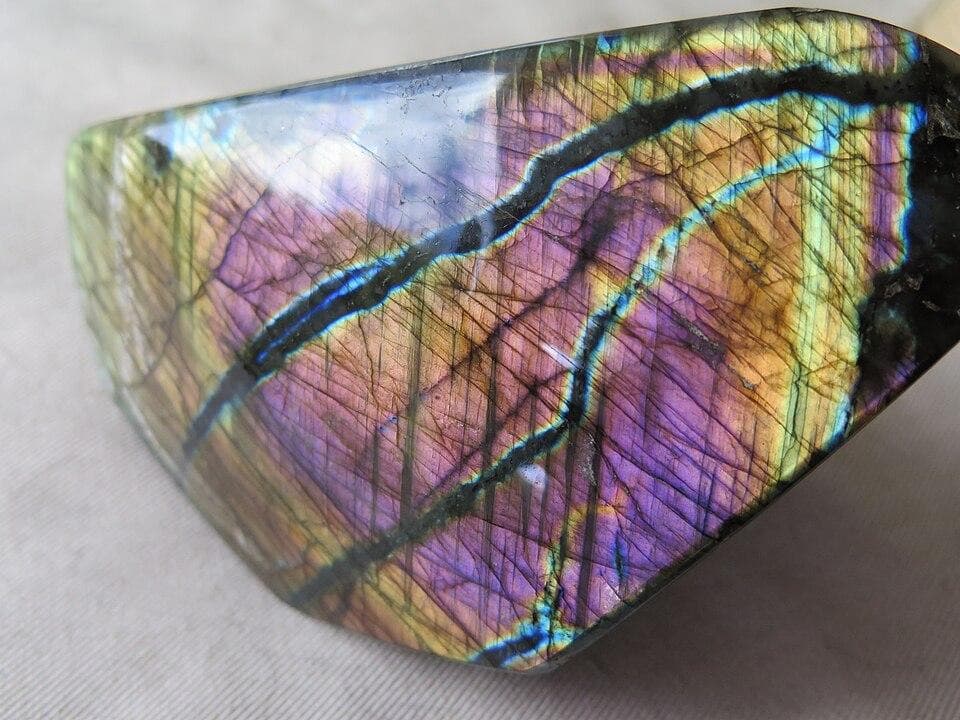
Individual stones of the labradorite variety can be made of a complex mix of multiple feldspars. Most often, these rocks are dark and unremarkable, not suitable for use as jewelry. However, some labradorite grew so that the various feldspars formed ultra-thin layers stacked on top of each other which reflect light. This creates beautiful spectral colors that are only visible from the right viewing angle. This is the variety of labradorite that has value as a gemstone.

The color-flash effect the gems from the original Canadian source showed was something that mineralogists had not seen before. Iridescent colors, mostly blues and greens, appeared as quickly as they vanished as the gem was tilted. It was determined that these hues were created as the wavelengths of light interfered with each other as they were reflected inside the gem.
As this flash was a novel phenomenal effect not previously seen, it was named for the mineral, and the term "labradorescence" was coined. As other sources of labradorite were uncovered, scientists saw different manifestations of labradorescence which included additional colors.

The expression of phenomenal effects is the primary value characteristic for labradorite and gems with strong spectral colors are far more expensive on a per-carat basis than those with unimpressive labradorescence. Phenomenal labradorite is mined in many locations worldwide, but there are two places in particular which have gained individual reputations - Canada and Finland.
The original Canadian source of phenomenal labradorite stood out from other rocks thanks to its bright labradorescence. The typical blue and green iridescence colors stand out particularly well against the dark bodycolors of black, gray, and brown that are associated with this source. Some stones also display yellow, red, or even purple flashes.
Finland is the source of much of the world's finest and most valuable labradorite. The labradorescence seen in many gems from this deposit show a full range of spectral colors all at once, with the standard blue and green hues manifesting alongside red, orange, yellow, and purple. Such exceptional stones are called "spectrolite".
As labradorescence is the most important value characteristic of labradorite, cutters work with the shape of the raw gem and orientation of the phenomenon to maximize the effect. Faceting does nothing to enhance the beauty of labradorite, so, instead, you are going to see lots of smooth freeform carvings. You can expect to pay more for detailed carvings.
Rainbow moonstone may look very different from the labradorite variety, but they are both part of the labradorite species. While the beauty and value of labradorite is in its solid reflected colors, rainbow moonstone is more ethereal, with a transparency and phenomenal effect more akin to moonstone from the orthoclase species.
Again, it's The Phenomenon That Counts!
While the sheen of orthoclase moonstones is a silvery blue, Madagascan labradorite puts on a dazzling multi-colored display of adularescence. This has earned them the name "rainbow moonstone".
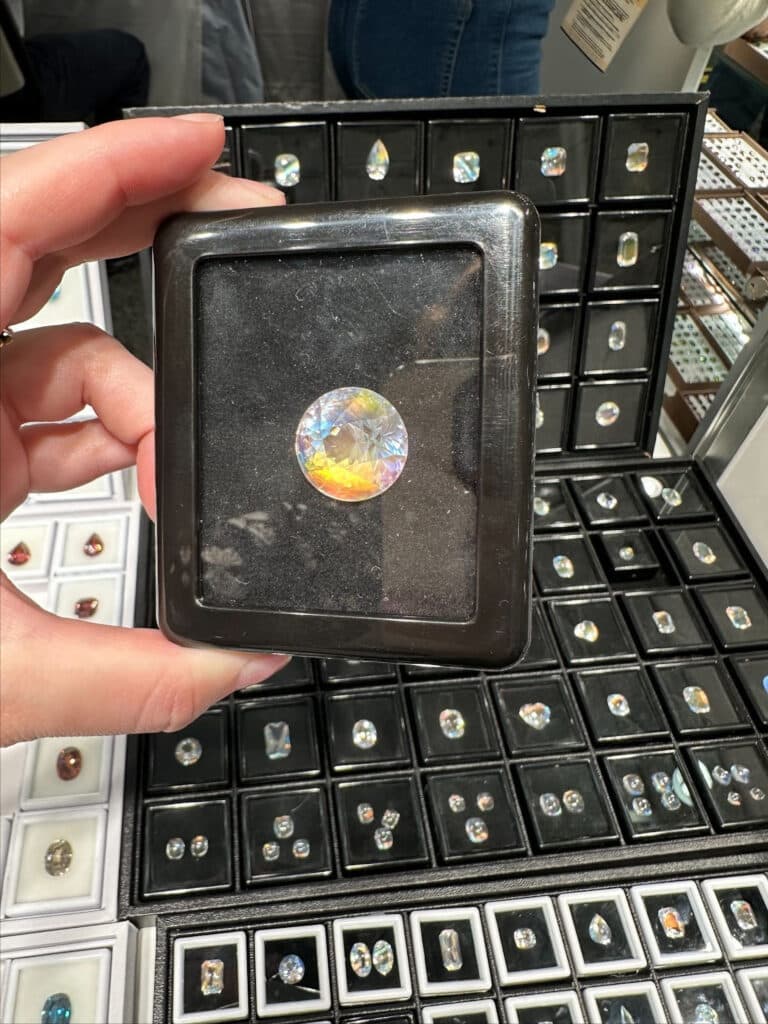
Madagascar is a very active gemstone mining site with new discoveries announced frequently. At the 2025 Tucson Gem Shows AGTA and GJX, a select few dealers were selling an exquisite bright rainbow moonstone from a single source that was more vibrant than had previously been observed.
Raw rainbow moonstone crystals tend to be small, usually measuring mere inches in length. As such, large faceted gems with strong adularescence are very rare and valuable.
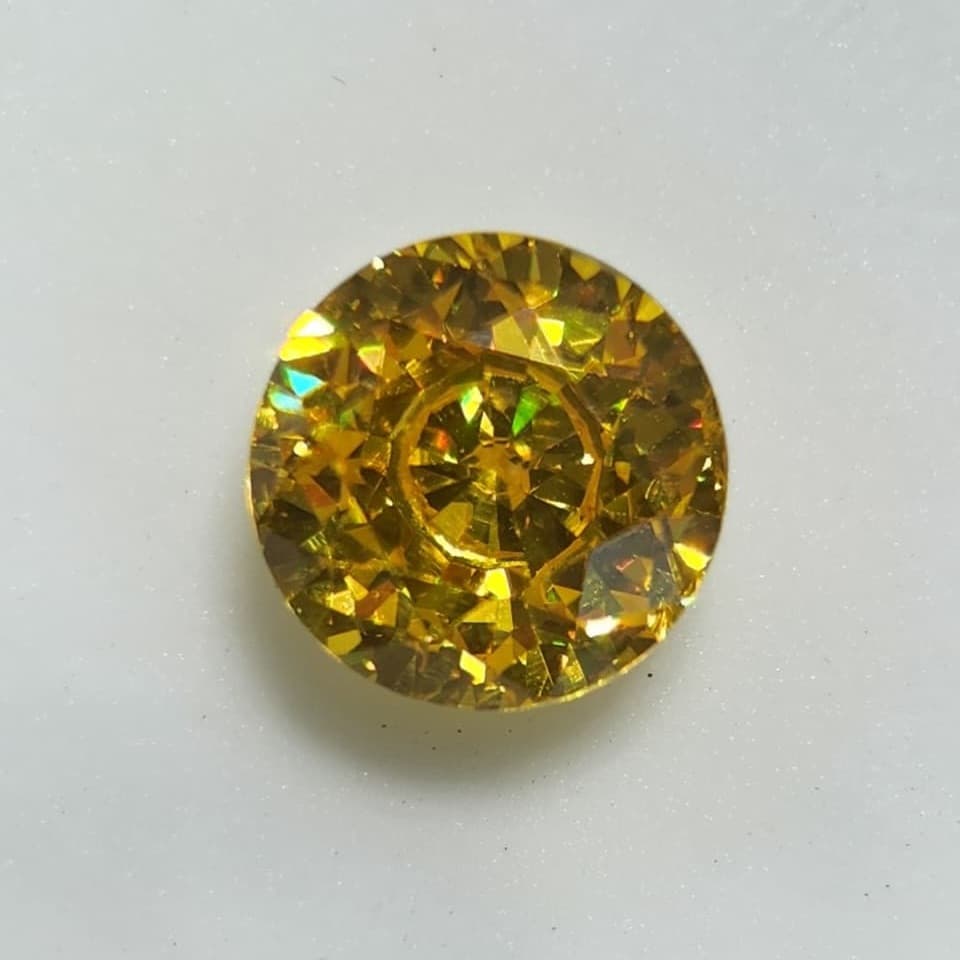
Not all labradorite gemstone types have a phenomenal effect. There are some transparent yellow and colorless gems whose color expression overlaps with citrine and heliodor, a yellow variety of beryl. These are faceted and used by jewelers who know and admire the relatively unknown stone and sold to specialty collectors.
While non-phenomenal labradorite is less valuable than its flashier labradorite and rainbow moonstone counterparts, there is a space for it in the jewelry world.
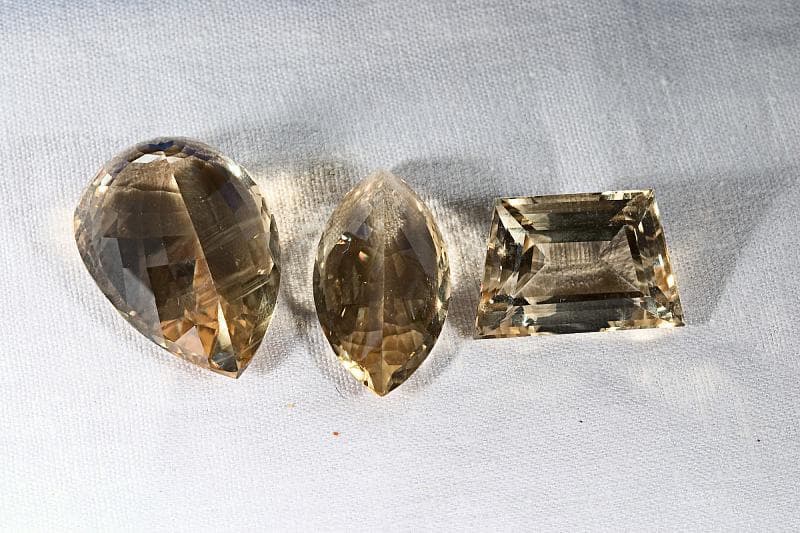
In addition to moonstone, the orthoclase species of labradorite also has a non-phenomenal yellow variety. Like the transparent yellow labradorite variety, you can find faceted material to set in jewelry, but will need to search for specialized sellers.
Microcline feldspar stones can exhibit a variety of bodycolors including white, pink, or a pale orange. However, when it shows a light green to greenish blue bodycolor, it is called "amazonite".
Amazonite isn't a Phenomenal Gem, but it Does Have a Unique Trait
While many are drawn to amazonite as an alternative to turquoise, knowledgeable collectors value it for a distinctive mottled appearance. You don't need magnification to see a grid-like color expression made from white lines. Amazonite with good color saturation and attractive patterns are prized.

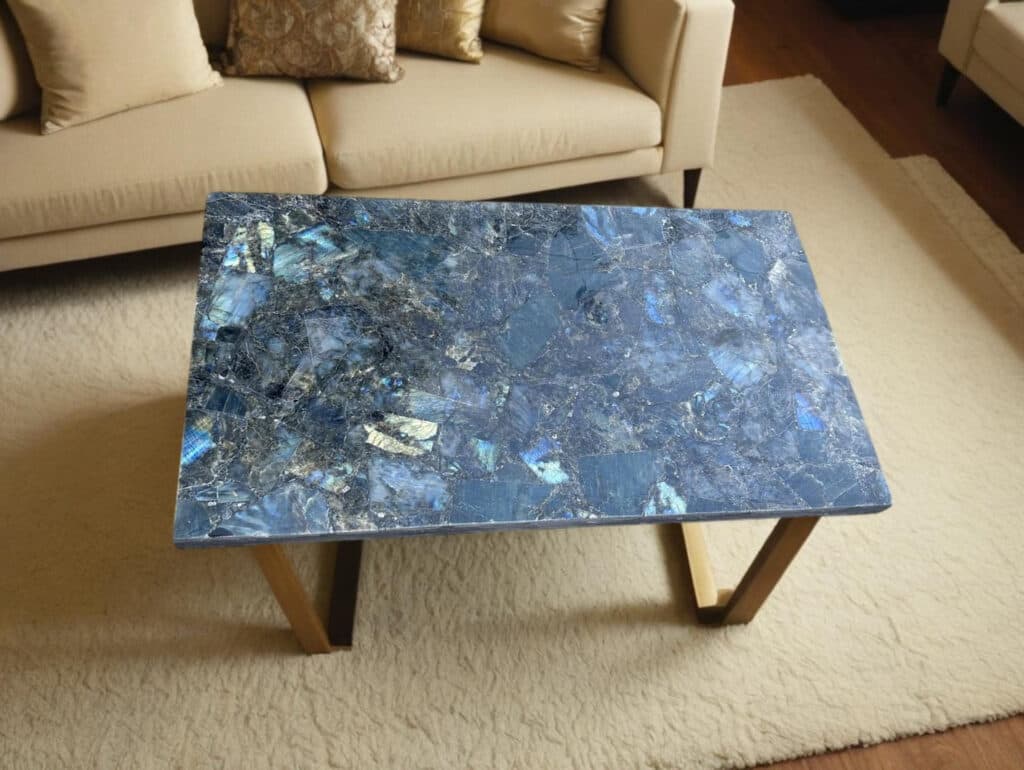
With no shortage of feldspars in the Earth's crust, some species can grow to huge sizes. Amazonite, as well as regular phenomenal labradorite, and are found and harvested in giant slabs that can be big enough to be used as kitchen countertops.
The wide range of appearances, phenomenal effects, and sizes of the lesser-known gemstone feldspar varieties speaks to the diversity of the group as a whole. Each variety has its own value characteristics and per-carat value range. In spite of so many different factors at play, there are some common trends to consider.
Firstly, the value of phenomenal labradorite is most strongly influenced by the quality of the phenomenon. Whether than means bright and varied labradorescence or multi-colored ghostly adularescence, this is the value factor that matters.
The second factor is size. This also differs wildly between varieties. For the gems that can grow into fully fledged boulders, carat weight isn't something that greatly impacts per-carat values. Alternatively, when it comes to rainbow moonstone and transparent colorless/yellow feldspars which have a much more restricted size range, you can expect pay more for bigger gems.


When you join the IGS community, you get trusted diamond & gemstone information when you need it.
The feldspar group is one of the most abundant classes of minerals on Earth and there are several varieties that are considered gemstones. Interestingly, none of them are considered mainstream options.
There are two feldspar gemstones that have a much higher public profile than the others -moonstone and sunstone. Both gems have their own IGS Value Guide. But what about the other gem-quality feldspars? Have you heard of labradorite, rainbow moonstone, or amazonite? How about transparent yellow and colorless labradorite? Let's examine these other, lesser-known varieties to learn what characteristics matter the most when it comes to assigning value.
The term "feldspar" refers to a mineral group. Within this group there are many species, four of which contain one or more gemstones: labradorite, orthoclase, oligoclase, and microcline. Orthoclase is the species that regular moonstone belongs to which you can read about . Both the oligoclase and labradorite species have a version of sunstone which are explored in .
This guide will look at the remaining gemstones within the orthoclase and labradorite species as well as the microcline species.
Of the four feldspar species we are discussing, labradorite contains the most independent gemstone varieties. In addition to regular labradorite, there is also the rainbow moonstone and a transparent yellow or colorless variety that does not have a trade name.
Labradorite gets its name from the original deposit in Labrador, Canada, which was discovered sometime around the year 1770. In the following years, other sources of gem-quality labradorite were identified around the world, some of which contained stones with distinctive characteristics.
Labradorite occurs in a wide range of colors, transparencies, and phenomenal effects. Some look so different from one another that you would never guess that they are mineralogical cousins.
Let's begin with the straight labradorite variety.
Individual stones of the labradorite variety can be made of a complex mix of multiple feldspars. Most often, these rocks are dark and unremarkable, not suitable for use as jewelry. However, some labradorite grew so that the various feldspars formed ultra-thin layers stacked on top of each other which reflect light. This creates beautiful spectral colors that are only visible from the right viewing angle. This is the variety of labradorite that has value as a gemstone.
The color-flash effect the gems from the original Canadian source showed was something that mineralogists had not seen before. Iridescent colors, mostly blues and greens, appeared as quickly as they vanished as the gem was tilted. It was determined that these hues were created as the wavelengths of light interfered with each other as they were reflected inside the gem.
As this flash was a novel phenomenal effect not previously seen, it was named for the mineral, and the term "labradorescence" was coined. As other sources of labradorite were uncovered, scientists saw different manifestations of labradorescence which included additional colors.
The expression of phenomenal effects is the primary value characteristic for labradorite and gems with strong spectral colors are far more expensive on a per-carat basis than those with unimpressive labradorescence. Phenomenal labradorite is mined in many locations worldwide, but there are two places in particular which have gained individual reputations - Canada and Finland.
The original Canadian source of phenomenal labradorite stood out from other rocks thanks to its bright labradorescence. The typical blue and green iridescence colors stand out particularly well against the dark bodycolors of black, gray, and brown that are associated with this source. Some stones also display yellow, red, or even purple flashes.
Finland is the source of much of the world's finest and most valuable labradorite. The labradorescence seen in many gems from this deposit show a full range of spectral colors all at once, with the standard blue and green hues manifesting alongside red, orange, yellow, and purple. Such exceptional stones are called "spectrolite".
As labradorescence is the most important value characteristic of labradorite, cutters work with the shape of the raw gem and orientation of the phenomenon to maximize the effect. Faceting does nothing to enhance the beauty of labradorite, so, instead, you are going to see lots of smooth freeform carvings. You can expect to pay more for detailed carvings.
Rainbow moonstone may look very different from the labradorite variety, but they are both part of the labradorite species. While the beauty and value of labradorite is in its solid reflected colors, rainbow moonstone is more ethereal, with a transparency and phenomenal effect more akin to moonstone from the orthoclase species.
Again, it's The Phenomenon That Counts!
While the sheen of orthoclase moonstones is a silvery blue, Madagascan labradorite puts on a dazzling multi-colored display of adularescence. This has earned them the name "rainbow moonstone".
Madagascar is a very active gemstone mining site with new discoveries announced frequently. At the 2025 Tucson Gem Shows AGTA and GJX, a select few dealers were selling an exquisite bright rainbow moonstone from a single source that was more vibrant than had previously been observed.
Raw rainbow moonstone crystals tend to be small, usually measuring mere inches in length. As such, large faceted gems with strong adularescence are very rare and valuable.
Not all labradorite gemstone types have a phenomenal effect. There are some transparent yellow and colorless gems whose color expression overlaps with citrine and heliodor, a yellow variety of beryl. These are faceted and used by jewelers who know and admire the relatively unknown stone and sold to specialty collectors.
While non-phenomenal labradorite is less valuable than its flashier labradorite and rainbow moonstone counterparts, there is a space for it in the jewelry world.
In addition to moonstone, the orthoclase species of labradorite also has a non-phenomenal yellow variety. Like the transparent yellow labradorite variety, you can find faceted material to set in jewelry, but will need to search for specialized sellers.
Microcline feldspar stones can exhibit a variety of bodycolors including white, pink, or a pale orange. However, when it shows a light green to greenish blue bodycolor, it is called "amazonite".
Amazonite isn't a Phenomenal Gem, but it Does Have a Unique Trait
While many are drawn to amazonite as an alternative to turquoise, knowledgeable collectors value it for a distinctive mottled appearance. You don't need magnification to see a grid-like color expression made from white lines. Amazonite with good color saturation and attractive patterns are prized.
With no shortage of feldspars in the Earth's crust, some species can grow to huge sizes. Amazonite, as well as regular phenomenal labradorite, and are found and harvested in giant slabs that can be big enough to be used as kitchen countertops.
The wide range of appearances, phenomenal effects, and sizes of the lesser-known gemstone feldspar varieties speaks to the diversity of the group as a whole. Each variety has its own value characteristics and per-carat value range. In spite of so many different factors at play, there are some common trends to consider.
Firstly, the value of phenomenal labradorite is most strongly influenced by the quality of the phenomenon. Whether than means bright and varied labradorescence or multi-colored ghostly adularescence, this is the value factor that matters.
The second factor is size. This also differs wildly between varieties. For the gems that can grow into fully fledged boulders, carat weight isn't something that greatly impacts per-carat values. Alternatively, when it comes to rainbow moonstone and transparent colorless/yellow feldspars which have a much more restricted size range, you can expect pay more for bigger gems.