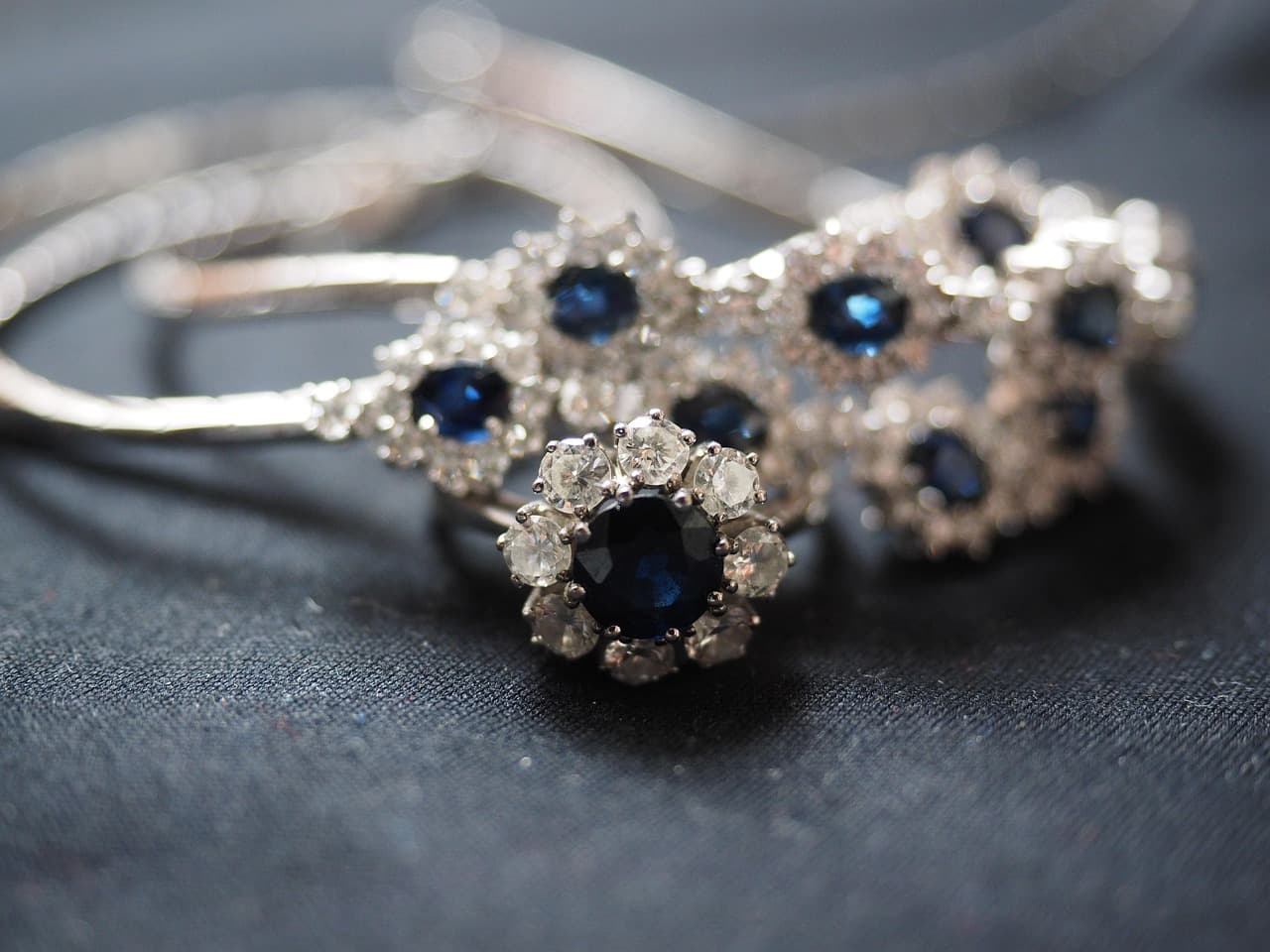
Learn which gemstones are the best investments for long-term value. Explore diamonds, sapphires, rubies, emeralds, and pearls that retain worth over time, plus essential factors like origin, treatment, and craftsmanship.
3 Minute Read
Fine jewelry is often seen as more than personal adornment—it's a reflection of taste, heritage, and in many cases, a long-term investment. While trends shift and preferences evolve, certain gemstones continue to hold or even appreciate in value over time. Whether you're building a collection or looking to pass something down, understanding which stones tend to retain their worth is essential.
Not all gemstones are created equal—especially when it comes to long-term value. Investment potential is shaped by factors like rarity, clarity, craftsmanship, and origin. Gemstones with strong provenance, such as Burmese rubies, Colombian emeralds, and untreated Kashmir sapphires, have historically performed well due to their scarcity and collector demand.
Understanding how are pearls made can offer insight into why certain types—like South Sea or Tahitian pearls—command higher prices. While pearls differ from crystalline gems, high-quality examples with exceptional luster and surface clarity have shown consistent value retention, especially in classic formats.
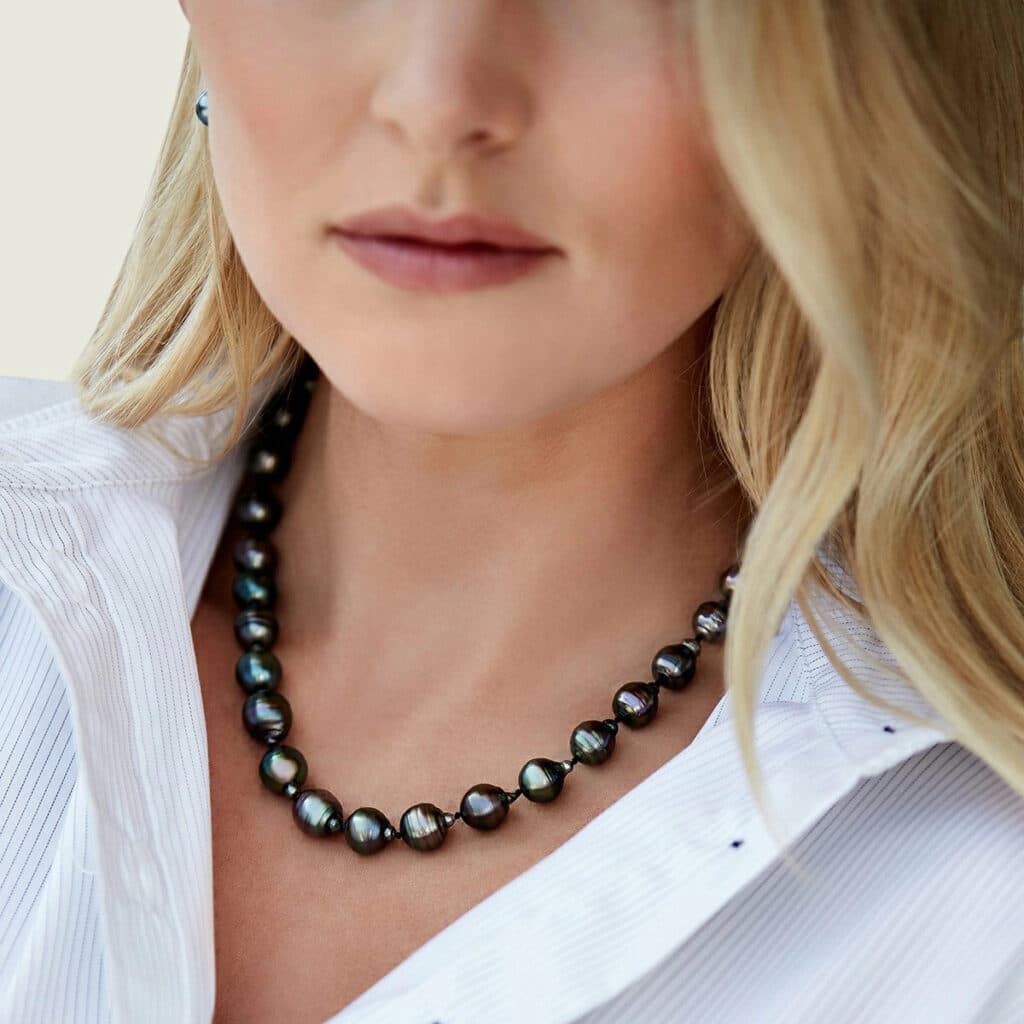
For example, knowing how much are pearls worth can help collectors compare options across quality tiers. And for those looking to add something rare yet wearable, a black pearl necklace offers timeless appeal with investment potential.
If you're looking to invest in gemstones, certain stones have historically shown resilience and demand:
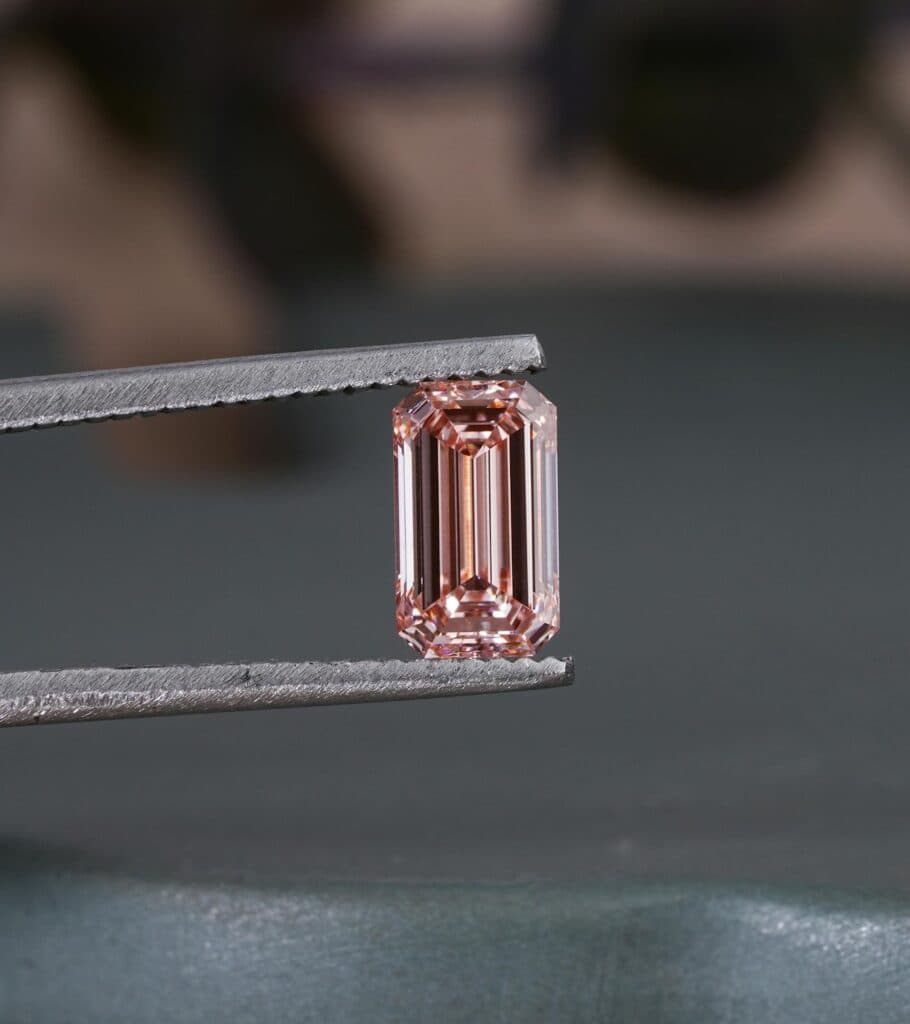
A classic for a reason. White diamonds, especially those with high clarity, color, and carat, maintain strong resale value. Fancy colored diamonds—such as pink or yellow—can appreciate even faster due to their rarity.
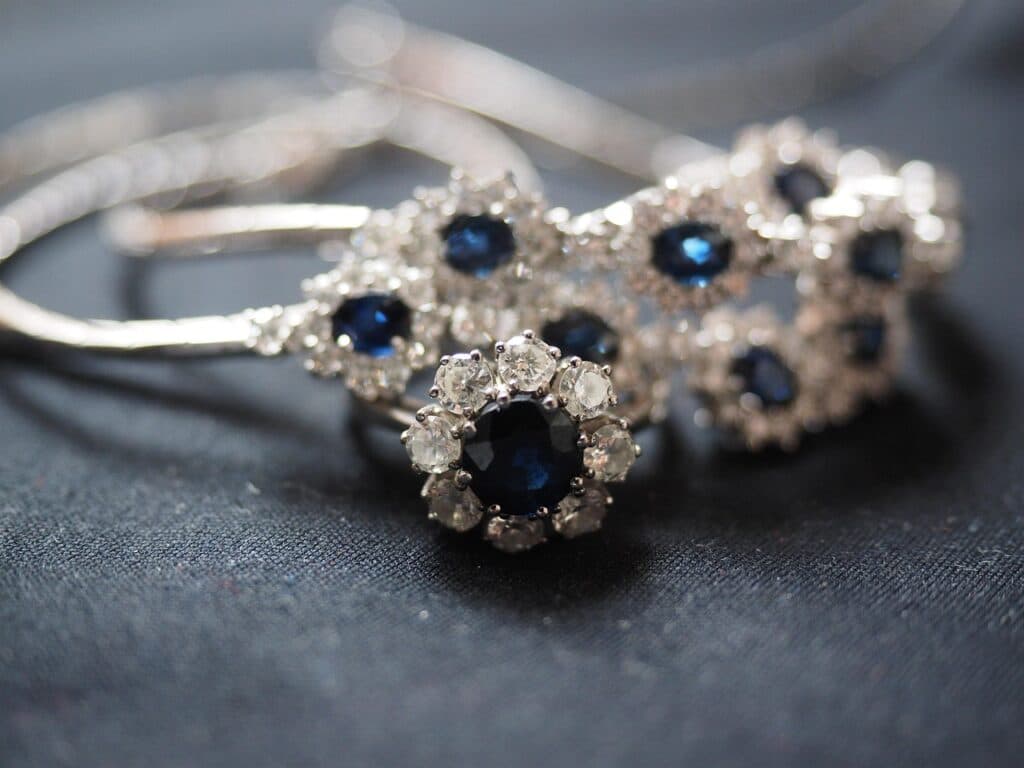
Particularly those from Sri Lanka (Ceylon) or Kashmir, blue sapphires remain highly sought after. Their durability (a 9 on the Mohs scale) also makes them suitable for everyday wear.
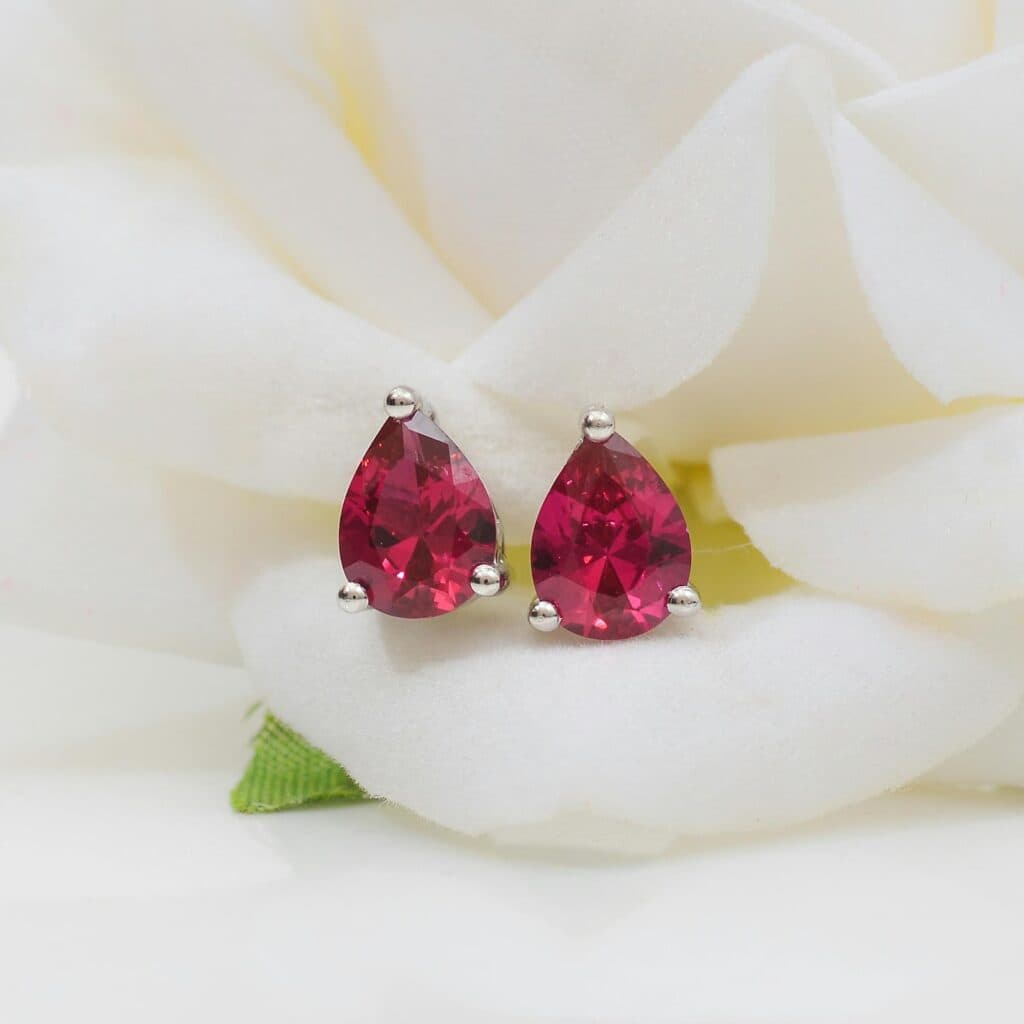
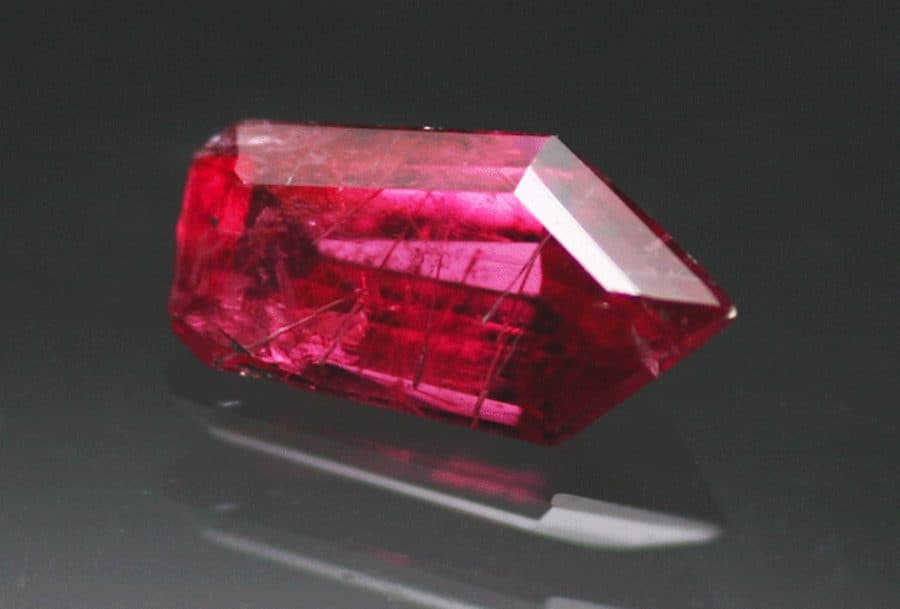
Vivid red rubies from Myanmar (Burma) are among the most valuable gemstones in the world. They are rarer than diamonds and often command exceptionally high prices when untreated and of excellent quality.
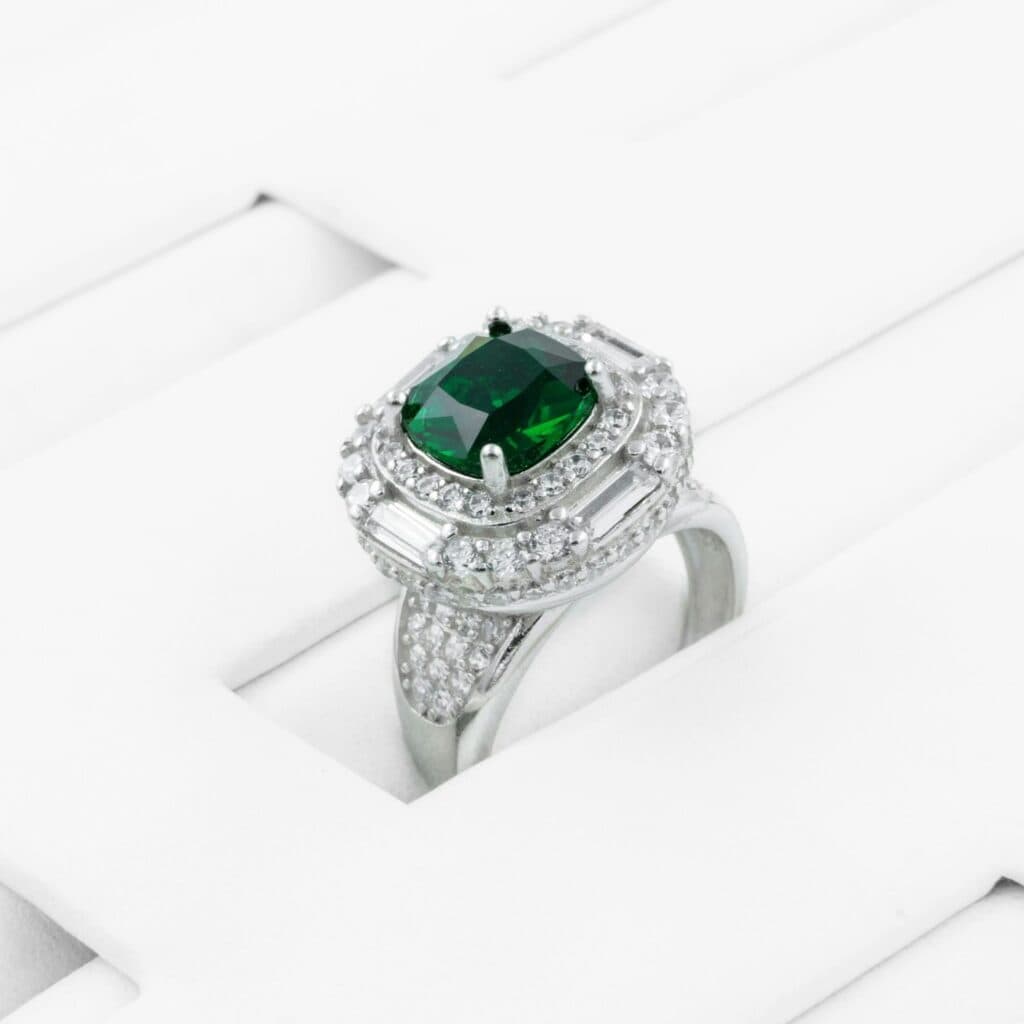
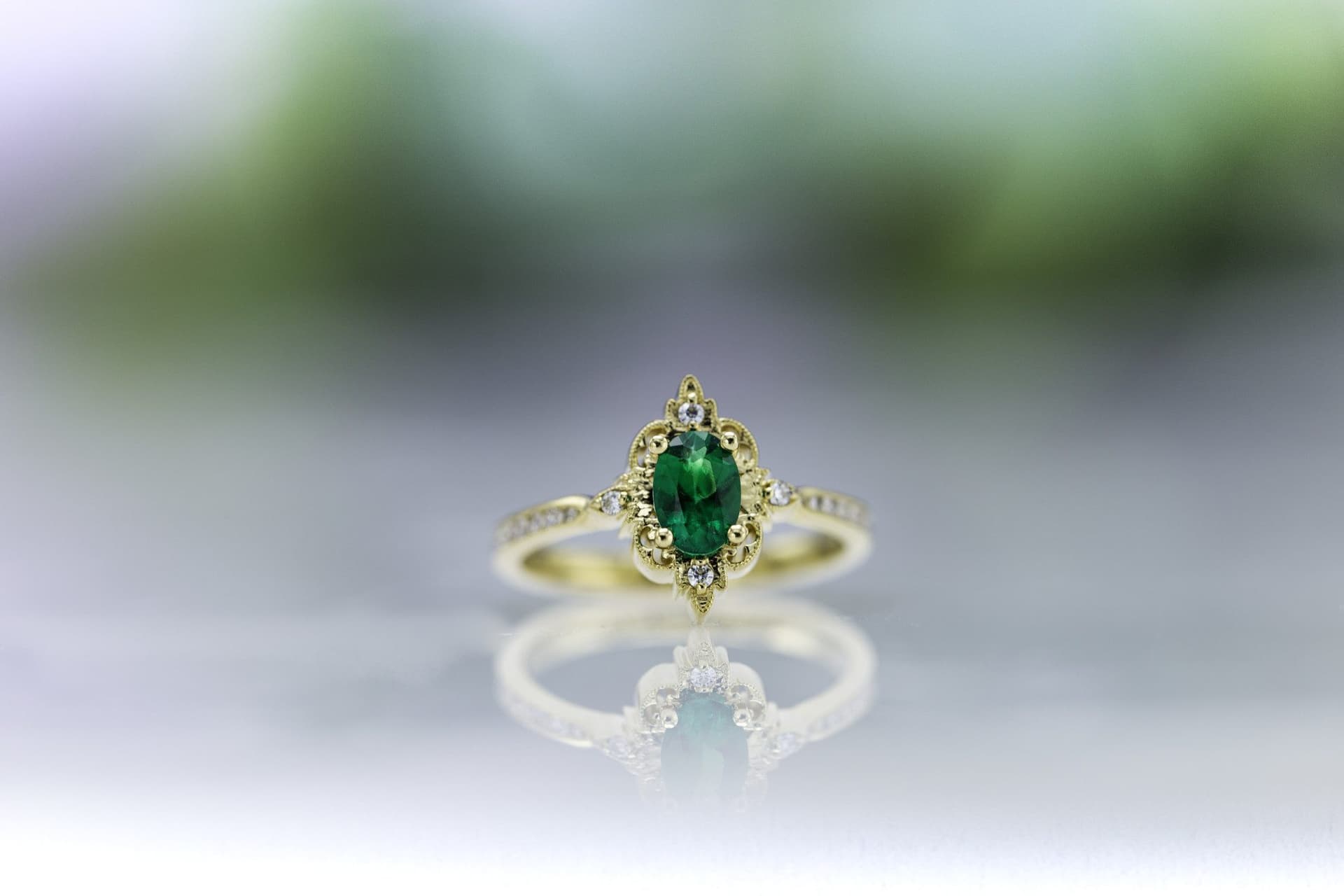
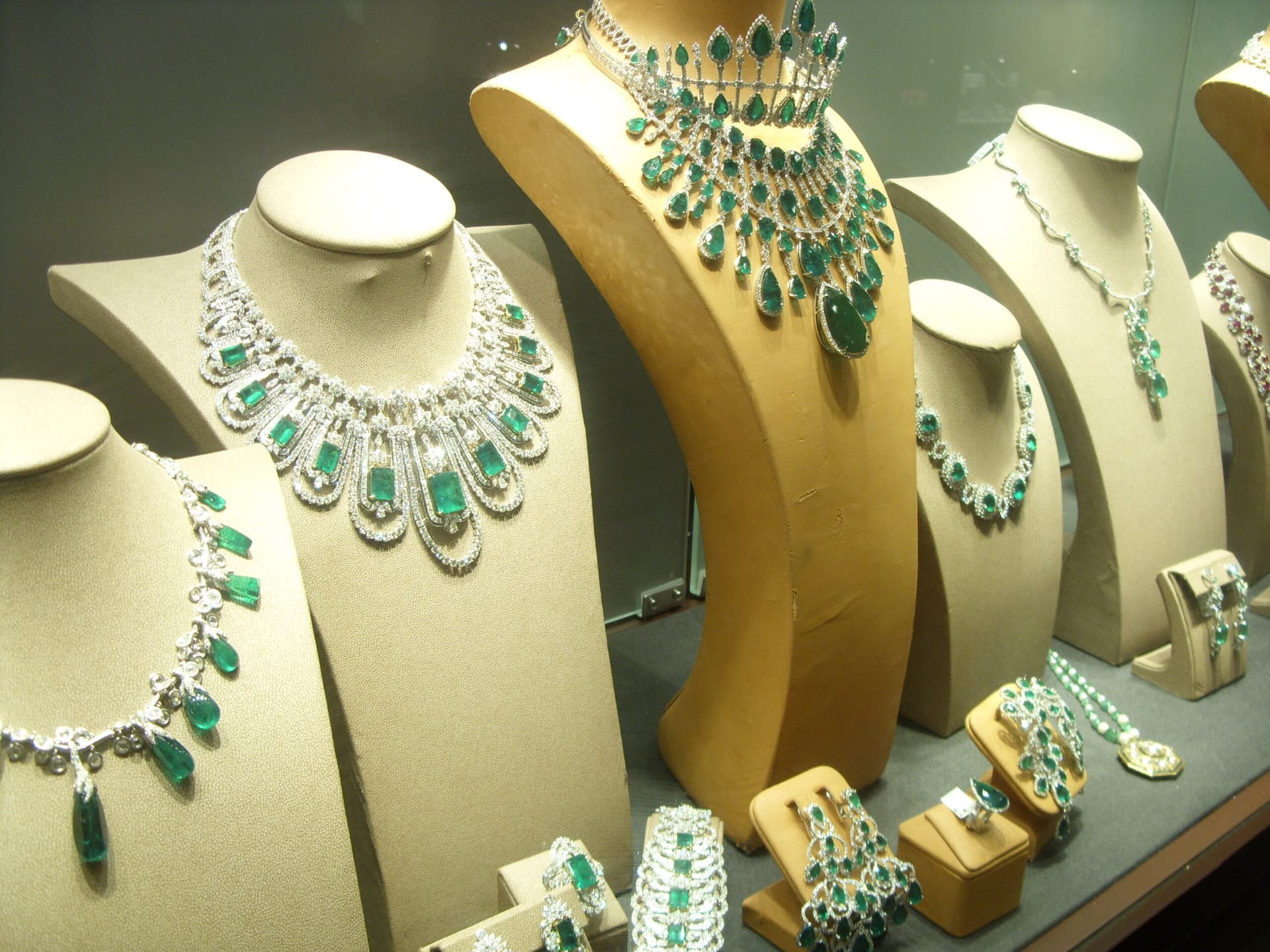
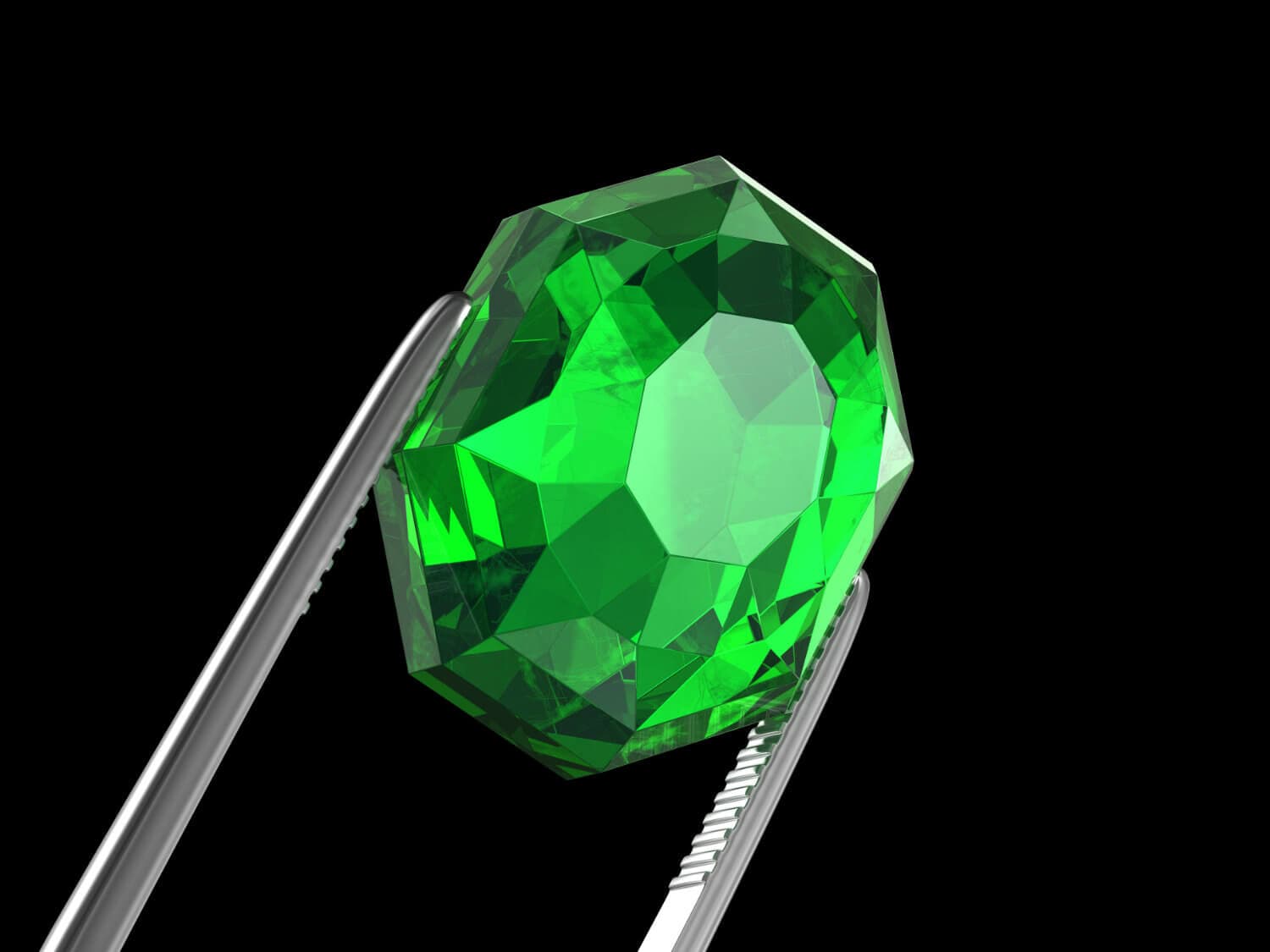
While emeralds often have visible inclusions, high-quality Colombian emeralds continue to fetch strong prices. Their deep green color is instantly recognizable and prized among collectors.
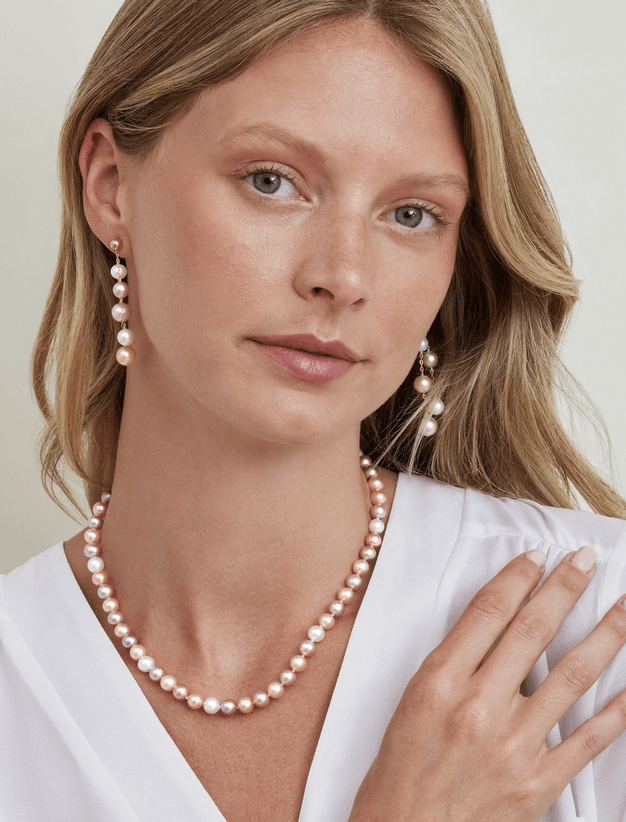
Natural pearls are rare and incredibly valuable—but cultured pearls, when high in quality, offer both accessibility and enduring appeal. South Sea and Tahitian pearls in particular tend to maintain strong market value, especially in necklace and bracelet form.
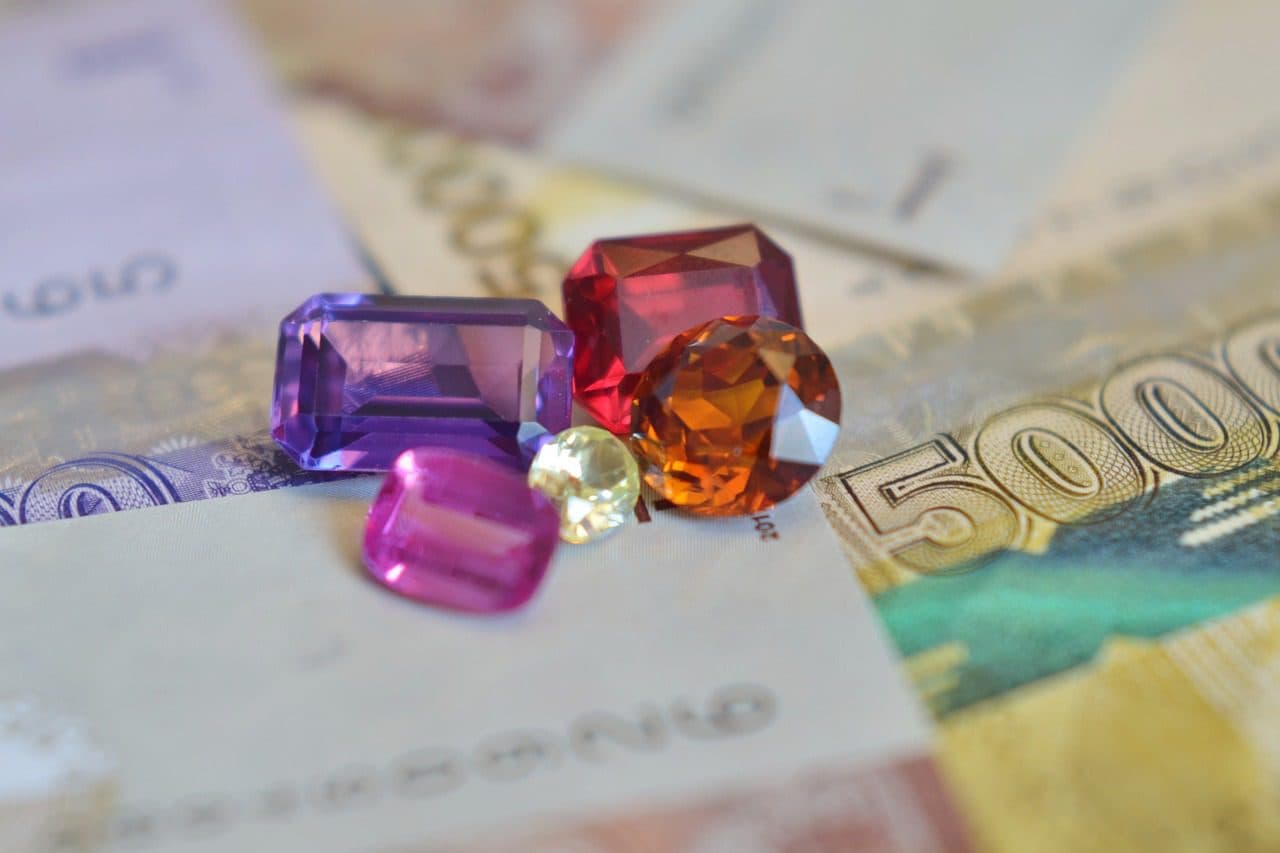
Even within these popular gemstones, several details can dramatically influence investment potential:
For a breakdown of estimated per-carat prices across a wide range of stones, a Gemstone Price Guide is a great place to start your research.
Like any long-term asset, jewelry requires upkeep. If you're considering investing in gemstones, here's how to protect yourself:
Professional cleanings and regular inspections also help maintain condition—and by extension, value.
Building a jewelry collection with long-term value means going beyond trends. Focus on quality over quantity, learn the stories behind each stone, and don't be afraid to invest in craftsmanship that lasts. Whether it's a vivid sapphire, a flawless diamond, or a luminous strand of pearls, your next jewelry purchase could become a cherished asset for years to come.


When you join the IGS community, you get trusted diamond & gemstone information when you need it.
Fine jewelry is often seen as more than personal adornment—it's a reflection of taste, heritage, and in many cases, a long-term investment. While trends shift and preferences evolve, certain gemstones continue to hold or even appreciate in value over time. Whether you're building a collection or looking to pass something down, understanding which stones tend to retain their worth is essential.
Not all gemstones are created equal—especially when it comes to long-term value. Investment potential is shaped by factors like rarity, clarity, craftsmanship, and origin. Gemstones with strong provenance, such as Burmese rubies, Colombian emeralds, and untreated Kashmir sapphires, have historically performed well due to their scarcity and collector demand.
Understanding how are pearls made can offer insight into why certain types—like South Sea or Tahitian pearls—command higher prices. While pearls differ from crystalline gems, high-quality examples with exceptional luster and surface clarity have shown consistent value retention, especially in classic formats.
For example, knowing how much are pearls worth can help collectors compare options across quality tiers. And for those looking to add something rare yet wearable, a offers timeless appeal with investment potential.
If you're looking to invest in gemstones, certain stones have historically shown resilience and demand:
A classic for a reason. White diamonds, especially those with high clarity, color, and carat, maintain strong resale value. Fancy colored diamonds—such as pink or yellow—can appreciate even faster due to their rarity.
Particularly those from Sri Lanka (Ceylon) or Kashmir, blue sapphires remain highly sought after. Their durability (a 9 on the Mohs scale) also makes them suitable for everyday wear.
Vivid red rubies from Myanmar (Burma) are among the most valuable gemstones in the world. They are rarer than diamonds and often command exceptionally high prices when untreated and of excellent quality.
While emeralds often have visible inclusions, high-quality Colombian emeralds continue to fetch strong prices. Their deep green color is instantly recognizable and prized among collectors.
Natural pearls are rare and incredibly valuable—but cultured pearls, when high in quality, offer both accessibility and enduring appeal. South Sea and Tahitian pearls in particular tend to maintain strong market value, especially in necklace and bracelet form.
Even within these popular gemstones, several details can dramatically influence investment potential:
For a breakdown of estimated per-carat prices across a wide range of stones, a Gemstone Price Guide is a great place to start your research.
Like any long-term asset, jewelry requires upkeep. If you're considering investing in gemstones, here's how to protect yourself:
Professional cleanings and regular inspections also help maintain condition—and by extension, value.
Building a jewelry collection with long-term value means going beyond trends. Focus on quality over quantity, learn the stories behind each stone, and don't be afraid to invest in craftsmanship that lasts. Whether it's a vivid sapphire, a flawless diamond, or a luminous strand of pearls, your next jewelry purchase could become a cherished asset for years to come.