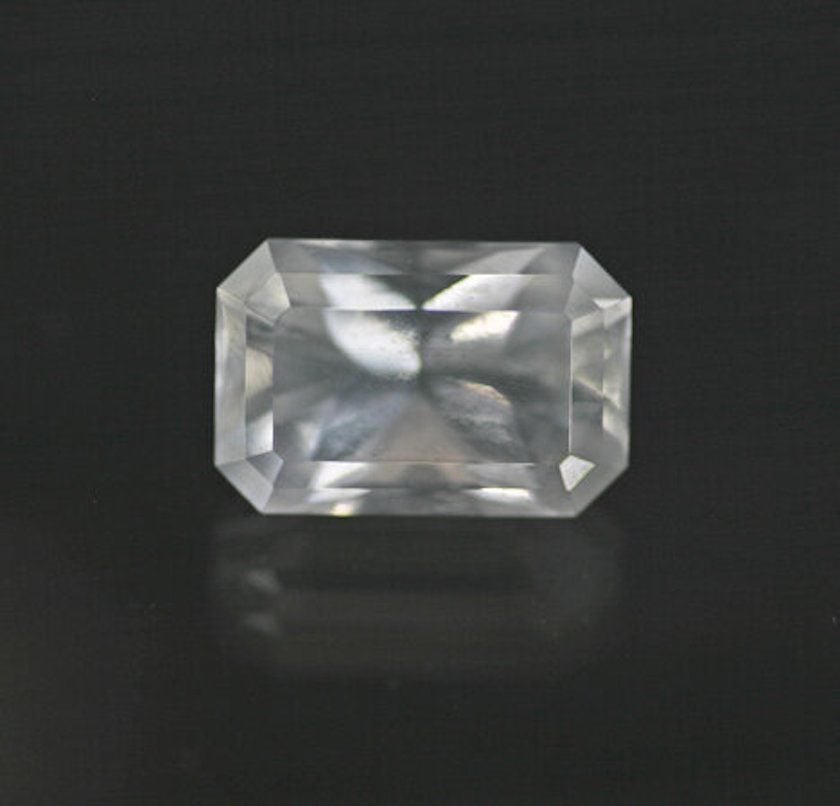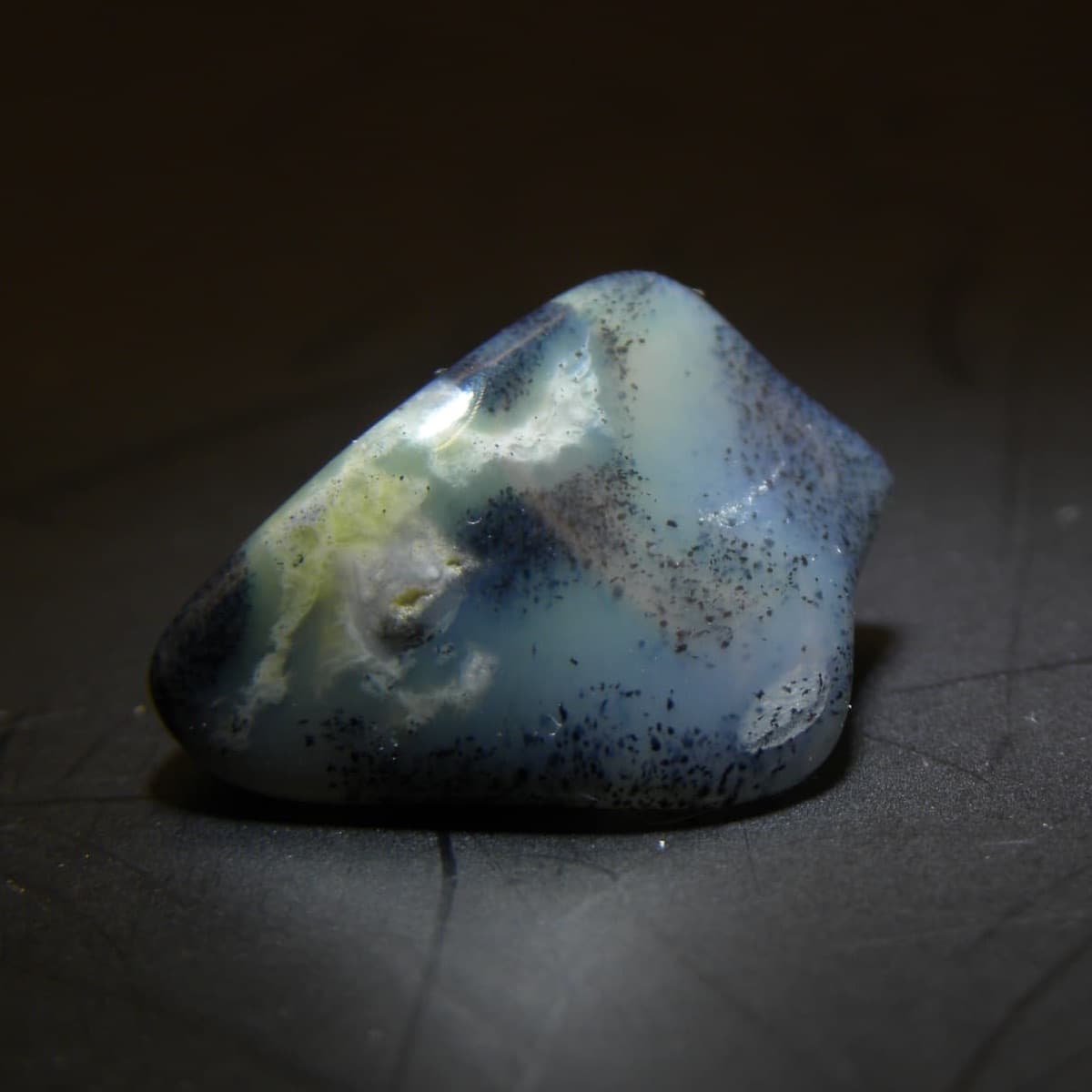
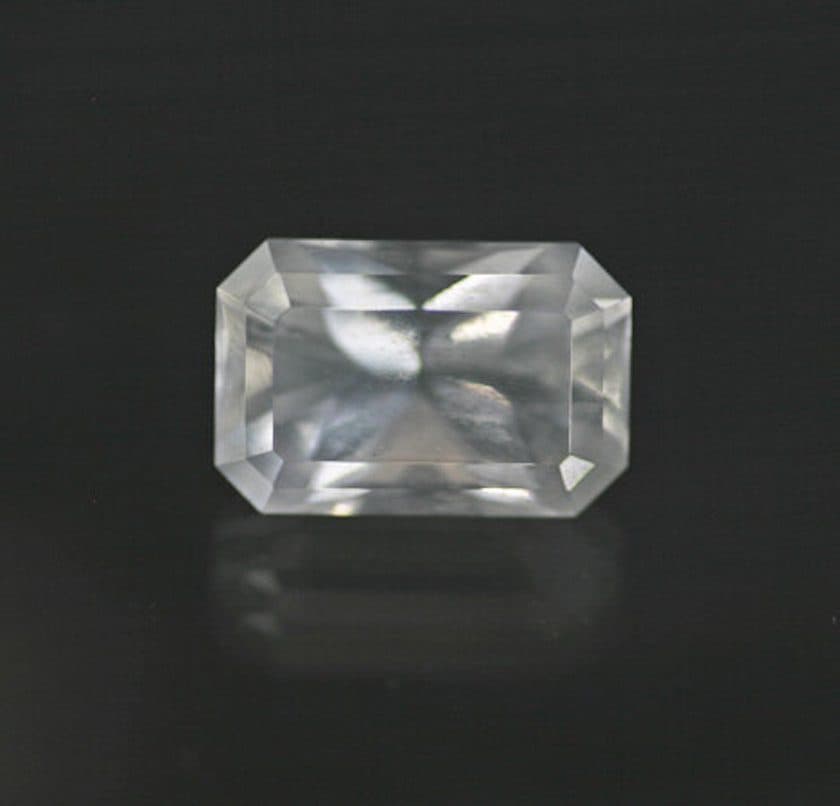
Kurnakovite is difficult to cut, inadvisable to wear, and usually colorless. Consequently, faceted specimens are extremely rare.
1 Minute Read
Kurnakovite belongs to the inderite mineral group, which includes the species also known as inderite. Inderite has a monoclinic crystal structure, while kurnakovite is its triclinic dimorph. They share the same chemistry as well as general appearance and limitations as jewelry stones. Inderites are more likely than kurnakovites to be used as jewelry stones, but only because the material is somewhat more available.
Kurnakovites have a hardness of only 2.5-3. This means some specimens could be scratched by a coin, and they can all easily be scratched by household dust (with a hardness of 7). They also have perfect cleavage, which makes them liable to split if struck on their internal cleavage plane.
If those weren't enough reasons to dissuade faceters, kurnakovites are also soluble in warm acids. Thus, wearing these stones as jewelry would be inadvisable. On the other hand, faceted or cabbed specimens would make interesting collectible items for display.
Scientists have synthesized kurnakovites and inderites for research purposes. However, there's no known use or demand for this material as jewelry.
No known treatments.
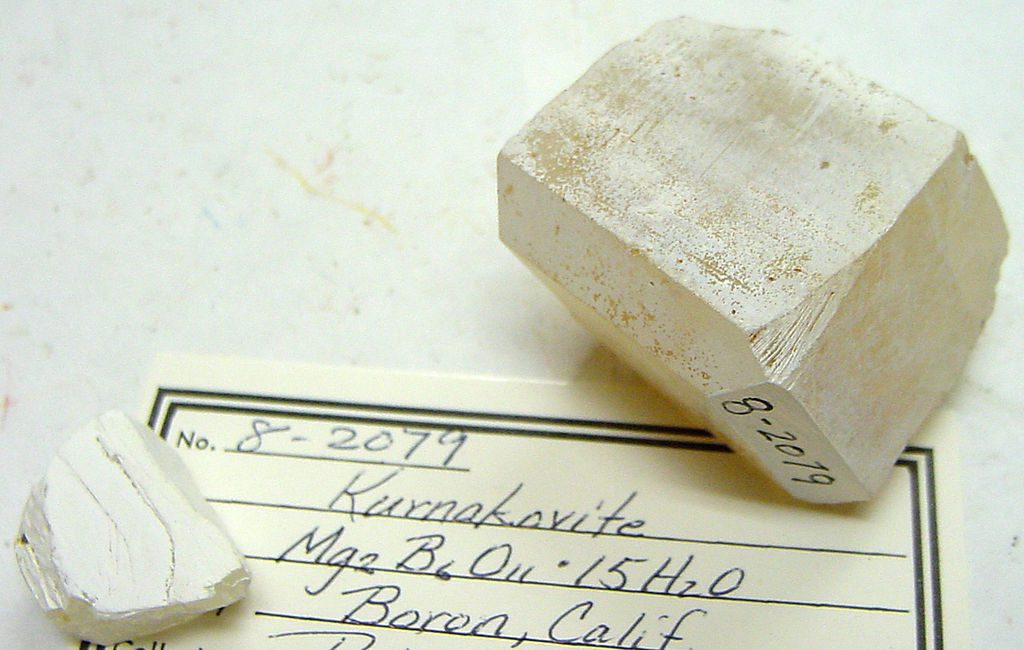
Boron, Kern County, California produces crystals to 24 inches across and large masses.
Other notable sources include the following:
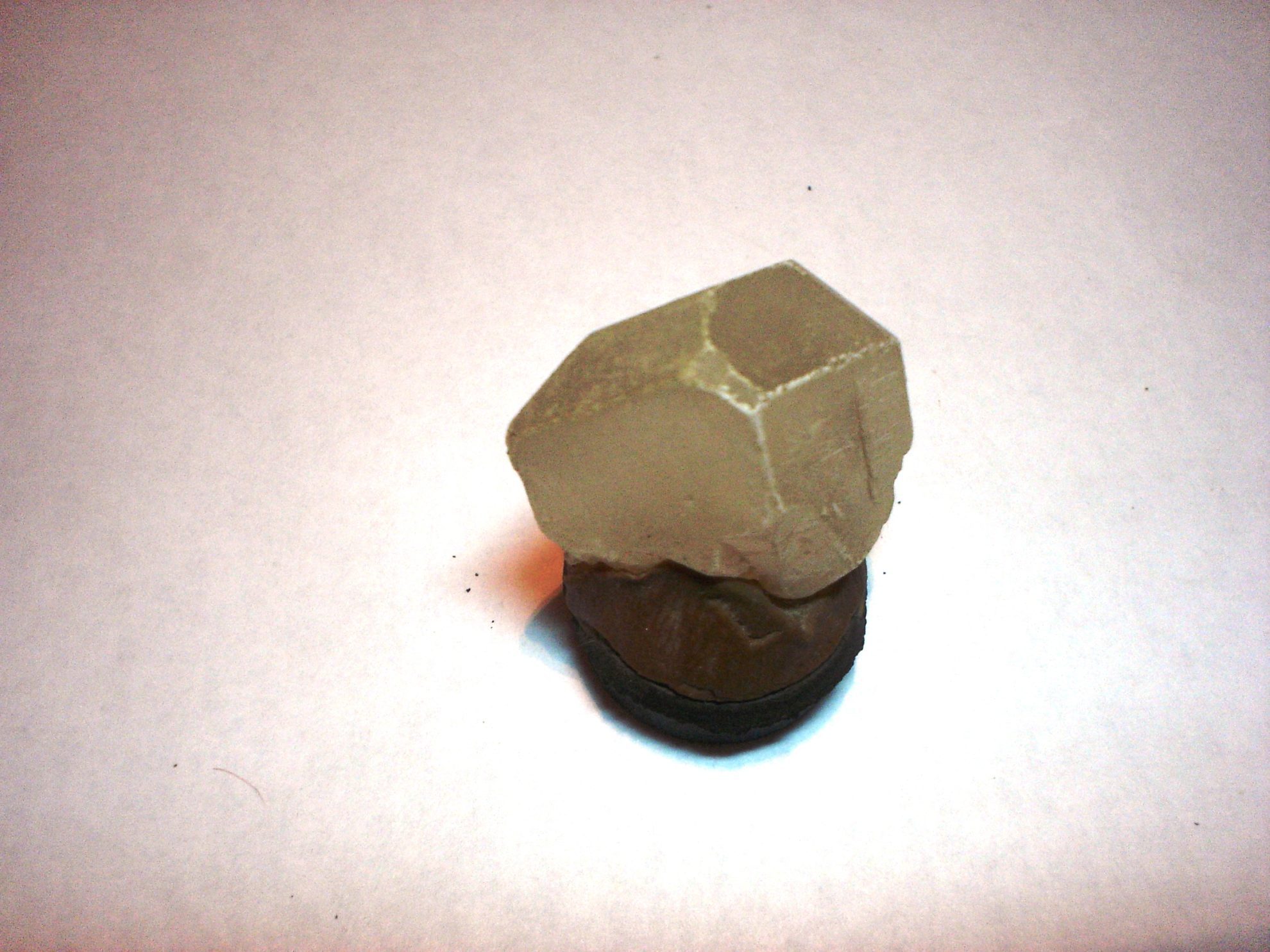
Kurnakovites occur in large sizes. The California material could yield stones of several hundred carats from large transparent masses or cleavages.
Clean kurnakovites only with a soft brush, mild detergent, and warm water. Reserve these specimens for display. For more recommendations, consult our gemstone jewelry care guide.

When you join the IGS community, you get trusted diamond & gemstone information when you need it.
Kurnakovite belongs to the inderite mineral group, which includes the species also known as inderite. Inderite has a monoclinic crystal structure, while kurnakovite is its triclinic dimorph. They share the same chemistry as well as general appearance and limitations as jewelry stones. Inderites are more likely than kurnakovites to be used as jewelry stones, but only because the material is somewhat more available.
Kurnakovites have a of only 2.5-3. This means some specimens could be scratched by a coin, and they can all easily be scratched by household dust (with a hardness of 7). They also have perfect , which makes them liable to split if struck on their internal cleavage plane.
If those weren't enough reasons to dissuade faceters, kurnakovites are also soluble in warm acids. Thus, wearing these stones as jewelry would be inadvisable. On the other hand, faceted or cabbed specimens would make interesting collectible items for display.
Scientists have synthesized kurnakovites and inderites for research purposes. However, there's no known use or demand for this material as jewelry.
No known treatments.
Boron, Kern County, California produces crystals to 24 inches across and large masses.
Other notable sources include the following:
Kurnakovites occur in large sizes. The California material could yield stones of several hundred carats from large transparent masses or cleavages.
Clean kurnakovites only with a soft brush, mild detergent, and warm water. Reserve these specimens for display. For more recommendations, consult our gemstone jewelry care guide.


Kurnakovite is difficult to cut, inadvisable to wear, and usually colorless. Consequently, faceted specimens are extremely rare.