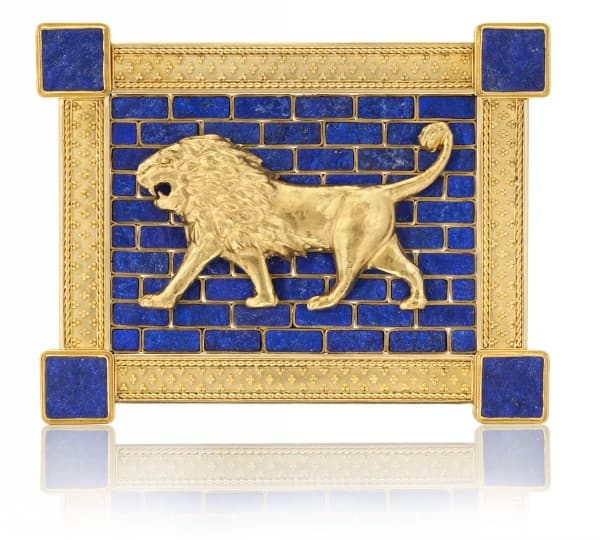
Our lapis lazuli buying guide can help you learn how to grade these gems, what to avoid, and how to identify a high quality stone or a bargain in the rough.
2 Minute Read

When you join the IGS community, you get trusted diamond & gemstone information when you need it.
The IGS lapis lazuli value listing has price guidelines for cabbed pieces.
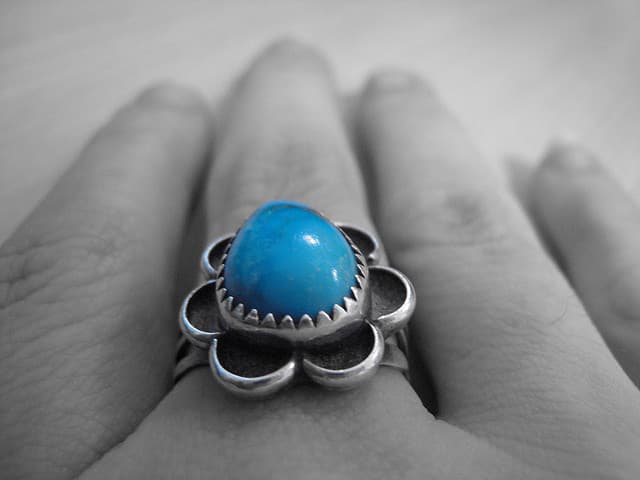
Lapis lazuli gets its color from the sulfur in the mineral lazurite. (Crystalline lazurite is extremely rare. It generally forms as part of the lapis lazuli rock).
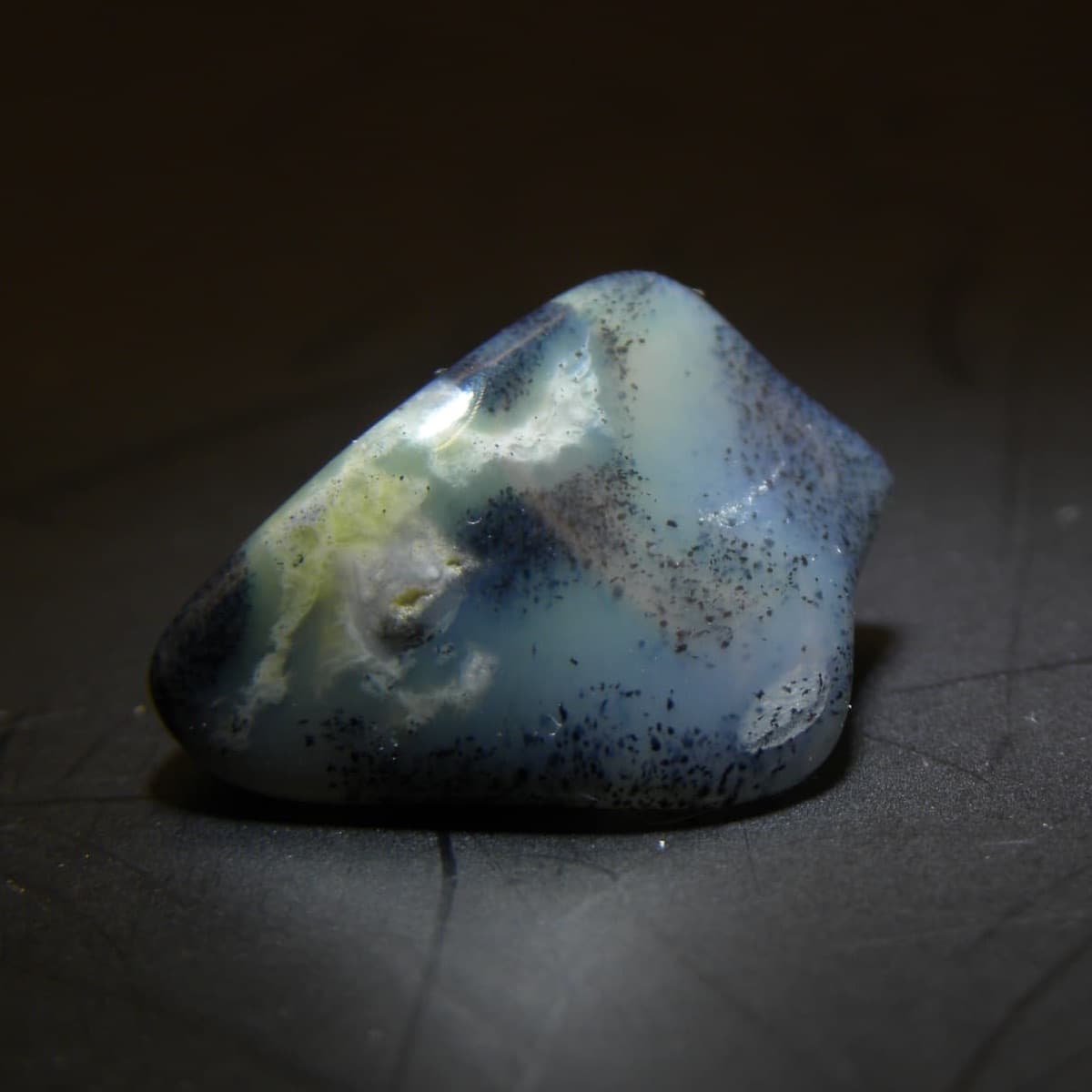
The highest quality stones have a blue to purplish-blue hue and an even color, with a tone of 75-85%. Bluer lapis tend to be in the lighter range, and stones with purple hues tend toward the darker range. Prices drop rapidly for stones darker than 90%, which appear dark and drab (Wise, 2016).
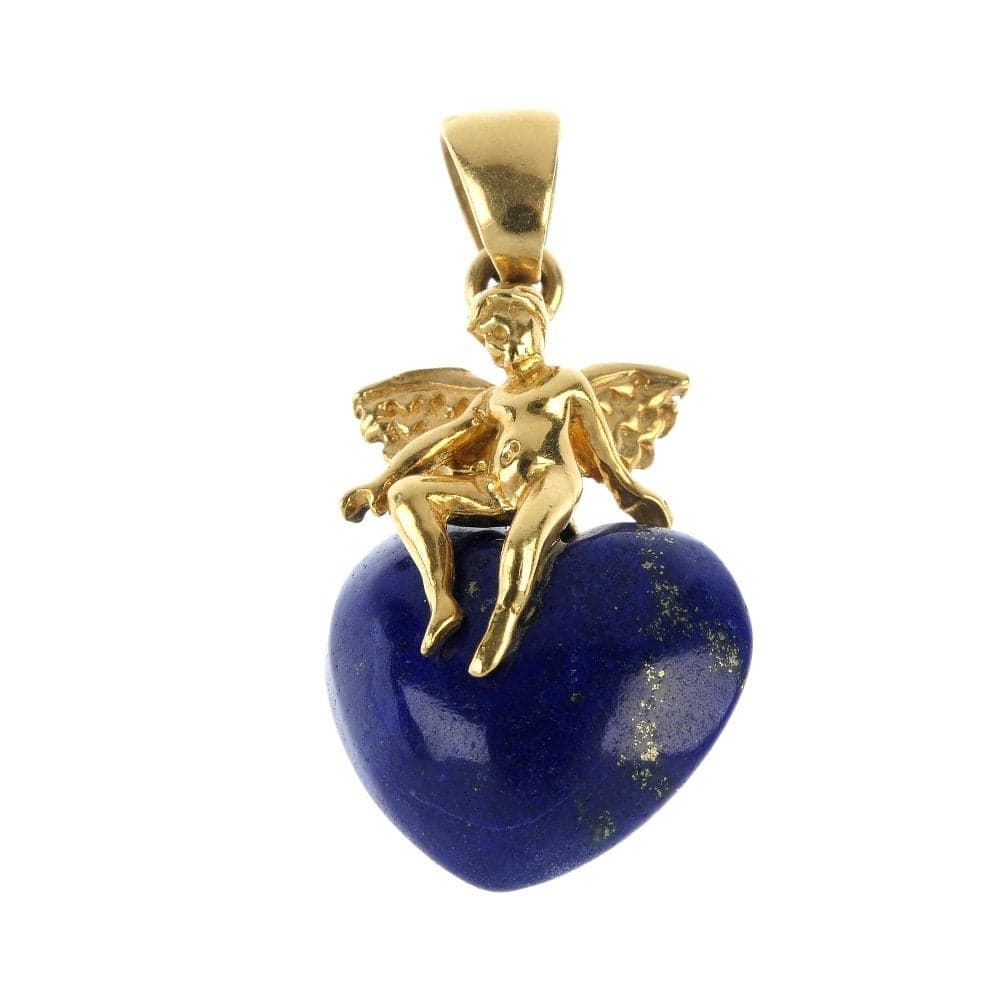
Lapis lazuli stones are opaque, but most stones are included with pyrite, , or both. Small, well-distributed pyrite can look like stars strewn across the night sky. American consumers greatly covet this look. However, gem graders would classify these inclusions as flaws, strictly speaking. Larger inclusions mask the beautiful blue of the stone.
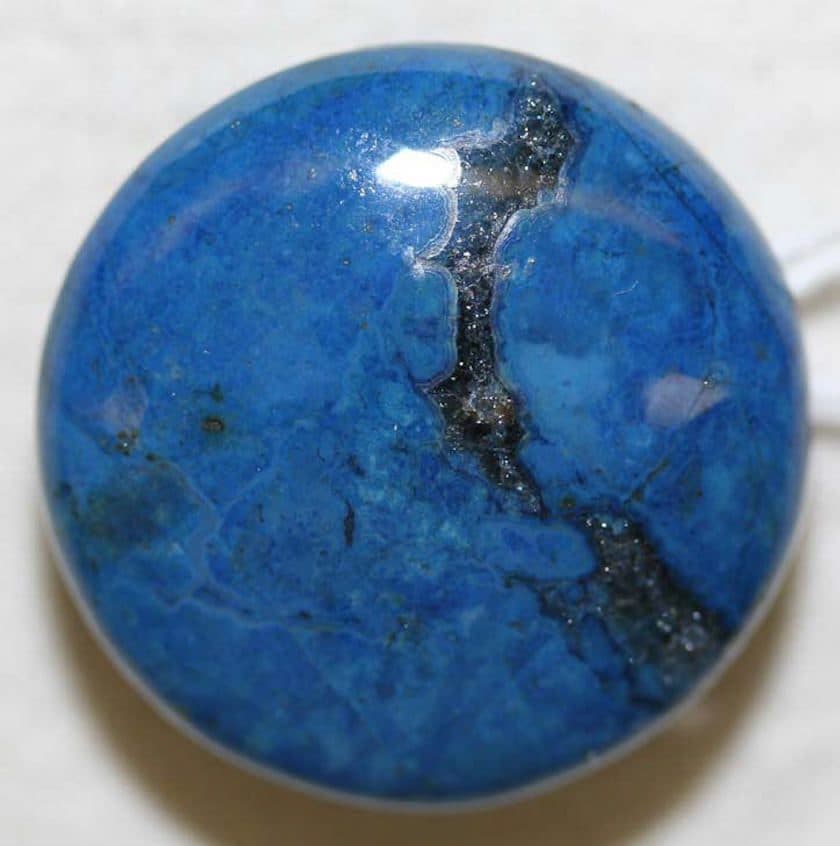
Calcite inclusions are undesirable and may occur either as streaks of white or grey through the stone or as small dust particles. Small calcite inclusions tend to grey the stone, as is typical for stones from Chile.
Due…
Our lapis lazuli buying guide can help you learn how to grade these gems, what to avoid, and how to identify a high quality stone or a bargain in the rough.

“I have never known or heard of an organization that offers so much for its members, and at such a low cost.”
— Ernest Roisch, Rainbow Rocks LTD
That's less than $0.01 per article. Get instant access to 1,700+ premium articles, courses, and gem pricing data.