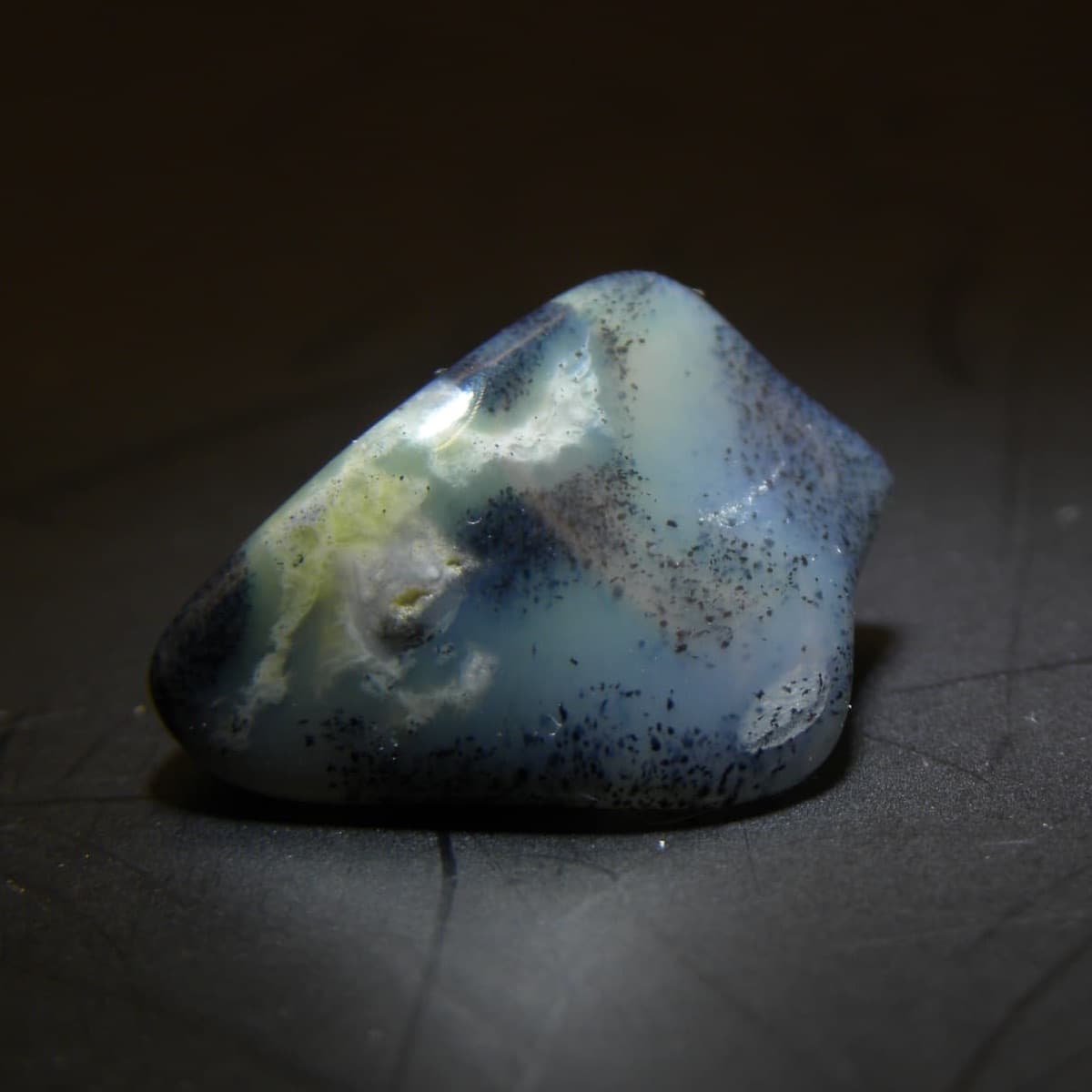
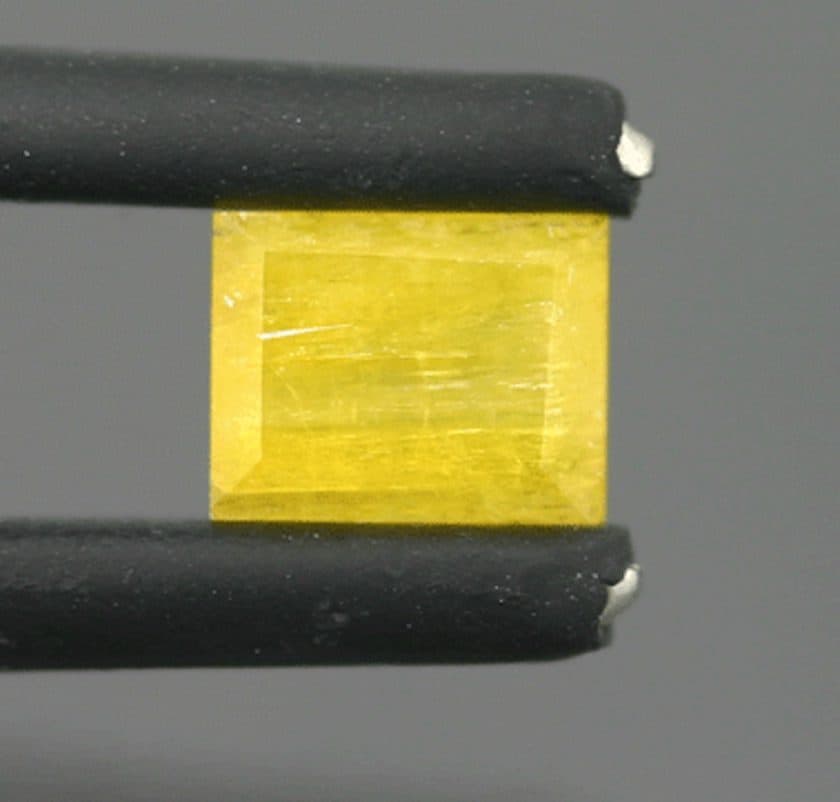
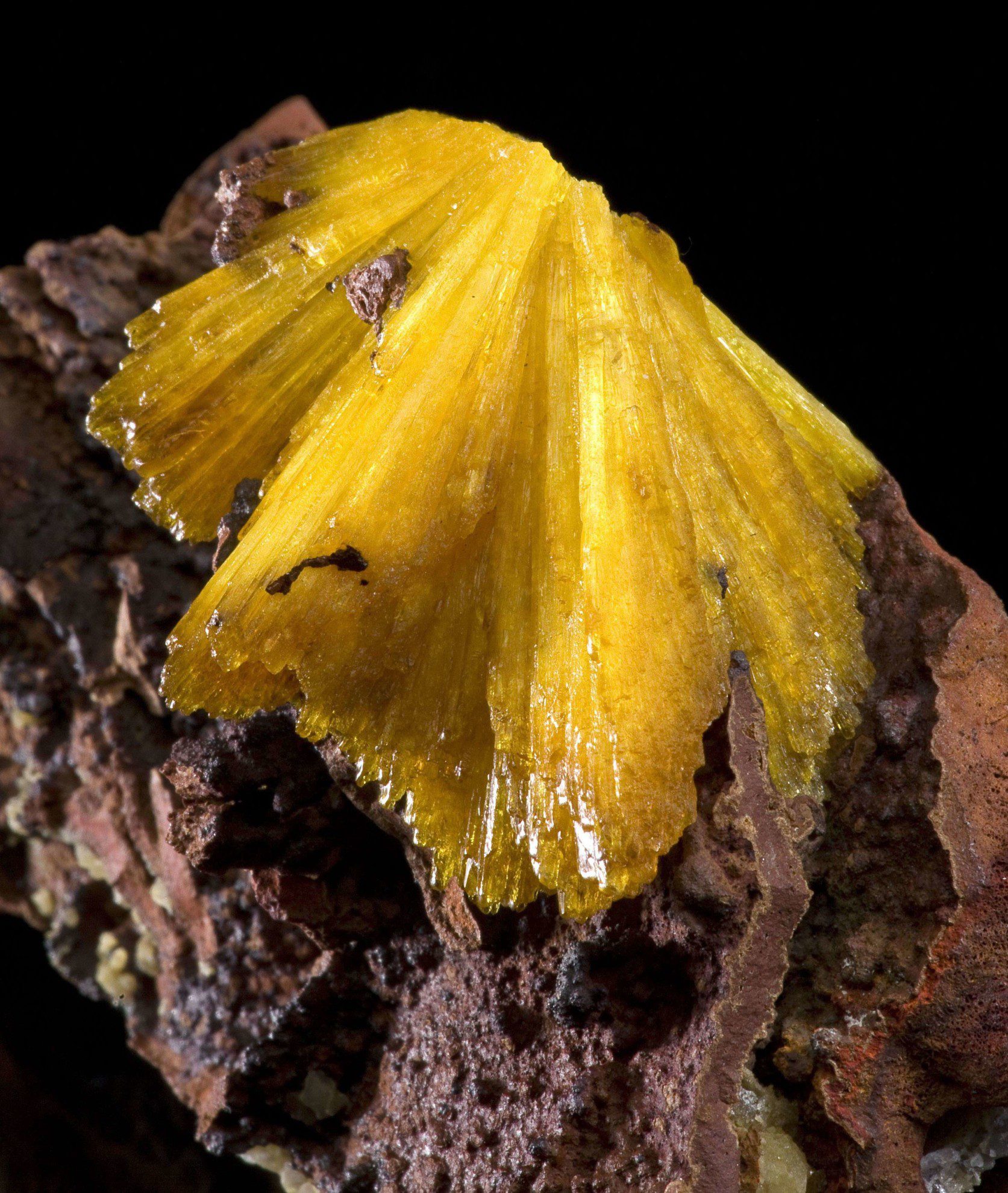
Too soft for jewelry use, legrandite is a popular collector’s mineral because of its intense yellow color and aesthetic crystal groupings. Transparent, faceted gems are extremely rare.
1 Minute Read
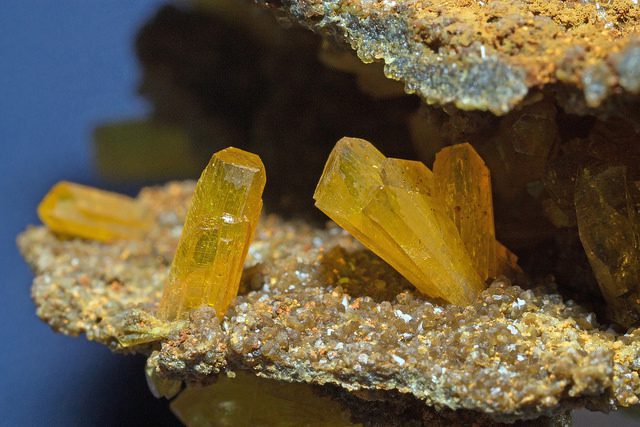
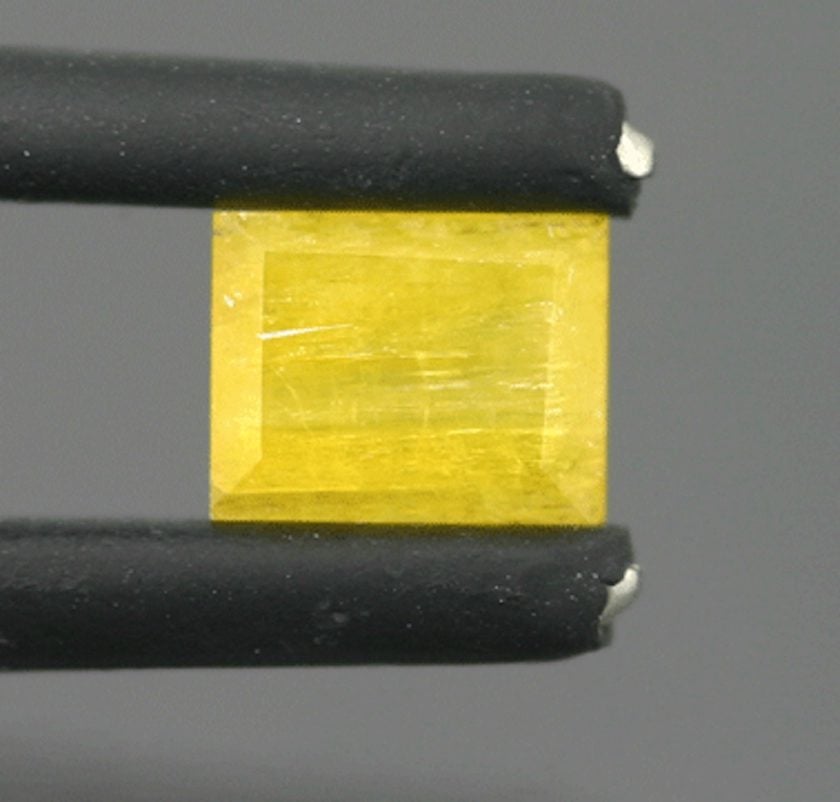
First described in 1932, legrandite has become one of the loveliest of all rare collector gemstones. Its yellow color is quite distinctive and appealing (but tends to appear splotchy). However, you're more likely to find legrandites in a mineral collection than a jewelry collection.
With a relatively low hardness of 4.5, this gemstone has greater susceptibility to scratches than more popular jewelry stones. Protective settings would be advisable, but legrandites have another significant drawback as jewelry stones.
Legrandite contains arsenic. In inorganic mineral form, arsenic is especially dangerous, and ingestion is its most toxic exposure pathway. Due to legrandite's low hardness, normal jewelry wear could easily scratch the stone. This could create tiny, loose particles that could be ingested accidentally. For this reason, jewelry use isn't recommended.
Gem cutters should take special precautions while working with legrandites. Consult our lapidary safety tips for more information.
Displaying legrandites should pose no risks. However, make sure the specimens are secured beyond the reach of small children and pets.
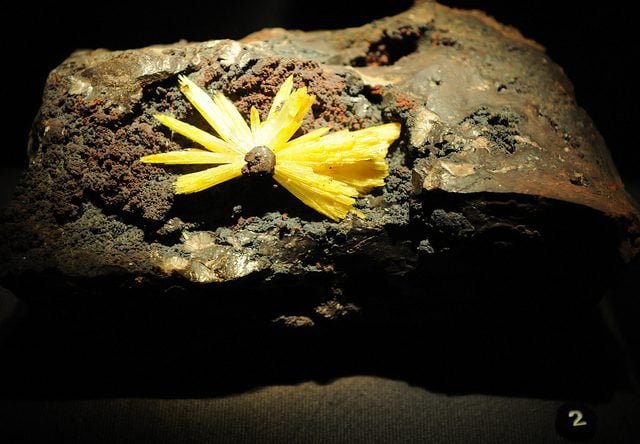
There are no known synthetic legrandites or treatments for these gems.
To date, only Mexico has produced cuttable material. Legrandite was first discovered in the Flor de Peña Mine, Nuevo León. However, the best-known gem locality is the Ojuela Mine, Mapimí. It produces magnificent crystal clusters, single crystals up to 6 cm long and 7.5 mm thick.
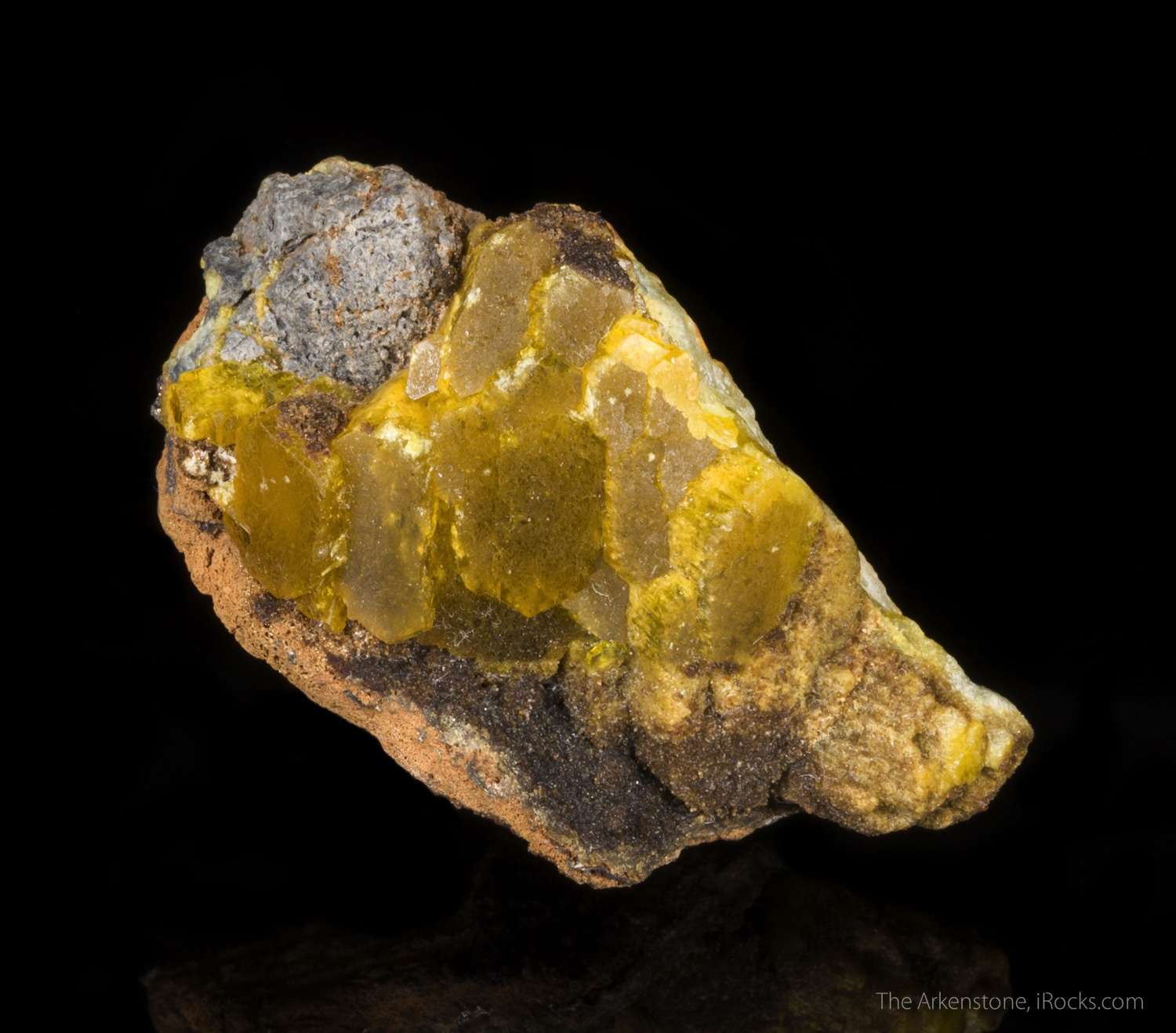
Other notable crystal sources include the following:
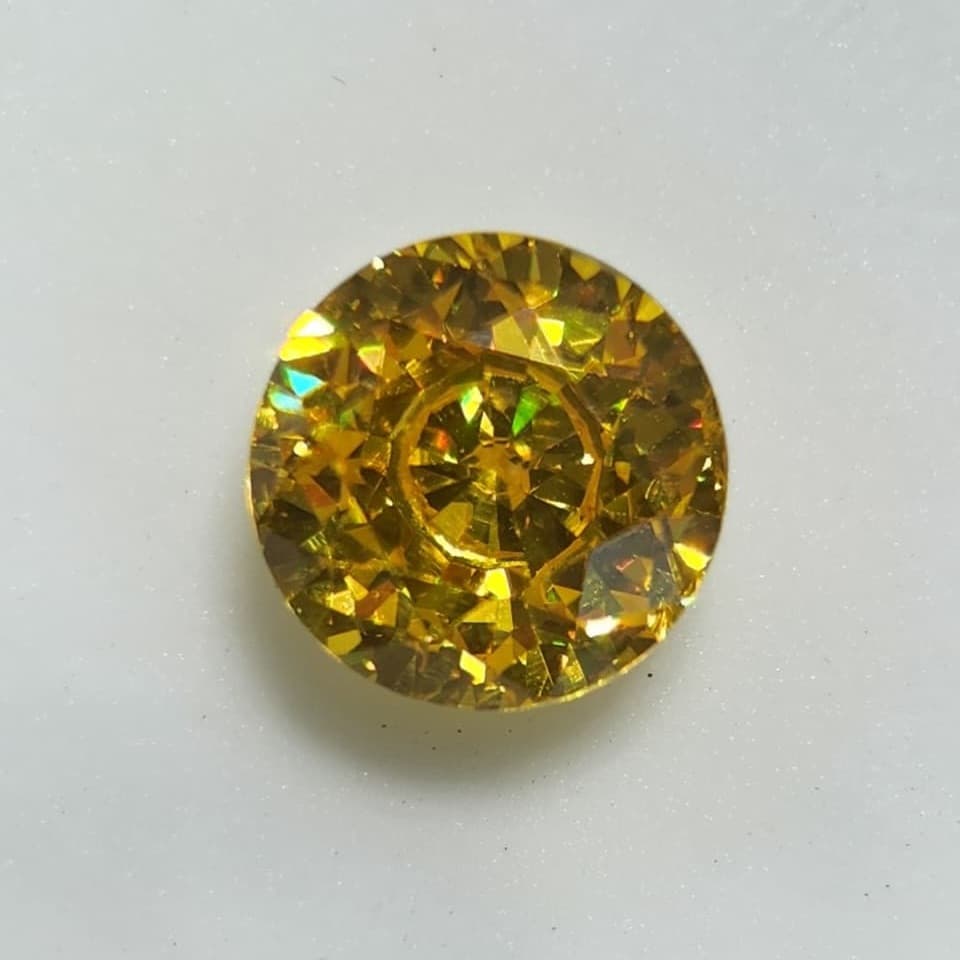
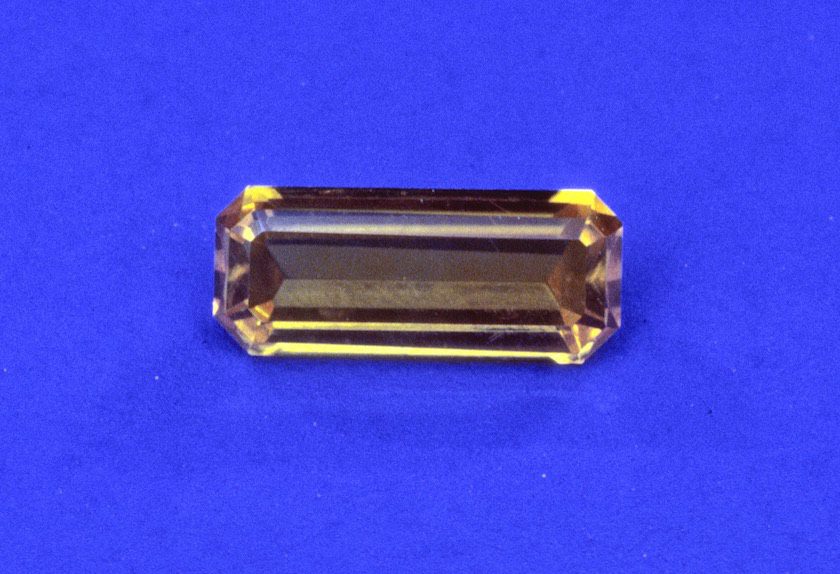
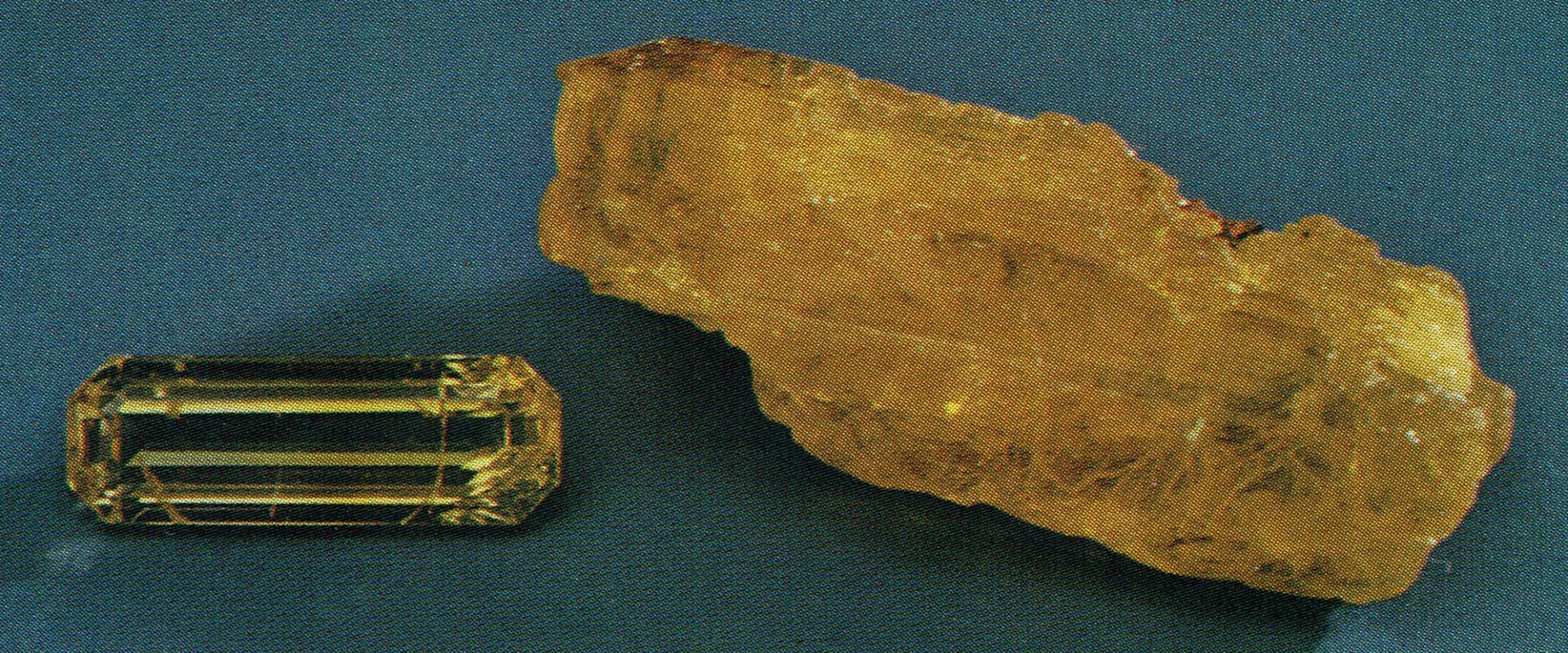
The largest faceted legrandites range from 2 to 4 carats in size, although a 10-ct stone has been reported. Still, larger cut stones are great rarities, and even 1-ct gems are hard to find.
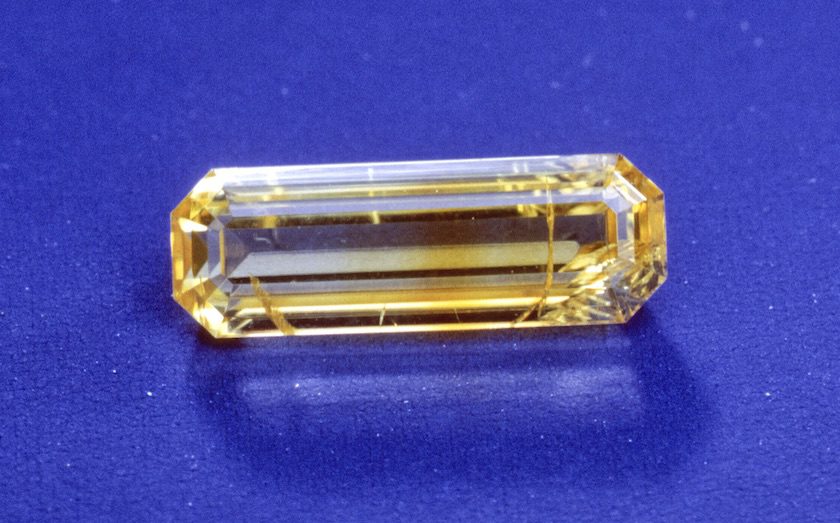
Transparent crystals are usually small in size. The larger the crystal, the more opaque (translucent) it becomes. Many mineral specimens exist. However, transparent crystals occur very rarely, even at the source locality.
Clean legrandites only with warm water, mild detergent, and a soft brush. For more recommendations, consult our gemstone jewelry care guide.

When you join the IGS community, you get trusted diamond & gemstone information when you need it.
First described in 1932, legrandite has become one of the loveliest of all rare collector gemstones. Its yellow color is quite distinctive and appealing (but tends to appear splotchy). However, you're more likely to find legrandites in a mineral collection than a jewelry collection.
With a relatively low hardness of 4.5, this gemstone has greater susceptibility to scratches than more popular jewelry stones. Protective settings would be advisable, but legrandites have another significant drawback as jewelry stones.
Legrandite contains arsenic. In inorganic mineral form, arsenic is especially dangerous, and ingestion is its most toxic exposure pathway. Due to legrandite's low hardness, normal jewelry wear could easily scratch the stone. This could create tiny, loose particles that could be ingested accidentally. For this reason, jewelry use isn't recommended.
Gem cutters should take special precautions while working with legrandites. Consult our lapidary safety tips for more information.
Displaying legrandites should pose no risks. However, make sure the specimens are secured beyond the reach of small children and pets.
There are no known synthetic legrandites or treatments for these gems.
To date, only Mexico has produced cuttable material. Legrandite was first discovered in the Flor de Peña Mine, Nuevo León. However, the best-known gem locality is the Ojuela Mine, Mapimí. It produces magnificent crystal clusters, single crystals up to 6 cm long and 7.5 mm thick.
Other notable crystal sources include the following:
The largest faceted legrandites range from 2 to 4 carats in size, although a 10-ct stone has been reported. Still, larger cut stones are great rarities, and even 1-ct gems are hard to find.
Transparent crystals are usually small in size. The larger the crystal, the more opaque (translucent) it becomes. Many mineral specimens exist. However, transparent crystals occur very rarely, even at the source locality.
Clean legrandites only with warm water, mild detergent, and a soft brush. For more recommendations, consult our gemstone jewelry care guide.


Too soft for jewelry use, legrandite is a popular collector’s mineral because of its intense yellow color and aesthetic crystal groupings. Transparent, faceted gems are extremely rare.